Choosing the Right School Tables: A How-To Guide for UK Schools
🎯 Key Takeaway
Choosing the right school tables involves selecting UK-compliant, age-appropriate sizes based on the BS EN 1729 standard and matching table features to specific educational activities. For School Business Managers (SBMs), this strategic decision directly impacts pupil wellbeing, classroom management, and long-term budgets. Adhering to standards like BS EN 1729 is not just about compliance; it’s fundamental to creating a safe and effective learning environment. This guide provides the data and checklists you need to make a strategic, cost-effective procurement decision for your school, a process we have refined over 35+ years.
As of September 2026, selecting the right school tables and classroom tables goes far beyond a simple furniture purchase. It’s a strategic decision that directly influences pupil health, concentration, and your school’s budget for years to come. For a School Business Manager (SBM), navigating the complexities of standards like BS EN 1729, catering to different Key Stages, and balancing quality with cost can be a significant challenge. An incorrect choice can lead to poor ergonomics for pupils, increased wear and tear, and ultimately, a poor return on investment.
This definitive guide is designed to simplify that process. We’ll break down the essential UK standards, provide clear selection criteria for each Key Stage, and offer a strategic procurement checklist. Our goal is to empower you to invest in furniture that not only meets regulations but actively enhances your learning environments.
👤 Written by: Content Team
Reviewed by: Editorial Team, Industry Specialists with 35+ Years Experience; Rated Excellent On Trustpilot
Last updated: 16 September 2026
ℹ️ Transparency Disclosure:
At Cost Cutters UK, transparency is a core value. This article explores school table procurement based on UK government standards, industry best practices, and our extensive experience. We believe in providing clear, actionable information to help you make an effective choice. Some links may connect to our relevant services or products. All information is editorially independent and verified by our team.
Decoding UK Standards for School Tables: The BS EN 1729 Guide
The most critical standard governing school tables and chairs in the UK is BS EN 1729. This European Standard for educational furniture, which is a key part of the official school environment guidelines, is designed to ensure that furniture is ergonomically suitable for pupils, promoting good posture and reducing the risk of musculoskeletal issues. Compliance isn’t just a recommendation; it’s a fundamental part of a school’s duty of care.
BS EN 1729 is broken down into two main parts:
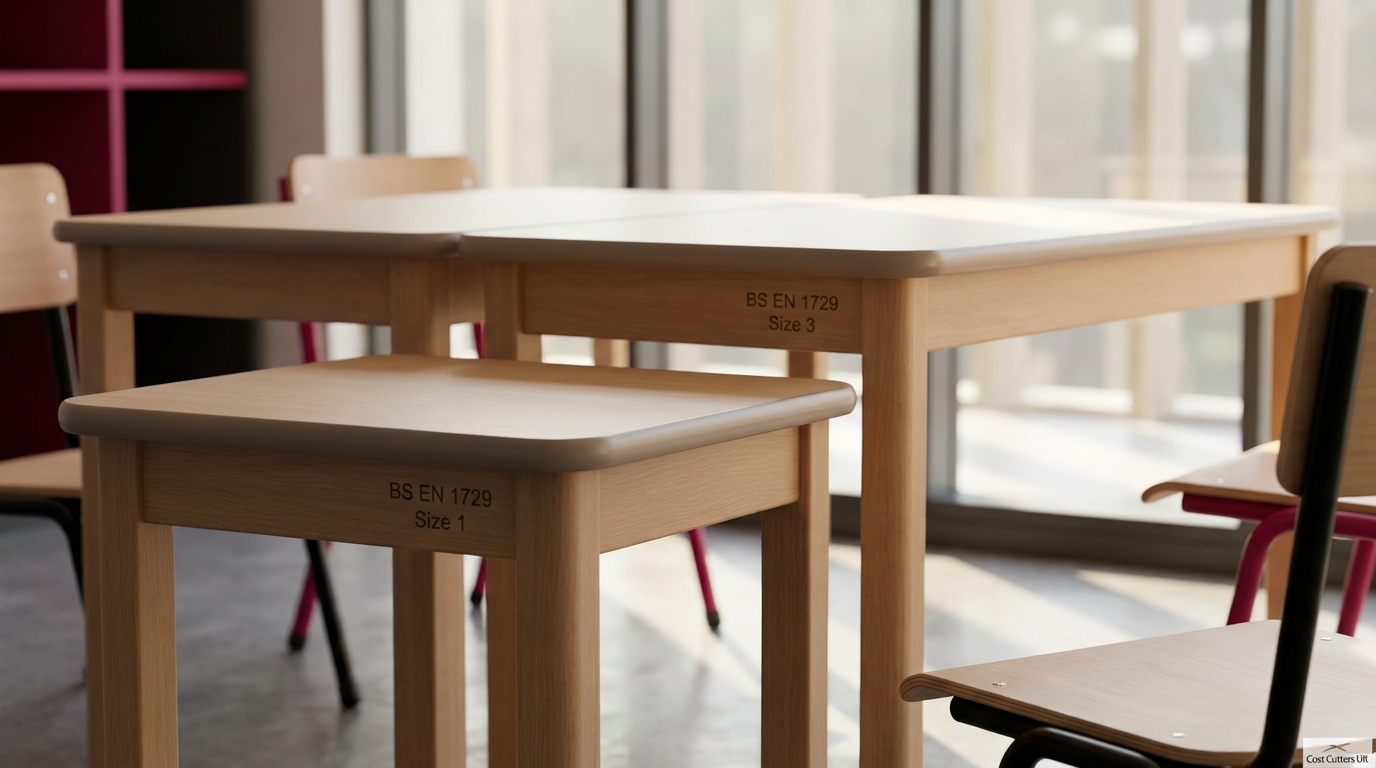
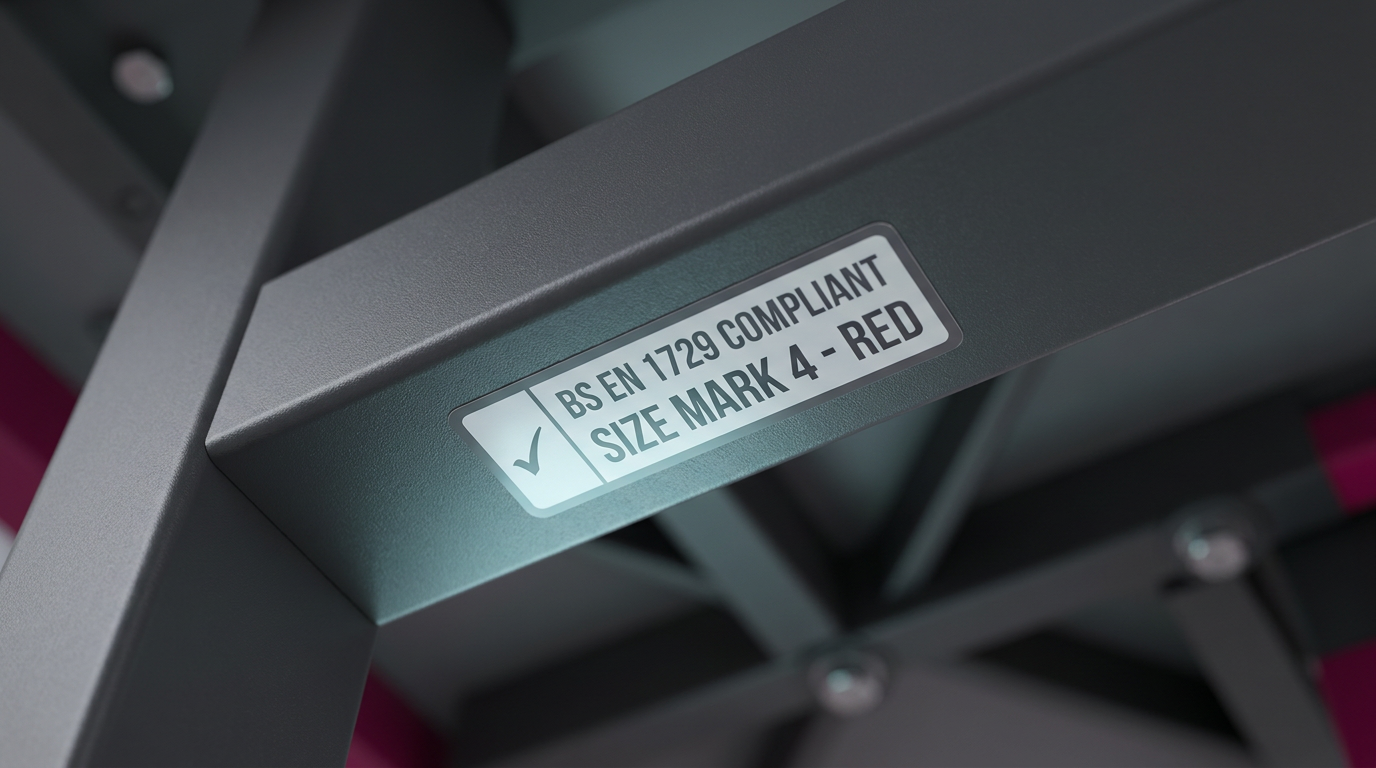
- Part 1: Functional Dimensions: This part specifies the appropriate height, depth, and width for tables and chairs based on the age and stature of the pupils using them. It introduces a system of size marks (often colour-coded) to make it easy to match the right size chair with the right size table for a specific age group. Following these dimensions is vital for good ergonomics and good posture.
- Part 2: Safety Requirements and Test Methods: This section outlines the structural integrity requirements. It ensures tables are stable, durable, and free from hazards like sharp edges or entrapment points. Tables that meet this standard have been rigorously tested to withstand the demanding environment of a school.
According to the Health and Safety Executive (HSE), poor workstation setup is a leading cause of discomfort and long-term health issues. While their guidance often focuses on office workers, the principles apply directly to the classroom. By procuring furniture that adheres to the BS EN 1729 guide, you are investing in pupil wellbeing and mitigating potential liability for the school.
Quick Reference: UK School Table & Chair Height Guide
Ensuring you have the correct school table sizes UK regulations recommend is the single most effective way to provide an ergonomic learning environment. The BS EN 1729 standard simplifies this with a clear sizing system, linking table and chair heights to specific age groups. Using this chart for procurement and budgeting ensures you order the correct sizes for each Key Stage, preventing the posture problems that arise from mismatched furniture.
When assessing your current stock or planning a new purchase, measure from the floor to the top of the table surface for table height, and from the floor to the top of the seat pan for chair height. Compare these measurements against the official size marks in the table below to identify compliance gaps. Many reputable suppliers, including ourselves, use colour-coding on furniture legs to make this identification even easier.
| Size Mark (Colour) | Age Range (Years) | Key Stage | Table Height (mm) | Chair Height (mm) |
|---|---|---|---|---|
| Size Mark 1 (Orange) | 3 – 4 | EYFS | 460 | 260 |
| Size Mark 2 (Violet) | 4 – 6 | EYFS / KS1 | 530 | 310 |
| Size Mark 3 (Yellow) | 6 – 8 | KS1 / KS2 | 590 | 350 |
| Size Mark 4 (Red) | 8 – 11 | KS2 | 640 | 380 |
| Size Mark 5 (Green) | 11 – 14 | KS3 | 710 | 430 |
| Size Mark 6 (Blue) | 14+ | KS4 / KS5 | 760 | 460 |
Source: Based on BS EN 1729 Part 1 recommendations.
Choosing Tables for Early Years (EYFS): Safety, Play, and Durability
Furniture for the Early Years Foundation Stage (EYFS), which covers children from birth to age 5, has a unique set of requirements. The Department for Education’s EYFS Statutory Framework (2024) mandates that all equipment must be safe and suitable for its purpose. For tables, this means prioritising specific features beyond just size.
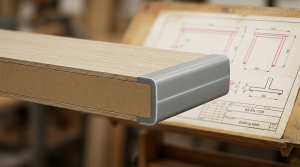
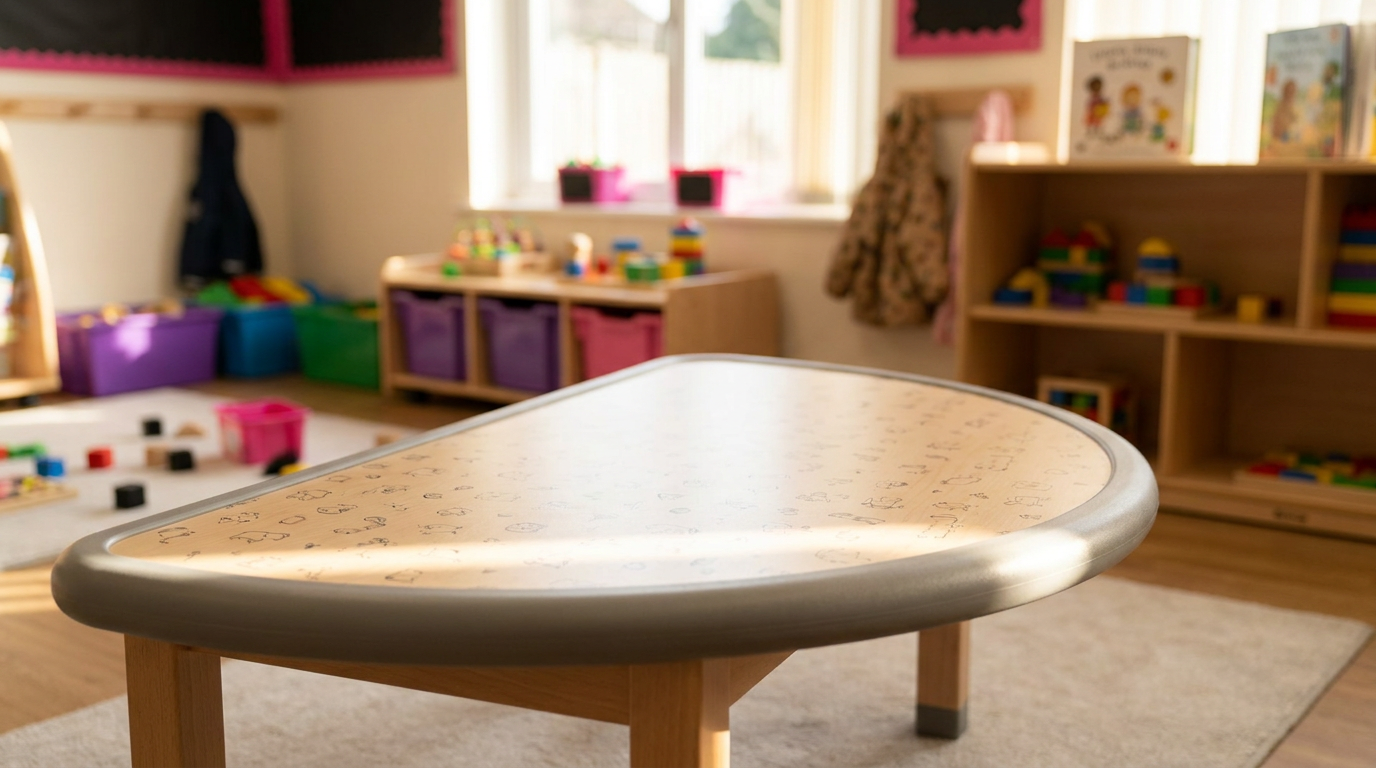
Safety is paramount. Look for tables with rounded corners and smooth edges to minimise injuries from bumps and falls. A solid, stable base is also crucial to prevent tipping when children lean on it. Many tables designed for this age group feature smooth polyurethane (PU) edges, which are tough, tamper-proof, and offer a soft-feel finish.
Material choice is another key consideration. Tabletops must withstand messy play, from paint and glue to water and sand. High-pressure laminate (HPL) surfaces are an excellent choice as they’re scratch-resistant, waterproof, and easy to sanitise.
Finally, consider how table shape can support learning. Whilst rectangular tables have their place, shaped tables-such as flower, clover, or semi-circular designs-are fantastic for encouraging group interaction, communication, and collaborative play. When selecting furniture for your EYFS setting, a mix of shapes can create a dynamic and engaging learning landscape.
Choosing Tables for Primary Schools (KS1 & KS2): Fostering Collaboration
As children move into Key Stage 1 and 2, the classroom dynamic shifts towards more structured learning, but the need for flexibility and collaboration remains high. The primary school tables you choose can either support or hinder modern pedagogical approaches.
Durability becomes a major factor here. These classroom tables will see constant, heavy use for a decade or more, so investing in quality pays off. Look for features like fully-welded steel frames (crush-bent frames are a classic sign of strength) and hard-wearing MDF tops with a high-pressure laminate finish. The edging is also critical; a tough, impact-resistant edge will prevent chipping and peeling, which not only looks unsightly but can also become a safety hazard.
Table shape plays a vital role in classroom layout and function.
- Rectangular tables are versatile, effective for individual work and can be easily configured for exam settings.
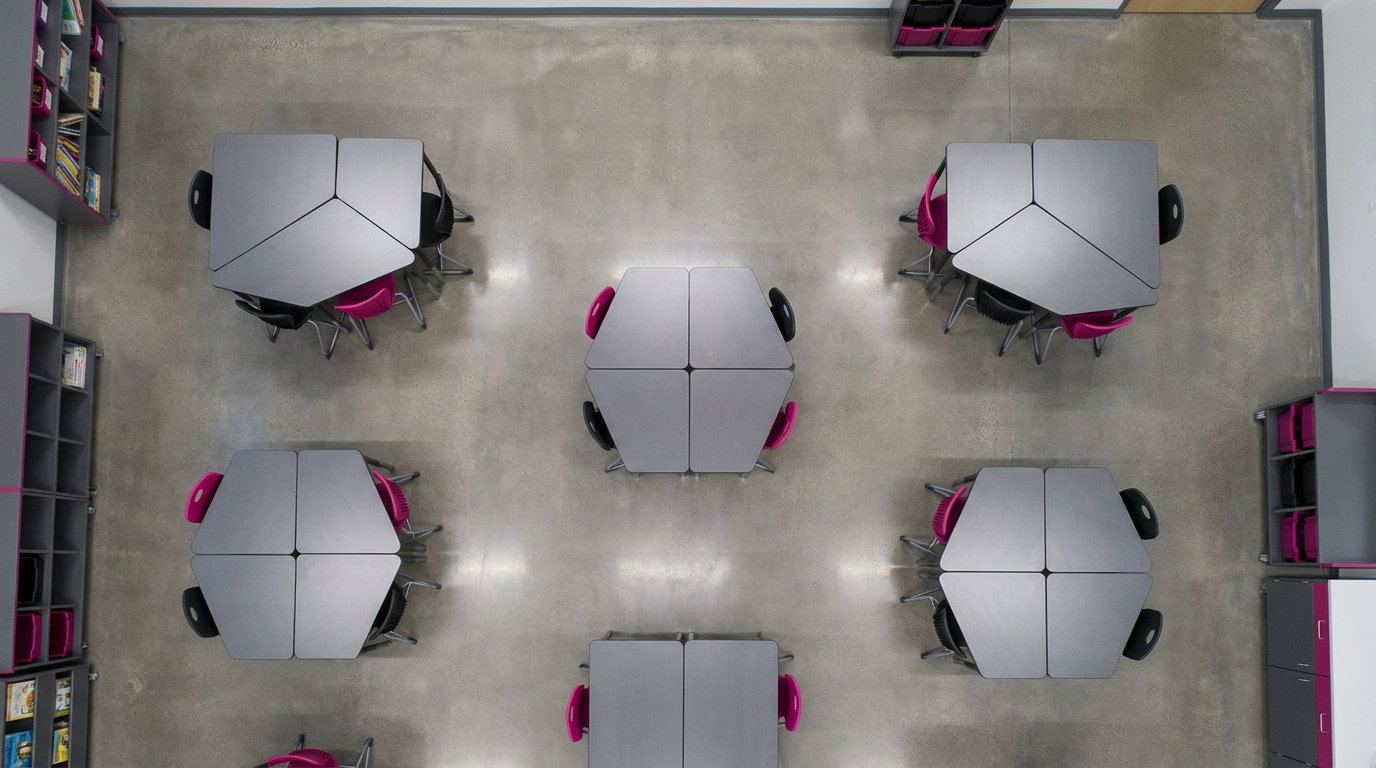
- Trapezoidal and hexagonal tables are brilliant for creating small group ‘pods’, fostering teamwork and communication. They can be pushed together to form larger working areas or used individually.
- Circular tables are excellent for group discussions and projects where face-to-face interaction is key.
Some schools are also exploring height-adjustable tables to provide greater flexibility, accommodating children of different sizes within the same class or allowing for a mix of sitting and standing work. This aligns with guidance from the World Health Organization (WHO) (2020) which recommends reducing sedentary time in children.
Choosing School Tables for Secondary Schools & Sixth Forms (KS3-5)
In secondary schools and sixth forms, furniture requirements become more specialised. While standard classroom desks are still a staple, many subjects demand tables with specific properties. The focus shifts towards durability to withstand use by young adults and functionality for specialised learning.
- Science Labs: Tables must have chemical-resistant tops. Trespa is the industry-standard material, offering exceptional resistance to chemicals, scratches, and impact. According to the Health and Safety Executive (HSE) (1992), work surfaces must be suitable for the activities being performed, making Trespa non-negotiable for labs.
- Art & Design Technology: These subjects require large, reliable work surfaces. Tilt-top drawing tables are effective for art, while heavy-duty workbench-style tables are needed for DT workshops. Durability and stability are the primary concerns.
- IT Suites: Cable management is the key feature for secondary school desks in computer rooms. Integrated cable ports, trays, and leg inserts keep wires tidy and safe, preventing trip hazards and equipment damage.
- Classrooms & Exam Halls: The classic single or double desk remains a cost-effective solution for general teaching and examinations. Look for reliable frames and options for integrated trays to help with student storage.
For all secondary school furniture, a strong, fully-welded frame is essential for longevity. Given the higher cost of specialised tables, considering the total cost of ownership over the initial price is a financially prudent approach.
The SBM’s Strategic Procurement Checklist: Budgeting to Installation
Effective school furniture procurement is a multi-step process that goes far beyond simply placing an order. For a School Business Manager, a strategic approach ensures you get an effective value, meet all compliance requirements, and minimise disruption. We’ll be honest – this part can be tedious, but getting it right is crucial for Saving Time & Stress later.
Here is our recommended checklist:
- Budgeting & Planning: Don’t just look at the upfront cost. Focus on evaluating the total cost of ownership, factoring in the product’s guarantee, durability, and expected lifespan. A cheaper table that needs replacing in three years is far more expensive than a quality one that lasts for ten. Our team can provide comparative quotes to help illustrate this.
- Needs Assessment & Space Planning: Audit your existing furniture against the BS EN 1729 guide. Measure your classrooms and map out potential layouts. What activities need to be supported? What mix of table shapes would work best? At Cost Cutters UK, we offer a free space planning service to help you visualise the optimal layout and ensure you order the correct quantities.
- Supplier Vetting: Choose a supplier with a well-supported by research track record. Are they members of the British Educational Suppliers Association (BESA)? A BESA membership, as per their Code of Practice, indicates a commitment to quality and safety standards. What do their reviews say? We’re proud to be Rated Excellent On Trustpilot.
- Logistics & Delivery: Scheduling is everything. The last thing you need is a delivery of 200 tables arriving mid-term. Coordinate with your supplier to schedule delivery during school holidays to avoid disrupting lessons.
- Installation & Disposal: Will your site team have the time and tools to assemble hundreds of tables? What will you do with the old ones? A full-service supplier can manage this. Our “Design To Install We Do It All!” approach means we can handle everything, including assembly and the ethical disposal of your old furniture, making the entire process smooth. We also offer flexible payment options, such as Credit Accounts Or Pay Flexibly, to support your school’s budget cycle.
Case Study: A Hypothetical Primary School Refurbishment
- Challenge: A 12-classroom primary school was facing increasing repair costs for its mismatched, 15-year-old tables. Several tables failed to meet BS EN 1729 size guidelines, and frequent breakages were disrupting lessons.
- Solution: The SBM engaged our team. We conducted a free site survey and space plan, recommending a mix of rectangular and trapezoidal tables compliant with KS1 and KS2 height standards. A bulk order was placed, leveraging our Bulk Buy Discounts.
- Results: The school achieved a 25% reduction in projected furniture spending over five years by investing in durable tables with a 10-year guarantee. The new layouts improved classroom flow, and teachers reported better engagement during group activities.
- Key Insight: A partnered approach, combining expert space planning with a focus on total cost of ownership, delivers far greater long-term value than simply sourcing the cheapest available products.
Frequently Asked Questions About School Tables
What are school tables?
School tables are specialised pieces of furniture designed specifically for educational environments to support learning activities. Unlike domestic tables, they are engineered to withstand heavy daily use and must comply with stringent safety and ergonomic standards, such as BS EN 1729 in the UK. They are available in a wide range of sizes, shapes, and materials to suit different age groups and classroom functions, making them a crucial component of any effective learning space.
What height should a primary school table be?
The correct height for primary school tables depends on the specific Key Stage and the age of the pupils. For Key Stage 1 (ages 5-7), table heights are typically between 530mm and 590mm. For Key Stage 2 (ages 7-11), the recommended height ranges from 590mm to 640mm. You should match these tables with the corresponding chair heights outlined in the BS EN 1729 standard to ensure good posture and comfort.
What are the standard school table sizes in the UK?
Standard school table sizes UK wide are governed by the BS EN 1729 ergonomic standard. This system uses size marks to denote heights for different age groups. For example, Size Mark 2 (530mm height) is for ages 4-6, Size Mark 4 (640mm) is for ages 8-11, and Size Mark 6 (760mm) is for ages 14 and over. This standardisation ensures that pupils have a comfortable and ergonomically correct posture throughout their school life.
What is the best material for a school table top?
The effective material for a school table top is determined by its intended use in the classroom. For general use, a high-pressure laminate (HPL) top on a dense MDF core offers excellent durability, scratch resistance, and is easy to clean. For science labs, a specialist chemical-resistant material like Trespa is essential. In early years settings, tables with a smooth, tamper-proof polyurethane (PU) edge provide an added layer of safety and durability.
How do you calculate the Total Cost of Ownership for school furniture?
Total Cost of Ownership (TCO) is calculated by adding the initial purchase price to all associated costs over the furniture’s lifespan. This includes maintenance, repairs, and eventual replacement. A cheap table with a 2-year guarantee that fails in year 3 is more expensive long-term than a higher-quality table with a 10-year guarantee. To calculate TCO, you should consider product may help, material specifications (like frame thickness), and supplier support when making your decision.
Are round classroom tables better than rectangular ones?
Neither shape is inherently better; the choice depends entirely on the teaching style and intended activity. Round tables are excellent for promoting discussion and collaborative group work, as pupils can all see one another. Rectangular tables are more space-efficient, better suited for individual tasks, and can be easily arranged in rows for formal teaching or exams. Many modern classrooms benefit from a mix of shapes to provide maximum flexibility.
How do I ensure the tables I buy are BS EN 1729 compliant?
The most reliable way is to purchase from a reputable educational furniture supplier who explicitly states compliance. Ask for a certificate of conformity for the product and check if the supplier is a member of the British Educational Suppliers Association (BESA). Product descriptions on their website or in their catalogue should clearly reference BS EN 1729. Be wary of any supplier who cannot provide this fundamental proof of compliance.
What are crush-bent tables?
‘Crush-bent’ describes a manufacturing process used to create strong, continuous steel frames for tables. The metal tubing is bent into its final shape without being cut or welded at the corners, which maintains its structural integrity. This method produces an exceptionally reliable and durable frame that is highly resistant to the daily rigours of a busy school environment. It’s a hallmark of high-quality, contract-grade school furniture designed for longevity.
Can you buy school tables in bulk?
Yes, strongly, and it is often the most cost-effective method for schools. Reputable suppliers specialise in fulfilling bulk orders for entire classrooms, year groups, or whole-school refurbishments. We strongly encourage this approach as we can offer significant Bulk Buy Discounts and more efficient, consolidated delivery. Requesting a quote for a bulk purchase should be a key part of your school furniture procurement process.
How long should school tables last?
A high-quality school table, properly specified for its environment, should have a lifespan of at least 10-15 years. The longevity depends on factors like the frame construction (e.g., fully-welded vs. Self-assembly), the durability of the tabletop surface, and the quality of the edging. A long manufacturer’s guarantee, typically 5 years or more, is a strong indicator of a product’s expected lifespan and a key factor in assessing its long-term value.
Important Considerations
This guide provides a comprehensive framework based on current UK standards like BS EN 1729 and established best practices for school tables uk. However, every school has a unique student population and pedagogical approach. The recommendations here should serve as a strong starting point. For schools with significant Special Educational Needs (SEN) provision, a more detailed physical assessment of specific pupil requirements and teaching spaces may be necessary to ensure furniture is perfectly suited.
While this guide focuses on traditional tables, it’s worth considering alternatives for creating more dynamic learning spaces. The market now includes standing desks, wobble stools, and low-level tables that can complement standard furniture. These options can support different learning styles and encourage movement, aligning with recommendations from bodies like the World Health Organization (WHO) to reduce sedentary behaviour. They may be particularly effective in library breakout areas, common rooms, or dedicated SEN resource bases.
For large-scale refurbishment projects, new builds, or when designing for highly specialised needs (such as a new SEN unit), we strongly recommend a professional space-planning consultation. An expert can help ensure optimal layouts, full regulatory compliance, and help you maximise the value from your budget. Our experienced team offers a free, no-obligation space plan and quote service to help you navigate this complex process, Saving Time & Stress.
Your Partner in Creating Better Learning Environments
Ultimately, selecting the right school tables is a critical investment in your pupils’ health, comfort, and academic attainment. By prioritising BS EN 1729 compliance, matching sizes to Key Stages, and evaluating the total cost of ownership over initial price, you can procure furniture that delivers lasting value. This strategic approach to school furniture procurement ensures your classrooms are safe, functional, and conducive to learning for many years to come.
At Cost Cutters UK, we have over 35 years of experience partnering with schools across the UK. Our team of specialists understands the unique challenges you face, from tight budgets to complex holiday delivery schedules. We are Rated Excellent On Trustpilot because we deliver on our promises. If you need help planning your next project or would like to discuss our flexible payment options, request a free space plan and quote today.
References
- Health and Safety Executive (HSE) – Government Guidance. Provides the legal framework and practical advice for workstation ergonomics under the UK’s Display Screen Equipment Regulations.
- European Agency for Safety and Health at Work (EU-OSHA) – International Body Research. Highlights poor workstation design as a primary risk factor for musculoskeletal disorders (MSDs), even in young people.
- Department for Education (EYFS Framework) – Government Statutory Framework (2024). Section 3.54 mandates that premises, furniture, and equipment in Early Years settings must be safe, clean, and suitable for purpose.
- British Educational Suppliers Association (BESA) – Professional Organisation Code of Practice. Members must ensure products are fit for their intended educational purpose and meet all relevant safety standards.
- World Health Organization (WHO) – International Body Guidelines (2020). Recommends limiting sedentary time for children and adolescents, underscoring the need for ergonomic furniture and opportunities for movement.
- Statista – Market Research Data (2024). Reports that revenue in the UK Office Furniture market amounts to US$2.28bn, providing context for large-scale procurement and investment.
- Fitout Specialists – Industry Guide. Offers a comprehensive overview of selection, care, and compliance for school tables in the UK.
- Edu-Quip – Supplier Buying Guide. Provides practical advice for purchasing school tables and chairs.
- Westcountry Group – Supplier Selection Guide. Details how to choose correct furniture for educational spaces.
Conclusion
In summary, selecting the right school tables is a critical investment in your pupils’ health, comfort, and academic success. By prioritising BS EN 1729 compliance, matching sizes to Key Stages, and evaluating the total cost of ownership, you can procure furniture that delivers lasting value. This strategic approach ensures your classrooms are safe, functional, and conducive to learning for years to come.
At Costcutters UK, we have over 35 years of experience partnering with schools across the UK. Our team of specialists understands the unique challenges of school furniture procurement, from budget constraints to holiday delivery schedules, and helps source the right school tables uk-wide. If you need help planning your next project, request a free space plan and quote today.