Primary School Furniture Myths vs Facts: The Ultimate Guide to Procurement
🎯 Key Takeaway
Understanding primary school furniture myths vs facts is the critical first step towards making smart, long-term investments for your school. The key is to look beyond the initial price tag and focus on total cost of ownership, certified safety, and ergonomic design. This approach not only protects your budget from hidden costs but also creates a safer, more effective learning environment for pupils. We’ll show you how to distinguish between costly myths and value-driven facts.
Making informed decisions about classroom furniture can feel overwhelming. With tight budgets and endless options, it’s tempting to fall for common school furniture myths that promise quick savings. However, our 35+ years of experience have shown us that this path often leads to higher long-term expenses, compliance issues, and a compromised educational setting. This guide tackles the crucial debate of primary school furniture myths vs facts, providing a clear framework for School Business Managers (SBMs), headteachers, and procurement teams.
We will break down the differences between myth-based and fact-based procurement, compare them across key decision-making criteria, and provide a clear verdict. By the end, you’ll have the confidence to invest wisely, ensuring every pound spent contributes directly to your school’s success.
Written by: The Cost Cutters UK Team | Reviewed by: Mark Smith, Commercial Furniture Specialist, 35+ Years Experience; Rated Excellent On Trustpilot
Last updated: 20 September 2026
ℹ️ Transparency Disclosure: This article is based on our extensive industry experience and publicly available data from official bodies. Our goal is to provide clear, actionable guidance. For full transparency, we will cite all external sources and clearly distinguish between factual data and our expert recommendations.
⚡ Quick Verdict
Overall pick: Facts – Basing procurement on facts leads to better long-term value, improved student outcomes, and likely to support compliance, protecting the school’s budget and reputation.
- Best for Myths: Short-term thinking that prioritises the lowest initial price over long-term value and durability. This approach appears to save money upfront but typically results in higher replacement costs and safety risks.
- Best for Facts: Strategic procurement focussed on long-term value, student wellbeing, and verified compliance. This is the responsible choice for any educational institution committed to sustainable investment and student success.
Primary School Furniture Myths vs Facts at a Glance: A Side-by-Side Comparison
To make an informed choice, it’s essential to contrast the common, costly myths with the evidence-based facts that should guide procurement. The table below provides a clear, at-a-glance comparison for busy School Business Managers. Notice how a fact-based approach consistently leads to better outcomes in every critical area, from budget protection to student wellbeing.
| Dimension | Myths (Common Beliefs) | Facts (Evidence-Based Reality) |
|---|---|---|
| Cost & Value Perception | “The cheapest chair saves the most money.” Focus is solely on the upfront price. | “Total Cost of Ownership (TCO) is what matters.” Value is measured over the product’s entire lifespan, including replacement and maintenance costs. |
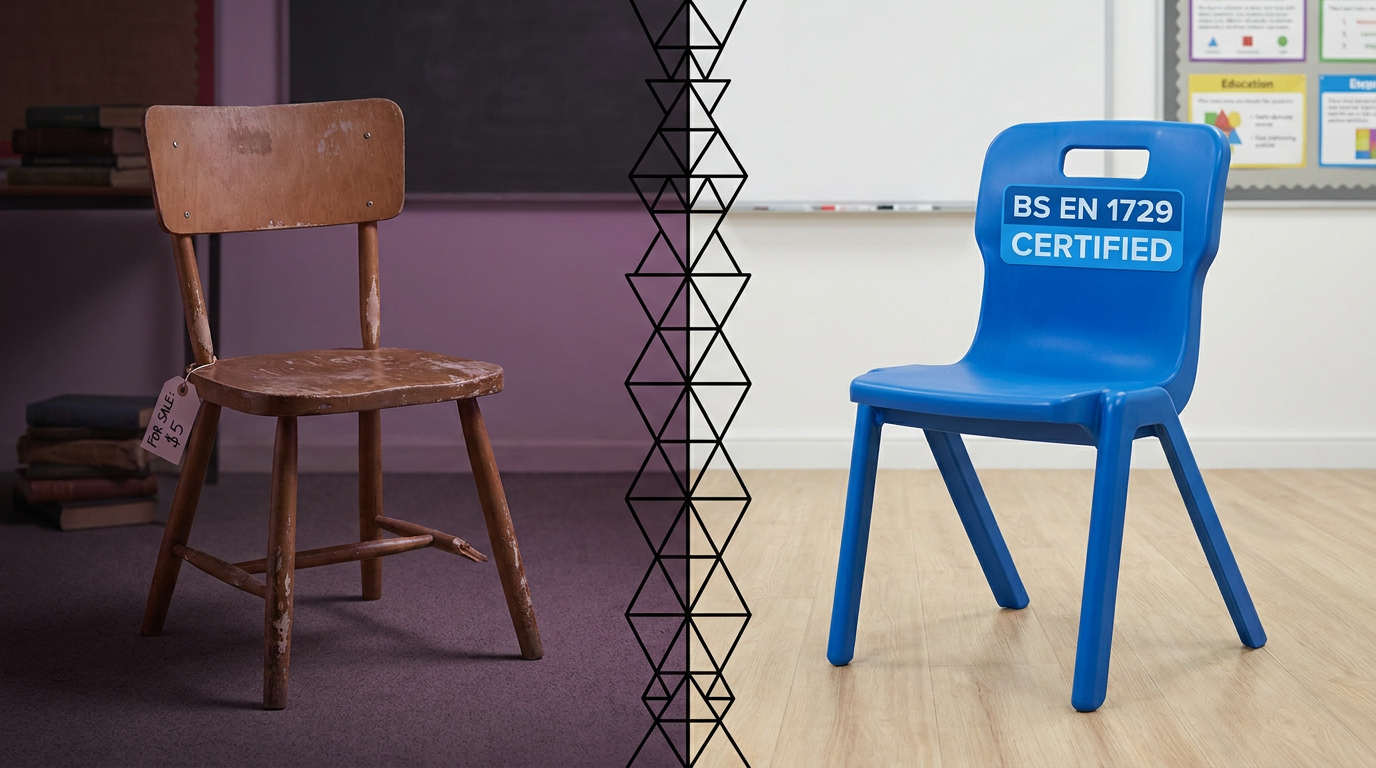
| Compliance & Safety | “If it looks like a school chair, it must be safe.” Assumes compliance without verification. | “Only furniture certified to BS EN 1729 compliance is likely to support safe for educational use in the UK.” Verification is mandatory. |
| Ergonomics & Learning | “A chair is just a chair; it doesn’t affect learning.” Overlooks the link between posture and concentration. | “Correctly sized, ergonomic furniture improves posture, comfort, and concentration.” This is a key finding from health bodies like the Health and Safety Executive (HSE). |
| Material Suitability | “All plastic/wood is the same.” Ignores differences in grade, durability, and finish. | “Material choice impacts classroom furniture durability, safety, and maintenance.” Factors like anti-tilt design and reliable materials are critical. |
| Pedagogy Alignment | “Traditional, static furniture is all we need.” Resists modern, flexible teaching methods. | “Flexible furniture supports dynamic learning and collaboration.” This aligns with modern educational goals outlined by bodies like the Department for Education (DfE). |
Why Relying on Myths is a False Economy for School Budgets
Best for: Short-term budget allocation where the immediate invoice price is the only metric for success.
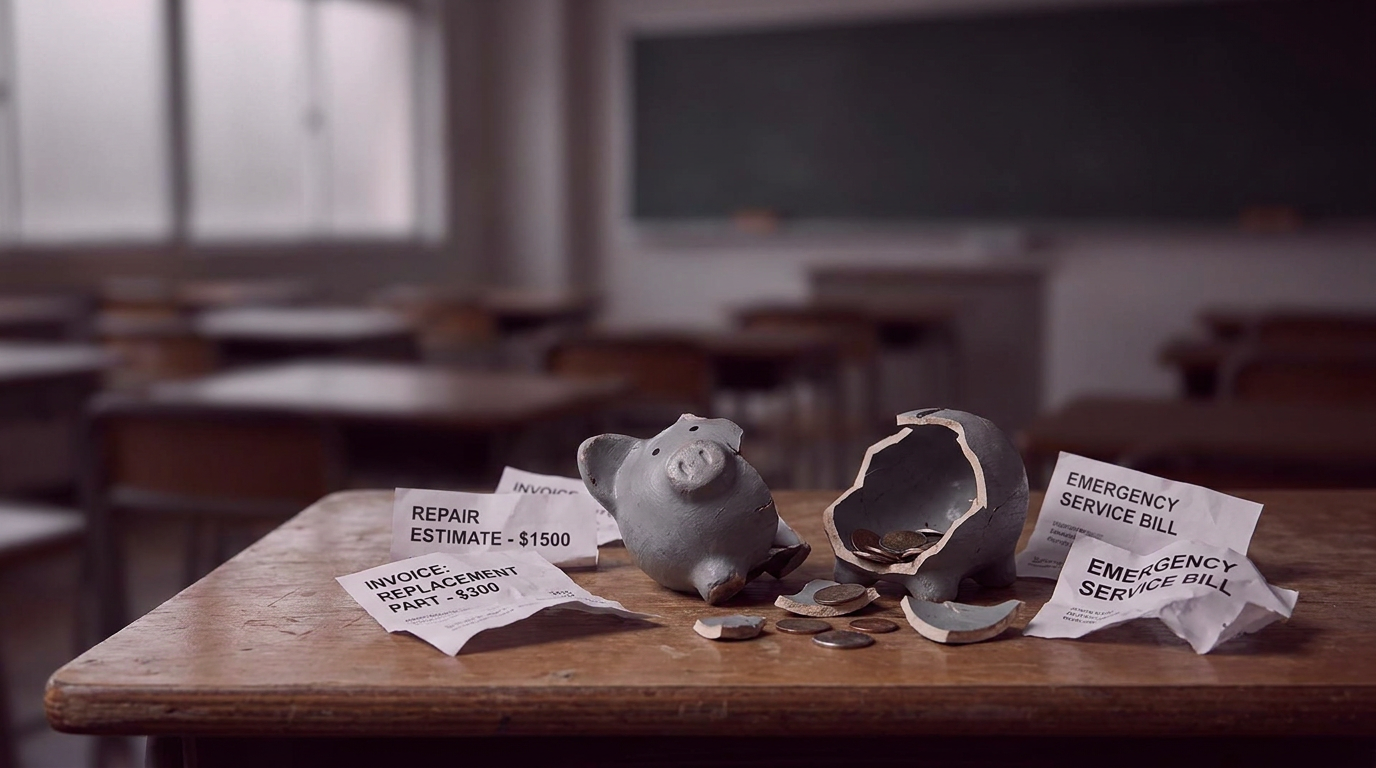
Following common school furniture myths is a tempting but dangerous strategy. It’s rooted in the idea that the lowest price on an invoice equals an effective deal. In our experience, this is rarely the case. This approach leads to a cycle of frequent replacements, unexpected repair costs, and potential liability issues, ultimately costing far more than a strategic, fact-based investment.
Pros:
- Low Initial Outlay: The upfront cost appears lower, which can seem attractive for a single budget cycle.
- Simplified Decision-Making: Choosing based on price alone is faster and requires less research.
Cons:
- Higher Total Cost of Ownership (TCO): Cheaply made furniture breaks more easily, leading to frequent re-ordering that drains budgets over time. A poor school furniture cost vs value proposition.
- Safety & Compliance Risks: Non-compliant furniture can lead to accidents and fails to meet legal standards set by the DfE and HSE.
- Negative Impact on Learning: Uncomfortable, poorly sized chairs can cause fidgeting and reduce concentration, directly hindering educational outcomes.
- Poor Durability: Low-grade materials and weak construction mean chairs and tables won’t withstand the rigours of a primary school classroom.
- Increased Staff Workload: Constant repairs and replacements create extra work for premises staff, Saving Time & Stress is not a feature of this approach.
What Makes a Fact-Based Approach a Strategic Investment?
Best for: Schools committed to long-term financial health, student wellbeing, and creating an optimal learning environment.
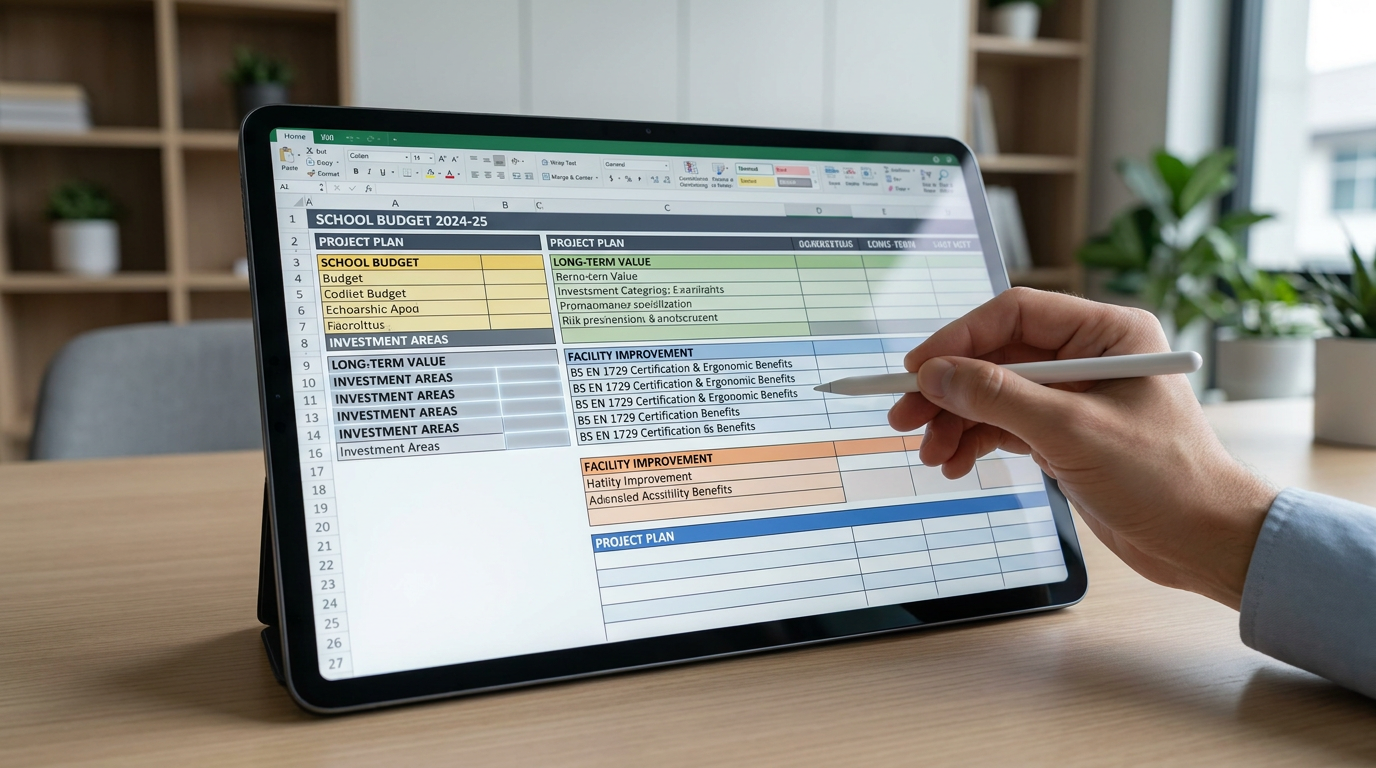
A fact-based procurement strategy is a cornerstone of a well-run school. It treats furniture not as a disposable commodity, but as a long-term asset that contributes to educational goals. This approach prioritises verified safety, well-supported by research classroom furniture durability, and the clear ergonomic school chairs benefits that support student development. It requires more consideration upfront but delivers substantial returns for years.
Pros:
- Lower Lifetime Costs: High-quality, durable furniture lasts significantly longer, offering a much better return on investment.
- likely to support Safety: Insisting on BS EN 1729 certification ensures all furniture is safe, stable, and appropriately sized for UK pupils.
- Improved Learning Outcomes: Ergonomic furniture supports good posture, which research from the Health and Safety Executive (HSE) (2022) links to better comfort and concentration.
- Supports Modern Teaching: Options for flexible classroom furniture pros and cons can be properly weighed to support dynamic, collaborative learning environments.
- Enhanced School Reputation: Investing in quality demonstrates a commitment to student welfare, which is valued by parents and Ofsted.
Cons:
- Higher Initial Investment: The upfront cost for certified, high-quality furniture is typically greater than for low-grade alternatives.
- Requires More Research: Verifying specifications and supplier credentials takes more time than simply choosing the cheapest option.
### Case Study: A Primary School’s Strategic Overhaul
- Challenge: A 200-pupil primary school in the North West was spending over £8,000 annually replacing broken chairs and tables. Their ‘buy-cheap’ strategy was failing, causing constant disruption and budget strain.
- Solution: We worked with the SBM to implement a fact-based procurement plan. Instead of another cheap replacement cycle, they invested in a full classroom suite of BS EN 1729-certified ergonomic furniture, using our Bulk Buy Discounts to maximise their budget.
- Results: The school’s annual replacement cost dropped by over 90% to less than £750 in the first three years. Staff reported improved pupil focus, and the SBM was able to reallocate over £20,000 in saved funds to other educational resources.
- Key Insight: Shifting focus from initial price to TCO unlocked significant long-term savings and improved the learning environment.
When to Choose Each Approach: A Decision Framework
Making the right choice is straightforward when you focus on your school’s long-term goals. The decision between a myth-based and a fact-based approach comes down to whether you are solving a short-term budget line item or making a long-term strategic investment in your school’s infrastructure.
Here’s a simple guide to help you decide:
- Choose the ‘Myths’ approach if… You are under extreme, immediate pressure to spend the absolute minimum amount possible for a very short-term need (e.g., temporary seating for a single event) and accept the high likelihood of replacement, potential safety risks, and poor long-term value. We’ll be honest – we can’t recommend this for core classroom furniture.
- Choose the ‘Facts’ approach if… You are a responsible steward of the school’s budget and are committed to student safety and educational excellence. Choose this path if you want to reduce long-term costs, guarantee compliance, improve learning environments, and make an investment that will serve your school for a decade or more.
The Tie-Breaker: If you are still unsure, ask yourself this question: ‘Will this purchase still be providing value in five years?’ If the answer is no, you are likely following a myth. A fact-based decision provides value that lasts.
Important Considerations
Before finalising any large-scale furniture purchase, it’s wise to consider a few key factors. This ensures your decision is not only well-informed but also perfectly aligned with your school’s unique circumstances.
First, research has its limitations. While studies from bodies like the World Health Organization (WHO) (2020) on sedentary behaviour provide a strong basis for ergonomic furniture, every school population is different. The specific height, age, and needs of your pupils should be the final guide in choosing size marks and styles. National data provides a great starting point, but on-the-ground reality is paramount.
Second, consider alternative approaches. For some schools, a complete, one-time overhaul isn’t feasible. A phased approach, replacing furniture in one year group at a time, can be a practical alternative. This allows you to adopt a fact-based strategy within your annual budget constraints. You could also explore a mix of static and flexible furniture to balance cost and pedagogical goals.
Finally, know when to consult a professional. If you are planning a new build, a major refurbishment, or simply lack the time to manage a complex procurement process, seeking expert help is a sound investment. At Cost Cutters UK, our “Design To Install We Do It All!” service is built for this. We can help with everything from space planning and product selection to delivery and installation, Saving Time & Stress and ensuring you get it right the first time.
Frequently Asked Questions (FAQ)
What are Primary School Furniture Myths vs Facts?
This refers to the critical process of separating common, costly misconceptions from evidence-based truths when buying furniture for schools. Myths often focus on upfront price alone, whereas facts prioritise long-term value, certified safety like BS EN 1729 compliance, and the impact on learning. Making this distinction is vital for responsible school procurement.
What is the biggest myth about school furniture cost?
The most damaging myth is that the cheapest initial price represents an effective value for money. This ignores the Total Cost of Ownership (TCO). A cheap, non-certified chair that breaks in two years is far more expensive than a slightly pricier, fully-certified chair that lasts for ten years, a key point in any school furniture cost vs value analysis.
How does BS EN 1729 debunk safety myths?
This standard provides a factual, evidence-based benchmark for safety and ergonomics, replacing guesswork. A common myth is that you can judge a chair’s safety by its appearance. BS EN 1729 tests for specific stability, strength, and durability criteria, ensuring a chair won’t tip over easily or collapse under the stresses of school use. You can learn more in our definitive BS EN 1729 Guide.
Are ergonomic chairs really worth it for primary schools?
Yes, the benefits of ergonomic chairs for children are well-documented and deliver significant value. A fact-based approach recognises that correctly sized furniture improves posture and comfort, which are directly linked to a child’s ability to concentrate. The myth that ‘any chair will do’ ignores the long-term health and educational impact of poor seating.
Is plastic or wooden furniture better?
Neither material is inherently better; the ‘fact’ is that the quality of the material is what matters. A common myth is that wood is typically more durable than plastic. However, high-impact polypropylene can be more reliable and easier to maintain than cheap, soft wood. A fact-based decision involves comparing the specifications of the materials, not just their type. Check our guide on Wooden vs Plastic School Furniture for more detail.
Do I need flexible furniture in every classroom?
No, this is a myth; you should match furniture to your teaching style and space. While flexible furniture offers great benefits for collaborative work, it isn’t a universal solution. A fact-based approach involves analysing your pedagogical needs. For some subjects or year groups, more traditional layouts may still be more effective. The key is purposeful selection.
Can a supplier’s reputation replace the need for certification?
No, you should rarely substitute a supplier’s reputation for factual evidence of compliance. Whilst working with a trusted supplier who is Rated Excellent On Trustpilot is important, you must still insist on seeing proof of BS EN 1729 certification for relevant products. A reputable supplier will have this information readily available as a matter of course.
Does bright-coloured furniture improve learning?
This is a popular myth; while aesthetics matter, colour alone does not directly improve learning. Colour can affect mood and help define zones, but it is not a substitute for core factual requirements like ergonomics and safety. A fact-based approach prioritises function first, then uses colour and design to enhance the well-planned space, not to compensate for poor-quality items.
Is it cheaper to buy from a non-specialist supplier?
It might seem cheaper initially, but it’s a myth that this provides better value. Specialist educational suppliers understand the facts of school environments – durability, safety standards, and TCO. Non-specialists often sell furniture designed for light domestic use, which will not withstand a classroom environment, leading to rapid and costly replacements.
Can we manage procurement ourselves to save money?
It’s a myth that a DIY approach is typically cheaper, as it can have significant hidden time costs. While possible, managing a large project yourself can divert you from other critical duties. Using a service that can manage everything from design to installation often provides better value by ensuring an optimised layout and preventing costly mistakes.
Conclusion: The Clear Winner for Your School
In the crucial debate of primary school furniture myths vs facts, the evidence overwhelmingly supports a fact-based strategy. While myths offer the tempting illusion of short-term savings, they inevitably lead to higher costs, safety risks, and a compromised learning environment. By focussing on Total Cost of Ownership, insisting on full BS EN 1729 compliance, and valuing ergonomics, you make a strategic investment that benefits your budget, your staff, and most importantly, your students for years to come.
At Cost Cutters UK, we’ve built our 35-year reputation on this fact-based philosophy. We are committed to being a trusted partner for schools, providing furniture that delivers well-supported by research long-term value. Whether you’re looking for a single classroom refresh or a whole-school fit-out, we can help. We offer Bulk Buy Discounts for larger projects and flexible payment options, including Credit Accounts Or Pay Flexibly, to suit your budget. Explore our range or contact our expert team today for a free space plan and quote.
References
- Health and Safety Executive (HSE) (2022) – government guidance. Provides official UK legal guidance and practical advice for setting up workstations, including details on seating and layout to comply with Health and Safety regulations.
- Department for Education (EYFS Framework) (2024) – government framework. The statutory Early Years Foundation Stage framework details safeguarding and welfare requirements, including the safety and suitability of equipment and premises.
- British Educational Suppliers Association (BESA) (2023) – professional organisation code of practice. BESA’s Code of Practice ensures members supply products that are fit for their intended purpose in an educational context, adhering to high standards of safety and quality.
- World Health Organization (WHO) (2020) – international body guidelines. The WHO’s guidelines on physical activity and sedentary behaviour provide the global health basis for encouraging movement and good posture in schools.
- LinkedIn (2023) – professional discussion. An article discussing the general importance of separating facts from myths in a business context, highlighting how evidence-based decisions lead to better outcomes.
- FactMyth.com (2024) – informational website. Provides general analysis on how myths are formed and perpetuated, contrasting them with verifiable facts, which is relevant to understanding how school procurement myths spread.
- Mythopia on Quora (2022) – user-generated content platform. A community discussion explaining the fundamental difference between objective facts and subjective or untrue myths, illustrating the core theme of this article.
- Statista (2024) – research data. Provides market data on the UK furniture industry, indicating the scale and financial importance of making correct procurement decisions.