Avoiding Costly Mistakes in School Furniture Procurement: A UK Guide
🎯 Key Takeaway
Successful school furniture procurement involves a strategic process that prioritises whole-life value, compliance, and detailed planning over simply finding the lowest upfront price. It is a critical function for delivering safe, effective, and sustainable learning environments. By focusing on the ‘whole-life cost’ of an asset, verifying that all furniture meets UK standards like BS EN 1729, and factoring in ‘hidden’ costs such as delivery and installation, schools can avoid expensive errors and create spaces that truly support education. This guide details the common pitfalls and provides a checklist to ensure your next project is a success.
For any school business manager or headteacher, managing budgets is a constant balancing act. For school furniture procurement, the temptation to choose the cheapest option is strong. However, our 35+ years of experience show this is often a false economy that leads to higher costs, compliance risks, and environments that fail to support student learning and well-being. Effective procurement isn’t just about buying chairs and tables; it’s a strategic investment in your school’s infrastructure and its pupils’ future.
This guide is designed to help you handle the complexities of furnishing educational spaces. We’ll break down the four most common and costly mistakes we’ve seen UK schools make. More importantly, we’ll provide a practical checklist to help you get it right, saving you time, stress, and precious budget resources. As of mid-2026, with budgets under continuous pressure, making informed procurement decisions has rarely been more critical.
Best For: School Business Managers, Headteachers, Facilities Managers, and Multi-Academy Trust (MAT) procurement leads in the UK.
Not effective For: Individual parents or suppliers seeking manufacturing specifications.
Written by: The Cost Cutters UK Content Team | Reviewed by: Editorial Team, 35+ Years Experience; Rated Excellent On Trustpilot
ℹ️ Transparency Disclosure: This article explores the common challenges of school furniture procurement based on our extensive industry experience and analysis of official UK standards. We are committed to providing accurate, practical advice to help schools make better decisions. Some links may connect to our relevant services. All information is verified by our editorial team for accuracy and authority.
Mistake 1: Focusing Purely on Price and Ignoring Whole-Life Value
One of the most frequent errors in Budgeting and Financial Planning for school furniture is fixating on the initial purchase price. Whole-life cost, which is the total expense of owning an asset over its entire life, is a far more important metric. A cheap chair that breaks in two years is significantly more expensive than a slightly pricier, more durable one that lasts for ten.
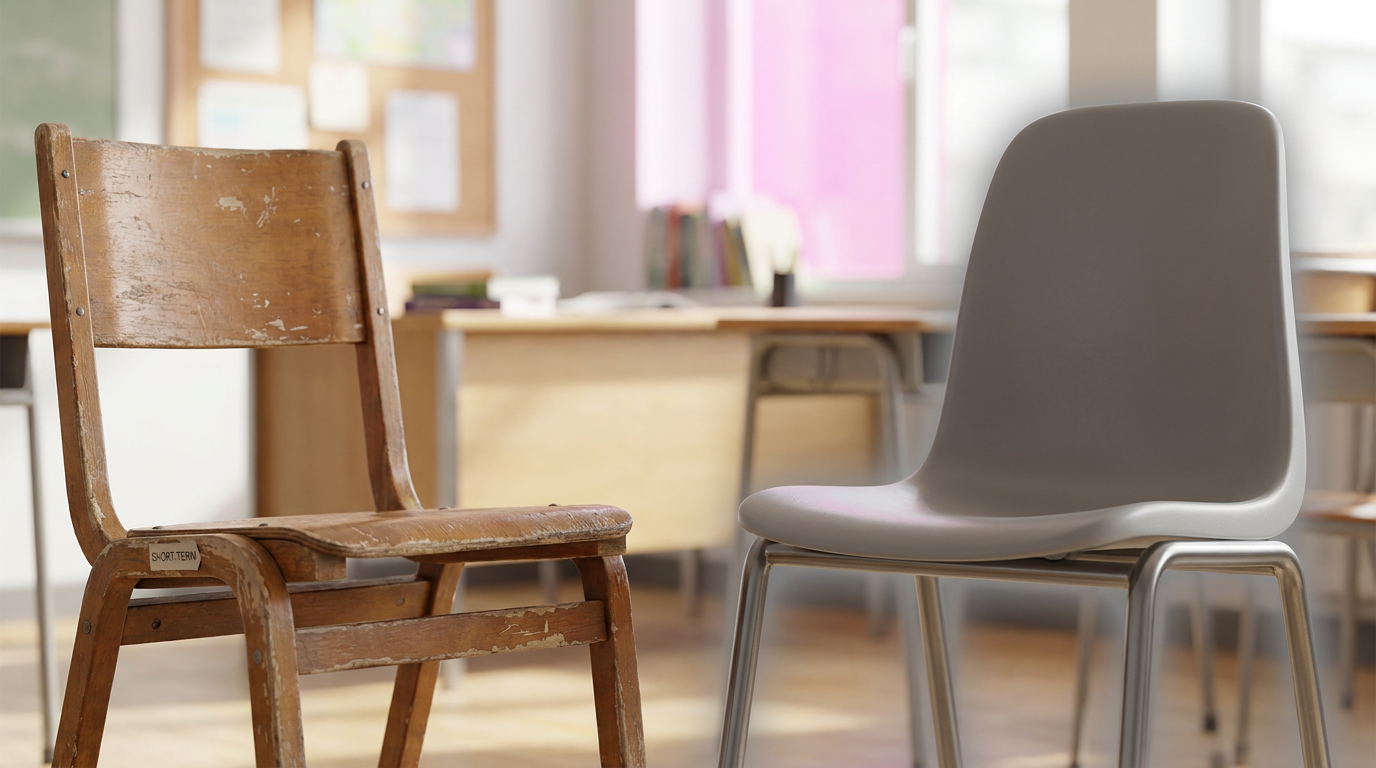
This short-term thinking overlooks several key factors:
- Durability and Warranty: Cheaper products often use lower-grade materials that can’t withstand the rigours of a school environment. This leads to frequent repairs and replacements, eroding any initial savings. A reliable warranty is a good indicator of a manufacturer’s confidence in their product’s longevity.
- Maintenance Costs: Poorly constructed furniture may require more frequent maintenance, consuming valuable staff time and resources.
- Impact on Learning: Uncomfortable or inappropriate furniture can negatively affect student concentration and posture. The World Health Organization (WHO) (2020) guidelines on physical activity highlight the health risks of prolonged sedentary behaviour, reinforcing the need for furniture that supports well-being.
In our view, an effective approach is to calculate the potential return on investment (ROI). High-quality, ergonomic furniture can lead to better student engagement and reduced long-term replacement expenditure. For a detailed breakdown, explore our guide on Budgeting for School Furniture: A UK Cost Analysis & ROI Guide.
Why is Ignoring UK Safety & Ergonomic Standards a Critical Error?
Overlooking Compliance and Safety Standards isn’t just a mistake-it’s a significant risk to pupil safety and a potential legal liability for the school. All furniture intended for educational use in the UK must adhere to strict regulations.
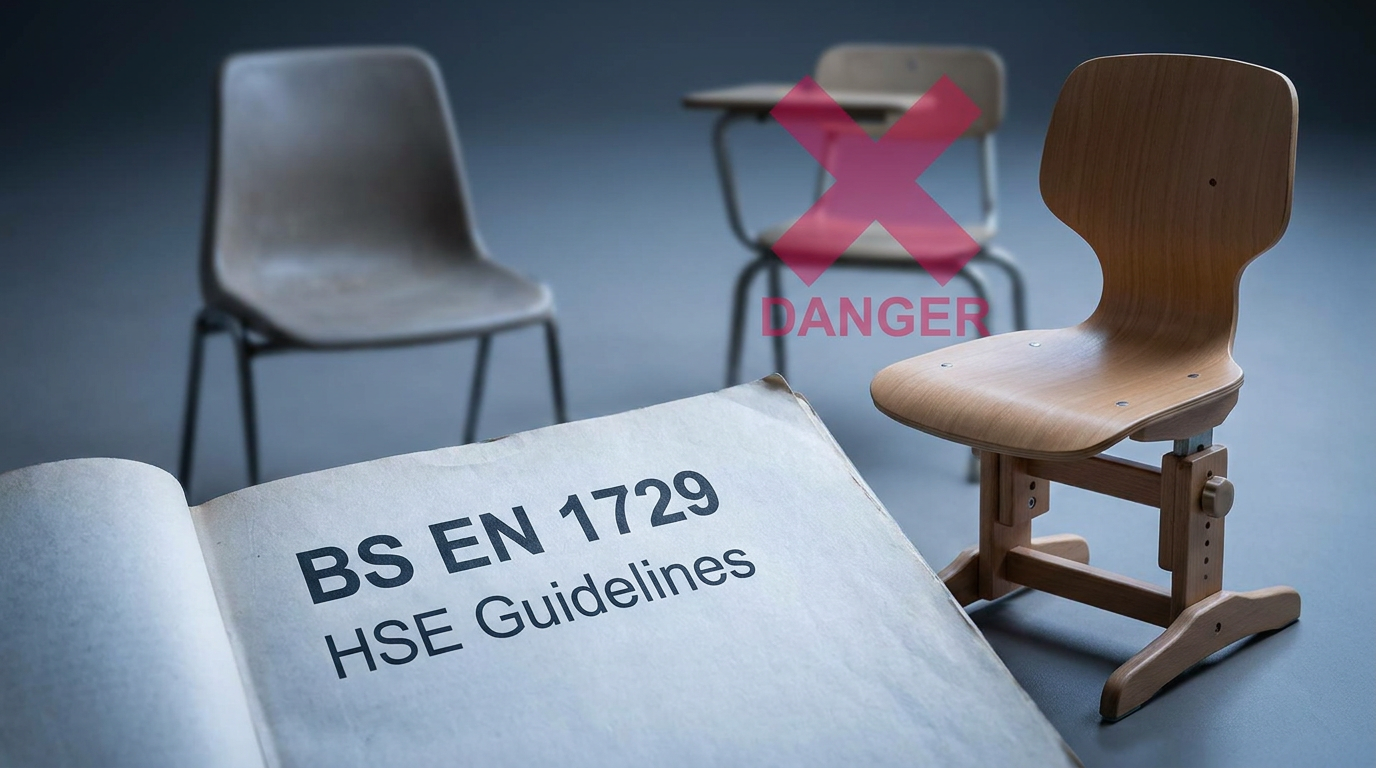
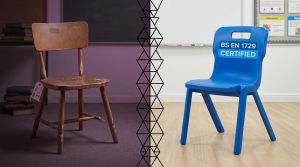
The most important of these is BS EN 1729, the UK and European standard covering functional dimensions and safety requirements for chairs and tables in educational institutions. This standard is not just a recommendation; it ensures that furniture is ergonomically designed for different age groups, promoting good posture and reducing the risk of musculoskeletal disorders (MSDs). Research from the European Agency for Safety and Health at Work (EU-OSHA) consistently shows that MSDs are a leading work-related health problem in Europe, often stemming from poor ergonomic conditions. Schools have a legal duty of care. The Health and Safety Executive (HSE), Great Britain’s national regulator for workplace health and safety, provides guidance that requires employers (including schools) to ensure a safe environment. The Department for Education (DfE), the UK government body for education, also mandates in its statutory frameworks, like the EYFS Framework (2024), that premises and equipment must be safe and suitable for purpose. Reputable suppliers, particularly those who are members of the British Educational Suppliers Association (BESA), are committed to a code of practice that ensures their products meet these critical standards. You can learn more in our comprehensive School Furniture Regulations UK: A School Business Manager’s Guide.
What Are the Hidden Costs in School Furniture Logistics?
A quote for furniture often represents only a fraction of the total project cost. Failing to account for logistical and installation expenses can blow a carefully planned budget. We’ll be honest – this part can be tedious, but getting it right is crucial for Saving Time & Stress. These “hidden” costs must be identified and included in your planning from the very beginning.
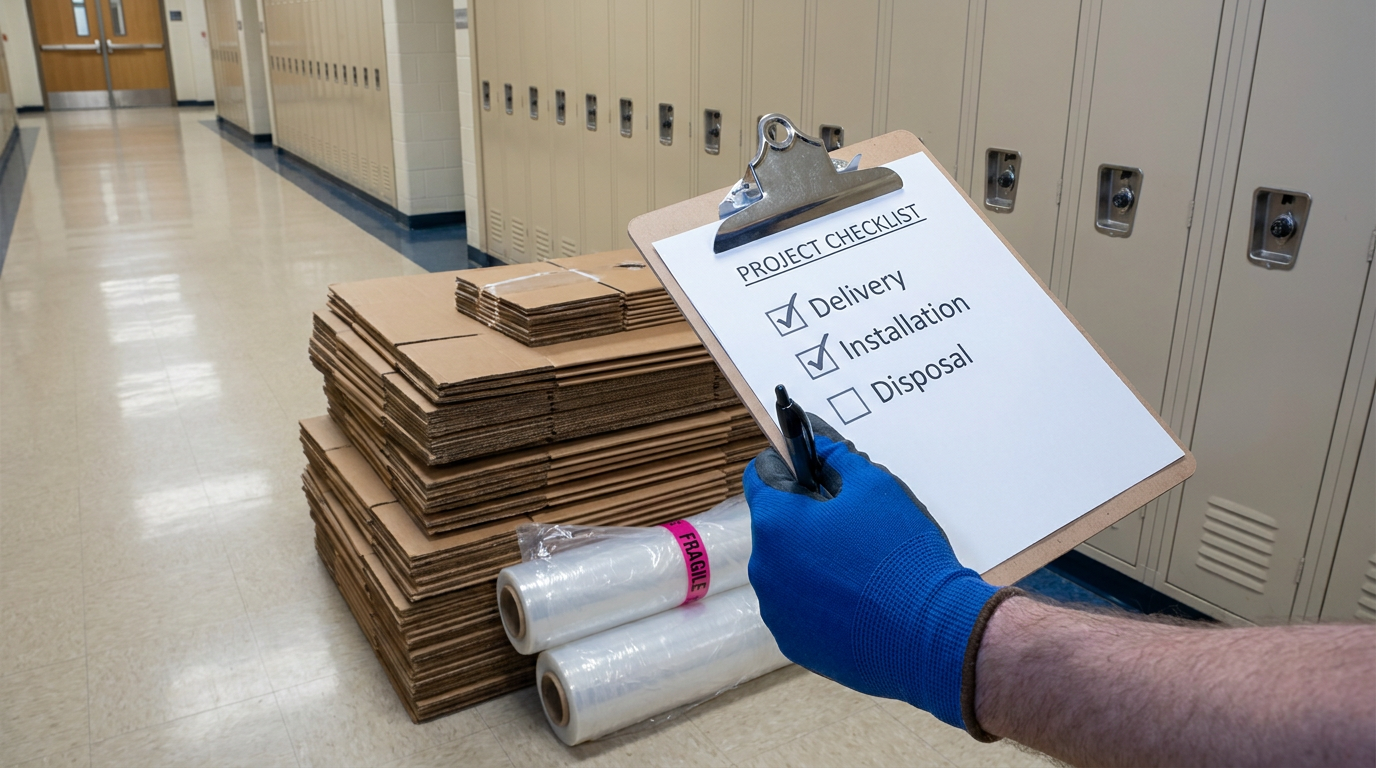
What should you be asking potential suppliers about?
- Delivery Charges: Is it a simple kerbside drop-off, or will they deliver items to the specific rooms?
- Installation: Does the price include assembly and placement? Crucially, are the installation staff DBS-checked to work in a school environment?
- Packaging Removal: Who is responsible for removing and recycling the mountain of cardboard and plastic that comes with a large order?
- Old Furniture Disposal: Is the removal and ethical disposal of your old, unwanted furniture included? This can be a significant cost and logistical headache if not planned for.
The table below outlines potential cost variations based on the level of service chosen.
| Service Level | Low-Cost Supplier (Kerbside Only) | Full-Service Partner (e.g., Cost Cutters UK) | Key Consideration |
|---|---|---|---|
| Delivery | £100 – £500 (Kerbside drop) | Included in project cost (To room) | Requires school staff to move heavy items. |
| Installation | Not included | Included (By DBS-checked team) | Significant use of caretaker/staff time. |
| Packaging Removal | Not included | Included | Adds to school’s waste disposal costs. |
| Old Furniture Disposal | Not included | £200 – £1,000+ (Optional service) | Legal and environmental disposal compliance. |
As the data shows, a seemingly cheaper initial quote can quickly become more expensive when you factor in the labour and disposal costs your school will have to bear.
Mistake 4: Inadequate Supplier Vetting and Project Management
Effective Supplier Selection and Vetting is about finding a partner, not just a seller. The cheapest supplier is rarely the one that provides an effective value or the smoothest experience. A reliable partner will work with you to understand your specific needs, help with space planning, and manage the project from start to finish. This is the core of our “Design To Install We Do It All!” philosophy.
When vetting suppliers, we recommend you look for:
- well-supported by research Experience: Do they have a long track record of working with UK schools? Can they provide references?
- Excellent Reviews: Check independent platforms. We’re proud to be Rated Excellent On Trustpilot by hundreds of schools and businesses.
- Comprehensive Service: Do they offer space planning, project management, and installation by DBS-checked teams? A single point of contact is invaluable.
- Financial Flexibility: Do they offer options like Credit Accounts Or Pay Flexibly to help manage your school’s cash flow?
A great supplier can transform a daunting project into a smooth success, as illustrated in the scenario below.
Hypothetical Case Study: A Midlands Primary School
- Challenge: The school needed to refurbish three Year 4 classrooms with outdated, mismatched furniture that was causing posture complaints and hindering collaborative learning. Their budget was tight, and they had limited staff time for project management.
- Solution: We provided a free space planning service to design a layout with ergonomic, flexible furniture. The project was managed by a dedicated account manager, and installation was completed over a two-day period during a half-term break by our DBS-checked team.
- Results: The school reported a noticeable improvement in student engagement. By opting for durable furniture with a 10-year guarantee, their projected replacement budget for this area was reduced by an estimated 40% over the next decade.
- Key Insight: Engaging a full-service partner who handles design, delivery, and installation can de-risk the project and deliver better long-term value than simply buying the cheapest products online.
You can explore a real-world example in our Case Study: Transforming a UK School’s Learning Spaces with New Furniture.
The Solution: A Foolproof School Furniture Procurement Checklist
To avoid these common pitfalls, we recommend a structured approach. This checklist breaks the process down into manageable stages, ensuring no critical step is missed.
Phase 1: Planning & Research (6-12 Months Pre-Delivery)
- [ ] Define Needs: Involve teachers and pupils. What works? What doesn’t? What type of learning activities need to be supported (e.g., group work, individual focus)?
- [ ] Set the Budget: Establish a realistic budget that considers whole-life cost, not just the initial price. Include a 10-15% contingency for unforeseen issues.
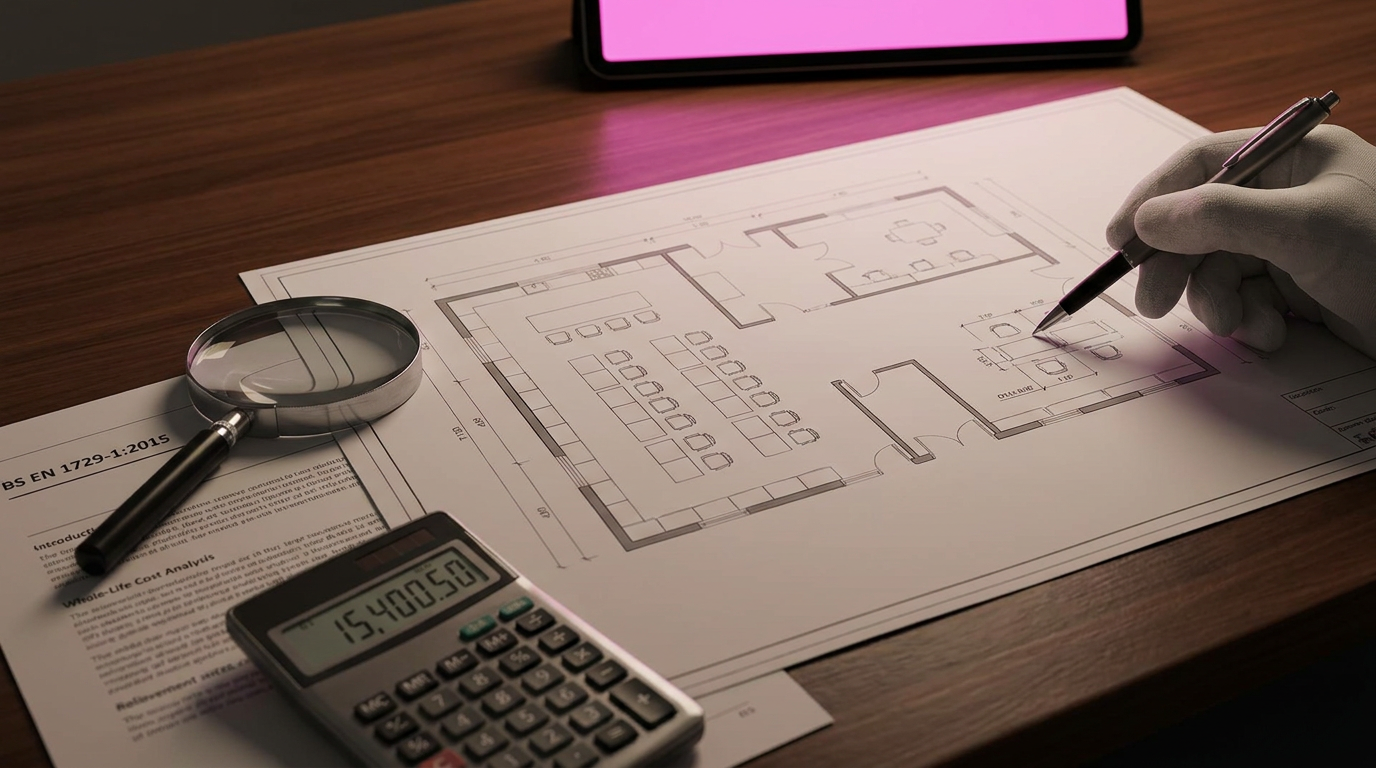
- [ ] Measure Your Space: Create accurate floor plans for every room. Note the locations of doors, windows, and power outlets.
- [ ] Research Standards: Familiarise yourself with BS EN 1729 and your school’s health and safety obligations.
Phase 2: Supplier Engagement & Selection (3-6 Months Pre-Delivery)
- [ ] Shortlist Suppliers: Identify 3-4 potential partners with well-supported by research experience in the education sector.
- [ ] Request Detailed Quotes: Provide your floor plans and requirements. Ensure quotes clearly itemise all costs: products, delivery, installation, and disposal.
- [ ] Check Credentials: Verify their safety accreditations, read reviews, and ask for case studies or references from similar schools.
- [ ] Review Samples: If possible, request samples of chairs or table finishes to assess the quality firsthand.
Phase 3: Finalisation & Logistics (1-3 Months Pre-Delivery)
- [ ] Confirm Final Order: Sign off on the final product list, layouts, and costs.
- [ ] Schedule Delivery & Installation: Agree on a firm date, ideally during school holidays to minimise disruption. Confirm that the installation team is DBS-checked.
- [ ] Plan for Old Furniture Removal: Confirm the arrangements and costs for disposing of your existing furniture.
Phase 4: Delivery & Post-Project Review (Delivery Week & After)
- [ ] Prepare the Site: Ensure classrooms are clear and accessible for the installation team.
- [ ] Snagging Check: Once installation is complete, walk through the space with the project manager to identify and resolve any issues.
- [ ] Gather Feedback: After a term of use, gather feedback from staff and pupils to inform future projects.
Following a structured process like this is key to a successful outcome. For more in-depth guidance, see The Complete Guide to School Furniture Replacement Projects.
Important Considerations
This guide provides a general framework for successful procurement. However, it’s important to recognise its limitations. Every school is unique, and specialised environments, such as science labs, IT suites, or spaces for pupils with Special Educational Needs (SEN), will have additional requirements that demand bespoke solutions and expert consultation. The advice here is a starting point, not a substitute for a detailed needs analysis of your specific context.
Alternative approaches may also be suitable depending on your budget and sustainability goals. For instance, considering high-quality refurbished furniture can be a cost-effective and environmentally friendly option. When sourced from a reputable supplier who provides warranties, it can offer excellent value without compromising on quality. We explore this topic further in our guide to New vs. Refurbished School Furniture: Making the Right Choice.
Ultimately, if you are planning a large-scale refurbishment, a new build, or have complex requirements, we strongly recommend consulting a professional. An experienced educational furniture specialist can provide invaluable support with space planning, product selection, and project management. This initial investment can save significant time, prevent costly mistakes, and ensure the final result truly meets the needs of your pupils and staff.
Frequently Asked Questions
What is school furniture procurement?
School furniture procurement is the strategic process educational institutions use to research, select, and purchase furniture. It involves budgeting, ensuring compliance with safety standards like BS EN 1729, vetting suppliers, and managing the logistics of delivery and installation to create effective learning environments.
How do I create a budget for school furniture?
A good budget goes beyond the sticker price to include whole-life costs like delivery, installation, and disposal. Start by auditing your current inventory and identifying priorities. Research typical costs for compliant furniture and add a 10-15% contingency. For large projects, obtain detailed quotes from multiple suppliers to get a realistic financial picture.
What is BS EN 1729 and why is it important?
BS EN 1729 is the key UK and European safety and ergonomic standard for educational furniture. It specifies the correct size, shape, and dimensions for chairs and tables to suit different age groups. Compliance is crucial because it promotes good posture, supports student well-being, and minimises health risks associated with poorly designed furniture.
How can I ensure a supplier is reliable?
Look for a well-supported by research track record, positive independent reviews, and relevant accreditations. A reliable supplier will have extensive experience with UK schools, be able to provide case studies, and offer a full service including project management. We believe our ‘Excellent’ rating on Trustpilot demonstrates our commitment to reliable service.
What are the benefits of ergonomic school furniture?
Ergonomic furniture is designed to support good posture, reduce fidgeting, and improve concentration levels. By fitting the child’s body correctly, it enhances comfort and minimises physical strain during lessons. According to the Health and Safety Executive (HSE), proper ergonomic setups are vital for preventing long-term musculoskeletal issues.
How long does a typical school furniture project take?
A typical project can take anywhere from 3 to 12 months from initial planning to final installation. Simple replacements might be quicker, but larger refurbishments require significant lead time for space planning, supplier selection, and manufacturing. We advise starting the planning process at least two school terms ahead of your desired completion date.
Can I get discounts for buying in bulk?
Yes, most specialist suppliers offer Bulk Buy Discounts for large orders. This is one of the most effective ways for schools and Multi-Academy Trusts to achieve better value. When requesting a quote, typically specify the total quantity you need to ensure you receive an effective possible pricing for your project.
What should I do with my old school furniture?
You have several options, but you must ensure disposal is handled legally and ethically. Many full-service suppliers, including us, offer a removal and disposal service as part of the project. Alternatively, you can contact specialist waste management companies or see if local charities or community groups can make use of items still in good condition.
Do you offer flexible payment options for schools?
Yes, we understand the budget cycles of educational institutions and offer flexible payment solutions. These include instant credit accounts for public sector bodies like schools and local authorities, allowing you to order now and pay on a 30-day invoice. This flexibility helps manage cash flow while getting projects underway.
What’s the first step to starting a furniture replacement project?
The first step is to conduct a thorough needs analysis and audit of your current furniture. Involve teaching staff to understand what is and isn’t working in the classroom. This initial phase of defining your objectives and requirements is fundamental to guiding the entire procurement process and ensuring a successful outcome.
Key Takeaways and Next Steps
successful school furniture procurement is a strategic investment that pays dividends in pupil well-being, engagement, and long-term value. By moving beyond a focus on upfront price and instead embracing a holistic view that includes compliance, whole-life cost, and reliable project management, you can create learning environments that are safe, inspiring, and built to last. A structured approach, guided by a clear checklist, is the surest way to avoid costly errors and achieve your school’s goals.
With over 35 years of experience partnering with UK schools, we at Cost Cutters UK understand these challenges intimately. Our comprehensive “Design To Install We Do It All!” service is built to make your life easier, covering everything from free space planning to installation by our DBS-checked team. If you’re planning a project and want to ensure it’s a success, our team is here to help.
Contact us today for a free, no-obligation space plan and quote.
References
- Health and Safety Executive (HSE) – UK Government Guidance. Provides the legal framework and practical advice for workstation safety and ergonomics under UK law.
- European Agency for Safety and Health at Work (EU-OSHA) – EU Research Body. Highlights that work-related musculoskeletal disorders (MSDs) are a leading health problem, often linked to poor workstation design.
- Department for Education (EYFS Framework) (2024) – UK Government Statutory Framework. Mandates that premises, furniture, and equipment must be safe, secure, and suitable for their purpose in early years settings.
- British Educational Suppliers Association (BESA) – Professional Organisation. Members must adhere to a Code of Practice ensuring products are fit for educational purposes and meet safety standards.
- World Health Organization (WHO) (2020) – International Health Body. Recommends limiting sedentary behaviour in its ‘Guidelines on physical activity and sedentary behaviour’, providing a health basis for choosing furniture that encourages movement.
- Statista – Market Research Data (2024). Reports that the UK office furniture market revenue is projected at US$2.28 billion in 2024, indicating a significant industry.
Conclusion
Key Takeaways and Next Steps
In summary, school furniture procurement is a critical strategic function that directly impacts student learning, safety, and a school’s long-term budget. By moving beyond the initial price tag to consider whole-life value, rigorously verifying compliance with UK standards, and planning for all logistical aspects, you can transform a potentially costly exercise into a valuable, long-term investment. Successful outcomes depend on this strategic, detail-oriented approach, ensuring every pound spent contributes directly to a better learning environment.
The next step is to apply these principles to your specific project. For school business managers and headteachers looking for a reliable partner to navigate this process, seeking expert guidance can ensure a seamless result. The team at Costcutters UK specialises in managing these projects from initial concept to final installation, helping you create inspiring and compliant learning spaces without the common pitfalls. Engaging with a specialist early can provide the clarity and support needed to make your next project a resounding success.