Nursery Furniture Buying Guide: Safety, Durability & Design
🎯 Key Takeaway
Selecting the right nursery furniture for an educational setting requires prioritising UK safety compliance (BS EN 1729), contract-grade durability, and designs that actively support the Early Years Foundation Stage (EYFS) curriculum. This guide provides a complete checklist for school business managers to procure furniture that is safe, long-lasting, and educationally valuable. The key is to view the purchase not as an expense, but as a long-term investment in the learning environment. This involves a focus on materials, construction, and supplier expertise.
Procuring equipment for an early years setting presents a unique challenge for school business managers and headteachers. For nursery furniture, the process is fundamentally different from a domestic purchase; it’s an investment in safety, compliance, and educational outcomes. Commercial-grade furniture is engineered to withstand the rigours of a high-traffic environment and must adhere to strict legal standards that simply don’t apply to items sold for home use. This guide provides a clear, authoritative framework for procuring the right early years furniture. We will cover the three core pillars: decoding safety standards, choosing for durability, and designing for development in line with the Early Years Foundation Stage (EYFS). With over 35 years of experience, we at Costcutters UK are specialists in this sector. You can learn more about our background on our About Costcutters UK page.
Written by: Cost Cutters UK Content Team | Reviewed by: Editorial Team, 35+ Years Experience; Rated Excellent On Trustpilot
Last updated: 17 June 2026
ℹ️ Transparency Disclosure: This article explores nursery furniture procurement for UK educational settings based on our 35+ years of industry experience and a detailed analysis of UK safety standards. For transparency, some links may connect to our services. All information is verified by our editorial team to ensure accuracy. Costcutters UK is a trusted partner for hundreds of schools and public sector organisations, a fact supported by our status as being ‘Rated Excellent On Trustpilot’.
What Are the UK Safety Standards for Nursery Furniture?
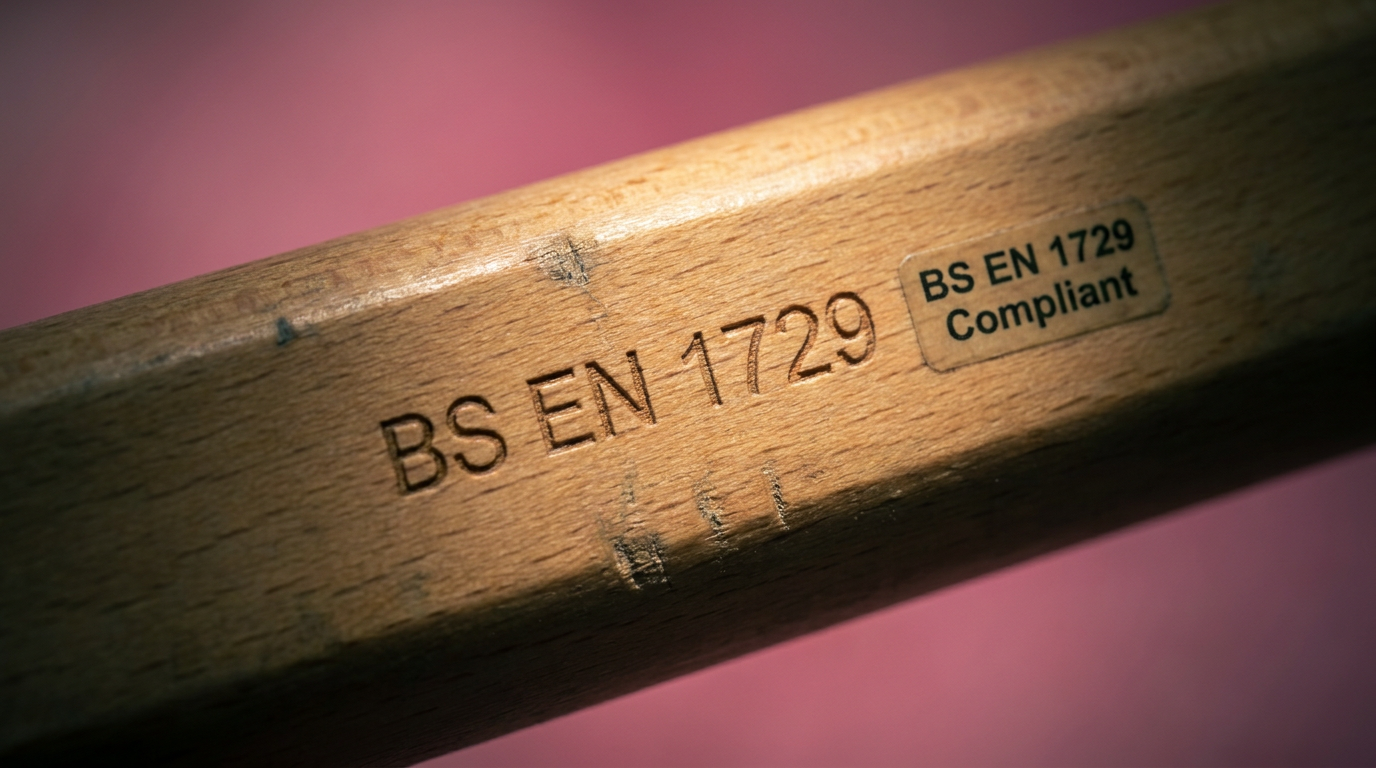
The most critical aspect of procuring nursery furniture is ensuring it meets all legal safety requirements, which is a non-negotiable for any UK educational or public setting. All furniture must be compliant with two key British Standards to ensure it is fit for purpose. The first is BS EN 1729, the British and European standard that defines the appropriate dimensions, strength, and stability for furniture used in educational institutions. Part 1 covers ergonomics and sizing to ensure good posture, whilst Part 2 tests for strength and durability, simulating years of demanding use. Compliance means a chair won’t tip if a child leans back and a table can withstand the daily impacts of a busy classroom.
The second mandatory standard is BS 5852, which governs fire retardancy. For furniture in public spaces like schools, the ‘Crib 5’ test is the required level. This ensures that fabrics and fillings resist ignition from a significant source, slowing the spread of fire and allowing crucial time for evacuation. A supplier must be able to provide certification for both standards.
Beyond these core standards, high-quality design incorporates further safety features. Look for non-toxic finishes with low Volatile Organic Compounds (VOCs), which are chemicals that can be harmful when inhaled. Also, features like anti-finger-trap hinges on storage units are a hallmark of purpose-built early years furniture designed with child safety as the top priority.
How Do I Choose Durable Materials for High-Traffic Nursery Furniture?
Choosing materials for nursery classroom furniture should be driven by Total Cost of Ownership (TCO), not just the initial price tag. While cheaper options may seem attractive, they often lead to higher costs through frequent repairs and replacements. Contract-grade furniture is specifically engineered for the intense use of a school environment. A discussion in Forbes (2025) on institutional procurement highlighted that long-term value is a more sustainable financial strategy than short-term savings. The construction is just as important as the material; look for robust mortise and tenon joints rather than simple screws, which can loosen over time. Edges should be rounded and sealed with a hard-wearing lacquer to prevent chipping and protect children from splinters. This focus on durable nursery furniture ensures your investment lasts.

The table below compares common materials used in nursery furniture:
| Material | Durability & Maintenance | Cost | Best For |
|---|---|---|---|
| Solid Beechwood | Exceptionally strong and can be sanded/refinished. Excellent for load-bearing frames and legs. Requires a sealed finish. | High | Chair frames, table legs, and premium storage units. |
| High-Pressure Laminate (HPL) | Highly resistant to scratches, stains, and heat. Very easy to clean and sanitise. Bonded to a core board (e.g., plywood). | Medium-High | Tabletops, shelves, and high-contact surfaces. |
| Plywood | Strong and stable due to its layered construction. Edges can be sealed for a modern, durable finish. Lighter than solid wood. | Medium | Storage units, shelving, and creative play furniture. |
| Melamine Faced Chipboard (MFC) | Lower cost but susceptible to chipping and water damage if the surface is breached. Not effective for high-impact use. | Low | Back panels on storage units or light-use items only. |
Our experience suggests that an effective durable nursery furniture often uses a combination of materials-for example, a solid beech frame with an HPL tabletop offers the well-suited blend of strength and surface resilience.
How Does the Right Nursery Furniture Support EYFS Learning Goals?
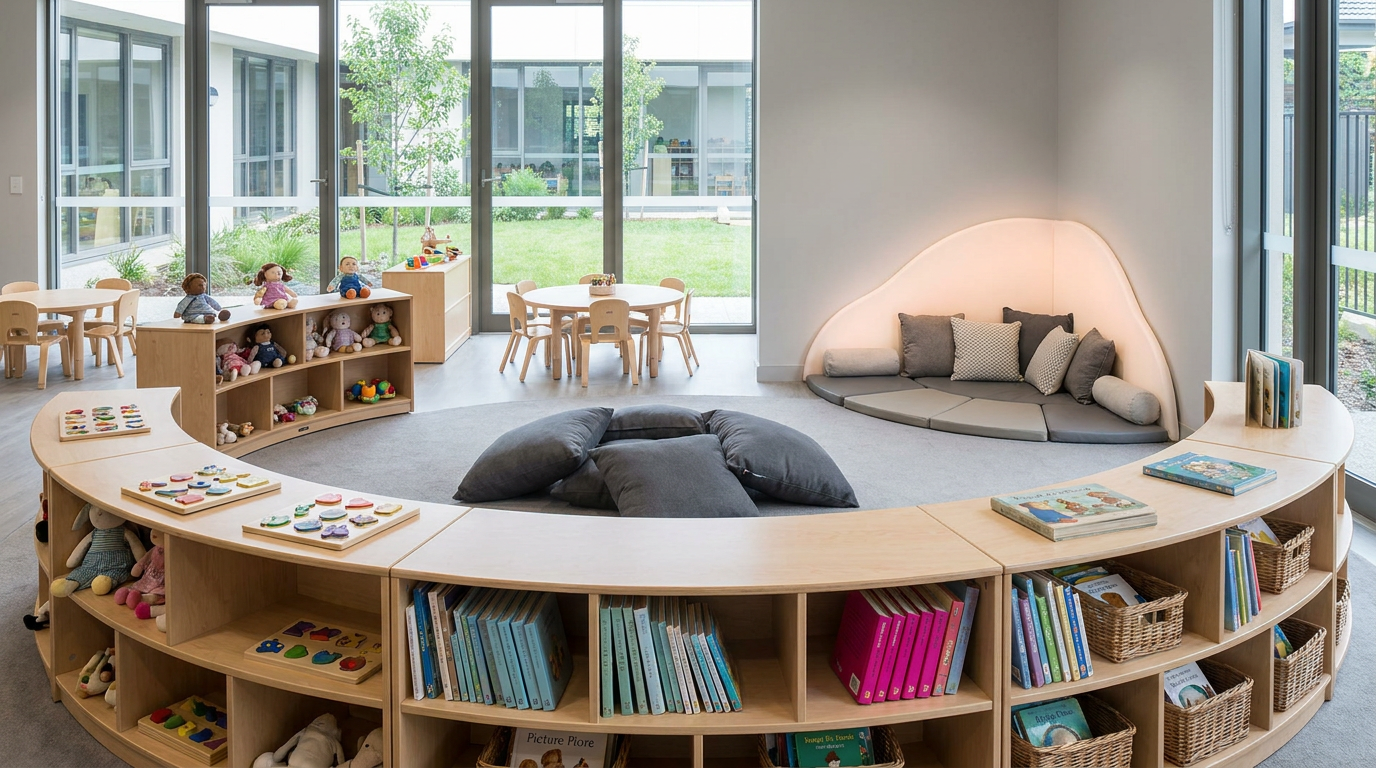
The right nursery furniture is an active tool in delivering the Early Years Foundation Stage (EYFS) curriculum by helping to create what the framework calls an ‘enabling environment’. Furniture should be chosen not just for function but to facilitate child-led learning, independence, and exploration. An analysis from a CNN (2026) report on childhood development emphasised that a child’s physical surroundings play a significant role in their cognitive and social growth. By using furniture to structure the classroom, you create clear ‘learning zones’ that guide behaviour and activity.
Here’s how specific furniture choices support EYFS furniture requirements:
- Communication and Language: A cosy reading corner, defined by low-level bookcases and soft seating, encourages children to gather, share stories, and develop language skills.
- Physical Development: Child-sized tables and chairs that conform to BS EN 1729 promote good posture. Open shelving units, where children can see and access resources themselves, encourage fine and gross motor skills as they select and tidy away items.
- Personal, Social and Emotional Development (PSED): Large tables for group activities foster collaboration, whilst smaller, defined play areas allow for independent or parallel play, helping children learn to share space and resources.
- Expressive Arts and Design: Low, accessible sand and water troughs, easels, and tables with easy-clean surfaces create a dedicated messy play and creative zone, empowering children to experiment without fear of making a mess.
By selecting from a range of dedicated early years furniture, you empower children to make their own choices, fostering the independence and confidence that are central to the EYFS.
Hypothetical Case Study: Sunny Sprouts Nursery
Challenge: A 30-place nursery in Manchester was struggling with a cluttered, disorganised space. Their existing domestic-grade furniture was failing, leading to frequent breakages and an environment that didn’t support structured play, which was noted in their Ofsted report.
Solution: We implemented our “Design To Install We Do It All!” service. Our team conducted a free space plan, designing distinct learning zones using compliant, durable nursery furniture. This included low-level storage to create a reading nook, multi-functional tables with HPL tops for creative play, and ergonomic seating.
Results: Within 6 months, the nursery reported a 40% reduction in furniture replacement costs. Staff observed a significant improvement in child-led activities and easier classroom management. Their subsequent Ofsted inspection praised the ‘well-designed and purposeful learning environment’.
Key Insight: Strategic space planning combined with the right furniture doesn’t just fill a room; it actively structures the educational day and saves money long-term, “Saving Time & Stress” for the staff.
What Is the Procurement Process for Nursery Furniture?
A structured procurement process ensures you acquire compliant, durable, and educationally valuable nursery furniture for schools while achieving an effective value. For School Business Managers, following a clear checklist minimises risk and ensures a successful outcome. We believe a methodical approach is essential.
Here is a practical, step-by-step guide:
- Needs Assessment & Audit: Before you buy anything, consult with your early years practitioners. What works? What doesn’t? Audit your existing furniture for safety, compliance, and condition. This informs your shopping list and prevents unnecessary spending.
- Budgeting for the True Cost: Your budget must account for more than the ticket price. Factor in Value Added Tax (VAT), delivery charges, and potential installation fees. Remember that investing more upfront in durable nursery furniture will reduce your TCO over time.
- Supplier Vetting: This is crucial. A credible supplier will be able to provide documentation proving BS EN 1729 and BS 5852 compliance. Check their reviews-are they ‘Rated Excellent On Trustpilot’? Do they have extensive experience with the education sector? A specialist supplier understands the unique demands of a school environment.
- Ordering & Logistics: Use formal purchase orders for clear record-keeping. Request official quotes that itemise all costs. Ask if the supplier offers Bulk Buy Discounts for larger orders or flexible payment options like Credit Accounts Or Pay Flexibly, which are designed for school budgeting cycles.
For a more detailed breakdown of purchasing for all key stages, you can review our complete school furniture procurement guide.
Frequently Asked Questions
What is nursery furniture?
Nursery furniture for an educational setting refers to specialised, contract-grade items designed for the safety, ergonomic needs, and developmental activities of children in early years environments. Unlike domestic furniture, it must meet strict UK safety standards for durability, stability, and fire retardancy to be compliant for use in schools and nurseries. This makes it a distinct category of commercial equipment.
What are the key UK safety standards for nursery furniture?
The two most critical standards are BS EN 1729 and BS 5852. BS EN 1729 ensures chairs and tables are of the correct size, strength, and stability for children’s use in an educational context. BS 5852 (specifically the Crib 5 test) relates to fire retardancy and is a legal requirement for furniture in UK public spaces, including schools.
How does furniture support the EYFS framework?
Furniture supports the EYFS by creating a well-structured ‘enabling environment’ that encourages learning and development. Low, open shelving promotes independence and choice. Distinct zones for different activities (e.g., reading, creative play) encourage exploration, and appropriately sized tables and chairs support good posture and collaborative tasks. This physical setup is fundamental to achieving EYFS goals.
What is the most durable material for nursery classroom furniture?
For overall durability, a combination of solid beechwood frames and high-pressure laminate (HPL) surfaces is often best. The solid wood provides immense strength for legs and frames, which is vital for safety and longevity. The HPL top offers superior resistance to scratches, stains, and the intense cleaning routines found in a nursery classroom furniture setting, ensuring excellent long-term value.
Should I choose solid wood or laminate furniture?
This depends on the item and budget, but often a mix is effective. Solid wood is exceptionally strong and repairable, making it well-suited for chair frames that take a lot of stress. Laminate surfaces, specifically HPL, are unbeatable for easy-clean, hygienic tabletops. Avoid cheaper, domestic-grade laminates like paper foil or vinyl wrap, as they will not withstand a school environment.
How can I make my nursery furniture budget go further?
Focus on total cost of ownership, not just the initial price, to maximise your budget. Investing in durable, contract-grade furniture prevents costly replacements every few years. Look for suppliers offering Bulk Buy Discounts, free delivery, and flexible payment options like credit accounts for schools. A free space planning service can also prevent expensive purchasing mistakes by optimising your layout first.
What are ‘learning zones’ and how does furniture help create them?
Learning zones are distinct areas within a classroom dedicated to specific activities, and furniture is the primary tool used to define them. For example, low-level bookcases can create a quiet reading corner, sand and water tables define a messy play zone, and large floor mats can designate a construction area. This organisation helps children understand and handle the learning environment effectively.
Is second-hand nursery furniture safe for a school?
It is generally not recommended and carries significant risks for any school or nursery. It’s almost impossible to verify if second-hand items meet current BS EN 1729 and fire safety standards, creating a major compliance and liability issue. Hidden wear and tear can also lead to unexpected breakages and safety hazards for children. New, compliant furniture is typically the safest investment.
Why is contract-grade furniture important for a nursery?
Contract-grade furniture is built and tested for the intense use of a commercial environment like a nursery. It uses stronger materials, more robust construction techniques (like mortise and tenon joints), and compliant finishes that domestic furniture lacks. Choosing contract-grade is essential for ensuring the safety of children, complying with UK regulations, and guaranteeing the furniture will last, providing better long-term value.
What are essential anti-finger-trap features?
Essential features include slow-closing hinges on toy boxes and storage units, and a 13mm gap on the vertical closing edge of doors. These mechanisms prevent a door from slamming shut, giving a child crucial time to move their fingers out of the way. This is a critical safety feature often found on high-quality, purpose-built early years furniture and storage units.
Important Considerations
This guide provides a comprehensive framework for procuring nursery furniture, but specific classroom needs can vary. The final selection should typically be made in consultation with early years practitioners who understand the unique dynamics and curriculum goals of their setting. Also, the standards and regulations mentioned are correct as of the publication date but are subject to change, so typically verify current requirements with your supplier.
While purchasing new, compliant furniture is the recommended approach, some settings may explore alternatives. Custom joinery can offer bespoke solutions for awkward spaces but is often more expensive and requires thoroughly vetting the joiner’s knowledge of BS EN 1729. Using second-hand furniture is strongly discouraged. The practice carries significant safety, compliance, and liability risks, because its history and conformity to standards cannot be likely to support.
For complex layouts, large-scale refurbishments, or if you are unsure how to maximise your space to meet EYFS goals, we recommend seeking professional guidance. A specialised supplier can provide a free, no-obligation design and space planning consultation. This expert input ensures your final furniture selection is not only compliant and durable but also perfectly tailored to create an optimal learning environment for children.
Your Next Steps to a Safe and Inspiring Nursery
Choosing the right nursery furniture is a critical investment in children’s safety, development, and your school’s long-term budget. By prioritising UK safety compliance, selecting durable nursery furniture designed for educational settings, and aligning every choice with the EYFS framework, you create an environment where children can thrive. This strategic approach moves beyond simple purchasing and becomes a fundamental part of educational delivery.
With over 35 years of experience partnering with UK schools, Costcutters UK understands these challenges. We provide fully compliant early years furniture and a free design and planning service to help you maximise your space and budget. Let our experts help you create a safe, durable, and inspiring nursery that will benefit your pupils for years to come.
References
- Costcutters UK: School Furniture Procurement Guide – Expert Guide. Details the importance of BS EN 1729 compliance and the UK Size Mark system for ergonomic furniture across all Key Stages.
- Costcutters UK: How to Choose Safe & Durable Early Years Furniture – Expert Guide. Focuses on material durability, non-toxic materials, and specific design features like anti-finger-trap hinges for nursery settings.
- Costcutters UK: Outdoor Learning Furniture Guide – Expert Guide. Explains how to extend EYFS principles to outdoor spaces and select furniture that withstands the UK weather.
- Costcutters UK: About Us – Brand Information. Establishes over 35 years of experience in providing comprehensive furniture and project solutions to the UK education sector.
- Forbes (2025) – Business Analysis. An article discussing procurement strategies for institutions found that focusing on Total Cost of Ownership (TCO) over initial price leads to greater long-term financial health and sustainability.
- CNN (2026) – Investigative Report. A report on childhood development and safety highlighted that the physical design of learning environments has a measurable impact on cognitive growth and wellbeing.
- Yahoo Sports (2025) – Engineering Feature. A feature on stadium infrastructure noted that materials and construction methods used for high-traffic public seating are engineered to withstand forces many times greater than domestic equivalents, a principle that applies to contract-grade furniture.
Conclusion
Your Next Steps to a Safe and Inspiring Nursery
In summary, choosing the right nursery furniture is a critical investment in children’s safety, development, and your school’s long-term budget. By prioritising UK safety compliance, selecting durable nursery furniture designed for educational settings, and aligning every choice with the EYFS framework, you create an environment where children can thrive. This strategic approach moves beyond simple purchasing and becomes a fundamental part of educational delivery.
With over 35 years of experience partnering with UK schools, Costcutters UK understands these challenges. We provide fully compliant early years furniture and a free design and planning service to help you maximise your spac