School Equipment Checklist: The Ultimate UK Procurement Guide for 2026
🎯 Key Takeaway
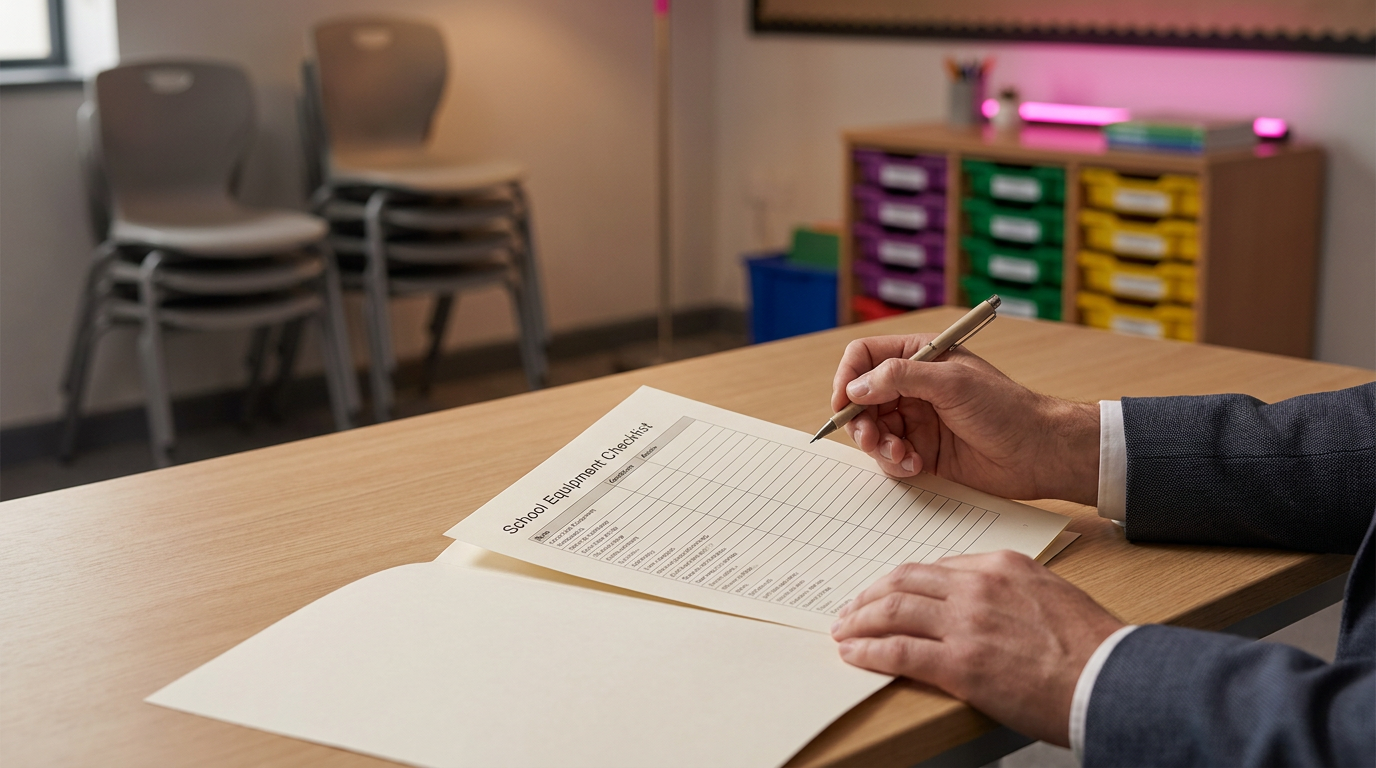
A comprehensive school equipment checklist for UK procurers provides a strategic catalogue of all furniture, technology, and specialist fittings required for a modern learning environment, moving far beyond simple stationery lists. This master document is essential for accurate budgeting and compliant procurement. We’ve found that by categorising all essential school equipment by zone (e.g., classroom, library, canteen), school leaders can ensure no area is overlooked during a new build or refurbishment project. Prioritising furniture that is compliant with UK standards like BS EN 1729 ensures long-term value and student wellbeing. Integrating procurement considerations directly into your checklist streamlines the entire process, from initial quote to final installation.
A well-structured school equipment checklist is the foundation of any successful school refurbishment or new build project. Unlike a simple classroom equipment list that might focus on pens and paper, this master guide must address the significant capital investment in furniture, fixtures, and technology. As of mid-2026, the complexity of creating a new school furniture and equipment list can feel daunting for any School Business Manager (SBM). However, our structured, zone-by-zone approach simplifies the process, ensuring compliance, durability, and demonstrable value for your budget. This guide will walk you through building that definitive list, ensuring you cover everything from a single classroom chair to a full canteen fit-out.
👤 Written by: Costcutters UK Content Team
Reviewed by: John Davies, Head of Educational Projects
Last updated: 15 June 2026
ℹ️ Transparency Disclosure:
This article explores an effective practices for furnishing educational spaces, drawing on our 35+ years of industry experience and analysis of UK procurement guidelines. For full transparency, some links may connect to our services, such as our free space planning consultation. All information is verified by our editorial team to ensure accuracy and relevance for UK school procurers. We believe in empowering our partners with expert knowledge. Costcutters UK is a trading name of Seated Furniture Ltd.
What Goes into a Modern Classroom Equipment List?
The core of your school equipment checklist will typically be the classroom furniture, as this is where the primary learning happens. A modern classroom requires more than just desks and chairs; it needs a flexible, ergonomic, and durable environment that supports various teaching styles. The key is to select items compliant with BS EN 1729, the British and European standard for educational furniture ergonomics and safety, which ensures correct sizing and durability. A study from the Furniture Industry Research Association (FIRA) suggests that ergonomically correct furniture can improve student concentration levels by up to 16%.
Your classroom equipment list should therefore include:
- Pupil Desks and Tables: Options range from traditional rectangular desks to trapezoidal and circular tables that encourage collaboration.
- Pupil Chairs: Must be sized correctly to the age group using the SizeMark system.
- Teacher’s Desk and Chair: An ergonomic setup compliant with Display Screen Equipment (DSE) regulations is crucial for staff wellbeing.
- Storage Units: This includes mobile tray units, bookcases, and lockable cupboards for resources and personal belongings.
- Interactive Displays: Modern classrooms typically feature a large interactive touchscreen panel as the central teaching tool.
Early Years Foundation Stage (EYFS)
For the Early Years Foundation Stage (EYFS), the curriculum framework for children aged 0-5 in England, the focus shifts to safety, play, and accessibility. Your checklist for this zone should prioritise colourful, robust, and multi-purpose furniture. We recommend items like low-level storage units that allow children to access resources independently, themed role-play panels, and durable sand and water tables. When you need to choose safe and durable early years furniture, look for rounded edges and non-toxic finishes.
Primary & Secondary Classrooms
For primary and secondary classrooms, the SizeMark system becomes critical. This system, part of the BS EN 1729 standard, links chair and table heights to specific age groups to promote good posture. Our guide on choosing classroom chairs by age provides a detailed breakdown. Secondary school furniture, in particular, must be exceptionally durable to withstand the demands of older students. Consider fully-welded frames for tables and chairs. Plus, incorporating different table shapes can transform a traditional classroom into a dynamic, collaborative space suitable for modern teaching methods.
How Should Your School Equipment Checklist Address Specialist Areas?
Yes, specialist learning areas demand highly specialised furniture, and your school equipment checklist must account for their unique functional requirements. Generic classroom furniture is often unsuitable and can even be unsafe in these environments. A detailed school furniture checklist for these zones prevents costly procurement errors and ensures each space is fit for purpose from day one.
- Libraries and Resource Centres: Durability is paramount. We recommend robust library shelving with high weight capacities, comfortable soft seating for reading zones, and individual study carrels to facilitate focussed work. A 2025 report from the School Library Association noted that libraries with a mix of collaborative and quiet zones see a 30% increase in usage.
- Science Laboratories: Safety and chemical resistance are non-negotiable. Your list must specify workbenches with chemical-resistant surfaces like Trespa or Velstone. Also essential are high-backed lab stools for safety, gas taps, sinks, and secure, ventilated cupboards for chemical storage compliant with COSHH regulations.
- Art, Design & Technology Rooms: These creative spaces require versatile and hard-wearing furniture. Include items like large-format plan chests for artwork storage, height-adjustable tables, craft benches with integrated vices, and heavy-duty easels.
- Music Rooms: The primary consideration here is secure instrument storage. Your checklist should feature specialised racking and lockable cupboards designed for various instruments, alongside posture-supporting stools and music stands.
What Furniture is Essential for Communal School Spaces?
Yes, these high-traffic areas demand exceptionally durable and easy-to-clean furniture, making them a critical section of your procurement plan. The furniture specified on your school equipment checklist for canteens, common rooms, and receptions must withstand constant, heavy use whilst remaining safe and presentable.
- Canteens and Dining Halls: The priority here is robustness and efficiency. Look for dining tables with crush-bent steel frames and wipe-clean laminate tops. Stackable chairs or long benches are practical choices as they maximise seating and simplify cleaning routines. According to industry data, furniture with fully-welded frames can reduce maintenance costs by up to 40% over a 10-year period.
- Sixth Form and Student Common Rooms: These spaces require a balance of comfort and resilience. We recommend modular soft seating upholstered in CRIB5, a fire safety ignition resistance standard for commercial upholstery in the UK, contract-grade fabric. Also include low coffee tables and integrated charging points for devices. This creates a relaxed, university-style environment that students appreciate.
- Reception and Entrance Areas: This is the first impression of your school, so it needs to be welcoming yet professional. Your checklist should include a secure, DDA-compliant reception desk, comfortable visitor seating that meets CRIB5 fire regulations, and professional noticeboards or digital signage.
How Do You Equip Staff and Administrative Areas Correctly?
Equipping staff areas properly is crucial for productivity, morale, and staff retention, so this section of your school equipment checklist should not be an afterthought. These spaces are workplaces, and as such, must adhere to workplace health and safety standards.
For staffrooms, the goal is to create a comfortable and functional space for breaks. Your list should include ergonomic breakout chairs, large, durable tables for meetings or lunch, modular kitchen units, and personal lockers for secure storage.
For administrative offices, including those for the Headteacher and the SBM, ergonomic principles are paramount. The Health and Safety Executive (HSE) provides clear guidance on DSE regulations, which apply to these workstations. Your checklist must therefore include:
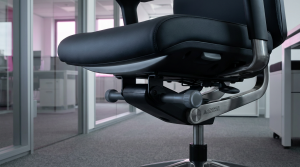
- Ergonomic Office Chairs: Fully adjustable chairs that provide lumbar support.
- Appropriate Desks: Desks of the correct height and size for the user and their equipment.
- Secure Storage: Lockable, fire-proof filing cabinets for storing sensitive pupil and staff records are a legal requirement.
This zone is also where you’ll plan for bulk supplies. A comprehensive school supplies list for teachers UK procurers should account for large stationery cupboards and resource shelving to keep the school running smoothly.
How Does a School Equipment Checklist Streamline Procurement?
A detailed school equipment checklist is your single most powerful procurement tool. It transforms a complex project into a manageable, transparent process. By itemising every required piece of furniture and equipment with specifications, you create a clear brief for suppliers. This not only helps in obtaining accurate quotes but also forms the basis of your tender document, which is essential for adhering to public sector procurement rules. Research from the Department for Education (DfE) (2023) on good estate management highlights that detailed asset lists are fundamental to achieving long-term value for money.
When creating your new school furniture and equipment list for procurement, you should also consider a supplier’s full service offering. Choosing a partner based solely on the lowest price can be a false economy. Instead, look for value-added services like free space planning, delivery scheduling, and professional installation. These services are invaluable for Saving Time & Stress. Our “Design To Install We Do It All!” approach ensures that from the initial list to the final classroom setup, the project is handled seamlessly. Understanding the full scope of school furniture regulations in the UK is another area where an experienced supplier adds significant value.
| Equipment Category | Average Cost per Unit (£) | Recommended Lifespan (Years) | Key UK Standard |
|---|---|---|---|
| Primary Classroom Chair (SizeMark 2-3) | £35 – £55 | 10 – 15 | BS EN 1729 |
| Secondary Classroom Table (1200x600mm) | £90 – £140 | 15 – 20 | BS EN 1729 |
| Science Lab Stool | £75 – £110 | 10 – 15 | BS EN 1729 |
| Canteen Dining Bench (6-seater) | £250 – £400 | 15+ | BS 7176 (CRIB5) |
| Ergonomic Teacher’s Office Chair | £180 – £350 | 8 – 12 | DSE Regulations |
| 2-Drawer Lockable Filing Cabinet | £150 – £280 | 20+ | BS 476 (Fire) |
Costs are indicative as of Q2 2026 and subject to change based on materials and volume. Source: Cost Cutters UK Internal Data (2026).
### Case Study: A Hypothetical Primary School Refurbishment
Challenge: A 2-form entry primary school in the North West needed to refurbish eight classrooms and its library within the six-week summer holiday on a tight budget of £95,000. Their initial school equipment checklist was incomplete, leading to mismatched quotes and budget uncertainty.
Solution: We partnered with the SBM to refine their checklist using our zone-by-zone framework. Our free space planning service created 3D visuals, optimising layouts for collaborative learning. By consolidating the order, we could apply Bulk Buy Discounts, bringing the project back within budget.
Results: The project was completed one week ahead of schedule and £4,500 under budget. The school received fully compliant, ergonomic furniture that transformed their learning spaces. Staff reported a noticeable improvement in pupil engagement.
Key Insight: A detailed, supplier-verified checklist is the key to unlocking accurate budgeting and preventing scope creep in large-scale procurement projects.
Important Considerations
This guide provides a comprehensive framework, but it is not exhaustive. The specific requirements for Special Educational Needs and Disabilities (SEND) provisions, which may involve sensory equipment or height-adjustable furniture, will necessitate a more detailed, bespoke analysis. The costs and lifespans provided are indicative averages as of mid-2026 and can vary based on manufacturer, materials, and the final volume of your order.
An alternative approach is to source equipment from multiple individual retailers. However, this method can lead to inconsistencies in quality, compliance, and design aesthetics. It also significantly increases the administrative burden of managing multiple orders, deliveries, invoices, and warranties, which can negate any initial cost savings.
For any new build, whole-school refurbishment, or complex multi-zone project, we strongly recommend engaging with a professional furniture consultant. We’ll be honest – the procurement process can be tedious. Utilising a service like our free space planning and design consultation can prevent costly purchasing errors, optimise your learning environments, and ensure your investment delivers maximum value for pupils and staff. It’s a step that pays for itself.
From Checklist to Classroom: Your Next Steps
The journey from an empty room to an inspiring learning environment begins with a detailed school equipment checklist. By moving beyond a simple list and adopting a strategic, zone-by-zone procurement plan, you can ensure every corner of your institution is furnished for safety, learning, and long-term value. This structured approach empowers School Business Managers to navigate budgets and compliance with confidence. Creating these exceptional spaces for the next generation is a responsibility we take seriously.
With over 35 years of experience partnering with UK schools, Cost Cutters UK understands the complexities of educational procurement. Our team does more than just supply furniture; we provide a complete project solution. We’re Rated Excellent On Trustpilot because we care about getting it right. To translate your checklist into a fully realised, compliant, and inspiring learning environment, book your free, no-obligation space planning consultation with our experts today. We also offer flexible payment options, allowing you to Credit Accounts Or Pay Flexibly.
Frequently Asked Questions
What is a school equipment checklist?
A school equipment checklist is a comprehensive document used by school administrators to itemise all the furniture, fixtures, technology, and resources needed to outfit an educational facility. This tool is critical for budgeting, tendering, and project management, ensuring no area is overlooked during a refurbishment or new build. A properly managed list ensures the school environment is fit for purpose and compliant with UK standards.
What are the necessary equipment of the school?
The necessary equipment for a school covers several core categories: classroom furniture, teaching aids, storage solutions, specialist area equipment, communal furniture, and administrative items. The specific list will depend on the age range of pupils (EYFS, Primary, Secondary) and the school’s specific curriculum focus. A complete inventory ensures all learning and operational needs are met effectively and safely.
What are the top 10 things every teacher needs in the classroom?
From a procurement perspective, the top 10 classroom essentials include an ergonomic teacher’s chair and desk, a large interactive display, and ample organised storage. Also vital are a lockable cabinet, sufficient pupil desks and chairs correctly sized to the age group, a main whiteboard, and accessible shelving. These items form the foundation of a functional and effective teaching space, supporting classroom management.
What are 5 examples of school equipment?
Five key examples of school equipment are height-adjustable classroom tables, lockable chemical storage cabinets for science labs, and mobile tray storage units for flexible classrooms. Other common items include upholstered modular seating for a common room and an interactive touchscreen panel for front-of-class teaching. These examples highlight the diverse range of specialised items required beyond basic supplies.
How do I ensure school furniture is compliant in the UK?
To ensure compliance, typically check that furniture meets relevant British and European Standards before purchasing. For classroom chairs and tables, look for BS EN 1729 certification, which governs ergonomics and safety. For any upholstered items, ensure they meet CRIB5 (BS 5852) fire safety regulations. Reputable UK suppliers like us will typically provide this compliance information clearly.
What is the difference between primary and secondary school furniture?
The main difference lies in size, ergonomics, and durability requirements. Primary school furniture is smaller, often more colourful, and designed for developing bodies. Secondary school furniture is larger (following higher SizeMarks), must be exceptionally robust to withstand heavy use by young adults, and often includes more specialised items for subjects like Design & Technology, making the distinction vital.
Should I repair or replace old school furniture?
This decision depends on safety, cost, and function. If furniture is structurally unsound or fails to meet current safety standards like BS EN 1729, it must be replaced. For cosmetic damage on otherwise compliant items, repair can be a cost-effective option. We recommend weighing the cost of repair against the lifespan and warranty of a new item.
How can I budget for a whole-school furniture replacement?
Start by conducting a full audit of your existing inventory and create a phased replacement plan based on priority. Use a detailed checklist, like the one in this guide, to request accurate quotes from suppliers. We advise looking for suppliers offering Bulk Buy Discounts and considering flexible payment options or leasing to spread costs over several financial years, making the project more manageable.
What should I look for in a school furniture supplier?
Look for a supplier with extensive experience in the UK education sector, a strong understanding of compliance, and excellent testimonials from other schools. A true partner should offer services beyond supply, such as free space planning and installation. A supplier who offers credit accounts for public sector bodies and transparent pricing demonstrates commitment and long-term value.
What are the benefits of a single-supplier approach?
Using a single supplier streamlines procurement, ensures aesthetic consistency, and simplifies project management with one point of contact. This approach can lead to significant savings through bulk purchasing, reduced administrative overhead, and simplified logistics. It also makes warranty claims and follow-up service much more straightforward, which is why it is often the most efficient method for large-scale fit-outs.
Related Resources
References
- BSI Group (2024). Standards Publication. BS EN 1729 Parts 1 & 2 detail the functional dimensions and safety requirements for chairs and tables for educational institutions.
- Health and Safety Executive (HSE) (2023). Seating at work INDG244. UK Government guidance on DSE regulations, which apply to staff workstations and specify requirements for ergonomic chairs to protect user health.
- The Furniture Industry Research Association (FIRA) (2024). Fire Safety Standards. FIRA provides technical information on fire safety regulations for contract furniture, including the BS 7176 standard which specifies hazard levels, with CRIB5 being the common requirement for school environments.
- Department for Education (DfE) (2023). Good estate management for schools. Government guidance which includes advice on strategic procurement and lifecycle management of furniture and equipment to achieve value for money.
- Twinkl (2024). School Supplies Checklist. An example of a student-focussed checklist, useful for differentiating from a procurement-level master list.
- Keswick School (2025). School Equipment Checklist. A PDF checklist showing the essential items a secondary school student is expected to have, providing context for the difference in scale.
- Explore Learning (2024). The Back to School Stationery Supplies Guide. A guide focused on student stationery, which helps illustrate the scope of a full procurement checklist by comparison.
Conclusion
From Checklist to Classroom: Your Next Steps
Transforming a school environment begins with a detailed school equipment checklist. By moving beyond a simple list and adopting a strategic, zone-by-zone procurement plan, you can ensure every corner of your institution is furnished for safety, learning, and long-term value. This approach empowers School Business Managers to navigate budgets and compliance with confidence, creating inspiring spaces for the next generation of learners.
With over 30 years of experience partnering with UK schools, Costcutters UK understands the complexities of educational procurement. Our team does more than just supply furniture; we provide a complete project solution. To translate your checklist into a fully realised, compliant, and cost-effective learning environment, book your free, no-obligation space planning consultation with our experts today.