Troubleshooting Common Office Fit-Out Challenges: A UK Guide
🎯 Key Takeaway
The most common office fit-out challenges involve budget overruns, poor space planning, and complex supplier management, which are best solved through detailed pre-project planning and partnership with an experienced UK provider. These challenges typically stem from a lack of upfront analysis, leading to costly reactive decisions.
Budget & Timeline Creep: Unforeseen costs and delays are the primary risks. A detailed, itemised budget with a 10-15% contingency fund is essential for financial control.
Ineffective Design: Failing to plan for future growth, technology, and staff well-being leads to an unproductive space that requires costly changes later.
* Supplier & Compliance Issues: Choosing the wrong partner or failing to meet UK regulations like HSE and DDA can lead to project failure and legal issues.This guide provides a proactive playbook to help you identify and solve these issues before they impact your project.
An office refurbishment is an exciting prospect, promising a revitalised, more productive workspace. However, the path from concept to completion is often fraught with predictable hurdles. For an office fit-out, the process, which refers to making an interior commercial space suitable for occupation, can feel overwhelming. As of May 2026, many businesses find that what starts as an exciting project quickly becomes a source of significant stress. The good news is that most office fit-out challenges are predictable and, therefore, avoidable.
Avoiding common office fit out mistakes is the key to success. This workplace fit out guide is designed to empower managers and business leaders to proactively identify and mitigate risks. At Cost Cutters UK, our experience has shown that success isn’t about luck; it’s about a structured process. With our comprehensive complete design-to-installation service, we act as your trusted partner, managing every detail to eliminate the stress and ensure your vision becomes a reality. We’re here to handle the complexity so you can focus on your business.
Written by: Content Team | Reviewed by: Editorial Team, 35+ Years Experience; Rated Excellent On Trustpilot
Last updated: 24 May 2026
ℹ️ Transparency Disclosure: This article explores common office fit-out challenges based on our 35+ years of industry experience and analysis of common project pitfalls. For full transparency, some links may connect to our specialised services. All information is verified by our editorial team. Cost Cutters UK is a leading educational and commercial furniture supplier in the United Kingdom, Rated Excellent On Trustpilot.
What are the Main Office Fit-Out Challenges?
The primary obstacles in any office fit-out project consistently fall into three main categories: financial management, design effectiveness, and logistical coordination. A 2025 analysis by Craftex, a commercial cleaning and maintenance firm, highlights that nearly all significant project issues can be traced back to insufficient planning in one of these areas. In our experience, failing to address these core pillars from the outset is what turns a manageable project into a costly and stressful ordeal. The key is to treat them not as separate problems but as interconnected parts of a single strategy.
Challenge 1: Navigating Budget & Timeline Office Fit-Out Challenges
Yes, budget and timeline overruns are the most frequent office refurbishment problems. These two issues are deeply intertwined; a delay almost typically leads to increased costs. Hidden expenses are a major culprit. Many initial quotes fail to account for dilapidations, which are the contractual obligations to return a leased property to its original state. Other overlooked costs include professional fees, IT and data cabling integration, and the price of temporary accommodation if the team needs to relocate during works.
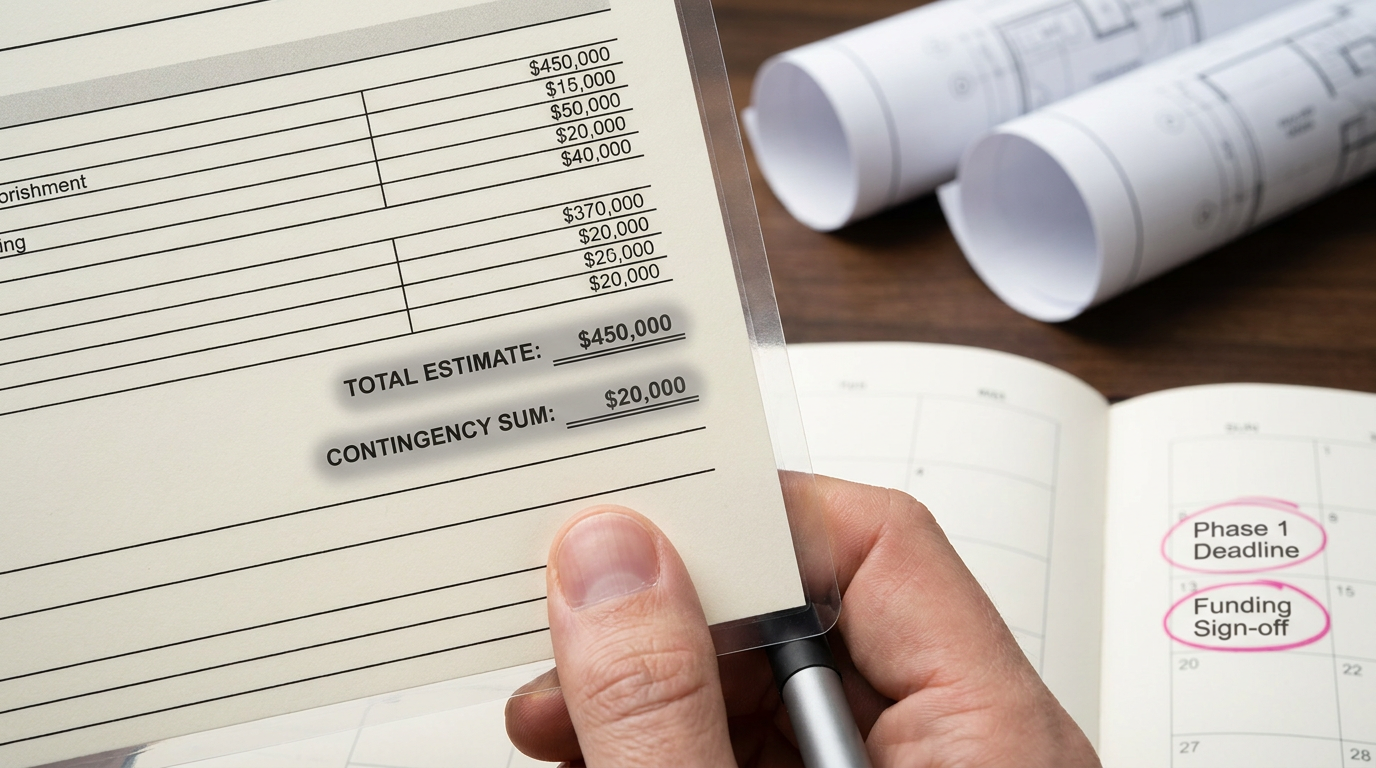
Lead times for specialised materials and furniture, plus the availability of skilled tradespeople, can easily cause project delays. According to a 2025 UK construction industry survey, commercial fit-out projects run over budget by an average of 12%. This makes a detailed, itemised office fit out budget non-negotiable. We strongly recommend including a contingency fund of 10-15% to absorb these unexpected costs. It’s also vital to understand the starting point. Is it a Category A (Cat A) Fit-Out, a space with finished mechanical and electrical services but no final finishes, or a bare shell? Each has vastly different cost implications. Ignoring these details is one of the most common office fit out mistakes.
Case Study: A Typical SME Scenario
Challenge: A Midlands-based marketing agency with 40 employees needed to refurbish their 5,000 sq ft office. Their initial quotes from separate contractors excluded critical items like data infrastructure upgrades and temporary furniture, creating a potential budget black hole.
Solution: We provided a single, all-inclusive “Design To Install We Do It All!” proposal. This unified the budget, timeline, and all supplier communications under one project manager, providing total clarity from day one.
Results: The project was delivered 5% under the consolidated budget and one week ahead of schedule. The transparent office fit out budget eliminated unforeseen costs, Saving Time & Stress for the client’s management team.
Key Insight: A single-source supplier provides cost certainty and accountability, preventing the communication gaps that cause budget and timeline creep.
Challenge 2: Solving Space Planning & Design Dilemmas
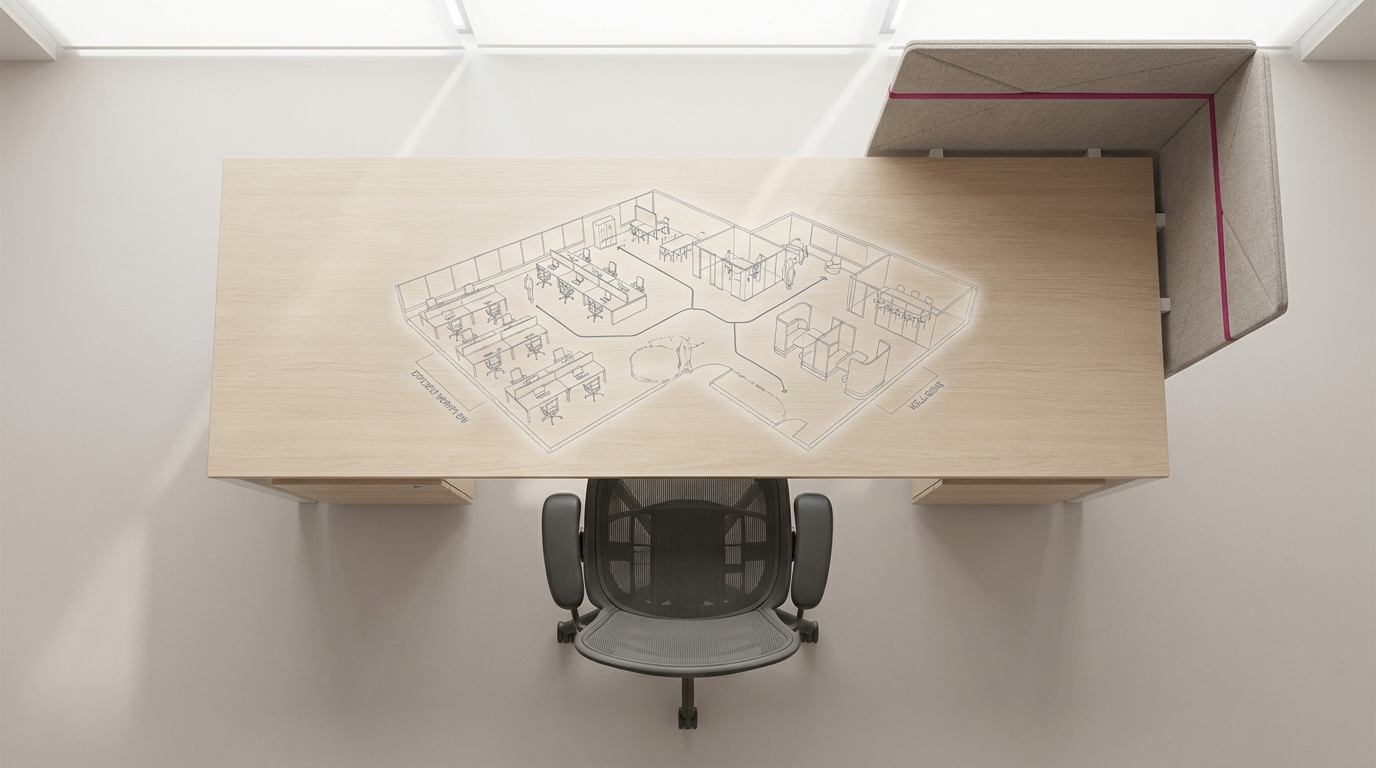
Yes, poor design directly impacts productivity and employee well-being. A common mistake is creating a layout that looks good on paper but fails in practice. A report from ADT Workplace (2024) emphasises that effective design must be human-centric, supporting the actual tasks employees perform daily. Some of the most frequent office space planning mistakes include ignoring future growth needs, creating poor workflows where collaborating teams are separated, and drastically underestimating storage requirements.
Acoustics are another critical factor. Open-plan offices can suffer from disruptive noise levels, leading to distraction and reduced concentration. These office design problems can be solved with acoustic panels, high-backed seating, and designated quiet zones. Also, UK regulations must be met. The Health and Safety Executive (HSE), the UK government agency responsible for workplace health and safety, has clear Display Screen Equipment (DSE) regulations for ergonomic workstations. Plus, the Equality Act 2010, which incorporates principles from the former Disability Discrimination Act (DDA), mandates that spaces must be accessible to all.
A 2024 study by ACI, a design and build firm, found that 67% of employees believe a well-designed workspace with varied zones is crucial for job satisfaction. Neglecting this by failing to include flexible areas with modern breakout furniture for informal meetings or focused work is a missed opportunity that can harm staff retention and contribute to office refurbishment problems.
Data Table: Common Fit-Out Budget Pitfalls & Mitigation Strategies
A well-managed office fit out budget is one that anticipates potential issues before they arise. The following table turns abstract risks into manageable line items, outlining the most common financial traps and the proactive steps you can take to avoid them. By planning for these eventualities, you maintain control over your investment.
| Budget Pitfall | Typical Cost Impact | Proactive Mitigation Strategy |
|---|---|---|
| Dilapidation Costs | £5 – £15 per sq ft | Obtain the landlord’s official dilapidations schedule before signing the lease. Negotiate these costs upfront or get a specialist survey to accurately price the work. |
| IT & AV Integration | 5-10% of total budget | Engage IT/AV specialists during the initial design phase, not as an afterthought. Ensure your plan includes floor boxes, power poles, and sufficient data points. |
| Unforeseen Building Issues | 10-15% of total budget | Commission a pre-fit-out survey to identify hidden issues with plumbing, electrics, or asbestos. This is what your 10-15% contingency fund is for. |
| Furniture Lead Times | Project Delays & Temp Costs | Finalise furniture selections early. Confirm stock availability and delivery lead times before placing orders. We offer Next Day Delivery on many items to avoid this. |
| Changes During Construction | 10-20% cost increase per change | Finalise and sign off on the design completely before any work commences. Implement a strict change order process that requires senior approval for any amendments. |
Challenge 3: Overcoming Procurement & Supplier Hurdles
Yes, selecting the right partners is critical to avoiding commercial fit out issues. The temptation to choose suppliers based solely on the lowest price is a significant risk. This approach often leads to poor-quality workmanship, materials that don’t last, and suppliers who lack adequate insurance or financial stability. A 2023 analysis by Zentura Workspace highlights that vetting suppliers is one of the most critical steps in avoiding common office fit out mistakes.

We recommend you thoroughly vet any potential partner for their experience on similar projects, their financial health, and relevant UK accreditations. For furniture, look for FIRA International (FIRA) certification. FIRA is an independent body providing testing for the furniture industry, and their certification is a mark of durability and safety. The real challenge, however, is the human stress factor. Managing multiple contractors – builders, electricians, data installers, painters, and furniture suppliers – is a full-time job. It creates multiple points of failure and communication breakdowns.
This is where a single, end-to-end provider offers immense value. A ‘Design To Install We Do It All!’ approach means you have one point of contact, one contract, and one team responsible for the entire project. This drastically simplifies the process, ensures accountability, and is a key strategy for Saving Time & Stress.
Special Focus: Unique Challenges for UK Schools & the Public Sector
Yes, public sector projects operate under unique constraints that add layers of complexity. These organisations face strict procurement guidelines that demand demonstrable ‘value for taxpayer money’, which isn’t typically the same as the lowest price. Many must use official purchasing frameworks like ESPO, a UK public sector procurement framework organisation that pre-vets suppliers for quality, compliance, and value. We are proud to be listed on such frameworks, which simplifies the procurement process for our public sector clients.
Schools, in particular, face distinct challenges. Work often needs to be completed within tight term-time holidays to avoid disrupting learning. Safeguarding is paramount, requiring all on-site personnel to have appropriate background checks. Also, the furniture requirements are highly specialised, needing to be exceptionally durable to withstand heavy use and often catering to specific needs, such as for Special Educational Needs (SEN) classrooms. These are commercial fit out issues that require a supplier with well-supported by research public sector experience. You can view our official UK accreditations to see our commitment to these standards.
Frequently Asked Questions
What are office fit-out challenges?
The primary office fit-out challenges are managing the budget, finalising a functional design, and coordinating suppliers. These three areas contain the most risk for delays, unexpected costs, and a final result that doesn’t meet business needs. Effective project management is crucial for overcoming these hurdles. A successful project depends on addressing these core challenges from the outset and is essential for achieving a positive return on investment.
What are the top 3 problems in an office refurbishment?
The top three problems are almost typically budget overruns, timeline delays, and poor communication between multiple parties. Budget issues often arise from hidden costs not included in initial quotes. Timeline delays are typically caused by supply chain problems or poor contractor scheduling. Finally, poor communication between the client and various contractors leads to mistakes and rework. A single point of contact can mitigate many of these problems.
What are the problems with a poor office layout?
A poor office layout directly harms productivity, hinders collaboration, and can negatively impact employee morale and well-being. Common office design problems include disruptive noise levels due to bad acoustics, inefficient workflows where teams are poorly located, and a lack of diverse spaces for different work types. This can ultimately affect staff retention. This makes professional space planning a critical investment, not an expense.
How do you avoid common office fit out mistakes?
Avoiding mistakes starts with extensive planning before any work begins, which is the most effective preventative measure. This involves creating a detailed brief of your needs, setting a realistic budget with a contingency, and engaging with employees to understand their requirements. Vetting and selecting an experienced, single-source fit-out partner is the most effective step. This ensures expertise is applied from the very start of the process.
How much should you budget for an office fit out in the UK?
An office fit-out budget in the UK can vary widely, from £40 per square foot for a basic refresh to over £200 for a high-specification design. Key factors include the location, the existing condition of the space (Cat A vs. Shell), and the quality of finishes, technology, and furniture required. You should get a detailed quote based on a specific design to get an accurate figure.
What is the difference between fit-out and refurbishment?
A fit-out typically refers to making an empty interior space suitable for occupation, which is common in new buildings. A refurbishment involves altering or upgrading an existing, operational space, which could range from new furniture and decoration to reconfiguring the entire layout. While the terms are often used interchangeably, fit-out implies starting from a ‘blank canvas’. Both require careful planning to minimise disruption to business operations.
How long does an office fit-out take?
A small office fit-out might take 4-6 weeks, while a larger, more complex project could take 6 months or more. The timeline depends on design complexity, procurement lead times for materials and furniture, and any planning permission processes. The initial design and planning phase itself can take 4-8 weeks before any on-site work even begins. A clear project schedule from your partner is vital.
Why is future-proofing important in office design?
Future-proofing ensures your workspace remains functional and relevant as your business evolves, protecting your initial investment. It involves planning for potential headcount growth, integrating flexible technology infrastructure, and using modular furniture that can be easily reconfigured. This strategic approach avoids the need for expensive, disruptive changes in the near future. It is a key strategy for maximising return on investment (ROI).
Do I need a project manager for my office fit-out?
Yes, for any project beyond a simple furniture update, a dedicated project manager is highly recommended. They coordinate all contractors, manage the timeline and budget, and act as a single point of contact, significantly reducing the burden on your internal team. Many full-service fit-out companies, like us, include project management as part of their service. This expertise is invaluable for managing commercial fit out issues.
How does sustainability factor into a modern office fit-out?
Sustainability is now a major consideration, influencing material choices, energy efficiency, and waste management during the project. This can include using recycled or locally sourced materials, installing energy-efficient LED lighting and HVAC systems, and choosing furniture with strong environmental credentials like FSC certification. A sustainable fit-out can reduce long-term operating costs and significantly enhance your organisation’s brand image with stakeholders.
Important Considerations
This guide provides a comprehensive overview of common challenges, but it cannot replace a bespoke analysis of your specific premises and business needs. The condition of every building is unique, and factors like existing mechanical systems, structural limitations, and landlord permissions require on-site assessment by a qualified professional. Our team conducts these assessments as a standard part of our process.
The primary alternative to a full fit-out is a phased refurbishment. This approach updates the office in sections, which can be less disruptive to operations but may extend the overall project timeline and potentially increase total costs due to fragmented work. Another alternative is simply upgrading furniture and technology without structural changes. This offers a lower-cost refresh but may not solve fundamental layout or workflow issues.
In our view, you should engage a professional fit-out partner at the earliest possible stage, ideally when you are first considering a move or refurbishment. An expert can provide initial space-planning tests, feasibility budgets, and timeline estimates that will inform your entire decision-making process. This early engagement helps prevent costly mistakes and ensures your investment delivers maximum value from day one.
Partner with a UK Expert for a Stress-Free Fit-Out
Successfully navigating office fit-out challenges hinges on proactive planning and expert execution. By anticipating budget risks, focusing on human-centric design, and choosing the right procurement path, you can avoid the common office fit out mistakes that derail projects. This workplace fit out guide shows that a successful outcome isn’t about luck; it’s about a structured, informed process from start to finish. Our experience indicates that a well-managed project is a stress-free one.
At Cost Cutters UK, we have over 35 years of experience transforming commercial and educational spaces across the country. Our complete design-to-installation service removes the stress and complexity, acting as your single partner for the entire journey. We offer Bulk Buy Discounts and flexible payment options like Credit Accounts Or Pay Flexibly to make your budget work harder. If you’re ready to create a workspace that works, book a free, no-obligation space planning consultation with our team today.
References
- Craftex (2025) – A qualitative analysis of project reports, identifying budget, timeline, and communication as the top three problem areas in commercial fit-outs.
- ADT Workplace (2024) – A white paper on workspace strategy, reporting that human-centric design is a critical factor in successful project outcomes and employee satisfaction.
- ACI (2024) – A survey of 500 UK office workers, which found that 67% of employees consider a well-designed workspace with varied zones crucial for their job satisfaction.
- Health and Safety Executive (HSE) – Official UK Government Guidance. Details the legal requirements for employers regarding display screen equipment (DSE) and ergonomic setups in the workplace.
- Zentura Workspace (2023) – An industry guide based on project data, highlighting that thorough supplier vetting is a critical step in mitigating project risk.
- FIRA International – Industry Certification Body. Provides standards and testing for furniture strength, durability, and stability in commercial environments, ensuring products are fit for purpose.
CONCLUSION
Partner with a UK Expert for a Stress-Free Fit-Out
In summary, office fit-out challenges hinge on proactive planning and expert execution. By anticipating budget risks, focusing on human-centric design, and choosing the right procurement path, you can avoid the common office fit out mistakes that derail projects. This workplace fit out guide has shown that a successful outcome is not about luck, but about a structured, informed process from start to finish.