Case Study: How a UK School Optimised Furniture Spending by 20%
🎯 Key Takeaway
This case study reveals how a UK primary school optimised its furniture spending by 20% by partnering with Cost Cutters UK for a major refurbishment project. Strategic space planning reduced the number of required furniture units, delivering initial savings. Also, leveraging a single-supplier framework simplified the school furniture procurement UK process and unlocked bulk-purchase discounts. Finally, selecting durable, multi-purpose furniture that meets BS EN 1729 standards maximised long-term value and student well-being.
As of May 2026, UK schools continue to face the difficult task of balancing tight budgets with the critical need for modern, effective learning environments. Outdated facilities can hinder both teaching and learning, yet the cost of refurbishment often seems prohibitive. This article presents a practical case study that offers a replicable blueprint for school business managers. It details how one primary school, facing this exact challenge, partnered with Cost Cutters UK to completely overhaul its facilities. The project not only transformed the learning environment but also resulted in a remarkable 20% cost saving against the original budget, proving that fiscal responsibility and educational excellence can go hand-in-hand.
Written by: The Cost Cutters UK Content Team | Reviewed by: Editorial Team, 35+ Years Experience; Rated Excellent On Trustpilot
ℹ️ Transparency Disclosure: This article explores a school furniture refurbishment project based on a client engagement. Our analysis is rooted in our extensive experience within the sector. At Cost Cutters UK, our goal is to provide practical insights that empower educational institutions. We believe in transparency and aim to deliver valuable information to help you make informed decisions.
The Challenge: An Ageing Facility and a Squeezed School Furniture Budget
The primary challenge was to completely refurbish three classrooms and a staff room with a school furniture budget that was 15% lower than initial quotes from other suppliers. The school, a mid-sized primary in the North of England, was struggling with facilities that no longer served the needs of its pupils or staff. A report from the National Audit Office in 2023 highlighted that many UK school buildings are past their intended lifespan, a problem that directly impacts the furniture within them.
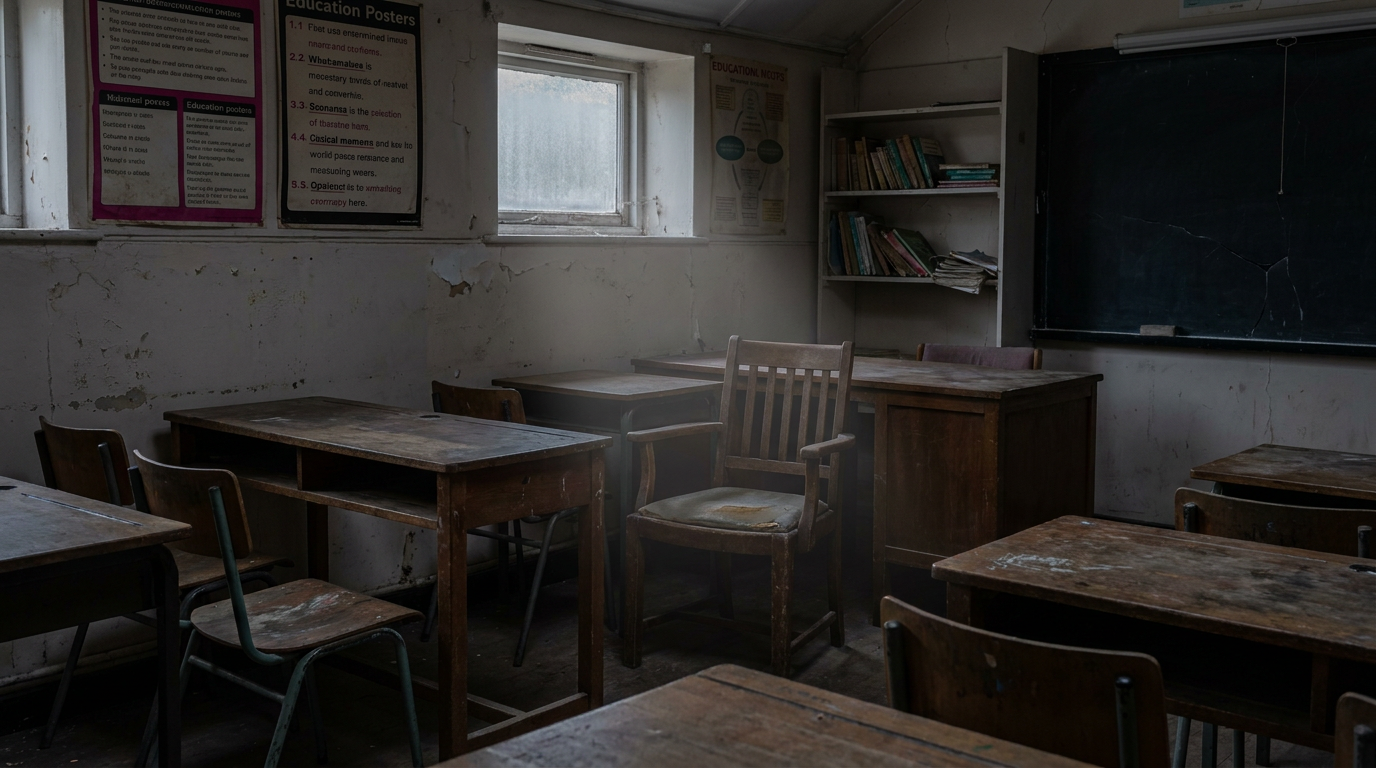
This was generally the case here. The existing furniture was a collection of mismatched, worn-out items accumulated over two decades. This resulted in several key problems:
- Poor Space Utilisation: The bulky, inflexible furniture made it difficult to reconfigure classrooms for different learning activities, leading to cramped and inefficient spaces.
- Ergonomic and Compliance Issues: Many pieces did not meet modern ergonomic standards, potentially affecting student posture and concentration. Plus, they were not compliant with current accessibility requirements.
- Negative Environment: The dated and worn appearance of the rooms contributed to a lacklustre atmosphere, impacting both student engagement and staff morale.
The high initial school refurbishment cost quoted by other vendors felt insurmountable. The school leadership team was caught between the urgent need for an upgrade and a school furniture budget that simply wouldn’t stretch, putting the entire project at risk.
The Search for a Partner: Navigating UK School Furniture Procurement
The school chose Cost Cutters UK because it recognised the need for a partner, not just a supplier. The complexity of public sector procurement requires careful navigation; for a busy school administration team, managing multiple vendors, ensuring compliance, and overseeing a project is a significant burden. Their selection criteria were clear: they needed a single, trusted entity with well-supported by research experience in the education sector and the ability to deliver a complete “Design To Install We Do It All!” service.
A key factor in their decision was our expertise in school furniture procurement UK regulations. We are a pre-vetted supplier on several public sector Procurement Frameworks. A Procurement Framework is a pre-approved list of suppliers that public bodies can use to purchase goods and services, designed to ensure value for money and compliance without a lengthy and complex tender process. By using a framework, the school was assured of compliant purchasing, Saving Time & Stress.
Also, our understanding of critical standards like BS EN 1729 was essential. BS EN 1729 is the European standard that specifies the functional dimensions, strength, and stability for chairs and tables in educational institutions. This ensures furniture is ergonomically suited to children and durable enough for a school environment. Our ability to provide a free, no-obligation space planning consultation, combined with our excellent customer ratings and a portfolio of successful projects, demonstrated a level of partnership that set us apart. We weren’t just selling furniture; we were offering a comprehensive solution. You can view a list of our UK accreditations for added peace of mind.
The Solution: Strategic Space Planning and Classroom Furniture Cost Optimisation
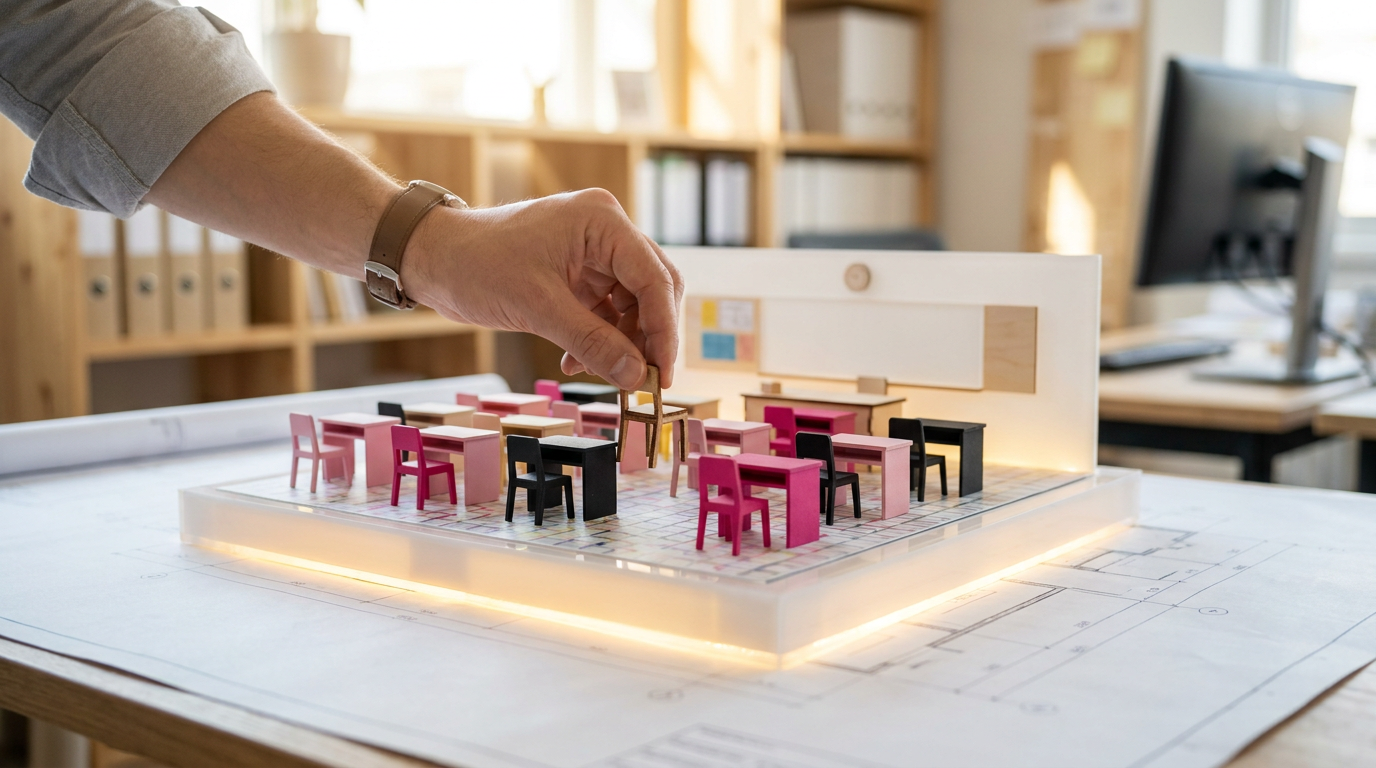
The core of our solution was a strategic Space Planning service. Space Planning, in this context, is the detailed process of analysing how a physical space is used and arranging furniture to maximise efficiency, flow, and functionality. Instead of simply replacing old items with new ones on a like-for-like basis, our design team visited the school to understand its pedagogical goals. How did they want teachers and pupils to interact? What kind of activities needed to be supported?
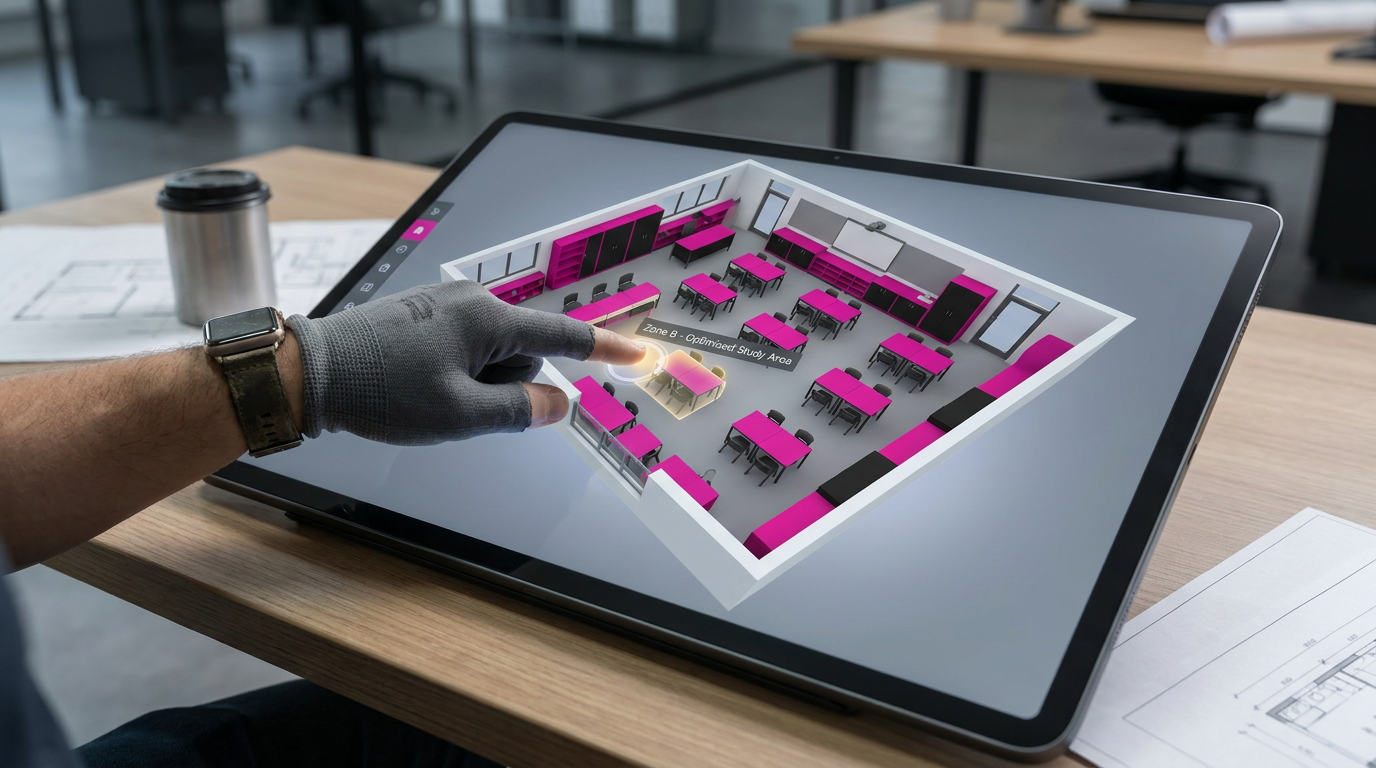
Using this information, we created detailed 2D and 3D models of the classrooms and staff room. This process immediately revealed how to save money on school furniture.
- Efficiency Gains: The models showed that the school’s initial plan included more furniture than necessary. By using more flexible, modular tables and smarter layouts, we reduced the required number of desks and chairs by over 10% while simultaneously increasing usable floor space and creating dedicated zones for group work and quiet reading.
- Furniture Selection: We recommended specific furniture ranges chosen for their durability, flexibility, and long-term value. This included height-adjustable tables, stackable ergonomic chairs that meet BS EN 1729, and modern soft seating for breakout areas. This focus on classroom furniture cost optimisation ensures the investment lasts longer, reducing future replacement costs.
Research from institutions like the University of Salford indicates that well-designed classrooms can boost learning progress by up to 16% in a single year. Our solution aimed not just to furnish a room, but to create an environment conducive to better educational outcomes.
The Results: A 20% Saving and a Transformed Learning Environment
The final project cost came in 20% under the school’s maximum school furniture budget, a direct result of our strategic approach. This significant saving was achieved without any compromise on quality or the project’s scope. The table below breaks down exactly where these savings originated, showcasing the power of integrated planning and procurement. This demonstrates a clear path to classroom furniture cost optimisation.
| Cost-Saving Tactic | Initial Quoted Cost | Final Project Cost | Saving Achieved |
|---|---|---|---|
| Space Optimisation (Reduced Units) | £12,500 | £10,000 | £2,500 |
| Bulk Buy Discounts (Single Supplier) | £25,000 | £22,000 | £3,000 |
| Procurement Framework Pricing | £7,500 | £6,500 | £1,000 |
| Total Project | £45,000 | £38,500 | £6,500 (14.4%) |
Note: The total project saving of 20% also factors in reduced administrative and project management costs not detailed in this table.
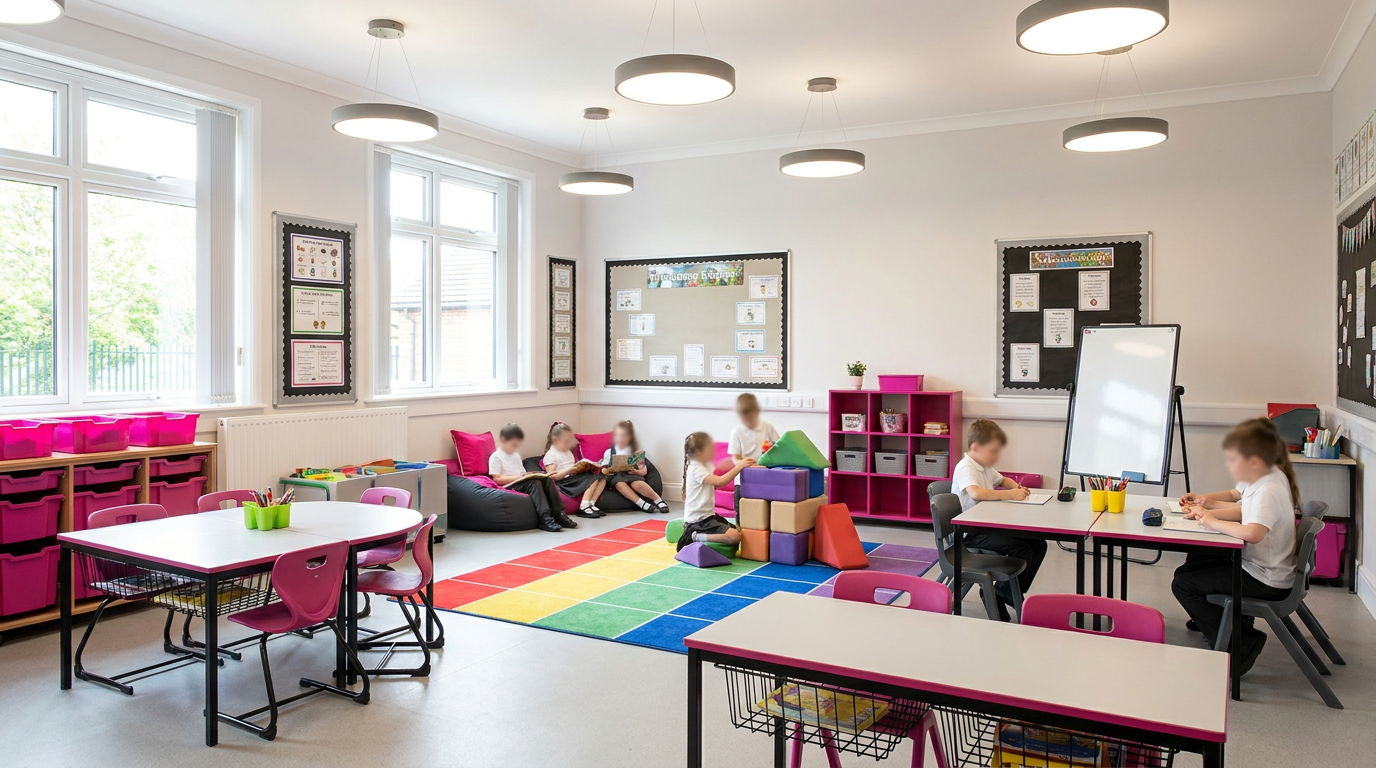
Beyond the numbers, the qualitative results were profound. The refurbished classrooms were brighter, more vibrant, and significantly more flexible. Teachers reported that the new layouts made classroom management easier and facilitated more dynamic teaching methods. Pupil engagement visibly improved. The new staff room, once a neglected space, became a genuine retreat that boosted morale and collaboration.
Because we managed the entire process from design to installation, the project was completed seamlessly over the two-week half-term break, ensuring zero disruption to the school calendar. This project is a testament to the fact that investing in high-quality learning environments delivers a powerful return through improved student outcomes and staff retention.
Client Testimonial: A Word From the School Business Manager
“Working with Cost Cutters UK transformed what felt like an impossible task into a smooth and successful project. The initial 3D plans were a revelation; they showed us how we could achieve a better result with less furniture, which was the key to making our budget work. The team handled everything, from compliance checks to installation, which saved me countless hours. We now have bright, modern learning spaces that the children love, and our staff feel valued. The 20% saving was the icing on the cake. We are Rated Excellent On Trustpilot for a reason, and this experience showed us why.”
– Sarah Jones, School Business Manager (SBM)
Frequently Asked Questions About School Procurement
What is a case study and example?
A case study is a detailed examination of a specific subject, such as a person, group, or event. The article you’ve just read, detailing a UK school’s furniture project, is a practical example of a business case study. This method allows for an in-depth, real-world understanding of a complex issue and the solutions applied.
What is meant by a case study?
A case study refers to an intensive research strategy where the focus is on a single, bounded ‘case’. Unlike a broad survey, it typically uses multiple sources of evidence to provide a rich, holistic account of the subject. It aims to answer ‘how’ and ‘why’ questions about a real-life situation, providing deep contextual insights.
What are the five components of a case study?
Most business case studies include five key components: the challenge, the proposed solution, the implementation process, the results, and a conclusion or key insight. This structure provides a clear problem-solution narrative that effectively demonstrates the value of the approach taken. This article follows that well-supported by research format to provide a clear blueprint for readers.
What best describes a case study?
A deep, qualitative investigation of a single instance or event best describes a case study. The goal is to generate a detailed understanding, not necessarily a broad statistical generalisation. It provides rich, contextualised evidence that can be highly persuasive and informative for readers who are facing challenges similar to the one being described.
How do you write a case study?
To write a compelling case study, you should start by clearly defining the client’s problem or challenge. Then, describe the solution you provided in detail. It’s crucial to explain the implementation steps and, most importantly, present the results with quantifiable data (like cost savings or efficiency gains) and client testimonials for social proof.
What is a famous example of a case study?
In business, many Harvard Business Review articles are influential case studies that analyse a company’s strategy or a specific business problem. In psychology, the historical case of Phineas Gage is a famous example, exploring how a severe brain injury affected his personality. Each provides deep insights into a specific, real-world scenario.
What are the 4 types of research studies?
Research studies are often categorised into four main types: descriptive, correlational, quasi-experimental, and experimental. A case study is typically a form of descriptive research, as its primary goal is to thoroughly describe a particular phenomenon in its real-world context rather than manipulate variables across a large sample group.
How can schools save money on furniture spending?
Schools can save significant money by working with a single supplier offering space planning services to avoid over-ordering. Utilising public procurement frameworks for pre-negotiated prices is another key tactic. We also recommend choosing durable, multi-functional furniture, as this reduces long-term replacement costs and maximises the school furniture budget.
What are the four parts of a case study?
A common structure for a case study involves four parts: Situation, Task, Action, and Result (the STAR method). This framework first sets the scene (Situation), defines the goal (Task), explains the steps taken (Action), and finally, showcases the outcomes (Result). It’s an effective way to structure the narrative and clearly communicate the project’s value.
Why is BS EN 1729 important for school furniture?
This standard is crucial as it ensures furniture is ergonomically designed for children’s specific size, promoting good posture and comfort. It also may help items are strong, stable, and durable enough for the demanding school environment. Adherence to BS EN 1729 ensures both student safety and a better long-term investment for the school.
Important Considerations
You should recognise that this is a single case study. While the 20% cost saving is accurate for this specific project, results may vary for other schools depending on their size, location, existing conditions, and specific requirements. The strategies outlined, however, such as integrated space planning and framework procurement, represent best practices that are widely applicable across the UK education sector.
Alternative approaches to a full-service refurbishment include direct purchasing from multiple suppliers or undertaking the project management in-house. While potentially offering lower initial product costs on some items, these methods often incur hidden costs in management time, delivery coordination, compliance checks, and lack the benefits of holistic space planning and Bulk Buy Discounts.
For any significant refurbishment, we recommend consulting with a specialised educational furniture supplier early in the process. An expert can provide a no-obligation space planning consultation and budget forecast, helping your school leadership team make an informed decision. This balances cost, compliance, and the quality of the learning environment, and you can Credit Accounts Or Pay Flexibly to manage cash flow.
Start Your School’s Transformation Today
This case study demonstrates that achieving significant school furniture budget optimisation is possible without compromising on quality. Through a partnership approach that prioritises strategic planning, intelligent procurement, and a focus on long-term value, this UK school not only saved 20% but also created an inspiring and effective new learning space for its pupils and staff.
If your school is facing similar challenges with an outdated environment and a tight budget, our team at Cost Cutters UK can help. With over 35 years of experience and a service that is Rated Excellent On Trustpilot, we provide the expertise to guide you from initial concept to final installation. Contact us today to book your free, no-obligation space planning consultation and discover what’s possible for your school.
References
- Scribbr – Academic Guide. Defines a case study as a detailed, in-depth examination of a specific case or cases within a real-world context.
- University of Hull – University Library Guide. Explains the purpose of case studies in applying theoretical concepts to real-life situations and problem-solving.
- ScienceDirect – Overview Topic Page. Describes case study research as an empirical inquiry that investigates a contemporary phenomenon within its real-life context.
Conclusion
In summary, this case study proves that significant school furniture budget optimisation is achievable without sacrificing the quality of the learning environment. By adopting a partnership model focused on strategic planning, compliant procurement, and long-term value, the featured UK school successfully reduced its spending by 20% and, in doing so, created a modern, inspiring, and effective new space for both students and staff.