advanced insights: Flexible Learning Spaces: A UK School’s Guide to Furniture & Design
For advanced insights into creating effective flexible learning spaces, UK schools must move beyond mere aesthetic considerations, focusing instead on pedagogical alignment, strategic resource allocation, and robust change management. This involves understanding how adaptable furniture and thoughtful design directly support diverse learning styles and foster student agency, ensuring that every investment contributes to a dynamic, future-ready educational environment that genuinely enhances teaching and learning outcomes.
🎯 Key Takeaway
Flexible learning spaces are adaptable classroom environments that use strategic furniture and layout to support a variety of teaching and learning activities. They move beyond traditional rows of desks to create zones for collaboration, independent study, and direct instruction.
• Pedagogy First: Success depends on aligning the physical space with active learning pedagogies, not just buying new furniture.
• Strategic Procurement: Achieve significant results on a limited budget through phased implementation and by choosing multi-purpose, durable furniture.
• Change Management is Key: Gaining teacher buy-in and providing adequate training is as crucial as the physical environment itself.
Does the traditional classroom, with its static rows of desks facing the front, truly prepare students for the dynamic, collaborative world they will enter? For many UK school leaders, the answer is increasingly no. The shift towards fostering 21st-century skills like critical thinking, creativity, and teamwork demands an evolution in our learning environments. This is where flexible learning spaces provide a powerful solution. By rethinking the physical classroom, we can create agile, student-centred environments that boost engagement and empower new teaching methods. As of September 2026, many schools are exploring these modern classroom design ideas to better support their educational goals. This guide provides a practical, strategic framework for UK school leaders, covering everything from pedagogy and design to budgeting and procurement.
👤 Written by: Content Team | Reviewed by: Editorial Team, Industry Specialists
Credentials: 35+ Years Experience; Rated Excellent On Trustpilot
ℹ️ Transparency Disclosure: This article explores the design and implementation of flexible learning spaces based on educational research and over 35 years of our industry experience. Some links may connect to our services, such as our free space planning. Our commitment to transparency means all information is thoroughly verified by our editorial team for accuracy and impartiality.
What Are Flexible Learning Spaces? (And What They Are Not)
A flexible learning space is an educational environment intentionally designed to support a wide range of teaching and learning activities. It’s an ecosystem where furniture, technology, and layout are all adaptable, giving teachers and students the choice to configure the room to best suit the task at hand. This moves far beyond simply replacing old desks; it’s a pedagogical shift enabled by physical change.
Crucially, these spaces are not unstructured or chaotic. On the contrary, they are often highly organised using a concept called ‘zoning’. A single classroom might be divided into distinct zones, each with a specific purpose. According to established design principles discussed on platforms like education-forum.co.uk, common zones include:
- The Campfire: A space for the whole class to gather for storytelling, direct instruction, or presentations. This might feature a teacher lectern and tiered seating.
- The Watering Hole: Small group areas designed for peer-to-peer collaboration and social learning. These typically use modular tables and shared whiteboards.
- The Cave: Quiet, individual spaces for students to read, research, or complete focused work without distraction. These could be individual carrels or comfortable reading nooks.
- The Mountaintop: A presentation space where students can share their work with peers, building confidence and communication skills.
The core idea is mobility and choice. Furniture is often on castors, tables can be reconfigured, and seating options vary. This adaptability empowers teachers to transition smoothly from a lecture to group work to individual study, all within one period. It’s about creating a responsive environment that serves the learning, not an environment that dictates it.
The Educational Case: How Flexible Spaces Boost Engagement and Outcomes
Flexible learning spaces can demonstrably improve student engagement and academic outcomes by directly supporting active learning pedagogies. When students have agency over where and how they learn, their investment in the process deepens. Research from the European Agency for Safety and Health at Work (EU-OSHA) consistently highlights the risks of prolonged sitting, a problem that active learning environments help mitigate.
The educational benefits are multi-faceted:
- Increased Engagement: By providing varied seating and work areas, these spaces cater to different learning preferences and physical needs. This choice reduces restlessness and increases focus. This directly addresses what The Office for Standards in Education, Children’s Services and Skills (Ofsted) looks for For student engagement and positive behaviour.
- Enhanced Collaboration: Purpose-built zones with collaborative learning furniture make group work more natural and effective. Students learn to negotiate, communicate, and solve problems together- – key skills for their future.
- Improved Physical Well-being: The use of standing-height desks, stools, and soft seating encourages movement. The World Health Organization (WHO) (2020) guidelines recommend limiting sedentary time for all ages, and using school furniture for active learning is a practical way to achieve this within the school day.
- Differentiated Instruction: Flexible layouts make it easier for teachers to work with small groups or individual students who need extra support or extension work, without disrupting the entire class.
Ultimately, the benefits of flexible seating in schools extend beyond mere comfort. They create a dynamic culture of learning where students are active participants, not passive recipients of information.
Designing Effective Flexible Learning Spaces: A Strategic Framework
Creating successful flexible learning spaces requires more than just a catalogue of new furniture; it demands a strategic approach that aligns physical space with educational vision. Following a clear framework ensures your investment delivers tangible results. We recommend a five-step process for any school, from a nursery exploring new layouts to a secondary school redesigning a department. For early years settings, our designing engaging spaces guide for UK nurseries offers more specific advice.
- Analyse Pedagogical Goals: Before considering any furniture, define what you want to achieve educationally. Do you want to increase project-based learning? Facilitate more peer-to-peer teaching? Your ‘why’ will determine your ‘what’.
- Audit Your Current Space: Evaluate what you already have. Can some existing furniture be repurposed? What are the limitations of the room For size, shape, and fixed features?
- Co-design with Stakeholders: This is critical. Involve teachers, support staff, and even students in the design process. They are the end-users, and their insights are invaluable for creating a space that is both functional and loved.
- Plan for Infrastructure: Consider the non-furniture elements. Where will power outlets be needed for devices? Is the Wi-Fi coverage strong throughout the room? What about acoustics and lighting?
- Create a Zoned Layout: Using your pedagogical goals, map out the different zones you need. This is where you can plan the flow of the room and ensure each area has a clear purpose.
This table provides a simple comparison of different zones you might consider, a concept widely supported by the British Educational Suppliers Association (BESA) through their code of practice which ensures furniture is fit for purpose.
| Learning Zone | Purpose | Example Furniture | Pedagogical Goal |
|---|---|---|---|
| Collaboration Pod | Small group project work and peer review. | Trapezoidal tables, mobile whiteboard, stools. | Develop teamwork and communication skills. |
| Focus Zone | Individual, quiet work and concentration. | Study carrels, acoustic panels, ergonomic chairs. | Foster student agency and deep thinking. |
| Instruction Area | Teacher-led direct instruction for the whole group. | Teacher lectern, interactive display, tiered soft seating. | Efficiently deliver core content to all students. |
| Creation Station | Hands-on making, building, and experimentation. | High-impact workbenches, mobile storage with materials. | Encourage creativity and practical application. |
Core Furniture for Agile Classrooms: A Buyer’s Guide
Selecting the right furniture is pivotal. The goal is to choose pieces that offer maximum flexibility, durability, and ergonomic support. As a supplier, we typically advise schools to prioritise items that can serve multiple functions. All furniture for educational use in the UK should comply with key safety standards. You can learn more in our definitive UK School Furniture Safety Standards: The Definitive BS EN 1729 Guide. BS EN 1729 is the crucial European standard that covers strength, stability, and appropriate sizing for students, ensuring furniture is both safe and ergonomically sound.
Modular and Mobile Tables
The traditional rectangular desk has its limits. For a truly agile classroom, consider a mix of tables. Trapezoidal, semi-circular, and flip-top tables on castors are excellent choices. They can be quickly rearranged from individual workstations into large group configurations. Height-adjustable tables also offer great versatility, allowing for both seated and standing work, which aligns with guidance from the Health and Safety Executive (HSE) on varying posture. This type of agile classroom furniture UK schools are adopting is key to adaptability.
Varied and Ergonomic Seating
Choice in seating is a cornerstone of flexible spaces. This doesn’t mean abandoning the ergonomic chair, which is essential for focused desk work. It means supplementing it with other options.
- Soft Seating: Beanbags, floor cushions, and sofas create comfortable reading nooks and informal group discussion areas.
- Stools: Wobble stools and high stools encourage active sitting and are well-suited for short-term collaboration at standing-height tables.
- Ergonomic Chairs: For tasks requiring sustained focus, a high-quality, size-appropriate ergonomic chair compliant with BS EN 1729 is non-negotiable.
This mix of collaborative learning furniture and focused seating ensures every student can find a comfortable and effective place to work.
Mobile and Accessible Storage
In a flexible space, storage can’t be static. Mobile storage units on reliable castors are essential. They can hold student trays, art supplies, or technology and be moved to where they are needed most. Even better, these units can double as space dividers, helping to define the different zones within the classroom. This approach keeps resources accessible while also contributing to the room’s overall flexibility, a principle also supported by the Department for Education’s (DfE) Early Years Foundation Stage (EYFS) framework, which stresses the importance of an enabling environment.
The SBM’s Playbook: Budgeting and Procuring Your Project
For the School Business Manager (SBM), the vision for a flexible learning space must meet the reality of the budget. The good news is that a transformational project doesn’t have to mean a “rip and replace” approach that costs a fortune. A smart, phased strategy is often more effective and sustainable.
We advise starting small. Pilot a flexible classroom in one year group or subject department. This allows you to learn lessons, gather feedback, and demonstrate success before committing to a school-wide rollout. When procuring, look beyond the initial price tag and consider the Total Cost of Ownership (TCO). A cheaper chair that breaks in two years is far more expensive than a durable, likely to support one that lasts ten. For more on this, see our guide to primary school furniture cost analysis.
When budgeting for agile classroom furniture UK schools need, consider working with suppliers who offer Bulk Buy Discounts and flexible payment options like Credit Accounts Or Pay Flexibly. A typical phased budget for one classroom (£10,000) might break down like this:
- Modular Tables (x15): £3,500
- Varied Seating (x30): £4,000
- Mobile Storage & Whiteboards: £1,500
- Contingency (10%): £1,000
Leveraging UK purchasing frameworks and partnering with a supplier who offers comprehensive services from design to installation can significantly streamline the process. Our “Design To Install We Do It All!” service is designed to handle these complexities, Saving Time & Stress for busy SBMs. For a complete overview, explore The Ultimate Guide to School Furniture Procurement.
Leading the Change: Gaining Teacher Buy-In and Managing the Transition
The most beautifully designed flexible learning space will fail if teachers don’t feel confident and supported in using it. The ‘human factor’ is paramount. School leaders must proactively manage the transition and cultivate enthusiasm for the new approach.
Here are four actionable steps we’ve seen work in practice:
- Involve Teachers from Day One: Don’t present the new classroom as a finished product. Involve teaching staff in the initial design workshops. When they have ownership over the space, they are far more likely to champion it.
- Provide Targeted Professional Development: Teaching in a flexible space requires new classroom management skills and instructional strategies. Invest in training that is practical and specific to your new environment.
- Appoint ‘Flexible Learning Champions’: Identify enthusiastic staff members who can act as peer mentors. They can share successes, troubleshoot problems, and lead by example.
- Communicate the ‘Why’: Constantly reinforce the educational rationale behind the change. Connect it directly to benefits for students, such as increased engagement and better collaboration.
As one Headteacher from a school we worked with shared, “The key was making it a shared journey. We didn’t just give them a new room; we gave them the training and trust to innovate within it. The results have been transformative.” This approach is reflected in many successful projects, such as this UK primary school’s transformation.
Frequently Asked Questions
What are flexible learning spaces?
Flexible learning spaces are highly adaptable educational environments designed to support multiple teaching methods and learning styles. They use mobile, modular, and varied furniture to create distinct zones for activities like group collaboration, direct instruction, and independent study. This approach moves beyond the limitations of a traditional classroom layout to create a more dynamic and student-centred experience.
How do flexible spaces benefit students?
These spaces boost student engagement, foster collaboration, and develop student agency by offering choice and variety. The benefits of flexible seating in schools include improved focus and comfort, while the overall design encourages movement, which is beneficial for physical health. By catering to different learning preferences, these environments can help all students find a way to work effectively and build critical 21st-century skills.
How can I implement this on a small budget?
You can achieve significant impact by starting with a phased approach rather than a complete overhaul. Begin by transforming one classroom or even just a corner of a library. Prioritise multi-purpose furniture first, such as flip-top tables on castors or mobile whiteboards that can also act as room dividers. We offer Bulk Buy Discounts which can also help stretch your budget further.
Are flexible classrooms suitable for all age groups?
Yes, the core principles of flexibility and choice are beneficial for all learners, but the application will vary. For Early Years, this might mean more floor-based activities, sensory zones, and soft furnishings. For a secondary school, it could involve more standing-height desks for group work, tech-integrated pods, and quiet zones for individual A-level study. The key is to tailor the space to the developmental needs of the students.
What safety standards should the furniture meet?
All school furniture in the UK must comply with BS EN 1729 parts 1 and 2 for safety, strength, stability, and ergonomics. This standard ensures that chairs and tables are of the correct size and shape for the children using them, preventing poor posture and ensuring durability. As a reputable supplier, we guarantee that all our educational furniture meets or exceeds this critical standard.
How do I get teachers to embrace the change?
Involving teachers in the planning and design process from the very beginning is the most effective strategy. When teachers have a voice in creating the space, they develop a sense of ownership. This should be supported by targeted professional development that provides practical strategies for teaching in the new environment. Appointing staff ‘champions’ can also help lead the transition and support colleagues.
What is the difference between flexible seating and a flexible learning space?
Flexible seating refers only to the variety of chairs, whereas a flexible learning space is a holistic environmental concept. Flexible seating is a component, but a true flexible space also considers the layout, the modularity of tables, the accessibility of storage, the integration of technology, and the pedagogical strategies used within it. It’s the entire ecosystem working together to support learning.
How do you measure the success of a new space?
Success should be measured using a combination of qualitative and quantitative data. This includes direct observation of student engagement, formal and informal feedback from teachers and students, and analysis of academic data like assignment quality or test results. Some schools also use advanced data dashboards to gain insights into how different zones and resources are being utilised throughout the day.
What are the most common mistakes to avoid?
The most common mistakes are buying furniture without a clear pedagogical plan and neglecting teacher training. Another significant error is failing to involve staff and students in the design process, which can lead to a space that is aesthetically pleasing but not practical. Finally, prioritising low initial cost over long-term value and durability is a frequent pitfall.
Do you offer space planning services for schools?
Yes, we offer a free, no-obligation space planning and design service as part of our “Design To Install We Do It All!” commitment. Our experienced specialists can create detailed 2D and 3D plans to help you visualise your new flexible learning space. This ensures the final layout is perfectly tailored to your school’s unique curriculum, student needs, and budget.
Important Considerations
You should recognise that furniture is an enabler, not a panacea. The success of flexible learning spaces is intrinsically linked to pedagogical change. Without adapting teaching methods to use the new environment, the investment may not yield its full potential. Furthermore, while research points to strong positive correlations, the specific impact can vary depending on the school’s culture, student demographics, and the quality of implementation.
For schools with severe budget or space limitations, a full redesign may not be feasible. An alternative approach is to enhance traditional classrooms with flexible elements. This could involve creating a single ‘collaboration zone’ with modular tables in an otherwise static room, or introducing a variety of seating options alongside existing desks. This incremental approach can be a cost-effective first step towards a more dynamic learning environment.
Transforming a learning environment is a significant undertaking. We strongly recommend that School Business Managers and Headteachers partner with educational furniture specialists. An expert can provide invaluable guidance on space planning, ensure compliance with all safety standards like BS EN 1729, and help you calculate the Total Cost of Ownership to maximise your long-term investment. This ensures the project is not only inspiring but also safe, compliant, and sustainable.
Your Next Step Towards a Future-Ready School
Transitioning to flexible learning spaces is a strategic investment in your students’ future. By moving beyond outdated classroom models, you can create an environment that fosters the critical skills of collaboration, creativity, and independent thought. A successful project hinges on a holistic approach that integrates pedagogy, thoughtful design, smart procurement, and effective change management. As a supplier Rated Excellent On Trustpilot, we are committed to guiding you through this process.
At Cost Cutters UK, we have over 35 years of experience helping schools across the country make this transition. Our team of specialists understands the unique challenges UK schools face. We’re more than just a supplier; we’re your partner in creating inspiring, effective, and budget-conscious learning environments. To start your journey, contact our team for a free, no-obligation space plan and quote.
References
- Health and Safety Executive (HSE) – UK Government Guidance. Provides legal requirements and practical advice for ergonomic workstations, applicable to both staff and student seating in schools.
- European Agency for Safety and Health at Work (EU-OSHA) – EU-Body Research. Highlights that poor workstation design and prolonged sitting are major risk factors for musculoskeletal disorders, reinforcing the need for ergonomic and varied seating.
- Department for Education (EYFS Framework) – UK Government Statutory Framework. Mandates that premises, environment, and equipment in early years settings must be safe and suitable, a principle that extends to all school furniture.
- British Educational Suppliers Association (BESA) – Professional Organisation Code of Practice. Requires members to supply products that are ‘fit for their intended purpose’ in an educational setting, ensuring quality and suitability.
- World Health Organization (WHO) – International Body Guidelines (2020). Recommends limiting sedentary time for all age groups, providing a global health rationale for creating active learning environments in schools.
- Statista – Market Research Data (2024). Projects UK office furniture market revenue at over £1.8 billion, providing a macro-level cost context for large-scale furniture procurement.
- Education Forum UK – Community Forum. Provides a platform for UK education professionals to discuss topics such as school space utilisation and classroom design, offering practical insights from the field.
- Patch My PC – Software Vendor Documentation. Describes reporting dashboards that provide ‘advanced insights’, a concept applicable to analysing resource and space usage in educational settings.
-
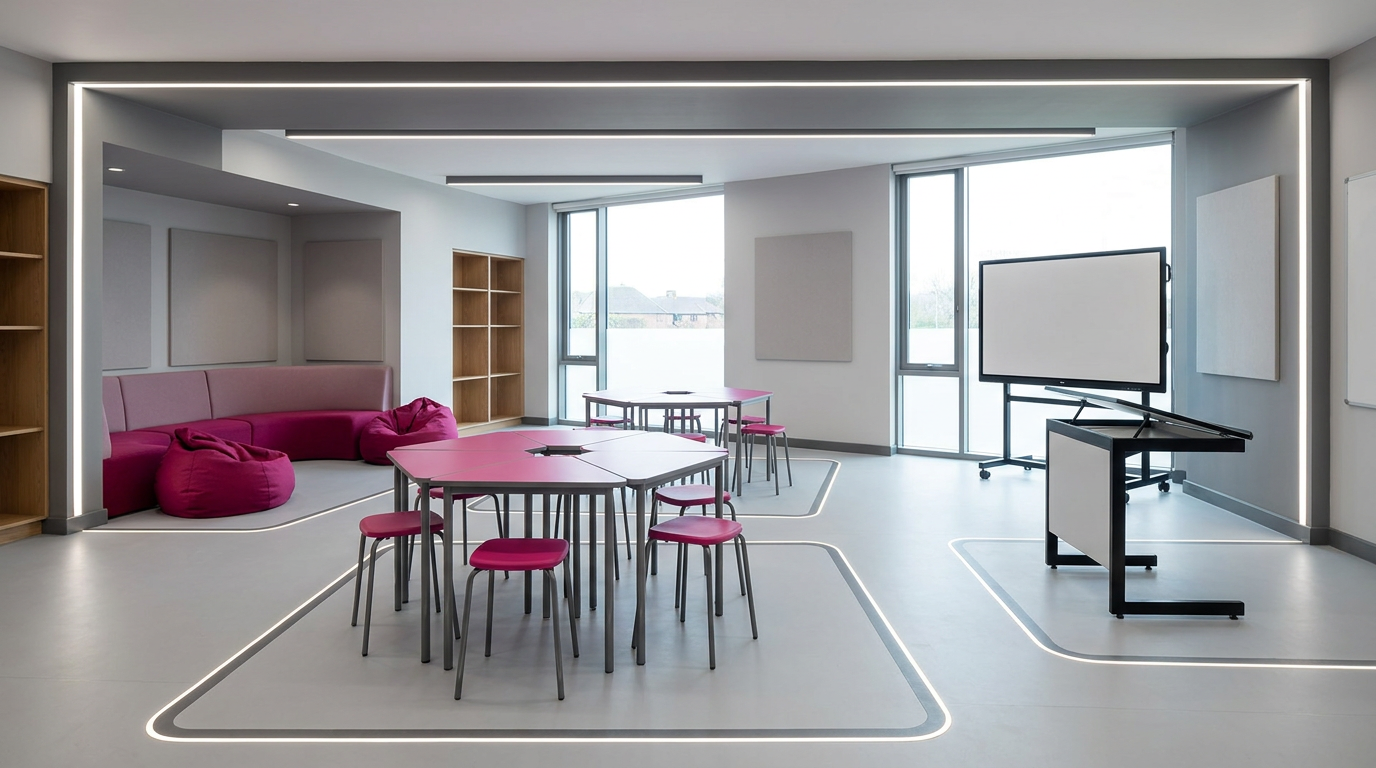
Flexible learning spaces – zoned classroom layout with modular furniture At Costcutters UK, we have over 35 years of experience helping schools across the country make this transition. Our team of specialists understands the unique challenges UK schools face. We’re more than just a supplier; we’re your partner in creating inspiring, effective, and budget-conscious learning environments. To start your journey, contact our team for a free, no-obligation space plan and quote.
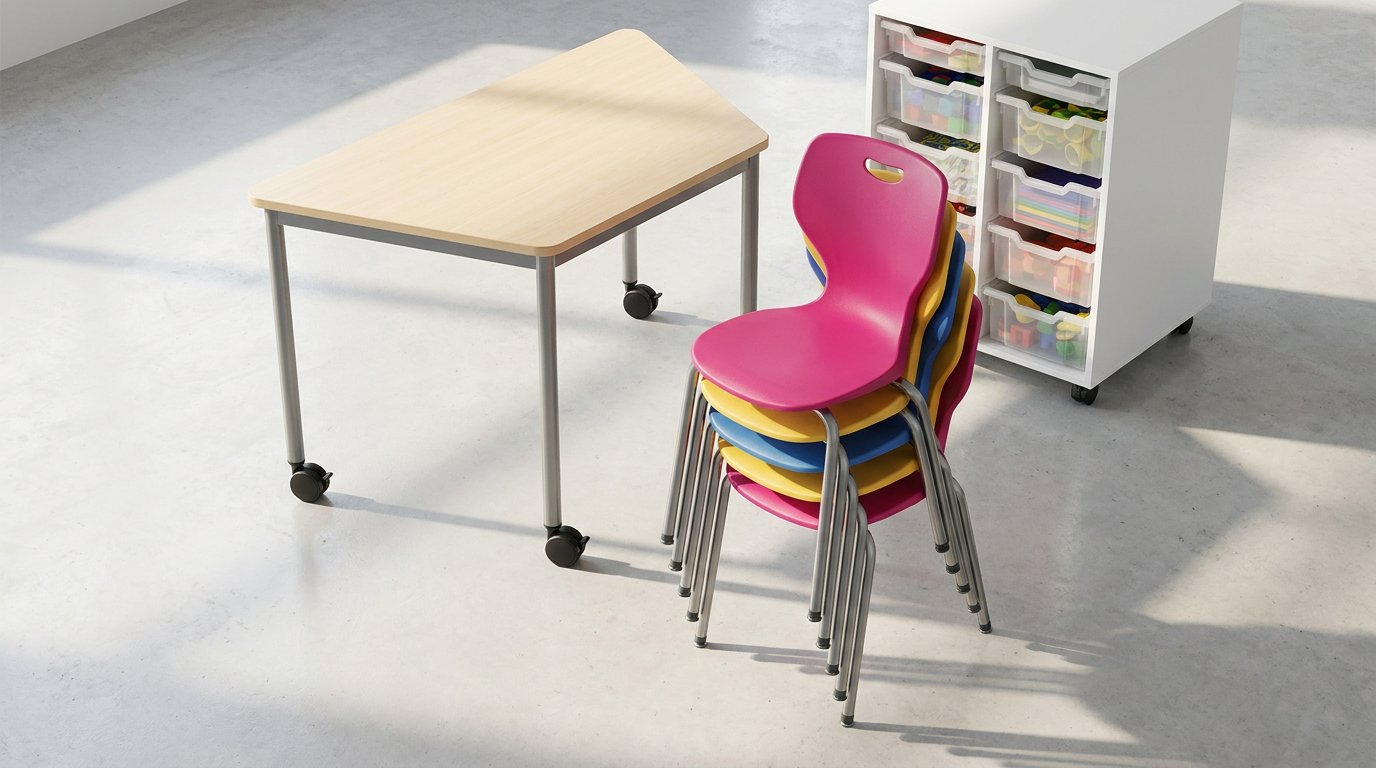
Agile classroom furniture – modular tables, ergonomic chairs, and mobile storage 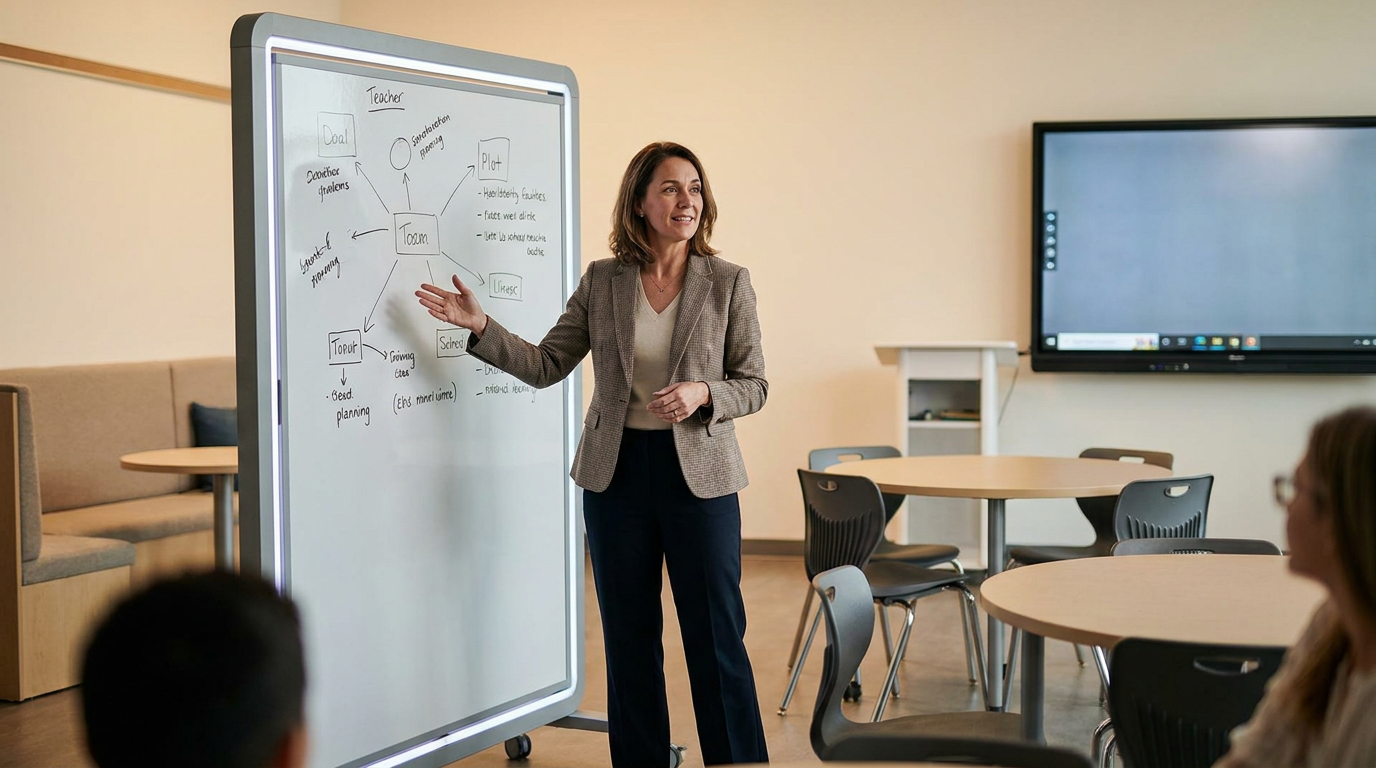
Teacher leading change – demonstrating flexible classroom design