Budgeting for School Furniture: A UK Cost Analysis & ROI Guide
🎯 Key Takeaway
Effective budgeting for school furniture requires a strategic approach that analyses the Total Cost of Ownership (TCO), not just the initial ticket price, to secure long-term value and educational Return on Investment (ROI). This means focussing on the full lifecycle cost, which includes maintenance, repairs, and disposal, to understand the true investment. By justifying spending through links to improved educational outcomes like better concentration and behaviour, you can create a defensible budget that aligns with OFSTED criteria. Leveraging UK public sector procurement frameworks, such as those offered by ESPO, simplifies purchasing and helps achieve better value.
Effective budgeting for school furniture presents a significant challenge for UK School Business Managers and Headteachers. You’re tasked with creating inspiring and effective learning environments whilst navigating ever-tighter budgets. The common pitfall is to focus solely on the initial price tag. However, a truly strategic school furniture budget looks beyond this to calculate long-term value. This involves understanding two key concepts: Total Cost of Ownership (TCO), which is the full cost of an asset over its entire life, and educational ROI. As of August 2026, making smart, evidence-based decisions is crucial. This guide provides a practical framework for education furniture budget planning, analysing costs, and maximising the impact of every pound spent.
Written by: The Cost Cutters UK Content Team | Reviewed by: Editorial Team, 35+ Years Experience; Rated Excellent On Trustpilot
Last updated: 15 August 2026
ℹ️ Transparency Disclosure: This article explores budgeting for school furniture based on our 35+ years of industry experience, market analysis, and a review of UK government guidance. Our goal is to provide a comprehensive, reliable resource for schools. This disclosure indicates our commitment to transparency. Some links may connect to our services, which we believe offer excellent value.
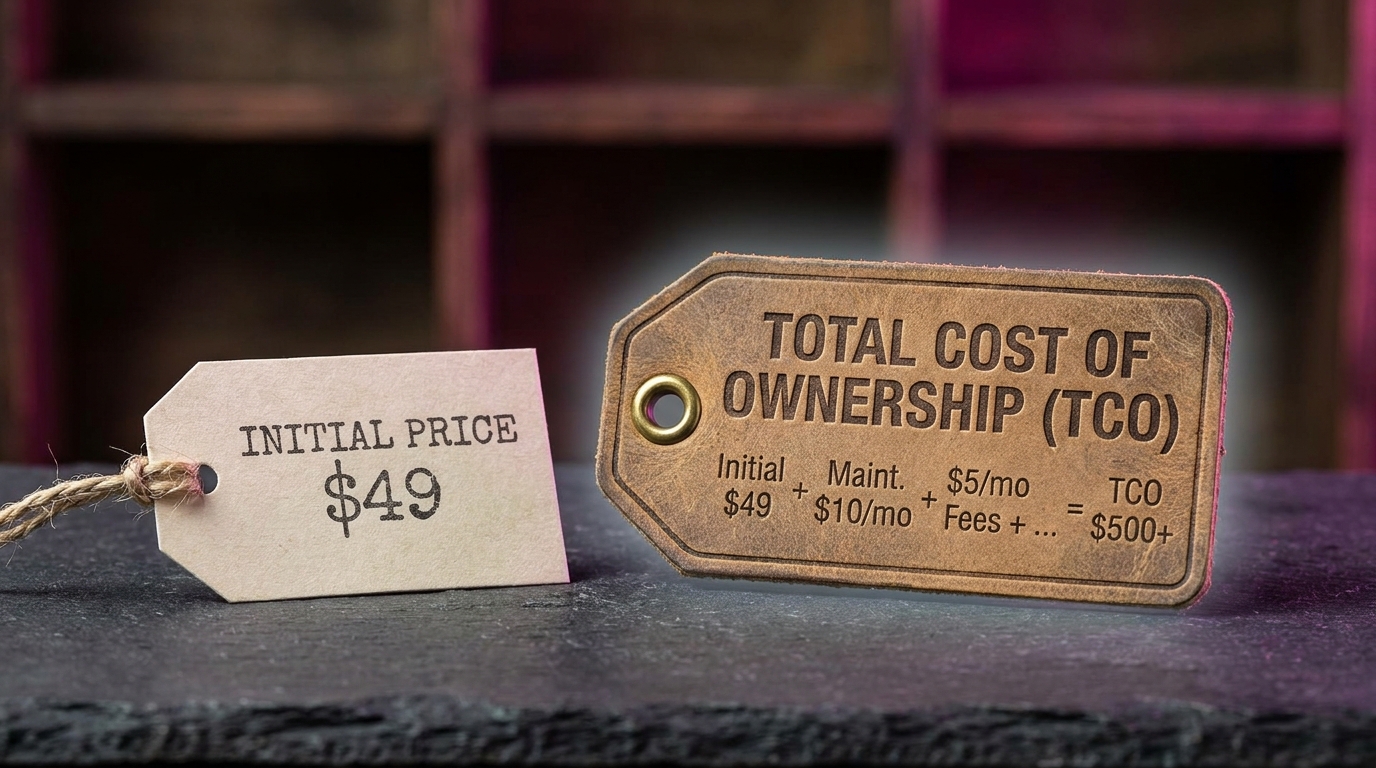
What is the Difference Between Total Cost of Ownership (TCO) and Initial Price?
The Total Cost of Ownership (TCO) is a financial calculation that reveals the complete lifecycle cost of an asset, which is a stark contrast to just its initial purchase price. For school furniture, TCO includes not only the upfront cost but also all associated expenses over its lifespan, such as delivery, installation, maintenance, repairs, and eventual disposal. A cheap chair that breaks in two years and needs replacing has a far higher TCO than a more expensive, durable chair with a 15-year warranty.
Understanding this difference is the key to creating cost-effective school furniture solutions. The British Educational Suppliers Association (BESA) Code of Practice requires members to supply products that are fit for purpose, a standard that inherently favours durability over low initial cost. Research from the European Agency for Safety and Health at Work (EU-OSHA) consistently highlights that poor quality equipment leads to higher long-term costs and potential health issues. In our experience, schools that prioritise a low initial price often find themselves in a costly cycle of replacement and repair, ultimately spending more from their operational budgets.
Therefore, when evaluating supplier quotes, you should demand transparency on warranties, material specifications, and compliance certifications. This information allows for a more accurate TCO calculation, turning your budget from a simple expense line into a strategic investment in the school’s infrastructure and educational environment.
A Step-by-Step Guide to Creating Your School Furniture Budget
Developing a reliable school furniture budget is a structured process that moves from broad needs to specific line items. It’s not just about listing items you want to buy; it’s about building a clear, justifiable plan that aligns with your school’s development goals. We’ve found this five-step process helps bring clarity and control, Saving Time & Stress for busy school managers.
- Needs Analysis & Audit: Begin by auditing your current furniture. What needs replacing due to damage or non-compliance? Where are the gaps? Involve teaching staff to understand pedagogical needs. Do they require more flexible furniture for collaborative learning or traditional desks for focused work? This audit forms the foundation of your plan.
- Prioritisation: You likely won’t be able to replace everything at once. Prioritise based on health and safety (e.g., broken chairs), curriculum needs (e.g., new science lab stools), or high-impact areas (e.g., the reception area or a specific year group’s classrooms).
- Market Research & Cost Estimation: Research potential products and suppliers. Look for those with excellent customer ratings and a strong track record in the education sector. Use this research to build an estimated cost for each item, but remember to think For TCO, not just the ticket price.
- Drafting the Budget: Create a detailed spreadsheet. List each required item, quantity, estimated unit cost, and estimated TCO. This is where you can compare options and see the long-term financial impact of your choices. Use our sample TCO table below as a template.
- Review and Refine: Present the draft budget to the Senior Leadership Team (SLT) and governors. Use your needs analysis and TCO calculations to justify the proposed expenditure. Be prepared to refine the plan based on feedback and the final demonstrated capital allocation.
By following this structured approach to education furniture budget planning, you create a document that is not only a shopping list but a strategic plan for improving the learning environment.
| Furniture Item | Typical Initial Cost (per unit) | Est. Lifespan (Years) | Estimated 10-Year TCO (per unit) |
|---|---|---|---|
| Non-Compliant Budget Chair | £25 | 2-3 | £100+ (includes 3-4 replacements) |
| BS EN 1729 Compliant Chair | £45 | 10-15 | £45 (one-time purchase) |
| Standard Classroom Table | £80 | 5-7 | £120+ (includes repairs/replacement) |
| Heavy-Duty Compliant Table | £130 | 15+ | £130 (one-time purchase) |
What is the Typical UK School Furniture Cost?
Answering “how much does school furniture cost in the UK?” is complex, as costs vary widely based on specification, quantity, and supplier. However, we can provide practical estimates to aid your planning. A standard primary classroom for 30 pupils can cost between £3,000 and £7,000 to furnish from scratch. For a secondary classroom, this figure can be slightly higher, depending on the subject-specific requirements.
The most significant cost driver is compliance. Furniture that meets BS EN 1729, the British and European standard for dimensions, strength, and stability, will have a higher initial cost. This standard is not just a ‘nice to have’; it’s a critical indicator of ergonomic design and durability. As detailed in this guide on BS EN 1729 compliance and Size Marks, choosing compliant furniture is essential for pupil wellbeing and represents a better long-term investment. A comprehensive school furniture cost analysis must account for delivery, installation, and removal of old furniture. Some suppliers include this, while others add it as a separate charge. These ‘hidden’ costs can significantly impact the final total. At Cost Cutters UK, we believe in transparent pricing and offer a complete “Design To Install We Do It All!” service, ensuring there are no surprises. Typically request a fully itemised quote that clarifies all potential school furniture procurement costs.
How Can You Maximise the Return on Investment (ROI) of School Furniture?
The school furniture ROI extends far beyond its financial lifespan; it’s measured in educational outcomes. Investing in high-quality, appropriate furniture is an investment in pupil concentration, behaviour, and attainment. This is the most powerful way to justify expenditure to governors and trustees.
First, consider the link between physical comfort and learning. The Health and Safety Executive (HSE) provides clear guidance on the importance of correct posture and ergonomic support. When pupils are comfortable and not distracted by unsuitable seating, their ability to focus improves. Choosing ergonomic and durable furniture designed for their age group directly supports the ‘Quality of Education’ and ‘Behaviour and Attitudes’ criteria inspected by The Office for Standards in Education, Children’s Services and Skills (OFSTED).
Second, modern pedagogy often requires flexible learning spaces. Furniture that can be easily reconfigured supports different teaching styles, from individual focused work to group collaboration. This flexibility empowers teachers and engages students, which is a key objective noted in global health advice from the World Health Organization (WHO) (2020) that recommends limiting sedentary behaviour.
Finally, a well-designed environment fosters a sense of pride and belonging. Upgrading tired, worn-out furniture sends a powerful message to pupils, staff, and parents that the school is invested in their wellbeing and success. This positive atmosphere is a tangible, albeit difficult to quantify, return on your investment.
Hypothetical Case Study: A Multi-Academy Trust Scenario
- Challenge: A Multi-Academy Trust (MAT) with three primary schools faced inconsistent learning environments and high annual replacement costs for cheap, non-compliant furniture, amounting to over £15,000 per year across the trust.
- Solution: The MAT partnered with us to develop a centralised, three-year phased procurement plan. We conducted a full audit and created a standardised list of compliant, durable furniture. By leveraging Bulk Buy Discounts, they could afford higher-quality items within their existing budget.
- Results: The trust reduced annual replacement spending by over 80% after the initial three-year investment. Teacher feedback noted a marked improvement in pupil focus and classroom management. The standardised approach also simplified maintenance across all sites.
- Key Insight: Centralised planning and bulk purchasing allowed the trust to access higher-quality products, drastically reducing their TCO and improving educational outcomes simultaneously.
How Can You use UK Procurement Frameworks to Maximise Value?
UK public sector procurement frameworks are one of the most effective tools for schools to maximise value and ensure compliance when purchasing furniture. These frameworks, run by Public Sector Buying Organisations (PSBOs) like ESPO (Eastern Shires Purchasing Organisation) or the Crescent Purchasing Consortium (CPC), pre-vet suppliers for financial stability, quality standards, and compliant pricing. This saves you an enormous amount of time and risk in the procurement process.
Using a framework simplifies purchasing and provides peace of mind. Suppliers listed on frameworks such as ESPO’s ‘Furniture & Equipment’ framework have already been through a rigorous tender process. This means their products and services have been benchmarked for value for money. Instead of needing to get three separate quotes, you can often compliantly direct-award a contract to a listed supplier, significantly reducing administrative burdens associated with school furniture procurement costs. These frameworks often secure preferential pricing due to the collective buying power of their members. This allows your budget to stretch further. At Cost Cutters UK, we are proud to be an approved supplier on numerous public sector frameworks. This demonstrates our commitment to quality, value, and transparent service for the education sector. When planning your budget, exploring framework options should be a primary step. You can often access our full range and services, including flexible payment options like Credit Accounts Or Pay Flexibly, through these compliant routes.
Frequently Asked Questions
What is budgeting for school furniture?
Budgeting for school furniture is the strategic process of planning, allocating, and managing funds for the procurement of furniture for educational environments. It goes beyond simple purchasing to consider long-term value, lifecycle costs, and the impact on learning outcomes. A successful budget ensures furniture is safe, durable, and fit for purpose, delivering a strong return on investment for the school.
How much does a classroom of furniture cost in the UK?
The cost to furnish a standard UK primary classroom for 30 pupils can range from £3,000 to £7,000 or more. This depends heavily on the quality, compliance with standards like BS EN 1729, and the type of furniture chosen (e.g., standard desks vs. Flexible, collaborative tables). For an accurate figure, it’s typically best to get a detailed quote based on a proper needs analysis.
What is the difference between cheap and cost-effective school furniture?
Cheap furniture has a low initial price but often fails quickly, leading to higher replacement costs and a greater Total Cost of Ownership (TCO). Cost-effective school furniture may have a higher initial price but is built to last, complies with safety standards, and comes with a long warranty. It represents a much better long-term investment for the school community.
How can I make my school furniture budget go further?
To maximise your budget, focus on TCO, not just the ticket price, and consider a phased purchasing plan over several financial years. Also, use UK procurement frameworks (like ESPO) for competitive pricing and explore suppliers that offer free space planning services to avoid costly mistakes. Prioritising high-impact areas first is another effective strategy.
How does furniture choice affect OFSTED ratings?
While furniture isn’t directly graded, it significantly impacts areas OFSTED inspects, such as ‘Behaviour and Attitudes’ and ‘Quality of Education’. Ergonomic, flexible furniture can improve pupil concentration, facilitate different teaching styles, and create a positive learning environment, all of which are positively viewed during an inspection. It shows a commitment to pupil wellbeing.
What are BS EN 1729 standards?
BS EN 1729 is the key European and British standard that dictates the proper dimensions, strength, and stability for school chairs and tables. It ensures furniture is ergonomically correct for a child’s size to support good posture and is durable enough for the demanding school environment. Compliance is a critical mark of quality and safety for any educational setting.
How long should school furniture last?
High-quality, compliant school furniture should have a lifespan of 10-15 years with proper care. Cheaper, non-compliant alternatives may only last 2-3 years before needing replacement, proving to be a false economy. The warranty period is often a good indicator of the manufacturer’s confidence in the product’s durability. Typically check the guarantee before purchasing.
Are leasing options a good idea for school furniture?
Leasing can be a viable option for schools to acquire high-quality furniture without a large upfront capital outlay, spreading the cost over several years. However, it’s crucial to ensure the lease is compliant with public sector finance regulations and to compare the total lease cost against the TCO of purchasing outright. We recommend seeking specialist advice on this.
When is the best time of year to buy school furniture?
Many schools place large orders in the Spring Term (April-May) for delivery during the summer holidays to minimise disruption. This allows suppliers sufficient lead time to manufacture and deliver. Some suppliers may also offer end-of-financial-year discounts in March for schools needing to spend remaining budget allocations, but stock availability can be a factor.
Can we use office furniture in a school?
It is generally not recommended as most office furniture is not designed or tested to withstand the rigours of a school environment or to meet BS EN 1729 standards. School furniture must be far more durable and is sized specifically for children’s ergonomic needs. Using inappropriate furniture can be unsafe and will almost generally result in a poor long-term investment.
Important Considerations and Next Steps
The costs and figures presented in this guide are estimates based on market analysis as of August 2026 and are for illustrative purposes. Actual prices will vary based on supplier, volume, specification, and market conditions. This guide provides a strategic framework, not a formal quotation. We advise you typically conduct your own due diligence and obtain detailed, itemised quotes for your specific project.
While this guide focuses on purchasing new, compliant furniture as an effective long-term investment, we recognise schools may explore alternatives. Phased refurbishment over multiple years is a practical strategy. Using second-hand furniture is possible but carries risks regarding safety compliance, lack of warranty, and unknown history. Leasing is another option but requires careful financial scrutiny to ensure it’s a compliant and cost-effective choice for your institution.
Budgeting for a large-scale furniture project can be complex. If you are refurbishing multiple rooms or a whole school, we strongly recommend consulting with an education furniture specialist. An expert can provide free space planning, ensure all selections are compliant, help you value-engineer the project to meet your budget, and manage logistics. For more detailed planning, see The Ultimate School Furniture Projects Guide 2026.
From Budgeting to a Better Learning Environment
Effective budgeting for school furniture is a cornerstone of creating exceptional learning spaces. By shifting the focus from initial price to Total Cost of Ownership and educational ROI, School Business Managers can make defensible, strategic investments. This approach ensures every pound spent not only provides safe and durable assets but also actively contributes to improved student engagement, wellbeing, and educational outcomes, satisfying the core mission of your school.
At Cost Cutters UK, we have partnered with schools across the country for over 35 years, providing expert advice that goes beyond the catalogue. We are Rated Excellent On Trustpilot because we are dedicated to our customers’ success. If you are planning a project, our specialists can help you build a budget that works and design a space that inspires. Contact us for a free, no-obligation space plan and quote to see how we can maximise the value of your school’s furniture budget.
References
- Health and Safety Executive (HSE) – UK Government Guidance. This source provides the legal requirements and best practices for workstation ergonomics, underpinning the need for correctly sized furniture in educational settings.
- European Agency for Safety and Health at Work (EU-OSHA) – EU Research Body. This agency highlights poor workstation design as a key risk factor for musculoskeletal disorders, reinforcing the importance of ergonomic furniture.
- Department for Education (EYFS Framework) – UK Government Statutory Framework. The framework mandates that premises, environment, and equipment must be safe and suitable for their purpose, a key legal requirement for schools.
- British Educational Suppliers Association (BESA) – Professional Organisation Code of Practice. BESA’s code requires members to supply products that are fit for their intended purpose in an educational setting, a key quality indicator.
- World Health Organization (WHO) – Global Health Guidelines (2020). These guidelines recommend limiting sedentary time, providing a health-based rationale for flexible furniture that encourages movement.
- Statista – Market Research Data (2024). This report on the UK Office Furniture market provides context for the scale of the commercial furniture industry.
- ESPO – Public Sector Buying Organisation. Provides access to pre-vetted suppliers and compliant frameworks, which is a key resource for school procurement.
- Cumberland Furnishings – Industry Guide. Offers a supplementary perspective on creating a classroom furniture budget, reinforcing the principles of long-term planning.
- BE Furniture Sales – Industry Buying Guide. This guide provides practical tips for schools purchasing furniture, corroborating the importance of durability and safety.
From Budgeting to a Better Learning Environment
In summary, budgeting for school furniture is a cornerstone of creating exceptional learning spaces. By shifting the focus from initial price to Total Cost of Ownership and school furniture ROI, School Business Managers can make defensible, strategic investments. This approach ensures every pound spent not only provides safe and durable assets but also actively contributes to improved student engagement, wellbeing, and educational outcomes, satisfying the core mission of your school.
At Costcutters UK, we have partnered with schools across the country for over 35 years, providing expert advice that goes beyond the catalogue. If you are planning a project, our specialists can help you build a budget that works and design a space that inspires. Contact us for a free, no-obligation space plan and quote
to see how we can maximise the value of your school’s furniture budget.
Frequently Asked Questions About School Furniture Budgeting
What is budgeting for school furniture?
Budgeting for school furniture is the strategic process of planning, allocating, and managing funds for the procurement of furniture for educational environments. It goes beyond simple purchasing to consider long-term value, lifecycle costs, and the impact on learning outcomes. A successful budget ensures furniture is safe, durable, and fit for purpose.
How much does a classroom of furniture cost in the UK?
The cost to furnish a standard UK primary classroom for 30 pupils can range from £3,000 to £7,000 or more. This depends heavily on the quality, compliance with standards like BS EN 1729, and the type of furniture chosen (e.g., standard desks vs. flexible, collaborative tables). Always get a detailed quote based on a proper needs analysis.
What is the difference between cheap and cost-effective school furniture?
Cheap furniture has a low initial price but often fails quickly, leading to higher replacement costs and a greater Total Cost of Ownership (TCO). Cost-effective school furniture may have a higher initial price but is built to last, complies with safety standards, and comes with a long warranty. It represents a much better long-term investment for the school.
How can I make my school furniture budget go further?
To maximise your budget, focus on TCO, not just the ticket price, and consider a phased purchasing plan over several financial years. Also, leverage UK procurement frameworks (like ESPO) for competitive pricing and explore suppliers that offer free space planning services to avoid costly mistakes. Prioritise high-impact areas first.
How does furniture choice affect OFSTED ratings?
While furniture isn’t directly graded, it significantly impacts areas OFSTED inspects, such as ‘Behaviour and Attitudes’ and ‘Quality of Education’. Ergonomic, flexible furniture can improve pupil concentration, facilitate different teaching styles, and create a positive learning environment, all of which are positively viewed during an inspection.
What are BS EN 1729 standards?
BS EN 1729 is the key European and British standard that dictates the proper dimensions, strength, and stability for school chairs and tables. It ensures furniture is ergonomically correct for a child’s size to support good posture and is durable enough for the demanding school environment. Compliance is a critical mark of quality and safety.
How long should school furniture last?
High-quality, compliant school furniture should have a lifespan of 10-15 years with proper care. Cheaper, non-compliant alternatives may only last 2-3 years before needing replacement. The warranty period is often a good indicator of the manufacturer’s confidence in the product’s durability. Always check the guarantee before purchasing.
Are leasing options a good idea for school furniture?
Leasing can be a viable option for schools to acquire high-quality furniture without a large upfront capital outlay, spreading the cost over several years. However, it’s crucial to ensure the lease is compliant with public sector finance regulations and to compare the total lease cost against the TCO of purchasing outright. It is essential to seek specialist advice.
When is the best time of year to buy school furniture?
Many schools place large orders in the Spring Term (April-May) for delivery during the summer holidays to minimise disruption. This allows suppliers sufficient lead time. Some suppliers may also offer end-of-financial-year discounts in March for schools needing to spend remaining budget allocations, but stock may be limited.
Can we use office furniture in a school?
It is generally not recommended as most office furniture is not designed or tested to withstand the rigours of a school environment or to meet BS EN 1729 standards. School furniture must be far more durable and is sized specifically for children. Using inappropriate furniture can be unsafe and result in a poor long-term investment.
Important Considerations and Next Steps
The costs and figures presented in this guide are estimates based on market analysis as of August 2026 and are for illustrative purposes. Actual prices will vary based on supplier, volume, specification, and market conditions. This guide provides a strategic framework, not a formal quotation. Always conduct your own due diligence and obtain detailed, itemised quotes for your specific project.
While this guide focuses on purchasing new, compliant furniture as the best long-term investment, we recognise schools may explore alternatives. Phased refurbishment over multiple years is a practical strategy. Using second-hand furniture is possible but carries risks regarding safety compliance, lack of warranty, and unknown history. Leasing is another option but requires careful financial scrutiny to ensure it’s a compliant and cost-effective choice for your institution.
Budgeting for a large-scale furniture project can be complex. If you are refurbishing multiple rooms or a whole school, we strongly recommend consulting with an education furniture specialist. An expert can provide free space planning, ensure all selections are compliant, help you value-engineer the project to meet your budget, and manage the logistics of delivery and installation, saving you significant time and preventing costly errors.