A Beginner’s Guide to Modern Classroom Furniture Trends
🎯 Key Takeaway
Modern classroom furniture is designed to be flexible, ergonomic, and collaborative, moving away from static rows of desks to support varied teaching methods and improve student engagement. It focuses on adaptability to create agile learning environments. Key trends include flexible seating like wobble stools, modular tables for group work, and standing desk options. Compliance with UK standards like BS EN 1729 is mandatory for student safety and ergonomics. Successful implementation requires a phased approach, focusing on whole-life cost over initial price to maximise tight school budgets.
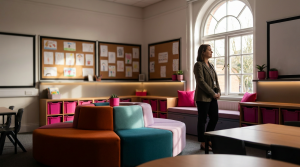
The shift towards modern classroom furniture is more than just an aesthetic update; it’s a strategic investment in better learning outcomes. Traditional classrooms, with their rigid rows of forward-facing desks, were designed for a passive, lecture-based style of teaching. As of August 2026, pedagogy has evolved to favour active, student-led discovery, and the physical environment must evolve with it. Creating innovative learning spaces and agile learning environments requires furniture that can adapt on the fly. This guide, from our team with over 35 years of experience, will explore the key classroom furniture trends UK schools are adopting, how to ensure safety and compliance, and how to make a compelling business case for the investment.
Written by: The Cost Cutters UK Content Team | Reviewed by: Editorial Team, 35+ Years Experience; Rated Excellent On Trustpilot
Last updated: 15 August 2026
ℹ️ Transparency Disclosure: This article explores modern classroom furniture trends based on our 35+ years of industry experience and analysis of official UK educational and safety guidelines. As a leading UK supplier, some links may connect to our services where relevant. All information is independently verified by our editorial team for accuracy. We are committed to providing practical, reliable advice to schools and public sector organisations across the United Kingdom.
What are the key trends in modern classroom furniture?
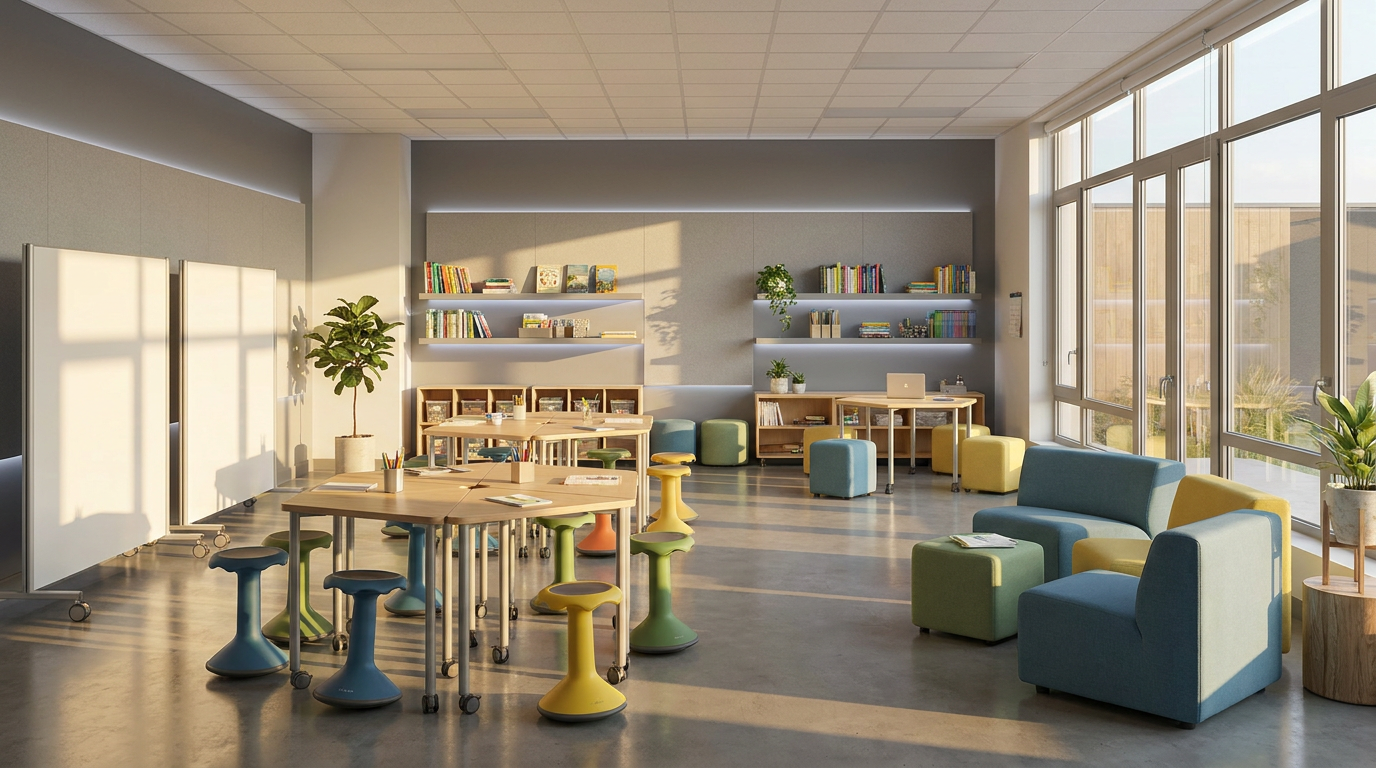
The defining trends in modern classroom furniture are flexibility, mobility, collaboration, and technology integration. Schools are moving away from static, one-size-fits-all items towards dynamic pieces that can be reconfigured to support a variety of learning activities throughout the day. This shift facilitates a more student-centred approach to education, allowing teachers to create zones for group work, individual study, and direct instruction within the same space.
Trend 1: Flexible and Collaborative Seating
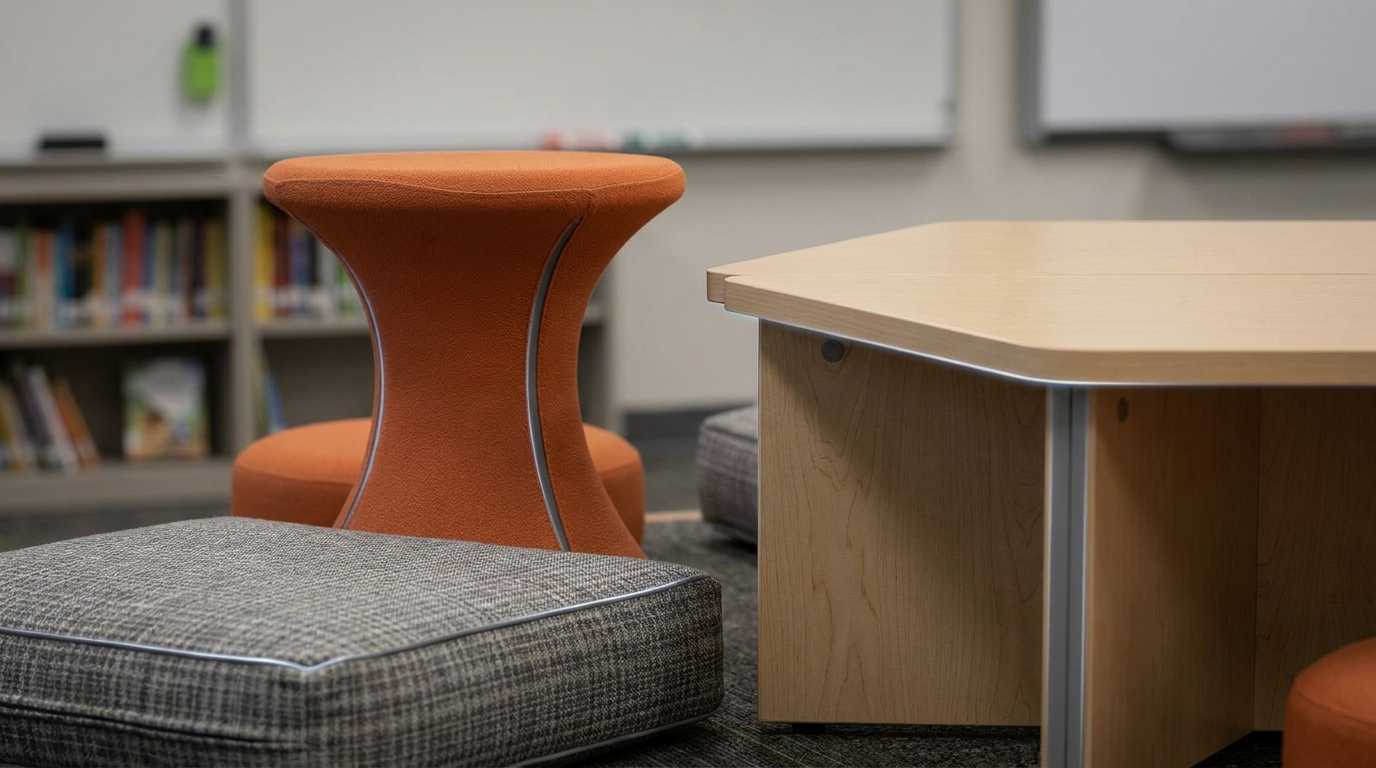
Flexible classroom furniture directly challenges the idea that students must sit still in a standard chair to learn. This trend includes items like wobble stools, which allow for gentle movement to aid focus, and soft seating options like beanbags or floor cushions for reading corners. According to the World Health Organization (WHO) (2020), guidelines recommend limiting sedentary time, and providing varied seating helps achieve this. Tiered seating or benches also encourage collaborative classroom seating arrangements for group discussions and presentations, breaking the monotony of the traditional classroom layout.
Trend 2: Modular and Height-Adjustable Tables
The static rectangular desk is being replaced by modular tables in various shapes – like trapezoids, wedges, and curves – that can be easily clustered together for group projects or separated for individual work. Many of these tables are also mobile, featuring castors for quick room reconfiguration. Furthermore, the introduction of height-adjustable or sit-stand desks for both students and teachers acknowledges the ergonomic and health benefits of changing posture. This adaptability is central to creating agile learning environments that cater to different tasks and physical needs.
Trend 3: Integrated Storage and Technology
A cluttered classroom can be a distracting one. Modern furniture often incorporates clever storage to combat this. Desks with built-in tray units, seating with under-seat compartments, and mobile storage caddies help keep learning materials organised and accessible. As technology becomes more integrated into lessons, furniture is also adapting. Desks with built-in power outlets and cable management systems facilitate the use of laptops and tablets without creating tripping hazards. These features are a core part of planning effective school storage solutions that support, rather than hinder, learning.
Ensuring Compliance: Ergonomics, Safety, and UK Standards
Yes, there are strict standards governing school furniture in the United Kingdom, and compliance is not optional. The most critical standard is BS EN 1729, which covers both ergonomics and safety. As a trusted supplier, we ensure all our educational furniture meets these legal requirements, a crucial check for any school.
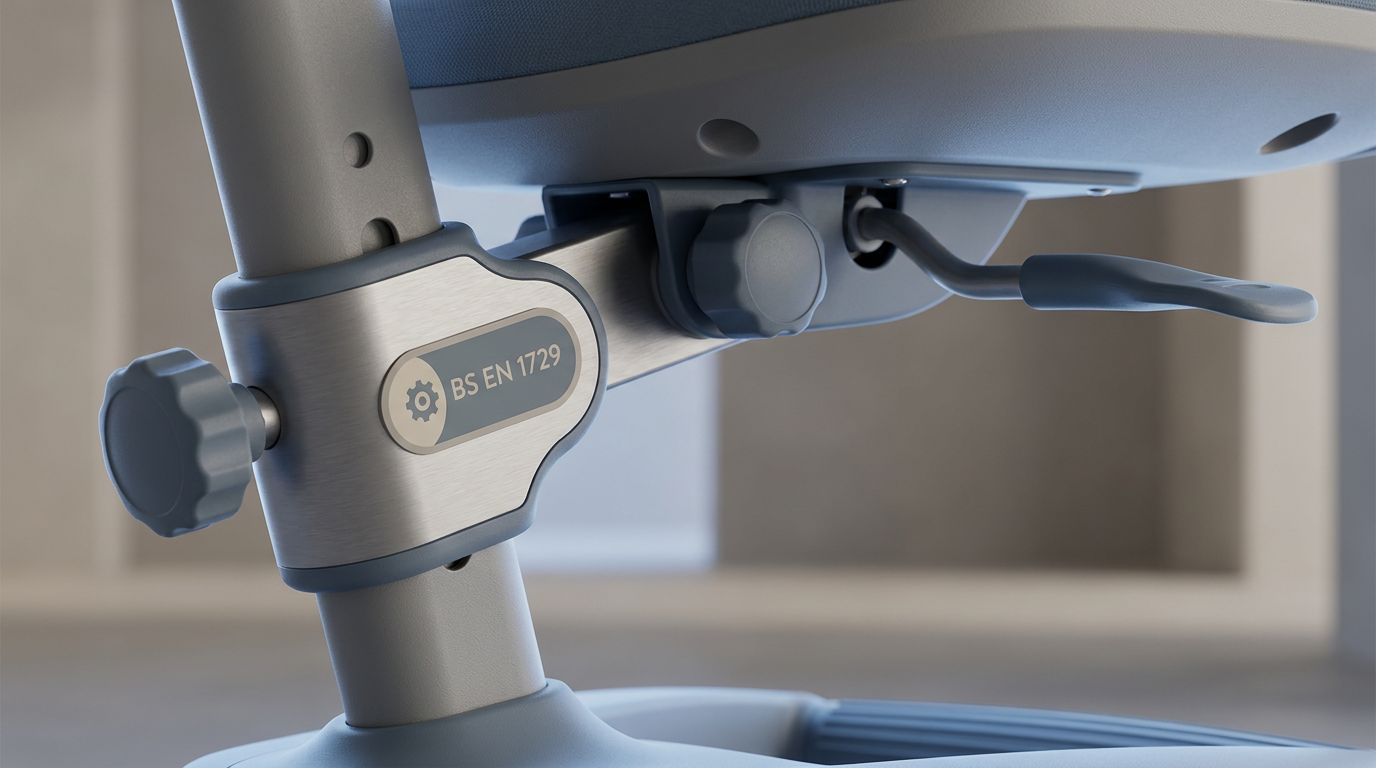
BS EN 1729 is split into two parts:
- Part 1: Functional Dimensions. This part is focused on ergonomics. It specifies the correct size and dimensions for chairs and tables based on the age and height of the students using them. Using correctly sized ergonomic school chairs and desks helps promote good posture, improves comfort, and can enhance concentration by reducing physical strain and fidgeting.
- Part 2: Safety Requirements and Test Methods. This part ensures furniture is strong, stable, and durable enough to withstand the demanding environment of a school. It involves rigorous testing for strength and stability to prevent accidents.
Beyond BS EN 1729, any upholstered furniture must meet fire safety regulations, typically the CRIB 5 standard for contract use. The Health and Safety Executive (HSE), Great Britain’s national regulator for workplace health and safety, also provides general guidance for educational settings. Working with reputable school furniture suppliers UK who can certify compliance with all relevant school furniture regulations UK is the most effective way to mitigate risk.
How should a UK school procure furniture?
Navigating the procurement process can be daunting for School Business Managers. Our experience shows that a structured approach is key to success. Here is a practical checklist for procuring new furniture.
- Needs Assessment: Consult with teachers and even students. What learning activities are being hindered by the current setup? What do they need to facilitate better group work or individual focus?
- Budget Approval & Business Case: Develop a clear proposal for governors or the trust board. Focus on the long-term educational benefits and whole-life cost, not just the initial price tag.
- Supplier Vetting: This step is crucial. Look for established school furniture suppliers UK with a well-supported by research track record. Check if they are members of the British Educational Suppliers Association (BESA), a UK trade association for educational suppliers whose code of practice ensures quality and safety. Ask for case studies, testimonials, and proof of BS EN 1729 compliance.
- Utilise Frameworks: Check if your Local Authority or Multi-Academy Trust has an approved supplier list or purchasing framework. These can streamline the process and may offer pre-negotiated pricing.
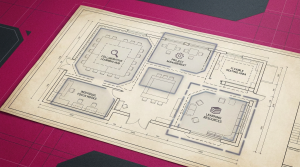
- Request Quotes & Space Plans: A good supplier will offer a free space planning service. This helps you visualise the new layout and ensures you order the right quantity and sizes. We believe this is a fundamental part of our “Design To Install We Do It All!” service.
- Schedule Delivery & Installation: Plan for delivery and installation during school holidays to minimise disruption. A professional supplier can manage this entire process, from delivery to removal of old furniture, which is a huge benefit for Saving Time & Stress. This is a key part of planning comprehensive school furniture replacement projects.
Making the Business Case for Investment: Budgeting and ROI
Justifying the expenditure on modern furniture to a governing body or trust requires a solid business case. The key is to shift the conversation from cost to value, focusing on whole-life cost and Return on Investment (ROI). While the initial ticket price of high-quality, durable furniture may be higher, it often research suggests more economical over time.
One of the most common issues we see is schools falling into the trap of avoiding common school budgeting mistakes by focusing solely on the lowest upfront cost, only to face higher replacement and maintenance bills down the line. A better approach is to calculate the ROI by weighing the cost against tangible benefits:
- Reduced Replacement Frequency: High-quality, durable school tables and chairs with long may help (e.g., 5-10 years) reduce the total cost of ownership.
- Improved Learning Outcomes: While harder to quantify, improved student engagement and focus, facilitated by collaborative classroom seating and ergonomic design, contribute directly to the school’s core mission.
- Better Space Utilisation: Flexible furniture allows one room to serve multiple purposes, maximising the value of your school’s physical footprint.
For schools with tight budgets, a phased implementation is a practical strategy. Start with one or two classrooms to create a pilot project. This allows you to measure the impact, gather positive feedback from teachers and students, and build a stronger case for further investment.
| Furniture Type | Primary Benefit | Typical Lifespan (Years) | Best For (Learning Style) |
|---|---|---|---|
| Modular Tables | Flexibility & Collaboration | 10-15 | Kinaesthetic, Interpersonal |
| Wobble Stools | Improved Focus & Activity | 5-8 | Kinaesthetic, Solitary |
| Ergonomic Chairs | Posture & Concentration | 10-15+ | All Styles (Foundation) |
| Soft Seating (Beanbags) | Comfort & Informal Learning | 3-5 | Intrapersonal, Linguistic |
Case Study: A Phased Approach at a UK Primary School
- Challenge: A multi-academy trust primary school faced low student engagement in its Year 4 classrooms. The existing, mismatched furniture was static, difficult to reconfigure for group work, and frequently needed repair, draining the maintenance budget.
- Solution: Working with us, the school opted for a phased rollout. They refitted two Year 4 classrooms with modular tables on castors, a mix of ergonomic chairs and wobble stools, and a dedicated soft-seating area. The project was completed during the summer holidays.
- Results: After two terms, teacher surveys showed a 40% increase in student-led collaborative work. Maintenance requests for furniture in those classrooms dropped to zero, saving an estimated £1,200 in the first year. The success of the pilot secured funding to roll out the design to the rest of Key Stage 2.
- Key Insight: Starting small with a pilot project provided concrete evidence of the benefits, making it much easier to secure board approval for a wider investment.
Frequently Asked Questions About Modern Classroom Furniture
What is modern classroom furniture?
Modern classroom furniture is adaptable, ergonomic, and student-centred furniture designed to support diverse learning activities beyond traditional lectures. It includes items like modular tables, flexible seating, and standing desks that create more dynamic and collaborative educational environments. This approach prioritises student choice and movement, which research suggests is essential for engagement.
Why is flexible classroom furniture important?
Flexible classroom furniture allows teachers and students to quickly reconfigure a room to suit the task at hand. This adaptability supports different learning styles and has been shown to improve student engagement and ownership of their learning space. Whether it’s for group collaboration, individual study, or direct instruction, it’s a key component of creating an agile learning environment.
How does ergonomic furniture benefit students?
Ergonomic school chairs and tables directly support student health and concentration by promoting good posture and reducing physical strain. Proper ergonomics can minimise fidgeting and discomfort, allowing students to focus better on their lessons for longer periods. This is a key requirement of the UK’s BS EN 1729 standard for educational furniture, which is designed to protect student well-being.
What is the BS EN 1729 standard?
BS EN 1729 is the mandatory British and European standard for furniture used in educational institutions. It specifies the correct ergonomic dimensions for chairs and tables based on student size (Part 1) and sets rigorous strength and stability requirements to ensure durability (Part 2). Reputable UK suppliers must provide furniture that meets this standard for safety and suitability.
How can UK schools budget for new furniture?
UK schools can budget for new furniture by taking a phased approach, upgrading one or two classrooms at a time. It’s crucial to focus on the whole-life cost, as durable, compliant furniture saves money on replacements long-term. We also advise seeking quotes from suppliers who offer Bulk Buy Discounts and free space planning services to maximise a tight budget.
Are standing desks a good idea for primary schools?
Yes, standing desks can be an excellent option in primary schools as they help reduce sedentary time and cater to active learners. However, they should be offered as a choice alongside traditional seating, not as a replacement for all desks. The key to a successful modern classroom is providing a variety of options to suit different students, needs, and tasks throughout the day.
What’s the difference between collaborative and traditional seating?
Traditional seating consists of individual desks facing forward, designed for passive listening, whilst collaborative seating is designed for interaction. Collaborative classroom seating uses modular tables, curved benches, and grouped chairs to facilitate communication, teamwork, and project-based learning. It is designed for active participation rather than isolation, which is vital for developing modern skills.
How do I choose a reliable school furniture supplier in the UK?
Look for a supplier with a long track record, who can provide case studies and testimonials from other UK schools. Ensure they explicitly state their furniture complies with BS EN 1729, offer long may help, and are members of trade bodies like BESA. A reliable supplier, like Cost Cutters UK, will also offer services like space planning and project management.
What materials are most durable for school tables?
For durable school tables, look for solid wood or high-pressure laminate (HPL) tops, as they resist scratches and are easy to clean. The frame is equally important; a fully-welded steel frame is significantly more reliable than one assembled with bolts. A strong, crush-bent frame with a durable coating is a hallmark of quality educational furniture designed to last.
Can I mix modern furniture with my existing classroom setup?
strongly, mixing modern pieces with existing furniture is a highly effective and budget-friendly strategy. You can start by introducing a ‘collaboration corner’ with modular tables or a ‘quiet zone’ with soft seating. This phased approach allows you to test what works for your students and teachers before committing to a full classroom overhaul.
Important Considerations
This guide is based on current trends and UK standards as of August 2026. While the principles of flexibility and ergonomics are well-established, specific product innovations and pedagogical research will continue to evolve. School leaders should typically supplement this guidance with consultations with their teaching staff to understand specific classroom needs and what works best for their pupils.
The primary alternative to a full-scale adoption of modern furniture is a strategic re-arrangement of existing, traditional furniture. Creating zones for group work and individual study with current assets can achieve some of the benefits of an agile environment without significant capital outlay. However, this approach may not provide the same ergonomic, mobility, or durability advantages as purpose-built modern furniture.
Before making any significant investment, we strongly recommend a classroom-level needs analysis and a consultation with an educational furniture specialist. A specialist can provide a free space plan, demonstrate product samples, and ensure your final selection is fully compliant, durable, and aligned with your school’s specific educational goals. This expert advice is invaluable for Saving Time & Stress and ensuring a successful project.
Creating the Future Classroom: Your Next Steps
Embracing modern classroom furniture is a strategic decision that goes beyond aesthetics, directly impacting student engagement, well-being, and learning outcomes. By prioritising flexibility, ergonomics, and durability, schools can create agile environments that prepare students for the collaborative world of tomorrow. A successful transition relies on careful planning, smart procurement from trusted school furniture suppliers UK, and a focus on long-term value over short-term cost.
At Cost Cutters UK, we have spent over 35 years partnering with schools across the country to transform their learning spaces. Our team of specialists understands the unique challenges of the UK education sector, from tight budgets to strict compliance. We are Rated Excellent On Trustpilot because we deliver on our promises. If you are considering an upgrade, we can help you build the business case and design a space that works. From “Design To Install We Do It All!”
Get a Free Space Plan & Quote today to start your project with an experienced partner.
References
- Health and Safety Executive (HSE) – UK Government Guidance. Provides the legal framework and practical advice for workstation ergonomics under the Health and Safety (Display Screen Equipment) Regulations 1992.
- European Agency for Safety and Health at Work (EU-OSHA) – EU Body Research. Highlights research on the prevalence and prevention of musculoskeletal disorders (MSDs) related to poor workstation design.
- Department for Education (EYFS Framework) – UK Government Statutory Framework. Mandates that premises and equipment in early years settings must be safe and suitable.
- British Educational Suppliers Association (BESA) – Professional Organisation Code of Practice. Requires member suppliers to ensure products are high quality, safe, and fit for purpose in an educational context.
- World Health Organization (WHO) – International Body Guidelines (2020). Recommends limiting sedentary time, providing the health basis for more active classroom designs.
- Statista – Market Research Data (2024). Provides market data showing the UK office furniture market revenue at US$2.28bn in 2024, indicating the scale of investment in workplace environments.
- WN School Furniture – Industry Insights. Provides practical ideas for furniture that maximises space in modern schools, such as nesting chairs and foldable tables.
- Edu-Quip – Supplier Buying Guide. Offers guidance on selecting appropriate tables and chairs, emphasising the importance of material, frame, and edge quality for durability.
- Gratnells – Industry Analysis. Discusses how modern materials like plastics and composites offer improved hygiene, lighter weight, and greater design flexibility compared to traditional materials.
Conclusion
Creating the Future Classroom: Your Next Steps
In summary, modern classroom furniture is a strategic decision that goes beyond aesthetics, directly impacting student engagement, well-being, and learning outcomes. By prioritising flexibility, ergonomics, and durability, schools can create agile environments that prepare students for the collaborative world of tomorrow. A successful transition relies on careful planning, smart procurement from trusted school furniture suppliers UK, and a focus on long-term value over short-term cost.
At Costcutters UK, we have spent over 35 years partnering with schools across the country to transform their learning spaces. Our team of specialists understands the unique challenges of the UK education sector, from tight budgets to strict compliance. If you are considering an upgrade, we can help you build the business case and design a space that works. Get a Free Space Plan & Quote today to start your project with an experienced partner.