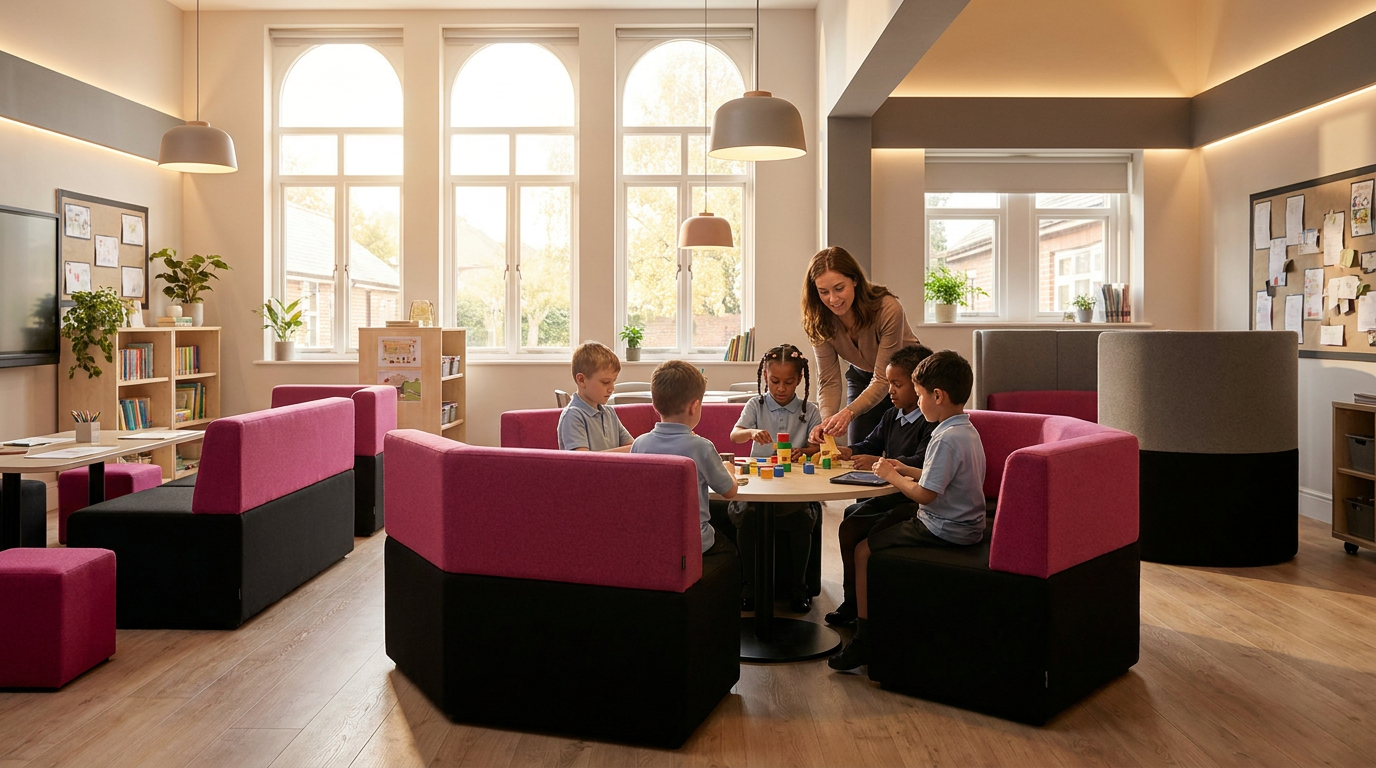
Ofsted Expectations: Your Guide to Creating Enabling Learning Environments
🎯 Key Takeaway
Meeting Ofsted expectations for an enabling learning environment involves creating a physical, social, and emotional space that is ambitious, well-sequenced, and supports the needs of all pupils, including those with SEND. This environment is not just about aesthetics; it’s a critical tool for implementing your curriculum and demonstrating its impact. An effective space provides tangible evidence to inspectors that your school fosters high-quality education, positive behaviour, and holistic personal development, directly influencing the final inspection judgement.
Understanding what inspectors are truly looking for can feel like a challenge. For UK school leaders, the pressure to meet Ofsted expectations under the Education Inspection Framework (EIF) is significant. Many believe this requires a complete, and often expensive, overhaul. However, it’s not about a simple ofsted inspection checklist or having the newest equipment. The focus is on how your physical environment – from classroom layout to furniture choices – actively supports your educational goals. This guide bridges the gap between Ofsted’s abstract framework and the tangible actions you can take. We’ll provide a practical roadmap for creating an ‘enabling environment’ that works for your pupils, your staff, and your budget, leveraging our experience with a full range of educational supplies.
👤 Written by: Costcutters UK Content Team
Reviewed by: Costcutters UK Editorial Team, Specialists in UK Educational Furniture and Space Planning with 35+ Years Experience; Rated Excellent On Trustpilot
Last updated: 28 May 2026
ℹ️ Transparency Disclosure: This article explores Ofsted’s criteria for learning environments based on the official Education Inspection Framework (EIF) and our 35+ years of experience supplying UK schools. Our goal is to provide practical, actionable advice. Some links may connect to our services or products. All information is verified by our editorial team for accuracy and relevance. Costcutters UK is a trusted supplier on public sector frameworks, committed to helping schools achieve their vision.
Demystifying the Ofsted Framework: What Are the Real Expectations?
The core of Ofsted expectations is not a prescriptive list of what to buy, but an assessment of how well your environment supports learning. Inspectors do not arrive with a checklist for furniture brands or wall display colours. Instead, they evaluate the ‘Quality of Education’ using the ‘three I’s’: Intent (what you plan to teach), Implementation (how you teach it), and Impact (what pupils learn and can do). Your physical environment is a primary source of evidence for ‘Implementation’.

The Office for Standards in Education, Children’s Services and Skills (Ofsted) is the body that inspects services providing education and skills for learners of all ages. Its framework is designed to assess effectiveness. According to the official Ofsted: Education inspection framework (EIF), inspectors will gather evidence to judge how your curriculum is being delivered on a day-to-day basis. A well-organised, resource-rich, and accessible classroom directly demonstrates effective implementation.
Also, the environment provides crucial evidence for other key judgements:
- Behaviour and attitudes: A calm, orderly, and respectful environment is a prerequisite. Inspectors will observe how the layout minimises disruption and promotes positive interactions.
- Personal development: The space should provide opportunities for pupils to develop independence, resilience, and respect for others. This can be seen in how they access resources, take ownership of their space, and collaborate with peers.
Essentially, your learning environment should tell a story that aligns with your school’s vision. It should be visibly purposeful, supporting the curriculum you have so carefully designed.
What Are the Core Components of an Enabling Learning Environment?
An enabling learning environment is a space that is thoughtfully designed to support the development and learning of all pupils. While the term originates in the Early Years Foundation Stage (EYFS), its principles are central to Ofsted’s view of a high-quality educational setting at any age. It is built on three interconnected pillars that work together to create a holistic, supportive, and challenging space for every child.
The three pillars are:
- The Physical Environment: This refers to the overall design of the space, including the furniture, layout, and accessibility of resources. It’s about creating a safe, calm, and stimulating place to learn.
- Good/Outstanding looks like: Resources are logically organised and easily accessible to pupils, promoting independence. The layout is flexible, allowing for whole-class instruction, group collaboration, and individual work. Spaces are safe, well-maintained, and inclusive for pupils with Special Educational Needs and/or Disabilities (SEND).
- The Social & Emotional Environment: This pillar concerns the quality of relationships, the sense of community, and the overall feeling of well-being within the space. It’s about creating a place where pupils feel safe, valued, and respected.
- Good/Outstanding looks like: There is a culture of mutual respect between pupils and staff. The classroom promotes positive relationships and provides opportunities for children to develop social skills. According to The Chartered College of Teaching’s journal on Learning Environments, this emotional foundation is critical for academic risk-taking.
- The Learning Environment: This focuses on how the environment supports the curriculum and pedagogical approach. It’s about ensuring the space facilitates challenge, curiosity, and deep learning.
- Good/Outstanding looks like: The environment reflects a high-ambition curriculum. It provides a rich variety of resources and activities that challenge pupils and encourage them to think critically. Research from the University of Salford (2015) found that well-designed classrooms can boost learning progress by up to 16%, highlighting the direct impact of the physical space on academic outcomes.
From Theory to Practice: Designing an Ofsted-Ready Classroom Layout
Creating an effective classroom layout for ofsted is less about aesthetics and more about functionality. Your design choices should be deliberate, directly supporting your teaching practice and curriculum intent. A powerful strategy we recommend is ‘Classroom Zoning’, which involves designating specific areas of the room for different types of learning activities.
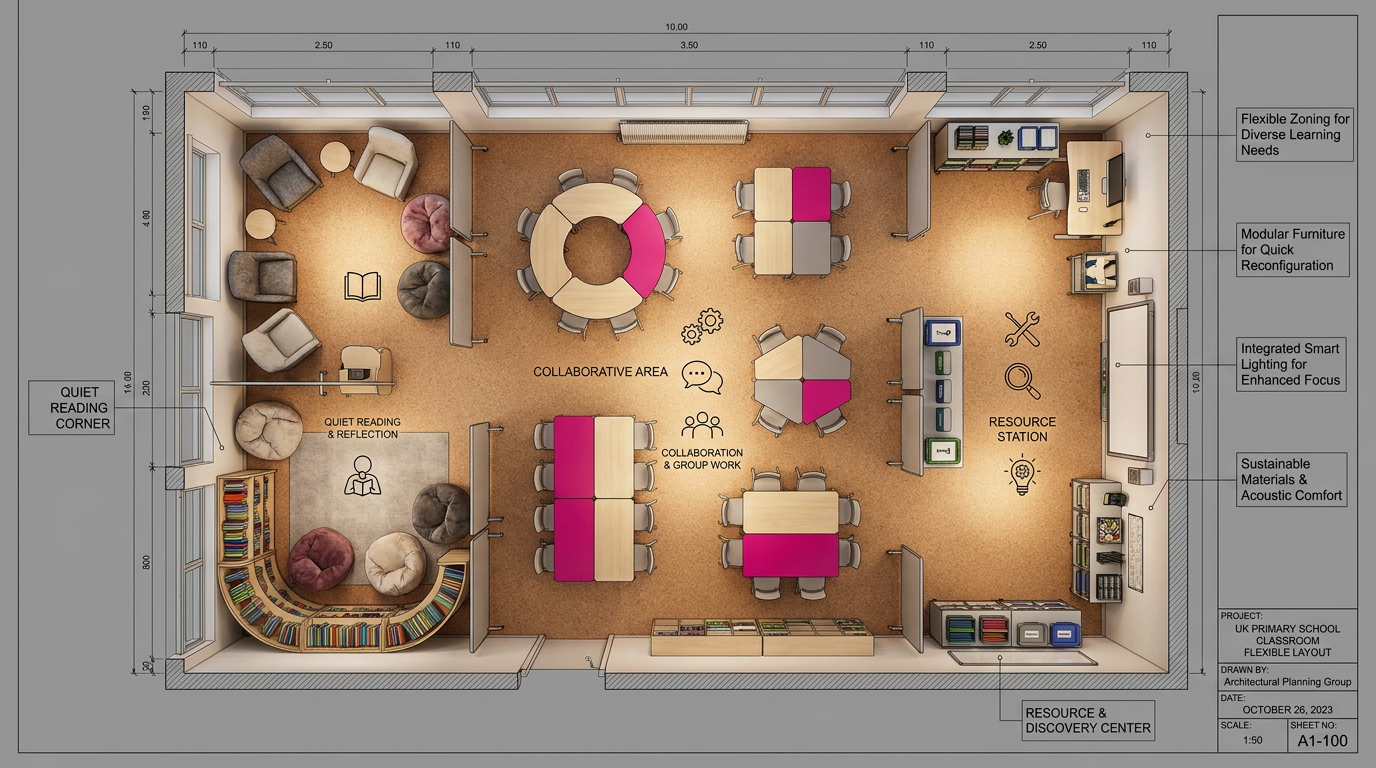
This approach creates a purposeful and organised environment that inspectors can easily interpret. Consider implementing zones such as:
- A Collaborative Hub: Use modular tables, like our popular Air Table, that can be quickly reconfigured for group projects. This demonstrates your commitment to developing pupils’ teamwork and communication skills.
- A Quiet Reading Corner: Soft seating, well-stocked bookshelves, and good lighting can create an inviting space that promotes reading for pleasure – a key aspect of personal development.
- A Resource Station: A central, clearly labelled area where pupils can independently access stationery, manipulatives, and other learning tools fosters autonomy and reduces lesson disruption.
- A Sensory-Friendly Space: For pupils with SEND, a small, calm area with sensory tools can be a vital resource for self-regulation, showing your inclusive approach.
Adopting flexible learning spaces uk schools are increasingly favouring is another key strategy. Swapping rigid rows of desks for a mix of seating options (e.g., standard chairs, wobble stools, floor cushions) and table heights empowers pupils to choose the learning style that works best for them. This flexibility not only supports differentiation but also provides clear evidence of a student-centred approach, a hallmark of outstanding practice.
Case Study: A Hypothetical Primary School Scenario
Challenge: A Year 4 class in a suburban primary school was experiencing low engagement and frequent disruptions. The fixed-desk layout made collaborative work difficult and failed to accommodate pupils requiring sensory breaks.
Solution: We worked with the school to redesign theclassroom layout for ofstedusing a zoning approach. They implemented a collaborative zone with modular tables, a quiet reading nook, and a designated sensory corner with tactile resources.
Results: The school reported a 25% decrease in off-task behaviour during independent work. Pupil self-reported engagement scores rose by over 15 points. During their next inspection, Ofsted praised the ‘purposeful’ and ‘well-resourced’ environment that clearly supported the needs of all learners.
Key Insight: Effective zoning is not about having a larger room; it’s about having a clear plan for how different activities will be supported by the furniture and layout.
Beyond the Physical: Classroom Design for Social and Emotional Learning
An effective classroom layout for ofsted extends beyond academic support; it is fundamental to fostering the positive ‘Behaviour and attitudes’ and ‘Personal development’ that Ofsted scrutinises. The physical environment sends powerful messages to pupils about expectations, belonging, and well-being. A thoughtfully designed space can proactively manage behaviour and create a calm, supportive atmosphere where pupils can thrive emotionally and socially.
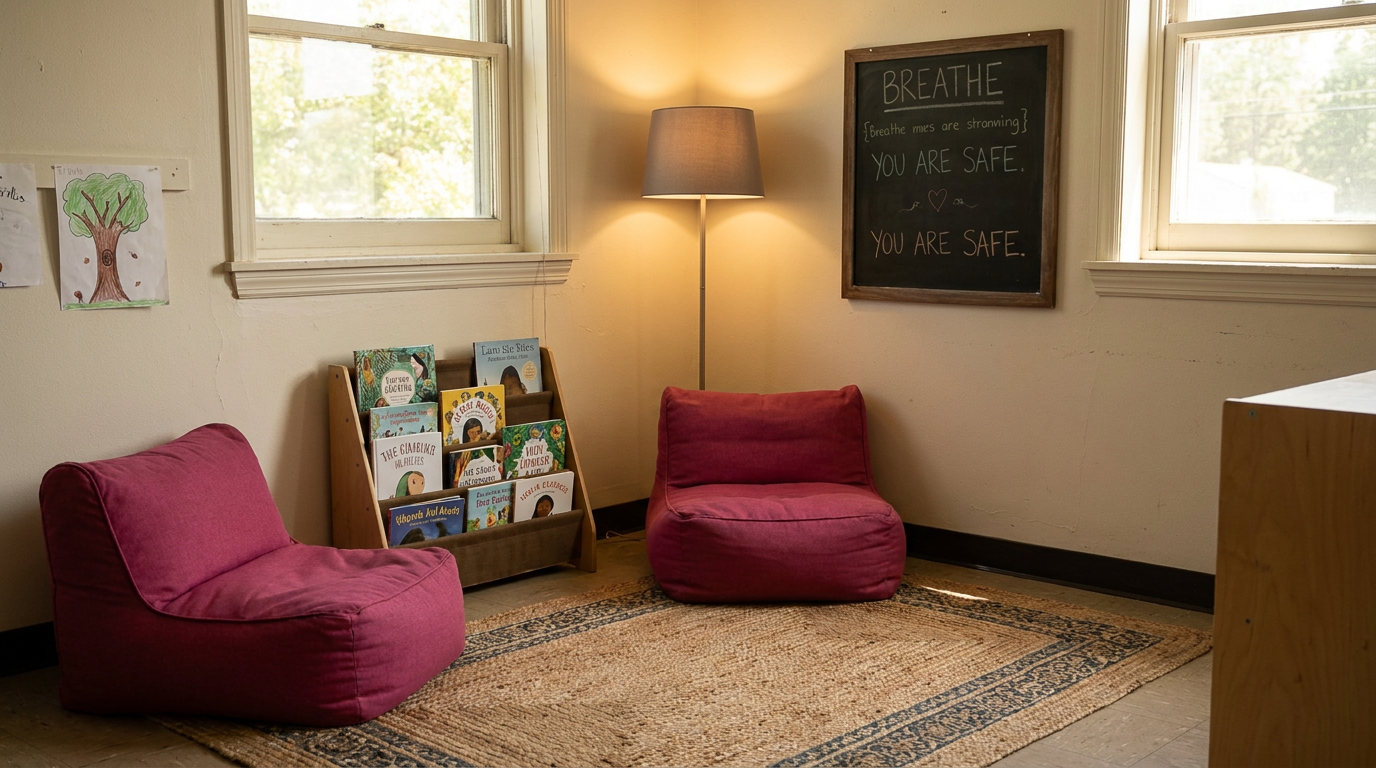
One powerful strategy is to create a sense of ownership. When pupils feel the space is ‘theirs’, they are more likely to respect it. This can be achieved through simple additions like personalised trays, named coat pegs, or designated display areas for their work. This demonstrates to inspectors that you are building a community, not just managing a room.
Also, the rise of flexible learning spaces uk-wide allows for the integration of areas that support emotional well-being. Incorporating flexible breakout furniture can create informal spots for mentoring, peer support, or quiet reflection. A small, comfortable seating area can become a safe space for a child who is feeling overwhelmed, demonstrating a proactive and compassionate approach to pupil welfare. This is particularly crucial for supporting pupils with SEND, providing them with the necessary environmental adjustments to access learning and regulate their emotions effectively. In our experience, these thoughtful additions provide compelling evidence of a school’s commitment to holistic child development.
Procuring for Success: Meeting Ofsted Standards on a School Budget
For the School Business Manager (SBM), the challenge is to meet these high standards within tight budgetary constraints. The solution lies in shifting the procurement mindset from ‘cost’ to ‘long-term value’. A cheap chair that breaks in two years is far more expensive than a durable one that lasts ten. This is where strategic school furniture procurement uk becomes a vital part of your school improvement plan.
Working with an experienced, trusted supplier who understands public sector procurement rules is essential. At Cost Cutters UK, we are proud of our public sector accreditations and our place on frameworks like those detailed by ESPO, which guarantee compliance and value for money. We offer a ‘Design To Install We Do It All!’ service that helps schools maximise their investment. This includes free space planning to ensure your layout is optimised for learning, as well as offering Bulk Buy Discounts and flexible payment options like Credit Accounts Or Pay Flexibly.
We believe that a smart procurement strategy directly supports Ofsted readiness. By choosing furniture that is fit for purpose, durable, and flexible, you are making a sustainable investment in the quality of education. This approach aligns with the Department for Education’s (DfE) emphasis on creating a strong and sustainable school system through efficient resource management.
The table below illustrates how specific furniture choices align with Ofsted criteria and deliver long-term value.
| Furniture Type | Primary Benefit | Alignment with Ofsted Criteria | Typical Lifespan (Value) |
|---|---|---|---|
| Modular Tables | Flexibility for individual, pair, and group work. | Supports Implementation of a flexible, collaborative curriculum. Fosters Personal development (teamwork). | 10-15 Years |
| Ergonomic Chairs | Improved pupil comfort and focus; supports good posture. | Contributes to a calm, purposeful environment for Behaviour and attitudes. Supports pupil well-being. | 10+ Years |
| Mobile Storage Units | Keeps resources organised and accessible; allows for quick room reconfiguration. | Evidence of a well-resourced, organised environment. Promotes pupil independence (Personal development). | 15+ Years |
| Soft Seating/Bean Bags | Creates comfortable, informal reading or calm-down areas. | Supports reading for pleasure and provides sensory support for pupils with SEND, impacting Quality of Education. | 5-8 Years |
Frequently Asked Questions About Ofsted and Learning Environments
What are the core Ofsted expectations for a school’s learning environment?
Ofsted expects the learning environment to be a safe, calm, and purposeful space that actively supports the school’s ambitious curriculum. The core ofsted expectations focus on how the physical space, resources, and layout enable all pupils, including those with SEND, to learn effectively. It must also help them develop positive behaviours and attitudes, providing tangible evidence for inspectors of a high-quality educational provision in action.
What is Ofsted looking for in 2026?
In 2026, Ofsted will continue its sharp focus on the principles of the Education Inspection Framework (EIF), particularly the ‘Quality of Education’ judgement. Inspectors are looking for coherent evidence that your school’s environment effectively supports your curriculum’s intent. They will assess if it is implemented effectively for all pupils and has a measurable, positive impact on their learning and holistic development. This includes how the physical space is actively used to support learning.
What is an enabling learning environment in EYFS and beyond?
An ‘enabling environment’ is a thoughtfully organised space where high-quality resources and supportive relationships empower children to learn, explore, and develop independence. While originating in the Early Years Foundation Stage (EYFS), Ofsted applies this concept across all key stages. The core principle of a well-planned, resource-rich, and supportive environment that adapts to learners’ needs remains a key indicator of quality throughout primary and secondary education.
How does classroom layout impact an Ofsted inspection?
Your classroom layout provides tangible, non-verbal evidence of your curriculum’s implementation for inspectors. A well-considered layout can demonstrate curriculum sequencing through accessible resources, show support for pupils with SEND via calm corners, and promote either collaboration or independence through flexible seating. Conversely, a chaotic or poorly resourced layout may suggest to inspectors that there are weaknesses in the implementation of your educational vision.
What are the ‘three I’s’ Ofsted look for?
The ‘three I’s’ are Intent (what you aim for pupils to learn), Implementation (how your curriculum is taught and assessed), and Impact (the knowledge and skills pupils gain). Your learning environment is a critical component of ‘Implementation’. Inspectors will directly observe how your classroom layout, furniture, and resources help you deliver your curriculum’s intent effectively and enable all pupils to make progress, thus demonstrating impact.
Is there an official Ofsted inspection checklist for furniture?
No, Ofsted does not provide an official ofsted inspection checklist for school furniture or specific equipment. Inspectors are not concerned with brand names or colours but with the function and impact of your choices on learning. They assess whether your furniture and resources create an accessible, safe, and effective learning environment that successfully meets the diverse needs of all your pupils.
How can schools fund new furniture to meet Ofsted expectations?
Schools can fund new furniture through their annual capital budget (De-Minimis), specific government grants like the Condition Improvement Fund (CIF), or by using operating leases to spread the cost. Engaging in strategic school furniture procurement uk with a supplier that understands public sector rules can help you find the most cost-effective solution. Options like Bulk Buy Discounts and flexible payment terms can make significant upgrades more affordable.
What is the ‘Quality of Education’ judgement?
This is the main, overarching judgement in an Ofsted inspection, combining curriculum, teaching, assessment, and outcomes. An enabling learning environment is a cornerstone that directly supports this judgement. It provides the physical infrastructure and resources needed to implement the curriculum effectively, thereby having a measurable and positive impact on pupil achievement, behaviour, and overall personal development which inspectors will evaluate.
What are the 7 steps of the Ofsted inspection process?
The primary stages of a graded inspection include: pre-inspection preparation and notification; on-site evidence gathering (including ‘deep dives’ and observations); meetings with leaders, staff, and pupils; and final feedback before the report is published. Your learning environment acts as a constant, passive source of evidence for inspectors throughout their entire on-site visit, informing their judgements across multiple areas of the framework.
What is the 2 hour rule for Ofsted?
The ‘2 hour rule’ is a common misunderstanding of the notification process. The official guidance states that most schools will receive notification of a graded inspection by 10:30 am on the school day before the inspection begins. There is no rule limiting inspection activities to a two-hour window; inspectors are on-site and gathering evidence for the full duration of the inspection period.
Important Considerations and Next Steps
This guide focuses on the physical learning environment as it relates to the Ofsted EIF. It does not cover other critical aspects of an inspection, such as curriculum intent, safeguarding policies, or staff development in detail. The interpretation of evidence is ultimately at the discretion of the lead inspector and their team on the day of the inspection.
While creating an enabling environment is a powerful tool for school improvement, it is just one part of a holistic educational strategy. Alternative pedagogical approaches may place different emphasis on the physical space. However, the principles discussed here – flexibility, accessibility, and resourcefulness – are broadly applicable and should be adapted to your school’s specific curriculum, pupil demographics, and overall ethos.
If you are planning a significant refurbishment, new build, or if you cater for a high proportion of pupils with complex needs, we recommend consulting with educational specialists or architects alongside our own space planning team. For specific advice on EIF compliance and the latest inspection handbook, you should typically refer to the official documentation on the GOV.UK website.
Transform Your Space, Transform Your Inspection Outcome
Ultimately, meeting Ofsted expectations is not about a last-minute scramble but about embedding excellence into the very fabric of your school’s daily life. Creating enabling learning environments is a fundamental and highly visible part of this process. By strategically designing your classrooms and common areas, you provide inspectors with constant, tangible evidence of your commitment to the quality of education, positive behaviour, and the personal development of every pupil. This proactive approach helps in Saving Time & Stress when the notification call arrives.
With over 35 years of experience helping UK schools and being Rated Excellent On Trustpilot, we at Cost Cutters UK understand the crucial link between environment and achievement. We are more than just a supplier; we are a partner in creating spaces that work. Our free space planning service can help translate your educational vision into a practical, budget-friendly reality. To take the next step, request a no-obligation quote or book a free consultation with our expert team today.
References
- Ofsted: Education inspection framework (EIF) – Official Government Guidance. Outlines the main judgements Ofsted makes, including ‘Quality of education’, ‘Behaviour and attitudes’, and ‘Personal development’.
- The Impact of Classroom Design on Pupil Learning (University of Salford) – Academic Study (2015). This research, involving 153 classrooms, showed that well-designed learning spaces can boost primary school pupils’ learning progress by up to 16% in a single year.
- DfE: Creating a strong and sustainable school system – Government Policy Paper. Emphasises the importance of efficient resource management and strategic financial planning for school improvement and sustainability.
- The Chartered College of Teaching: Learning Environments – Professional Journal. Provides evidence and teacher perspectives on how physical, social, and digital environments impact teaching and learning across different school phases.
- ESPO: Public Sector Procurement Frameworks – Public Sector Buying Organisation. Details the benefits of using procurement frameworks for schools, including compliance, value for money, and simplified purchasing processes.
Conclusion
Transform Your Space, Transform Your Inspection Outcome
In summary, ofsted expectations are not about a last-minute scramble but about embedding excellence into your school’s daily life, of which creating an enabling learning environment is a fundamental part. By strategically designing your classrooms and common areas, you provide inspectors with constant, tangible evidence of your commitment to the quality of education, positive behaviour, and personal development.
With over 35 years of experience helping UK schools, Costcutters UK understands the link between environment and achievement. We are more than just a supplier; we are a partner in creating spaces that work. Our free space planning service can help you translate your educational vision into a practical, budget-friendly reality. To take the next step, request a no-obligation quote or book a free consultation with our expert team today.