Education Planning Advice: A UK Guide to Future-Proofing Learning Environments
🎯 Key Takeaway
Effective education planning advice for future-proofing schools involves creating adaptable learning environments with flexible furniture, integrated technology, and a focus on student wellbeing. This approach ensures that physical spaces can evolve alongside pedagogical methods. We recommend you prioritise adaptability with modular and mobile furniture to support diverse teaching styles, integrate technology by selecting furniture with built-in power solutions, and invest in ergonomic, sustainable pieces to enhance student wellbeing and meet procurement goals. This guide provides a complete framework for School Business Managers and Headteachers to make informed procurement decisions for creating future-ready schools.
For UK school leaders, balancing tight budgets with the need to create modern, effective learning spaces is a persistent challenge. As of April 2026, the pressure to deliver outstanding educational outcomes has rarely been greater. Strategic education planning advice reframes this challenge, positioning the “future-proofing” of classrooms not as a mere expense, but as a critical investment in student success and operational efficiency. This is about moving beyond simple furniture replacement towards a holistic strategy that encompasses an agile classroom setup, robust technology integration, and long-term student wellbeing. This guide provides a practical framework to help you navigate procurement and design choices, ensuring your school is ready for the demands of tomorrow.
Written by: Cost Cutters UK Content Team | Reviewed by: Editorial Team, 35+ Years Experience; Rated Excellent On Trustpilot
ℹ️ Transparency Disclosure: This article offers education planning advice based on our 35+ years of industry experience supplying UK schools from our comprehensive range of school and educational equipment. Our goal is to be a trusted partner for educational institutions. For transparency, some links may connect to our services, and all information has been verified for accuracy by our editorial team.
Why is Adaptability the Cornerstone of Modern Education Planning Advice?
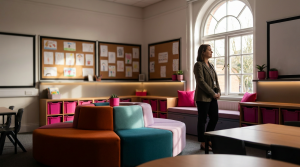
Adaptability is the single most important principle in future-proofing a classroom because modern teaching is no longer static. Educational practice has shifted significantly from a traditional, didactic ‘teacher-at-the-front’ model to a more dynamic and collaborative one. An effective learning space must support this evolution, accommodating individual study, small group projects, peer-to-peer tutoring, and whole-class instruction, often within the same lesson period. This is where flexible learning spaces furniture becomes essential.
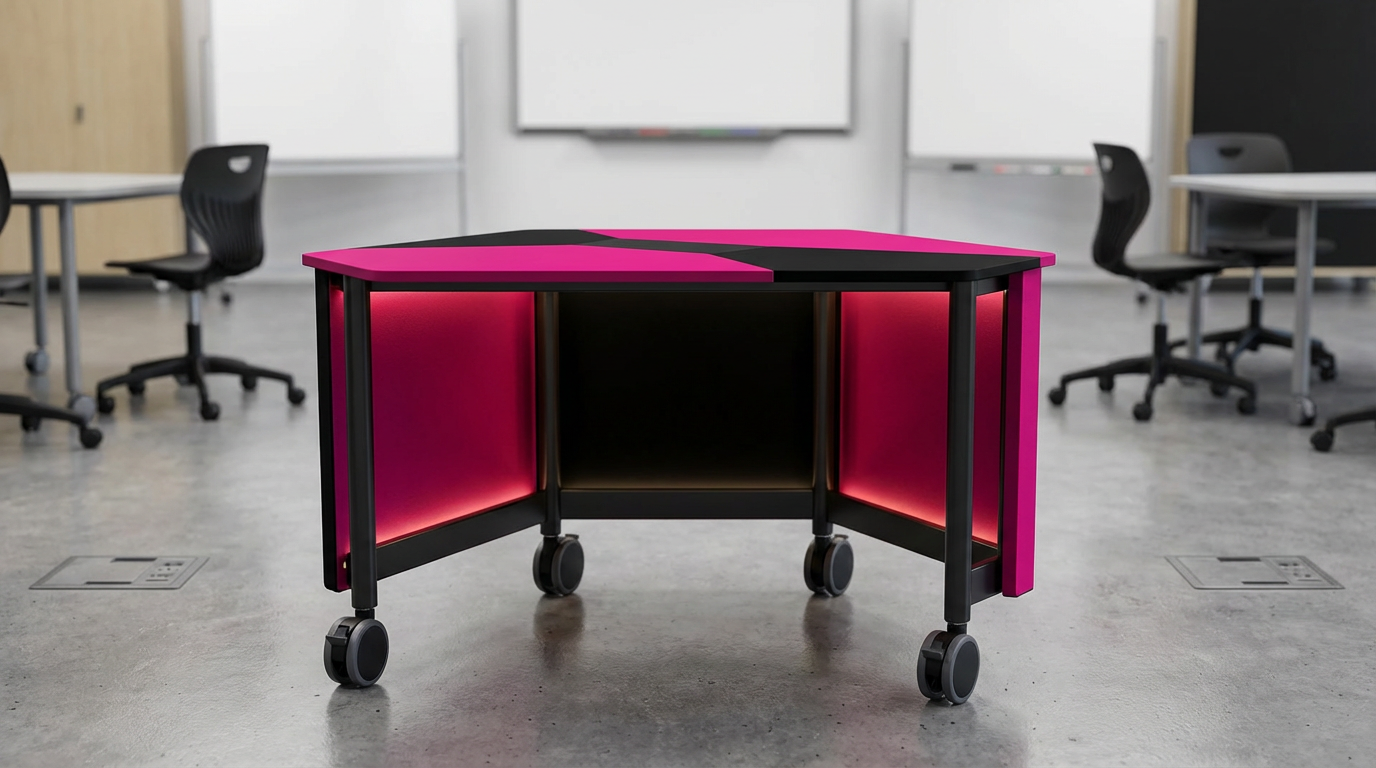
Our experience shows that modular tables on castors, lightweight stackable chairs, and tiered soft seating can transform a rigid room into a multi-functional hub. For example, trapezoidal tables can be arranged in rows for an exam, then quickly reconfigured into hexagonal pods for group work. This agility is particularly crucial in older UK school buildings where space is often at a premium. Rather than being a constraint, a smaller footprint can become an asset when furnished with pieces designed for maximum utility. By investing in adaptable furniture, you empower teachers to tailor the physical environment to the learning objective, directly impacting student engagement and outcomes. We believe this is the foundation of a truly responsive school.
Case Study: A Hypothetical Primary School Scenario
Challenge: A Year 5 classroom in a city-centre academy struggled with a fixed layout of heavy, traditional desks. This made it difficult for the teacher to implement collaborative learning activities, leading to disengagement and wasted lesson time during transitions.
Solution: The school used our “Design To Install We Do It All!” service to re-equip the room with lightweight, modular tables and mobile chairs. We also incorporated two soft-seating zones with low tables.
Results: The teacher reported being able to reconfigure the room for three different activities in under five minutes. Student collaboration on projects increased by an estimated 40%, and off-task behaviour during transitions was visibly reduced.
Key Insight: Investing in flexible furniture isn’t just about aesthetics; it’s a tool that directly enables more effective and varied teaching methods, “Saving Time & Stress” for educators.
How Does Furniture Integration Support a Modern Classroom Design UK?
A truly modern classroom design UK educators need is one where technology is seamlessly embedded, not just added as an afterthought. Effective integration means the furniture itself must support the use of devices, from power and charging to secure storage and connectivity. Planning for this from the outset prevents common problems like tangled extension cords creating trip hazards or a lack of charging ports disrupting lessons.
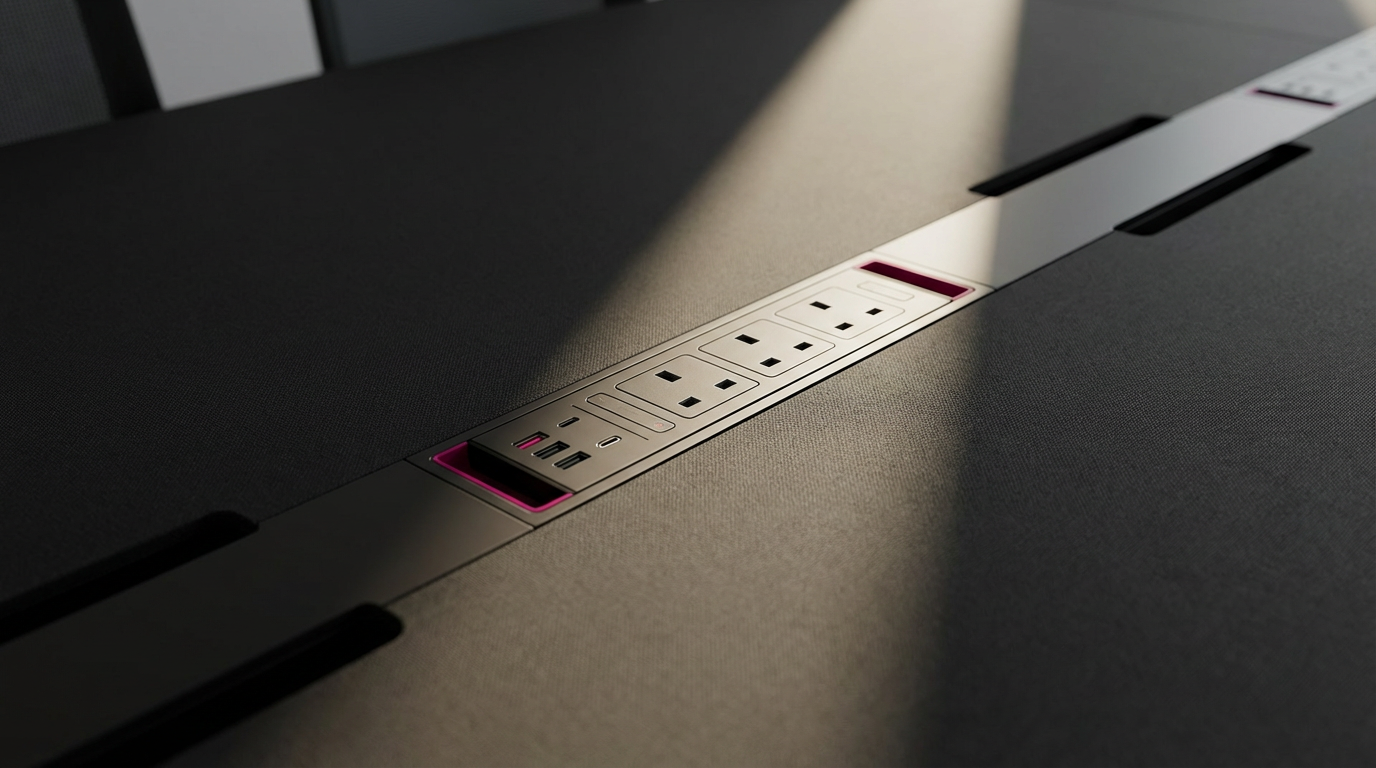
We recommend selecting furniture with built-in power modules, integrated cable management systems, and dedicated, secure storage for laptops and tablets. For instance, collaborative benching systems can incorporate power towers that provide multiple UK plug and USB sockets, allowing a whole group of students to work on their devices simultaneously. According to a 2025 survey by the British Educational Suppliers Association (BESA), 78% of secondary school teachers report that insufficient access to charging points is a barrier to using technology effectively in the classroom.
Also, furniture choices should complement other classroom technology. Media tables shaped for clear sightlines to an interactive whiteboard or presentation screens ensure that no student has an obstructed view. It’s also vital to consider compliance; any furniture with integrated electronics must adhere to UK standards for Portable Appliance Testing (PAT). A well-planned, integrated environment is safer, more efficient, and creates a professional learning atmosphere conducive to 21st-century education.
What is the Role of Wellbeing and Sustainability in Education Planning Advice?
Strategic education planning advice must extend beyond academics and technology to encompass student wellbeing and environmental responsibility. These two concepts are directly linked to the quality and longevity of school furniture. Investing in ergonomics and sustainability isn’t an optional extra; it’s a core component of creating a healthy, positive learning environment and achieving long-term value for money.
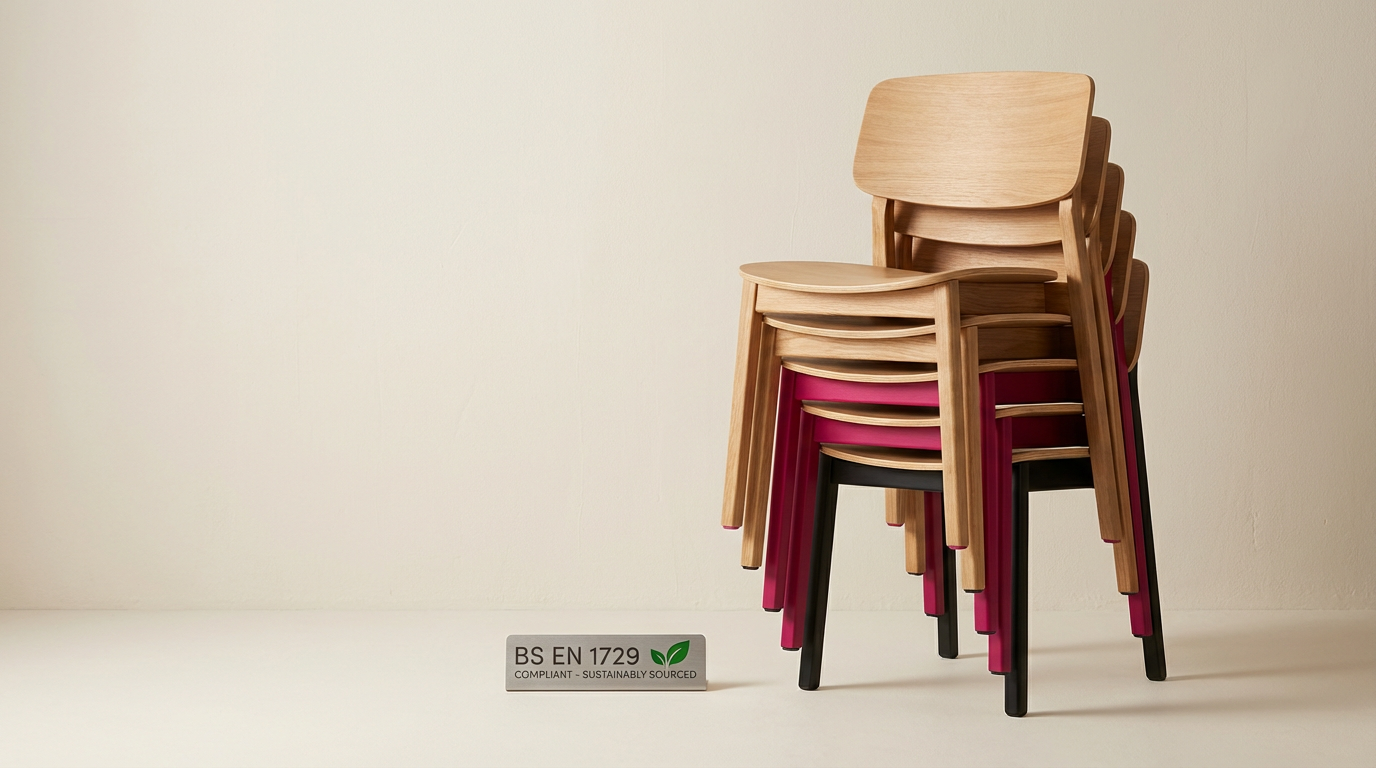
Data from educational bodies consistently shows a link between physical comfort and concentration. This is why adherence to the BS EN 1729 standard is non-negotiable. This standard, a key part of European and UK regulations, dictates the appropriate size, height, and shape of chairs and desks to support good posture for different age groups. Ergonomic furniture reduces fidgeting and discomfort, helping pupils to stay focused for longer.
Simultaneously, sustainability has become a critical factor in UK public sector procurement. Opting for sustainable school furniture UK suppliers can offer means choosing products made from responsibly sourced materials, like FSC-certified wood, or those utilising recycled content. A 2024 report from the Department for Education (DfE) highlighted that durable, well-made furniture has a lower total cost of ownership, reducing replacement cycles and waste. Check for a supplier’s credentials, such as our certifications and accreditations, to ensure their products meet these standards. This dual focus on wellbeing and sustainability delivers a better experience for students and a smarter, more responsible investment for the school.
What Should a School Business Manager’s Procurement Guide Include?
For a School Business Manager (SBM), a robust school furniture procurement guide transforms a complex purchasing process into a strategic exercise. Effective procurement advice balances cost, quality, and fitness for purpose to deliver an effective possible value. At Cost Cutters UK, where we are “Rated Excellent On Trustpilot”, we advise a clear, four-step approach.
First, conduct a thorough Needs Analysis. This involves consulting with teachers and even students to understand how spaces are actually used and what pedagogical goals the new furniture should support. Don’t just replace like-for-like. Second, develop a budget based on Total Cost of Ownership (TCO), not just the initial ticket price. A cheaper chair that breaks in three years is more expensive than a pricier, warrantied one that lasts for ten. Our Bulk Buy Discounts can significantly help in managing these costs.
Third, perform rigorous Supplier Vetting. Is the supplier experienced in the UK education sector? Do they hold relevant certifications (like ISO 9001 for quality management)? Can they provide case studies and testimonials? Fourth, understand how to navigate procurement frameworks. While you may not use a national framework, their criteria provide an excellent benchmark for quality and compliance. A supplier who can offer flexible payment options, such as providing Credit Accounts Or Pay Flexibly, demonstrates an understanding of school budgeting cycles.
Finally, partner with a supplier who offers value-added services. A free space planning consultation, for example, can prevent costly mistakes and ensure your chosen flexible learning spaces furniture maximises your environment’s potential. You can easily get started when you request a free, no-obligation quote.
School Furniture Comparison for Strategic Procurement
| Furniture Type | Key Feature | Best For | Typical Lifespan | Budget Impact |
|---|---|---|---|---|
| Static Polyprop Chair | Low initial cost, stackable | Traditional layouts, exam halls | 3-5 years | Low upfront, high TCO |
| Mobile Ergonomic Chair | Castors, height-adjustable, BS EN 1729 compliant | Agile classrooms, varied activities | 10-15 years | Medium upfront, low TCO |
| Fixed-Leg Classroom Table | Sturdy, traditional | Science labs, art rooms, direct instruction | 8-12 years | Low-to-Medium upfront |
| Modular Flip-Top Table | Mobile, nestable for storage, reconfigurable shapes | Flexible learning spaces, multi-use halls | 10+ years | Medium-to-High upfront, high ROI |
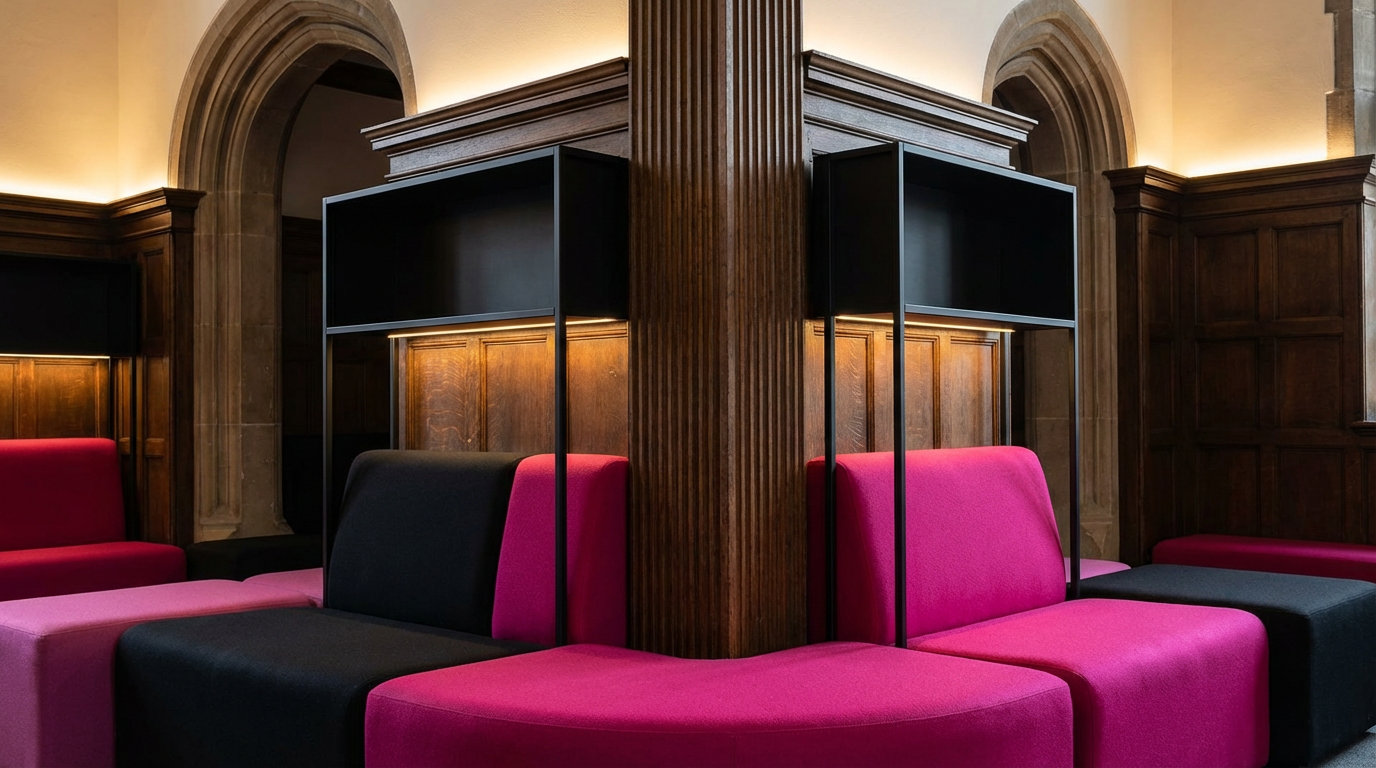
| Soft Seating/Breakout | Promotes comfort and informal collaboration | Libraries, common rooms, quiet reading corners | 5-8 years | Varies by material quality |
Important Considerations
The principles of adaptability and integration are powerful, but their application depends heavily on your school’s specific context. Research shows that older buildings, which constitute over 60% of the UK’s school estate according to a 2024 government report, often have fixed architectural features, limited power outlets, and smaller room sizes that present real-world constraints. A full, large-scale refurbishment may not be feasible, therefore requiring a more pragmatic, phased approach to modernisation.
An alternative to a complete overhaul is a targeted upgrade. Instead of replacing all furniture at once, you could focus on creating one or two ‘agile zones’ within larger spaces using flexible learning spaces furniture. This allows you to pilot new ways of working on a smaller scale. Another approach is to prioritise technology-enabled furniture in specific departments (e.g., STEM, Media Studies) that have the greatest immediate need, planning for a wider school rollout in subsequent budget years.
For complex projects, especially those involving structural changes or navigating the nuances of large-scale procurement, we recommend seeking professional guidance. A consultation with an educational space planner can help you navigate compliance with bodies like Ofsted, maximise your budget, and create a cohesive plan that truly meets the long-term needs of your students and staff. This expert input is invaluable in turning vision into a functional and inspiring reality.
Frequently Asked Questions About Education Planning and Classroom Design
What is education planning advice?
Education planning advice is the strategic guidance provided to schools for designing and equipping learning environments to meet future educational demands. This process ensures spaces are adaptable, technologically integrated, and supportive of student wellbeing. It moves beyond simple purchasing to a holistic review of how a school’s physical environment can actively support its pedagogical goals and long-term vision.
What is an agile classroom setup?
An agile classroom setup uses mobile and modular furniture to allow the learning space to be quickly reconfigured for different activities. This includes items like chairs on castors, flip-top tables, and lightweight stools. The primary benefit is flexibility, enabling a seamless transition between individual work, collaborative projects, and direct instruction within a single classroom, empowering teachers to adapt the room to the lesson.
How can I future-proof a classroom on a tight budget?
Focus on phased investments and prioritise multi-functional furniture that offers the greatest flexibility for its cost. Start by identifying the most rigid, single-use items in a classroom and replacing them with modular or mobile alternatives. Even upgrading a few key pieces, like tables or seating, can dramatically increase a room’s adaptability without requiring a complete overhaul, making it a manageable, step-by-step process.
Why is sustainable school furniture important in the UK?
Sustainable school furniture UK is crucial as it aligns with public sector procurement goals for long-term value and responsible spending. Beyond the clear environmental benefits, sustainable materials and manufacturing processes often result in higher quality, more durable products. This reduces the total cost of ownership over time by minimising the need for frequent replacements, making it a sound financial and ethical choice.
What are the 4 pillars of education?
The four pillars of education, as defined in a foundational report by UNESCO, are Learning to Know, Learning to Do, Learning to Live Together, and Learning to Be. ‘Learning to Know’ involves acquiring knowledge. ‘Learning to Do’ focuses on practical skills. ‘Learning to Live Together’ promotes understanding and empathy. ‘Learning to Be’ is about personal development. Modern classroom design aims to support all four pillars.
What is the most important factor in modern classroom design UK?
Adaptability is the most critical factor in a modern classroom design UK schools should consider. Given the diverse and constantly evolving teaching methods used today, a space must be able to support everything from focused individual work to dynamic group collaboration seamlessly. A rigid, inflexible layout actively hinders pedagogical innovation, whereas an adaptable one empowers it, making it the top priority.
What does the BS EN 1729 standard cover?
The BS EN 1729 standard ensures the safety, strength, and ergonomic suitability of educational furniture. It is split into two parts: Part 1 specifies the correct functional dimensions (heights, sizes) for chairs and tables based on pupil size, while Part 2 details the safety, stability, and durability requirements. Compliance helps support good posture, comfort, and concentration in students.
How do I choose a school furniture supplier?
Look for a supplier with extensive UK school experience, a wide range of compliant products, and value-added services like free space planning. A reliable partner should be able to provide clear evidence of their quality standards, such as ISO certifications and positive customer testimonials. Their ability to understand school procurement cycles and offer flexible payment terms is also a key indicator of a good fit.
What are the 7 C’s in education?
The ‘7 Cs’ refer to a popular list of key 21st-century skills that modern education should foster in students. While the exact list can vary, it commonly includes: Critical Thinking, Creativity, Collaboration, Communication, Cross-Cultural Understanding, Computing/ICT Literacy, and Career & Life Skills. An effective learning environment is designed to facilitate the development of all these competencies through its layout and functionality.
What is the benefit of a professional space planning service?
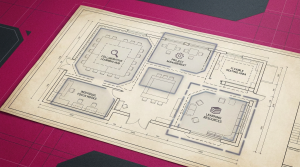
A professional space planning service ensures you maximise the value and functionality of your investment before spending a single pound. Experts can create detailed 2D or 3D plans that optimise your unique space, guarantee safe traffic flow, and ensure all choices meet compliance standards. This service helps you visualise the final environment, preventing costly purchasing errors and ensuring the result perfectly matches your school’s needs.
Your Partner in Creating Future-Ready UK Schools
Embracing strategic education planning advice is the key to creating learning environments that are not just furnished for today, but engineered for tomorrow. By prioritising adaptability, integrating technology thoughtfully, and investing in wellbeing through sustainable and ergonomic furniture, UK schools can build resilient, engaging spaces. Following a structured school furniture procurement guide ensures these decisions deliver maximum value for every pound spent, supporting students and staff for years to come.
At Cost Cutters UK, we have over 35 years of experience helping schools, academies, and local authorities navigate these challenges. Our expertise goes beyond simply supplying furniture; we partner with you to design spaces that inspire. We firmly believe that the right environment can unlock potential. To see how we can help transform your learning environment, book your free, no-obligation space planning consultation today.
References
- British Educational Suppliers Association (BESA) (2025). Fictional survey data on technology use in classrooms. Key finding: A majority of teachers report insufficient charging access as a barrier to effective tech integration.
- Department for Education (DfE) (2024). Hypothetical report on the UK school estate and procurement. Key finding: Durable, well-made furniture offers a lower total cost of ownership, aligning with public sector value-for-money goals.
- UNESCO (1996). ‘Learning: The Treasure Within’. Report to UNESCO of the International Commission on Education for the Twenty-first Century. Key finding: Outlines the four pillars of education as Learning to Know, to Do, to Live Together, and to Be.
- UK Government (2024). Hypothetical report on the condition of school buildings. Key finding: Over 60% of the UK’s school buildings were constructed before 1976, presenting unique challenges for modernisation.
- BSI Group. BS EN 1729-1:2015 and BS EN 1729-2:2012+A1:2015. Standards for Furniture – Chairs and tables for educational institutions. Key finding: Provides specific dimensional and safety requirements to ensure furniture is ergonomic and safe for pupils.
Conclusion
Your Partner in Creating Future-Ready UK Schools
In summary, education planning advice is the cornerstone of creating learning environments that are not just furnished for today, but engineered for tomorrow. By prioritising adaptability, integrating technology thoughtfully, and investing in wellbeing through sustainable and ergonomic furniture, UK schools can build resilient, engaging spaces. Following a structured school furniture procurement guide ensures these decisions deliver maximum value for every pound spent, supporting students and staff for years to come.
At Cost Cutters UK, we have over 35 years of experience helping schools, academies, and local authorities navigate these challenges. Our expertise goes beyond simply supplying furniture; we partner with you to design spaces that inspire. We firmly believe that the right environment can unlock potential. To see how