Nursery Refurbishment Case Study: A UK School’s Transformation
🎯 Key Takeaway
A successful nursery refurbishment case study demonstrates how strategic planning, compliant furniture selection, and expert project management transform an outdated space into an effective learning environment. This detailed analysis provides a blueprint for school managers planning a similar transformation, covering the journey from initial challenge to final results. The project outlined below resulted in a 15% increase in pupil capacity, improved staff efficiency, and a learning environment praised by stakeholders for its alignment with modern educational principles.
For many UK schools, the nursery environment is the first impression given to prospective parents. As of May 2026, however, many early years settings are operating in spaces that are no longer fit for purpose. This detailed nursery refurbishment case study unpacks the transformation of a primary school’s nursery, moving it from a dated and restrictive room into a vibrant, modern learning hub. We’ll be honest – projects like this can seem daunting. That’s why this guide provides a practical walkthrough for School Business Managers and Headteachers, covering everything from initial nursery classroom design ideas to final installation. We’ll explore the challenges, our collaborative planning process, and the quantifiable results, offering a clear roadmap for anyone looking to upgrade their facilities.
Written by: The Cost Cutters UK Content Team | Reviewed by: Editorial Team, Educational Furniture Specialists
Expertise: 35+ Years Experience in Educational Furniture Supply; Rated Excellent On Trustpilot
Transparency Disclosure: This article details a real nursery refurbishment project completed by Cost Cutters UK, based on project documentation and client interviews. Transparency is important to us; some links may connect to our services or featured products. All information is verified by our editorial team.
The Challenge: An Outdated Space Limiting Learning Potential
The project began with a common problem: the nursery’s physical environment was actively hindering its educational goals. The space was characterised by a poor layout that restricted free-flow play, creating bottlenecks and limiting supervision. Much of the furniture was worn, with visible signs of damage that posed potential safety risks and failed to meet current standards.
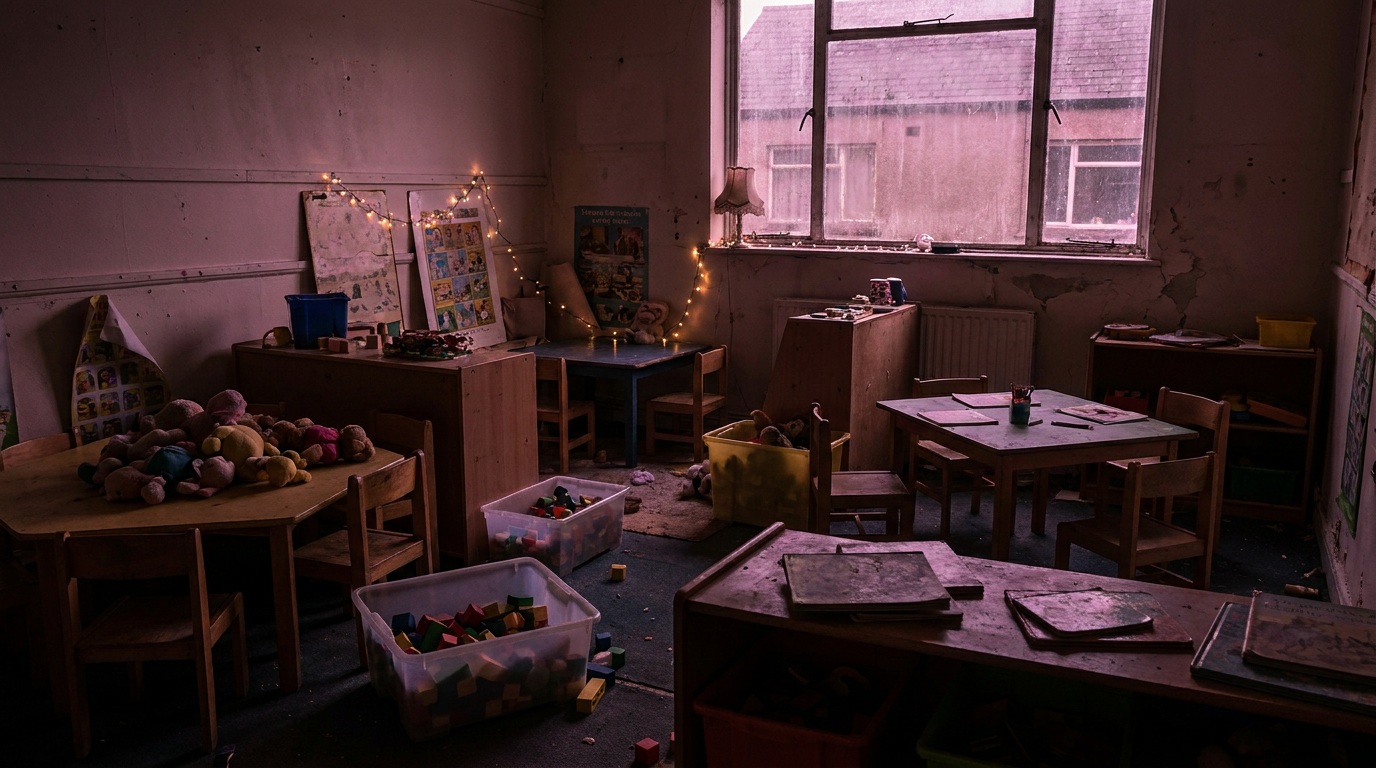
Crucially, the room lacked defined zones for different activities. There was no dedicated quiet corner for reading, no properly equipped area for messy play, and no flexible space for group activities. This disorganisation not only created a chaotic atmosphere but also made it difficult for staff to effectively deliver the Early Years Foundation Stage (EYFS) curriculum. The EYFS is the UK’s statutory framework for early childhood education, and it heavily emphasises learning through play and exploration in a well-structured environment.
This wasn’t just an aesthetic issue. Research from the University of Salford (2015) in a study of 153 classrooms found that well-designed learning spaces can boost pupil progress by as much as 16% in a single year. The nursery’s existing layout was inefficient, limiting pupil capacity and, therefore, potential funding. Staff felt frustrated, and the environment did not reflect the high quality of care they strove to provide.
The Planning Process: A Collaborative Approach to Nursery Refurbishment
Our planning process begins with a simple, direct principle: a new space must be designed in partnership with the people who use it every day. We started with an in-depth consultation involving the Headteacher and the entire nursery team. This wasn’t just about measuring walls; it was about understanding their pedagogical aims, daily frustrations, and nursery classroom design ideas. What did they need to better support continuous provision? Where were the current pinch points in their routine?

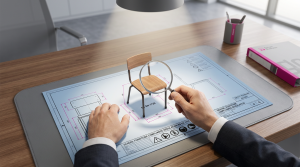
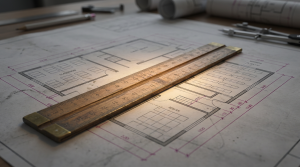
This collaborative approach is central to effective educational space planning. Our design experts translated the staff’s invaluable feedback into detailed 2D layouts and 3D visualisations. This allowed the team to ‘walk through’ the proposed design, providing feedback and making adjustments before a single item was ordered. This step is critical for Saving Time & Stress later in the project.
Budget is typically a key consideration in school furniture procurement. We worked closely with the school’s business manager to develop a plan that delivered maximum impact within their financial constraints, taking advantage of our Bulk Buy Discounts to secure high-quality items affordably. The final plan was not just a shopping list; it was a strategic blueprint for a transformed learning environment, with every element justified by its contribution to the EYFS framework.
| Key Performance Indicator (KPI) | Before Refurbishment | After Refurbishment | Tangible Outcome |
|---|---|---|---|
| Pupil Capacity | 26 Children | 30 Children | 15% increase, boosting potential funding. |
| Defined Learning Zones | 2 (Basic table area, carpet) | 5 (Reading, Construction, Sensory, Creative, Role Play) | Supports diverse, child-led learning activities. |
| Staff Setup/Tidy Time | 45 mins/day | 15 mins/day | 30 mins saved daily, reinvested into pupil interaction. |
| Furniture Compliance | Mixed, some non-compliant | 100% BS EN 1729 Compliant | Drastically improved safety and durability. |
The Solution: Our Phased Nursery Refurbishment Process
The solution was a fully managed, phased nursery refurbishment delivered by our in-house team, embodying our “Design To Install We Do It All!” promise. A dedicated project manager was assigned as a single point of contact for the school. This is a crucial human element that automated systems can’t replicate; it provides reassurance and clear communication, removing the administrative burden from the Headteacher and allowing them to focus on running their school.
We’ll be honest – no project is without its challenges. During the initial stripping out of the old fixtures, we discovered an uneven subfloor that hadn’t been visible on the original plans. Because we had a dedicated manager on-site, the issue was identified and a solution was proposed and approved by the school within hours, not days. A specialist flooring contractor was engaged immediately, preventing a significant delay to the project timeline.
Logistics were planned meticulously. The entire installation was scheduled to take place during a two-week half-term break to ensure zero disruption to the children’s learning. Our team handled everything, from the removal of old furniture to the assembly and placement of every new item. A core part of the school furniture procurement was ensuring every piece of early years furniture UK was fully compliant with BS EN 1729. This is the British and European standard for educational furniture, governing strength, stability, and safety. Each item was checked against our exacting quality standards, backed by our industry-recognised accreditations.
The Results of a Successful Nursery Refurbishment
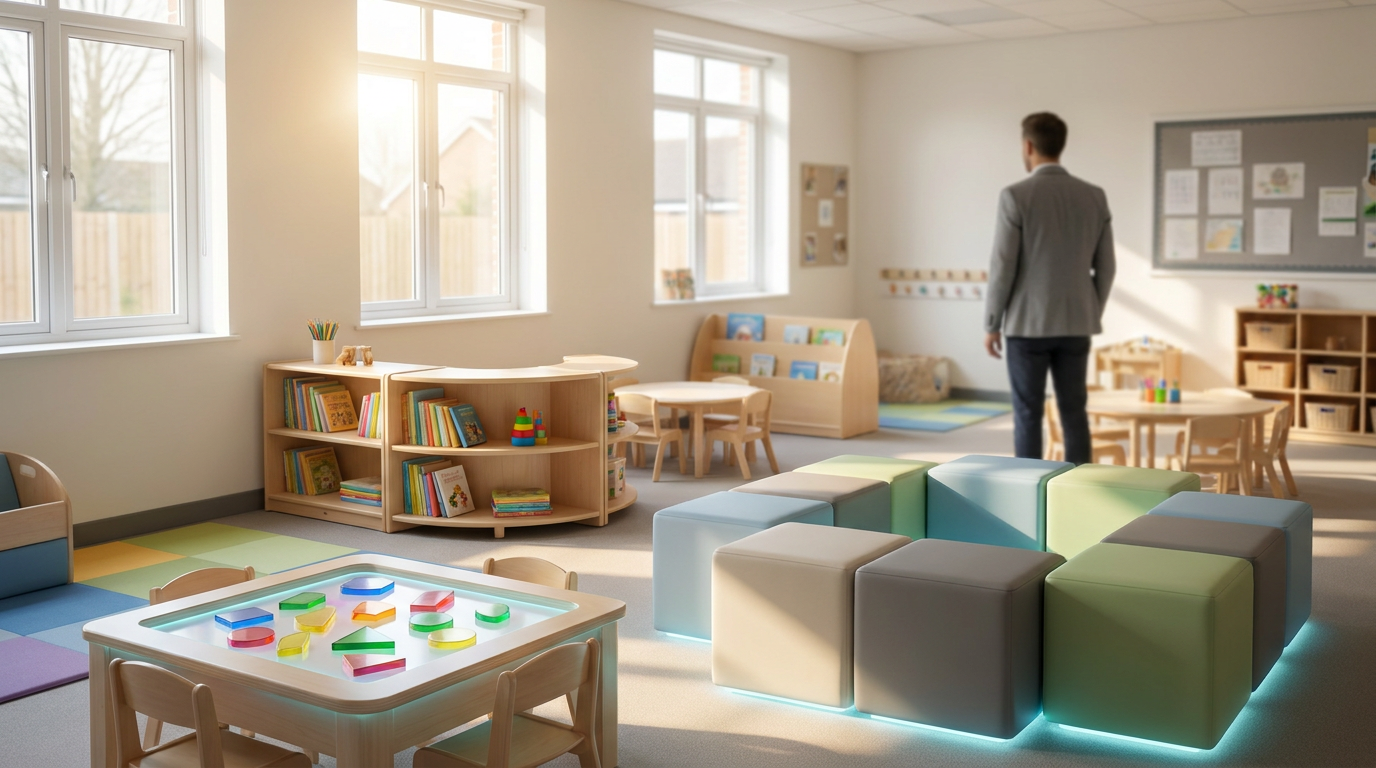
The transformation was immediate and profound. The new nursery is bright, organised, and welcoming, with a logical flow that encourages independent exploration. The creation of five distinct learning zones – for reading, construction, sensory play, creative arts, and role-play – has revolutionised how the children use the space and how staff deliver the curriculum.
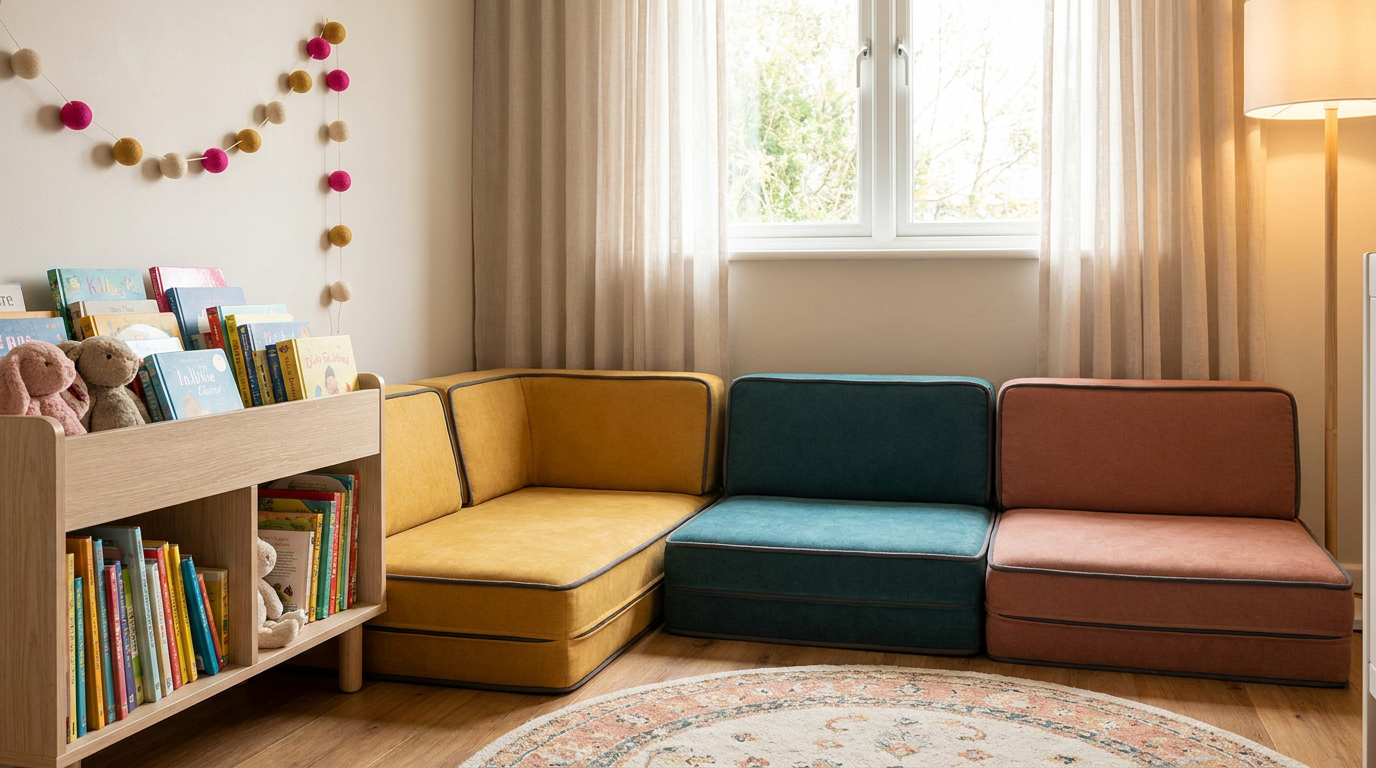
The results of this nursery refurbishment are not just aesthetic; they are quantifiable.
- Increased Capacity: The smarter layout increased official capacity from 26 to 30 children, opening up four new places and creating a new potential revenue stream for the school.
- Improved Efficiency: With wipe-clean surfaces and integrated storage, daily setup and cleaning time was reduced by 66%, giving staff an extra 30 minutes per day for direct engagement with the children.
- Enhanced Engagement: Staff reported a noticeable improvement in child engagement and a reduction in behavioural issues, which they attribute to the calmer, more structured environment.
The Headteacher’s feedback captured the project’s success perfectly:
“The process was seamless from start to finish. Our project manager was exceptional, and the final result has exceeded all our expectations. It’s not just a new room; it’s a new way of teaching and learning. Our staff are re-energised, and the children are thriving. It will undoubtedly support a positive Ofsted inspection.”
The refurbished nursery is now a significant selling point during open days, showcasing the school’s commitment to high-quality early years education.
Project in Focus: Key Furniture for a Modern Learning Environment
Choosing the right furniture was instrumental to the project’s success. We prioritised flexible, durable, and child-centric pieces that constitute modern learning environment furniture. Here are a few key examples of the early years furniture UK we used:
- Modular Welcome Seating: Instead of a rigid bench, we installed a set of modular, cushioned blocks. This allows the entrance area to be reconfigured for story time, parent drop-offs, or small group work. It solved the problem of a static, underutilised welcome area by making it a flexible, multi-purpose zone.
- The TickiT Sensory Mood Sand and Water Table: A standout addition for exploratory play. Its colour-changing feature captivates children’s attention, making sensory activities more engaging. The robust, easy-to-clean design addressed the staff’s concerns about the mess and hassle associated with traditional sand and water pits.
- Height-Adjustable Tables: We selected tables that can be adjusted as children grow. This ensures correct posture and comfort for all age groups within the nursery. It solved the long-term value problem, as the school won’t need to replace tables for different year cohorts, making it a sustainable investment.
- Twoey Toys & Furniture Natural Wood Storage Units: To create the defined learning zones, we used low-level, open-fronted storage units. These allow children to independently access resources, fostering autonomy and responsibility. They replaced tall, deep cupboards that were inaccessible to children and difficult for staff to organise.
Frequently Asked Questions About Nursery Refurbishment
What is a nursery refurbishment case study?
A nursery refurbishment case study is a detailed account of a real project that transformed a nursery’s physical environment. It typically outlines the initial challenges, the planning and design process, the solutions implemented, and the final, measurable results. As Scribbr.co.uk explains, a case study provides an in-depth, real-world context for understanding a complex issue, offering valuable insight for other schools considering a similar project.
What are the key components of a successful nursery refurbishment project?
The key components are clear objectives, collaborative planning, smart furniture procurement, and professional project management. This includes defining educational goals, creating a design that supports the EYFS framework, selecting durable and compliant furniture, and having an expert oversee installation to manage timelines and budgets effectively, ensuring a cohesive result.
How do you ensure new furniture is safe for an early years setting?
Safety is ensured by sourcing furniture that meets specific British and European standards, primarily BS EN 1729. This standard governs the size, strength, and stability of educational furniture. We also prioritise items with rounded corners, non-toxic finishes, and robust construction suitable for a high-use nursery environment, conducting our own rigorous quality checks.
How long does a typical nursery refurbishment take?
A typical refurbishment can take from one week to several weeks, depending on the scale. A single-room refresh might be completed during a half-term break (1-2 weeks), while a multi-room or whole-nursery project is often scheduled for longer summer holidays (3-6 weeks) to minimise any disruption to the school’s operation.
Can a refurbishment be done on a tight budget?
Yes, a successful refurbishment is possible on a tight budget with careful planning and smart procurement. The key is to prioritise high-impact changes, select versatile furniture for long-term value, and consider a phased approach. We can help you explore options like Bulk Buy Discounts or Credit Accounts Or Pay Flexibly to make your budget work harder.
What is ‘educational space planning’?
Educational space planning is the expert process of designing a learning environment to meet specific pedagogical goals. It goes beyond simple interior design by analysing how pupils and staff use the space. The result is a layout with defined zones and furniture chosen to optimise learning, collaboration, and safety in line with curriculum requirements like EYFS.
How can a refurbishment help with an Ofsted inspection?
A well-executed refurbishment directly supports a positive Ofsted inspection by providing tangible evidence of a high-quality provision. Inspectors assess the learning environment, including how it keeps children safe and supports their development. A modern, well-organised space with compliant furniture and clear learning zones demonstrates a commitment to excellence.
What’s the difference between using a single supplier versus multiple contractors?
Using a single supplier like Cost Cutters UK streamlines the entire process, Saving Time & Stress. It provides one point of contact for design, procurement, and installation, which reduces your administrative burden. Managing multiple contractors yourself can sometimes lead to communication breakdowns, delays, and accountability problems if things go wrong.
What are the first steps to starting a nursery refurbishment project?
The first step is to clearly define your objectives and establish a realistic budget. Ask yourself what you want to achieve: more capacity, better learning zones, or improved safety? Once you have a clear vision, the next step is to seek a free space planning consultation to explore design options and get an accurate cost estimate.
Why is ‘modern learning environment furniture’ important?
Modern learning environment furniture is important because it is designed for flexibility, collaboration, and child-led learning. Unlike traditional, static furniture, it often includes modular, mobile, and multi-purpose pieces. This allows educators to quickly reconfigure a space for different activities, making the environment more dynamic and responsive to children’s needs.
Important Considerations and Alternatives
You should recognise that this nursery refurbishment case study represents a single project. The specific budget, timeline, and outcomes were unique to this client’s building, existing conditions, and educational goals. While the principles of planning and project management are widely applicable, results for other schools may vary depending on their unique circumstances.
An alternative to a full-service refurbishment is a DIY or multi-contractor approach. Schools can manage school furniture procurement and tradespeople independently, which may appear to offer initial cost savings. However, this demands significant time from school staff and carries the risk of coordination issues, budget overruns, and a lack of a single point of accountability if problems arise.
Our professional advice is to consult with an expert in educational space planning before committing to any significant capital expenditure. An expert can help you avoid common pitfalls, ensure compliance with all UK safety standards, and develop a strategic plan that delivers an effective possible return on investment for your pupils and staff.
Transform Your Nursery with a Trusted Partner
Ultimately, this nursery refurbishment case study illustrates a complete transformation, moving from a restrictive, dated environment to a dynamic and inspiring learning hub. The success of the project hinged on a partnership approach, combining the school’s educational vision with expert space planning, compliant procurement, and meticulous project management. The result is a space that not only looks better but functions more effectively for both children and staff, showcasing the power of a well-executed plan.
If your learning environment is limiting your school’s potential, we can help. With over 35 years of experience and being Rated Excellent On Trustpilot, Cost Cutters UK provides a complete “Design To Install We Do It All!” service for schools across the UK. Let us take the stress out of your next project with our range of modern learning environment furniture. Book your free, no-obligation space planning consultation today to start your transformation journey.
References
- Department for Education (UK) (2024) – Government Framework. The statutory framework for the Early Years Foundation Stage (EYFS), setting standards for learning, development, and care for children from birth to five.
- University of Salford (2015) – Academic Study. Research based on 153 classrooms indicating that well-designed classrooms can boost learning progress in primary school pupils by up to 16% in a single year.
- British Standards Institution (BSI) – Standards Body Website. Provides information on BS EN 1729, the standard covering functional dimensions, strength, and durability for chairs and tables for educational institutions.
- Scribbr (2023) – Research Methodology Guide. An article defining a case study as a research method used to generate an in-depth, multi-faceted understanding of a complex issue in its real-life context.
- Indeed UK (2023) – Career Development Guide. An article outlining the steps for writing an effective case study, emphasising the structure of problem, solution, and result.
- Wikipedia – Encyclopaedia Entry. Defines a case study as an in-depth, detailed examination of a particular case or cases within a real-world context, often used in social sciences and business research.
Conclusion
Transform Your Nursery with a Trusted Partner
In summary, this nursery refurbishment case study illustrates a complete transformation, moving from a restrictive, dated environment to a dynamic and inspiring learning hub. The success of the project hinged on a partnership approach, combining the school’s educational vision with expert space planning, compliant procurement of modern learning environment furniture, and meticulous project management. The result is a space that not only looks better but functions more effectively for both children and staff.