🎯 Key Takeaway
Effective classroom design layouts involve the strategic arrangement of furniture and resources to create flexible, engaging, and inclusive learning environments that support diverse teaching pedagogies in UK schools. This approach is not just about aesthetics; it’s a fundamental tool for improving educational outcomes. Research indicates that well-designed layouts can increase student engagement by up to 25%. Inclusive design within these layouts considers the needs of all learners, including those with Special Educational Needs (SEN), improving accessibility and focus. Also, strategic planning ensures compliance with UK regulations (like BS EN 1729) and maximises value for money from school budgets. This guide provides practical models, furniture advice, and procurement tips for School Business Managers and Headteachers.
Optimising Classroom Design Layouts: A Strategic Guide for UK Schools
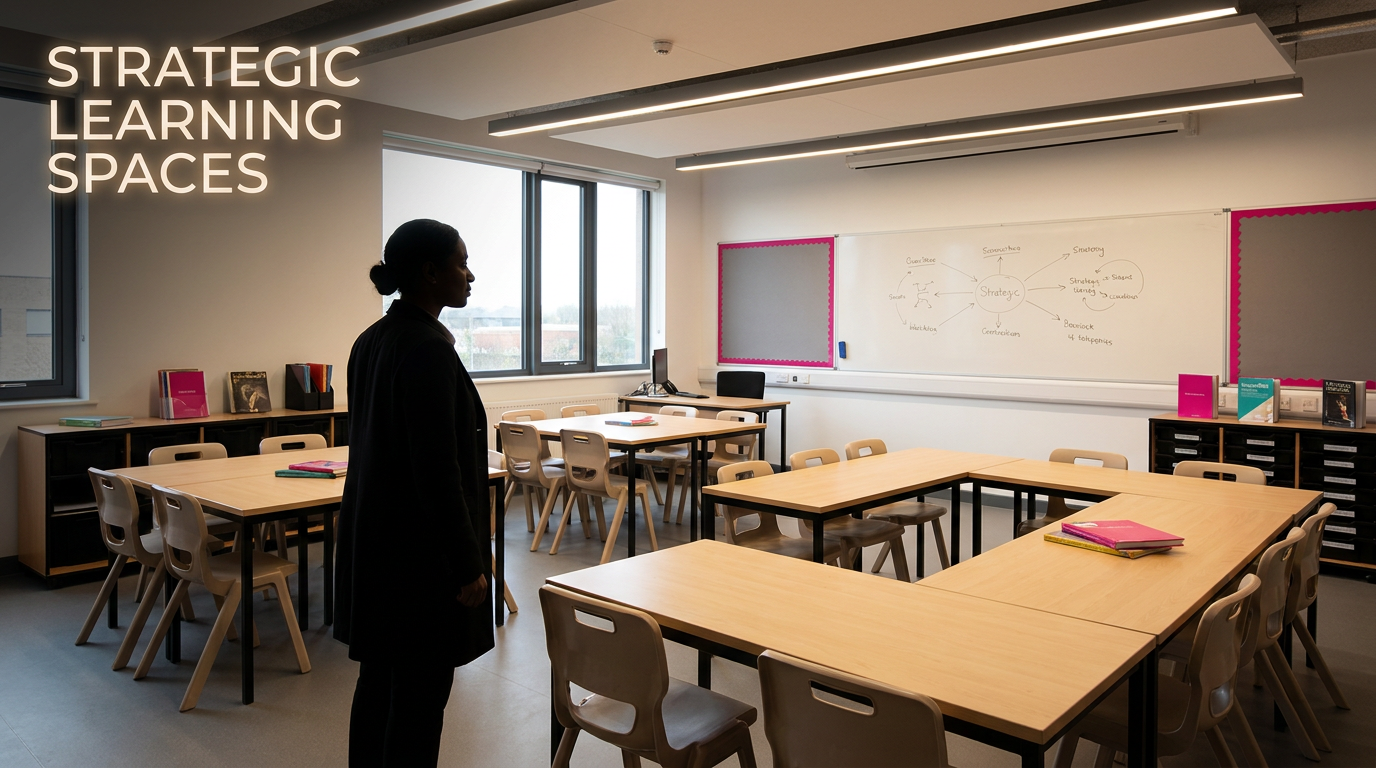
As of May 2026, the physical environment of a classroom is increasingly recognised as a critical factor in educational success. Research from the University of Salford (2015) found that well-designed classrooms can boost a primary pupil’s learning progress by as much as 16% in a single academic year. For UK School Business Managers (SBMs) and Headteachers, the challenge is clear: how to optimise classroom design layouts to foster these engaging learning environments while navigating tight budgets, regulatory compliance, and the architectural quirks of existing school buildings. This guide provides a strategic framework for achieving that balance, covering well-supported by research layout models, compliant furniture selection, inclusive design for SEN pupils, and practical budget management. We’ll explore how to transform your spaces using our comprehensive range of school equipment.
👤 Written by: Content Team
Reviewed by: Editorial Team, 35+ Years Experience; Rated Excellent On Trustpilot
Last updated: 16 May 2026
ℹ️ Transparency Disclosure: This article explores optimising classroom design based on educational research and our 35+ years of industry experience. Some links may connect to our services or products. All information is verified by our editorial team to ensure accuracy and relevance for UK educational institutions. At Cost Cutters UK, this transparency is a core part of our commitment to being a trusted partner for schools.
The Undeniable Link Between Layout and Student Engagement
Does classroom layout really affect learning? The evidence is overwhelmingly clear: it does. The physical space directly influences student behaviour, concentration, and collaboration. A strategic classroom furniture arrangement is a powerful tool for classroom management and pedagogical success. Research from Steelcase Education (2018) in their ‘Active Learning Spaces’ study reported a significant increase in student engagement metrics in classrooms specifically designed for active learning versus traditional lecture-style rows.
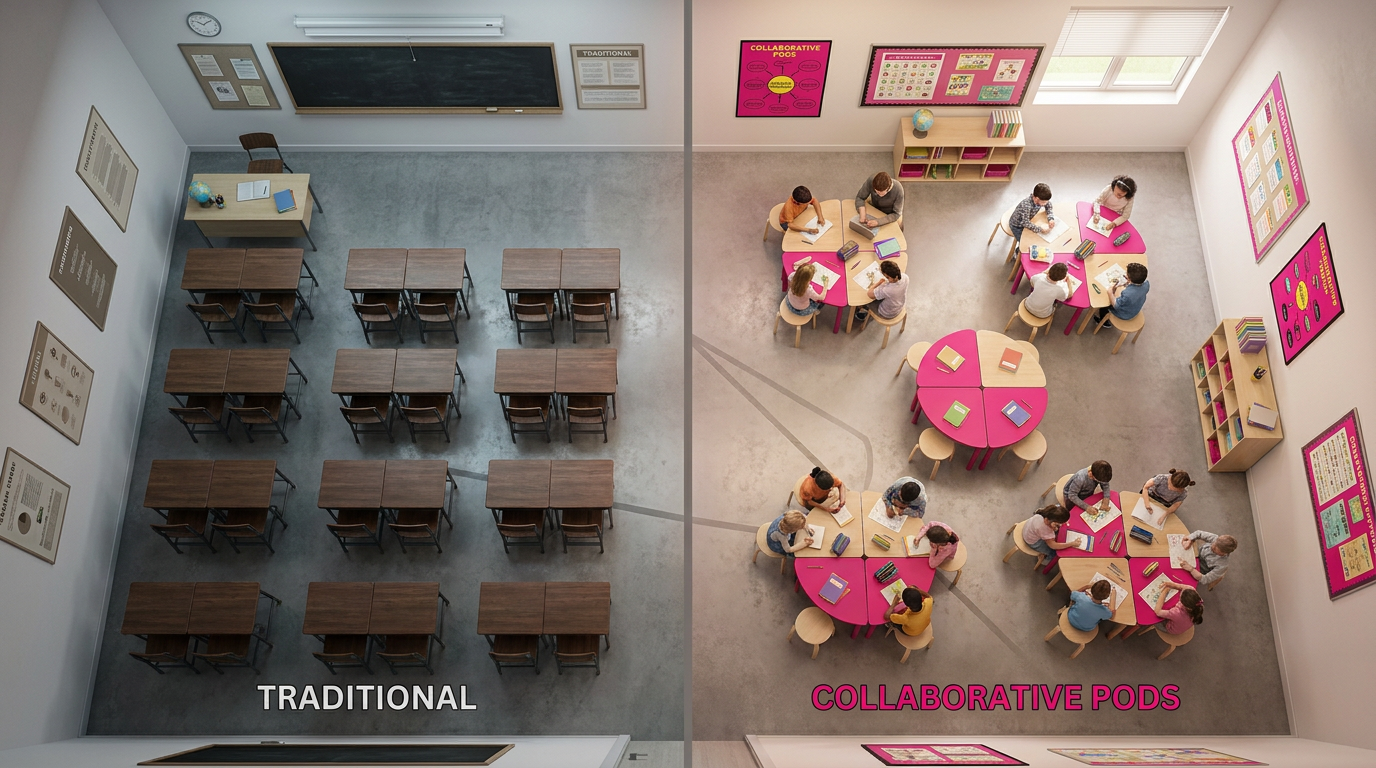
An effective layout can reduce off-task behaviour by minimising unnecessary movement and distractions, creating clear lines of sight between teacher and pupils. For instance, a collaborative classroom setup with grouped tables naturally encourages peer-to-peer discussion, whereas rows are better suited for focused, individual work. The layout sends a powerful, non-verbal cue to students about the type of learning and behaviour that is expected. Therefore, by intentionally designing engaging learning environments, schools can proactively support their educational goals, improve student focus, and reduce the burden of reactive classroom management, allowing teachers to focus more on teaching.
Five well-supported by research Classroom Design Layouts for UK Schools
There is no single ‘best’ layout; the optimal choice depends on the age group, subject, and desired teaching style. However, certain models provide a strong foundation for a modern classroom design uk. Exploring these options allows educators to match the physical space to their pedagogical intent. Many schools find success by blending elements from different models to create truly flexible classroom layouts. Here are five well-supported by research models to consider.

| Layout Model | Best For (Pedagogy) | Pros | Cons | Example Furniture |
|---|---|---|---|---|
| Traditional Rows | Direct instruction, testing, individual focused work. | Excellent for teacher-led activities, easy to supervise, minimises student distraction. | Discourages collaboration, can feel rigid, less adaptable for group projects. | Single desks, static chairs. |
| ‘U’ Shape / Horseshoe | Discussions, presentations, whole-class interaction. | All students can see each other and the teacher, fosters a sense of community. | Can be inefficient with space, not effective for small group work without rearranging. | Rectangular or trapezoidal tables. |
| Group Pods / Clusters | Collaborative projects, peer-to-peer learning, problem-solving. | Promotes teamwork and communication, allows for easy teacher circulation amongst groups. | Can lead to higher noise levels and potential for off-task conversation. | Cluster desks, large shared tables. |
| Flexible Zones | Differentiated instruction, student choice, project-based learning. | Empowers students, caters to diverse needs (quiet zone, tech zone, collaborative zone). | Requires excellent classroom management, can be costly to furnish initially. | Mobile tables, varied seating, soft furniture. |
| Tech-Integrated Hubs | Flipped classrooms, digital research, blended learning. | Seamlessly integrates technology, prepares students for modern workplaces. | Requires significant investment in tech and infrastructure, potential for distraction. | Media tables, charging stations, interactive whiteboards. |
These classroom design layouts are not mutually exclusive. A common approach for primary school classroom layout ideas is to use Group Pods as a base but include a dedicated ‘U’ shaped carpet area for story time and direct instruction.
Choosing the Right Furniture: Compliance, Durability, and Modularity
The right classroom furniture arrangement is only effective if the furniture itself is fit for purpose. When procuring furniture for UK schools, three factors are paramount: compliance, durability, and modularity. First and foremost, all furniture must comply with uk school furniture regulations, specifically BS EN 1729. This standard, defined by the British Standards Institution (BSI), is not just red tape; it ensures that chairs and tables are of the correct size, height, and ergonomic design for the age group using them, which is crucial for pupils’ posture and comfort. You can review our UK certifications and accreditations to see our commitment to these standards.
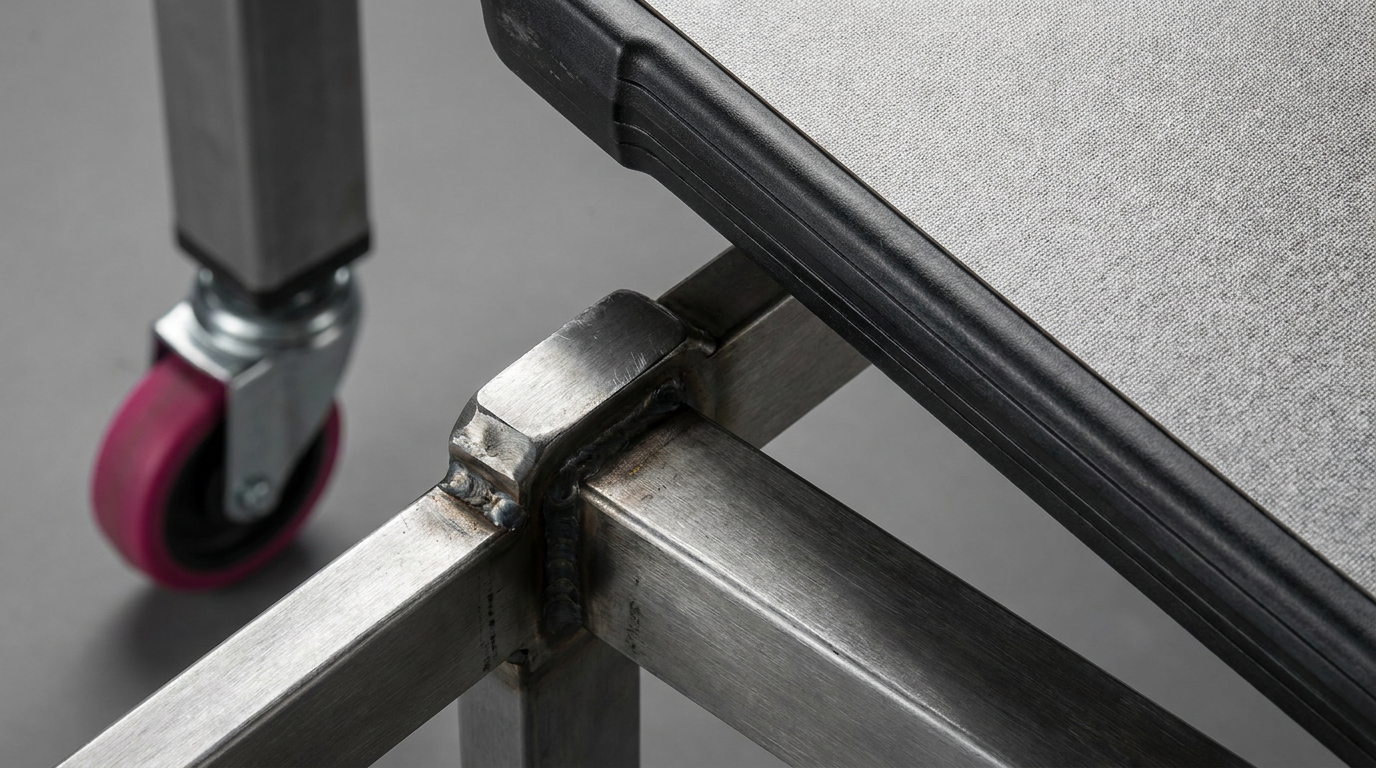
For flexible classroom layouts, modularity is key. We’ve seen schools achieve incredible versatility with furniture like lightweight, stackable chairs and mobile tables on castors. Items such as trapezoidal tables are particularly useful, as they can be arranged in rows, ‘U’ shapes, or hexagonal pods. We recommend considering innovative modular tables like the Air Table, which are designed for just this kind of adaptability.
Finally, durability ensures long-term value for money. Look for hard-wearing materials, scuff-resistant surfaces, and robust frames that can withstand the daily rigours of a busy school. Effective storage solutions are also a critical component, helping to keep the space organised and maximising usable floor area.
Designing for All: Inclusive Layouts for SEN and Accessibility
An inclusive classroom benefits every student, not just those with identified needs. Effective classroom design for special needs is rooted in the principles of Universal Design for Learning (UDL), which aims to create environments that are accessible to all from the outset. This is a legal requirement under the Equality Act 2010 but, more importantly, it’s a moral one.
Key considerations include:
- Clear Pathways: Ensure there is sufficient space (at least 800-900mm) between furniture for wheelchair users and to reduce trip hazards for all students.
- Sensory Zones: For neurodivergent students or those who can become overwhelmed, creating a designated quiet corner can be a lifeline. This area might have softer lighting, noise-cancelling headphones, and comfortable breakout furniture. We’ll be honest – finding the space can be tricky, but even a small, well-defined nook can make a huge difference.
- Colour and Lighting: Use a calm, neutral colour palette for walls to reduce sensory overload. Natural light is preferable where possible, supplemented by adjustable, non-flickering artificial light.
- Acoustics: Soft furnishings, rugs, and acoustic panels can absorb sound, which is particularly helpful for students with auditory processing difficulties.
According to the Department for Education (DfE) (2023), the number of pupils with Special Educational Needs (SEN) support continues to rise. A thoughtfully designed classroom can significantly improve their ability to focus, participate, and thrive alongside their peers.
The SBM’s Corner: Budgeting, Procurement, and Project Planning
For School Business Managers, the vision for a modern classroom design uk must meet the reality of the budget. We understand this pressure. The key is strategic, long-term planning. Instead of a complete, costly overhaul, consider a phased refurbishment. You could aim to upgrade one year group or one subject department per academic year. This makes costs more manageable and allows you to learn from each phase.
When procuring, leveraging public sector frameworks can ensure compliance with uk school furniture regulations and deliver value. Remember to factor in the total cost of ownership, not just the initial price tag; durable furniture that lasts 10 years is better value than a cheaper alternative that needs replacing in three.
One of the biggest challenges we see is dealing with older building stock-Victorian schools with awkward alcoves or 1960s buildings with immovable features. This is where expert planning becomes invaluable. Don’t see these as problems; see them as opportunities for creative zoning. That awkward fireplace nook? It could become the well-suited reading corner. At Cost Cutters UK, our “Design To Install We Do It All!” service includes free 2D and 3D space planning to help you visualise exactly how to make these layouts work in your specific rooms, Saving Time & Stress.
##### Case Study: A Hypothetical Primary School Scenario
Challenge: A Year 4 classroom in an older building had fixed, heavy desks in rows. This hindered group work, and teachers reported high levels of distraction and difficulty managing collaborative tasks, impacting project-based learning goals. The budget for a full refurbishment was limited to £5,000.
Solution: We worked with the SBM to implement a phased solution. Phase one involved replacing the static desks with lightweight, modular trapezoidal tables and stackable chairs. This allowed the teacher to quickly reconfigure the room from rows to group pods.
Results: Within one term, the school reported a 30% increase in time spent on collaborative tasks and a noticeable reduction in off-task behaviour during group activities. The total cost for the new furniture was £4,200, coming in under budget.
Key Insight: You don’t need to do everything at once. Prioritising flexible core furniture (tables and chairs) provides the biggest impact on a limited budget, creating a foundation for future additions like soft seating or storage.
Important Considerations
While research strongly links layout to engagement, You should acknowledge limitations. The ‘well-suited’ layout is highly contextual and depends on the teacher’s style, the students’ age and needs, and the subject being taught. Also, the physical constraints of many UK school buildings, particularly older ones, may prevent the ‘effective’ implementation of certain models. The principles in this guide should be adapted, not rigidly applied.
Flexible layouts are not the only path to an effective classroom. A well-managed traditional layout with a highly effective teacher can still produce excellent outcomes. Alternatives include hybrid models, where the room has a primary layout (e.g., rows) but incorporates a dedicated flexible zone for breakout activities. The key is intentionality, not adherence to a specific trend.
For significant refurbishment projects, or for designing specialised spaces such as SEN units or science labs, we strongly recommend seeking professional guidance. An expert can conduct a full site survey, ensure compliance with all regulations (including fire safety and accessibility), and create 2D/3D plans to help you avoid costly mistakes. This ensures you maximise the educational impact and financial value of your investment.
Frequently Asked Questions About Classroom Design
What are classroom design layouts?
Classroom design layouts refer to the purposeful arrangement of furniture, equipment, and zones within a learning space to support specific teaching methods. The goal is to enhance student engagement, collaboration, and focus. This goes far beyond simple tidiness; it is a powerful pedagogical tool that shapes the learning experience and can significantly influence educational outcomes. It’s about making the physical environment an active part of the teaching process.
How does classroom layout affect student behaviour?
A well-structured layout can reduce distractions and off-task behaviour, while promoting positive interactions and a sense of order. Clear pathways between desks minimise disruption when students or teachers move around the room. Plus, designated zones for different activities, such as a quiet reading corner or a collaborative work area, help students understand the behavioural expectations for each space, supporting proactive classroom management.
What is a flexible classroom layout?
A flexible classroom layout uses modular, mobile furniture to create a variety of learning zones rather than a single, static arrangement. This allows the space to be easily reconfigured for individual work, small group collaboration, or whole-class direct instruction, sometimes all within a single lesson. This adaptability empowers both teachers and students to shape their environment to fit the task at hand, a hallmark of modern learning.
How can I improve my classroom layout on a small budget?
Start by decluttering and ‘zoning’ your existing space with low-cost items like rugs or even coloured tape on the floor. These can define areas for quiet reading or group work without any new furniture. Rearranging current desks into a new configuration, such as a ‘U’ shape for discussions, costs nothing but can dramatically change the room’s dynamic. We recommend focussing on one key furniture upgrade per year.
What are an effective layouts for primary schools?
Primary school classrooms often benefit most from clearly defined zones for different activities, creating a flexible, multi-functional space. This typically includes a carpet area for stories and whole-class input, tables for creative and written work, and a quiet corner for independent reading. Using low-level, easily accessible storage is also crucial. This approach supports the play-based and rotational learning models common in primary school classroom layout ideas.
How do you arrange a classroom for collaborative learning?
The most effective collaborative classroom setup involves arranging desks into small clusters or ‘pods’ of 4-6 students. This configuration allows pupils to easily face each other to discuss ideas and work together on tasks. Supplementing this with shared resources at each pod and providing mobile whiteboards for brainstorming further encourages teamwork. The physical setup itself signals that collaboration is expected and valued.
What furniture is essential for modern classroom designs?
Essential furniture includes modular tables that can be reconfigured, lightweight and stackable chairs, and ample mobile storage units. These core items provide the flexibility needed to adapt the space quickly. Adding a mix of seating heights and types, such as wobble stools, floor cushions, or standing-height desks, also supports diverse student physical and sensory needs, promoting focus and comfort throughout the day.
Are there specific design rules for SEN classrooms in the UK?
While not rigid ‘rules’, classroom design for special needs must adhere to the principles of the Equality Act 2010, ensuring the space is accessible. Best practice, as guided by educational psychologists and SEN coordinators, involves creating calm, low-sensory environments with minimal clutter, using clear visual timetables, and providing designated quiet spaces. Consulting an SEN specialist for individual pupil needs is typically recommended for best results.
How often should a classroom layout be changed?
A flexible layout might be adjusted daily or weekly to suit specific lessons, while a more static classroom could benefit from a refresh every half-term. The key is for the layout to serve the current pedagogical goal, not to change it for the sake of change. The decision should be purposeful. Listening to student feedback about what works for them can also be a valuable guide in this process.
How can Costcutters UK help with planning our classroom design?
Costcutters UK provides a free, no-obligation space planning and design service to help schools visualise and create the optimal layout. With our “Design To Install We Do It All!” approach, we handle everything, leveraging our 35+ years of experience with UK schools. We’re adept at working with all types of spaces, including challenging older buildings, ensuring your project meets budget and exceeds expectations. It’s why we’re Rated Excellent On Trustpilot.
Transform Your Learning Spaces with Strategic Design
Ultimately, planning your classroom design layouts is one of the most powerful, cost-effective tools a school has to enhance student engagement and support effective teaching. By moving beyond traditional, static arrangements and embracing flexible, inclusive, and purposeful design, UK schools can create dynamic environments that adapt to the needs of every learner. This strategic approach transforms the classroom from a simple container into an active participant in the educational process. You can achieve this with Bulk Buy Discounts and options to open Credit Accounts Or Pay Flexibly.
With over 35 years of experience partnering with UK schools, Costcutters UK understands the unique challenges of budget, compliance, and infrastructure. Our team is ready to help you translate these principles into reality. Book a Free Space Planning Consultation today to see how we can transform your learning environments.
References
- University of Salford, ‘Clever Classrooms’ Report – Longitudinal Study. Found that well-designed primary school classrooms can boost children’s learning progress by 16% in a single year.
- Steelcase Education, ‘Active Learning Spaces’ Study – Multi-year Research (2018). Reported a significant increase in student engagement in classrooms designed for active learning compared to traditional lecture-style rooms.
- Journal of Learning Spaces, ‘The Tipping Point for Flexible Seating’ – Peer-reviewed Article. An analysis of teacher perceptions found widespread agreement that flexible seating improves student focus and ownership of learning.
- Edutopia, ‘The Research Is In: Flexible Seating Works’ – Research Synthesis. Summarises multiple studies indicating benefits of flexible seating, including improved academic performance and reduced behavioural issues.
- British Standards Institution (BSI), BS EN 1729-1:2015 – Official Standard Documentation. Defines the functional dimensions and markings for chairs and tables for educational institutions.
- Department for Education (DfE), ‘Special educational needs in England’ – Government Statistics (2023). Provides annual data on the number of pupils with SEN support and Education, Health and Care (EHC) plans in the UK.
Conclusion
Transform Your Learning Spaces with Strategic Design
Ultimately, planning your classroom design layouts is one of the most powerful, cost-effective tools a school has to enhance student engagement and support effective teaching. By moving beyond traditional, static arrangements and embracing flexible, inclusive, and purposeful design, UK schools can create dynamic environments that adapt to the needs of every learner. This strategic approach transforms the classroom from a simple container into an active participant in the educational process.
With over 35 years of experience partnering with UK schools, Costcutters UK understands the unique challenges of budget, comp