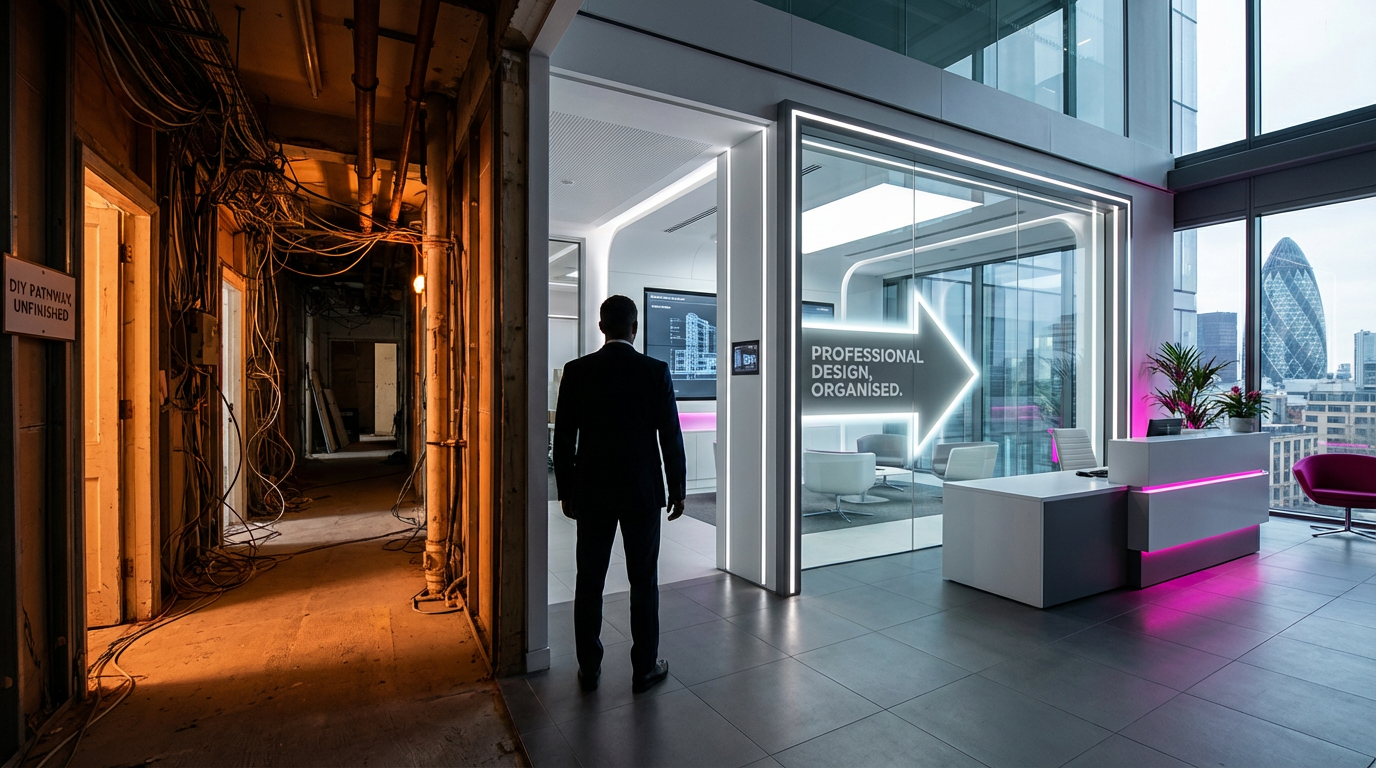
DIY vs Professional Space Design: A Decision Framework for UK Organisations
🎯 Key Takeaway
The decision between DIY vs professional space design hinges on project complexity, budget size, and mandatory UK compliance requirements; professional design is essential for large-scale, regulated environments like schools and offices to mitigate risk and ensure long-term value.
• DIY Suitability: Best for small-scale, low-risk cosmetic updates with no structural changes or complex regulatory needs.
• Professional Necessity: Crucial for projects involving multiple suppliers, adherence to safety standards (e.g., fire, accessibility), and optimising space for productivity and well-being.
• Cost vs. Value: While DIY appears cheaper initially, professional planning can prevent costly mistakes, secure better supplier rates, and deliver a higher return on investment.This guide provides a clear framework to help you make the most cost-effective and compliant choice for your organisation.
Embarking on a refurbishment is a significant investment for any UK organisation. The temptation to manage it yourself to save on costs is understandable. However, the debate over DIY vs professional space design isn’t simply about initial outlay; it’s a critical decision that balances short-term savings against long-term value, risk, and compliance. Getting it wrong can lead to budget overruns, safety hazards, and a space that fails to meet your needs.
This article provides a practical decision framework for UK organisations. We’ll explore the real benefits of professional space planning and provide a clear business refurbishment checklist to guide your choice. Our goal is to equip you with the knowledge to make an informed decision that protects your investment and delivers a truly functional, safe, and inspiring environment.
Written by: Costcutters UK Content Team
Reviewed by: Costcutters UK Editorial Team, Specialists in UK Educational and Commercial Furnishing
Last updated: 29 April 2026
ℹ️ Transparency: This article explores the decision-making process for business space refurbishment based on over 35 years of industry experience and analysis of UK regulatory frameworks. Some links may connect to our services. All information is verified by our editorial team to ensure accuracy as of the publication date. Costcutters UK is a leading supplier of school and educational equipment in the UK.
The DIY Approach: When Can It Be a Viable Option?
Yes, a Do-It-Yourself (DIY) approach can be a viable option, but only for a very narrow set of circumstances. It’s typically suitable for small, non-structural, cosmetic updates in low-risk environments where compliance isn’t a major factor. Think of a simple staff room refresh: a new coat of paint, assembling some flat-pack furniture, and adding decorative elements. In these limited scenarios, you maintain direct creative control and can potentially keep initial costs down.
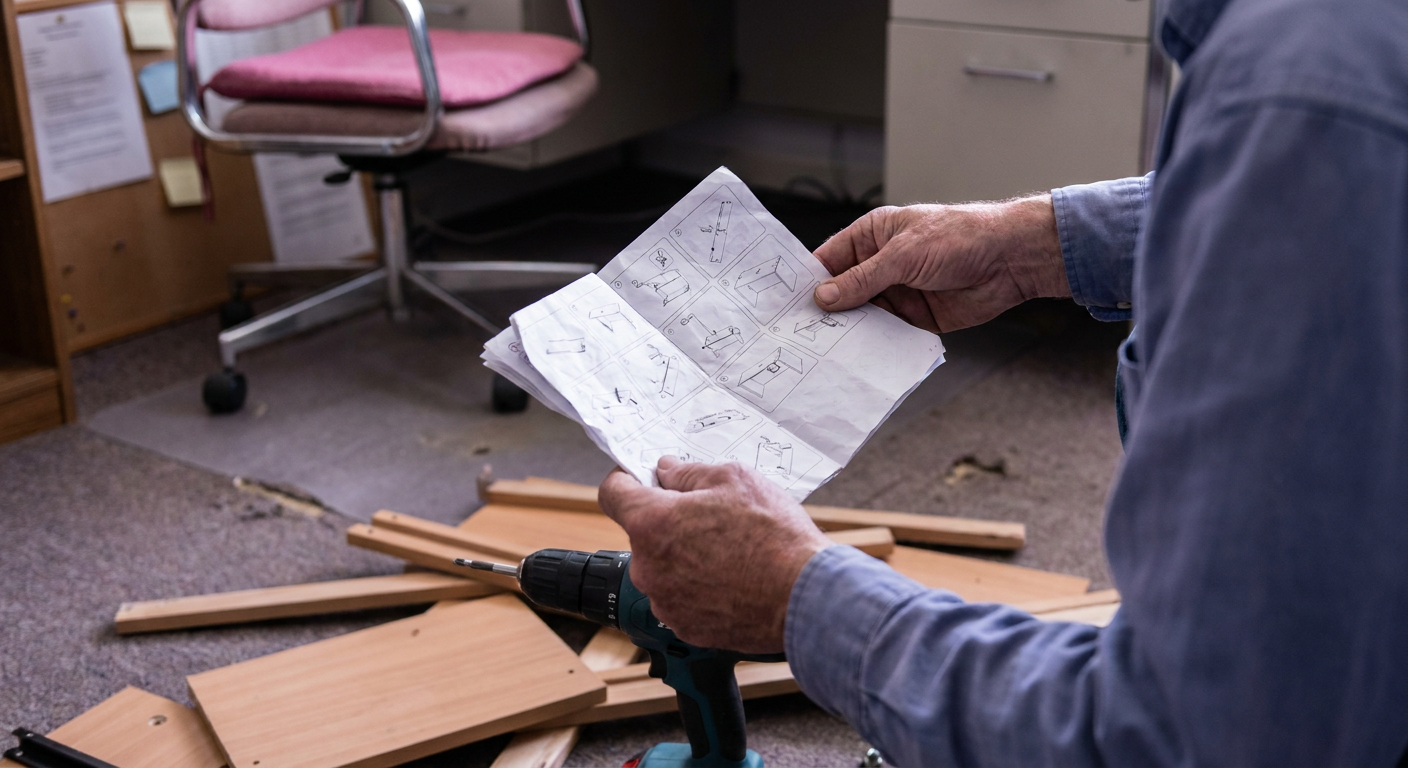
However, even a seemingly simple office fit out diy project carries risks. The person managing the project is pulled away from their primary role, leading to hidden productivity costs. What seems like a straightforward task can quickly become complex, leading to delays and unexpected expenses. The DIY route is best reserved for projects where the budget is extremely limited, the scope is purely aesthetic, and the consequences of getting it wrong are minimal. For anything more substantial, the risks often outweigh the perceived savings.
Pros of a DIY Refurbishment
The primary driver for a DIY refurbishment is the perception of lower upfront costs. By not paying professional fees, organisations believe they are saving a significant portion of the budget. This approach also offers complete creative control and a sense of ownership over the project’s outcome, which can be appealing for hands-on leaders in very small businesses. Plus, for minor updates, the process can be faster if you have the skills and time available immediately. However, it’s crucial to recognise that these benefits are typically confined to the smallest, lowest-risk projects and can evaporate quickly as complexity increases.
The Hidden Risks and Costs of DIY
The seemingly cheaper DIY path is littered with hidden costs and significant risks. Project delays are common as in-house teams juggle the refurbishment with their normal duties, leading to substantial opportunity costs. Budget overruns are frequent; without a professional’s experience, it’s easy to underestimate material needs or encounter unforeseen problems.
The most serious risk is non-compliance with UK regulations, which can result in fines, legal liability, or the need for expensive rework. An office fit out diy project might easily overlook critical fire safety, accessibility, or electrical standards. A study from Design Powers highlights that while DIY platforms handle many technical aspects, users often underestimate the time and expertise a project truly entails in the long run. Ultimately, poor space utilisation and a lacklustre finish can negatively impact employee morale and productivity, erasing any initial savings.
The Compelling Case for Professional Space Design
Yes, for any project of significant scale or complexity, hiring a professional is almost typically the superior investment. The benefits of professional space planning extend far beyond aesthetics; they are centred on risk mitigation, compliance assurance, and maximising your return on investment. When you hire a commercial interior designer uk, you’re not just buying a layout; you’re investing in an expert who ensures your space is functional, safe, and built to last.
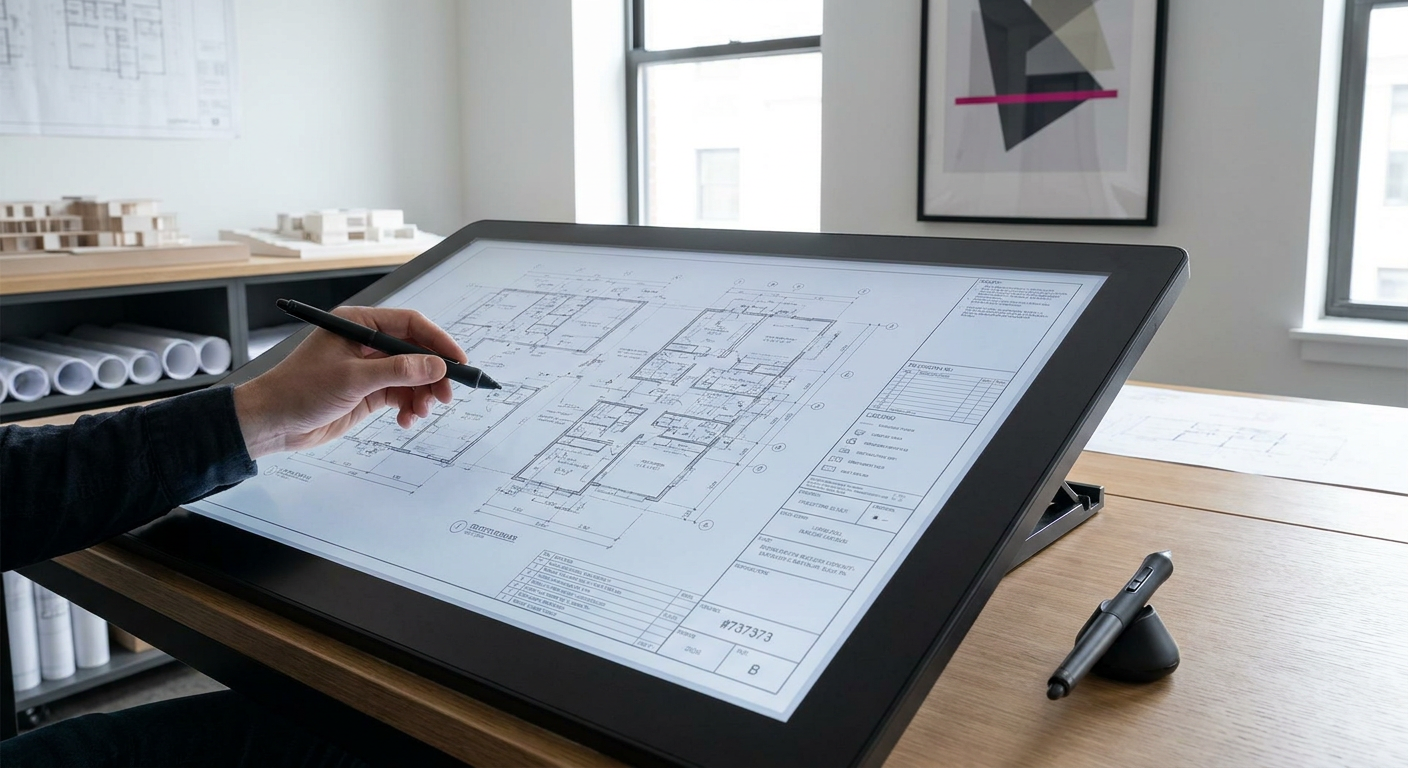
From a multi-classroom refurbishment to a full office redesign, a professional partner manages the entire process. This is our “Design To Install We Do It All!” promise. They translate your vision into a viable plan, navigate complex regulations, coordinate with multiple suppliers, and manage the project timeline, Saving Time & Stress. This frees up your team to focus on what they do best. A professional can also access trade discounts and prevent costly errors, often offsetting their own fees. They ensure your space not only looks good but also actively enhances productivity and well-being, for example, by integrating ergonomic solutions and well-planned modern breakout furniture.
Expertise in Compliance and Safety
A professional designer’s most critical role is ensuring full compliance with UK law. This is non-negotiable. They possess expert knowledge of a complex web of regulations, including the Health and Safety Executive (HSE), the UK’s workplace safety regulator, guidelines on Display Screen Equipment (DSE), and the Equality Act 2010, which mandates accessibility standards.
For educational settings, they ensure adherence to standards like British Standard EN 1729 (BS EN 1729), the European safety and dimensional standard for educational furniture. For commercial spaces, they ensure all upholstery meets fire retardancy standards like CRIB5, a UK fire-retardancy safety standard for furniture in commercial spaces. Navigating this landscape is a core part of their service, protecting you from liability and ensuring the safety of everyone using the space. You can view our commitment to these standards through our extensive certifications and accreditations.
Efficiency and Return on Investment
Professional space planning delivers a tangible Return on Investment (ROI). An expert designer makes your space work harder. Through intelligent layouts, they can often increase headcount capacity or improve workflow without needing more floor space. According to research highlighted by CREATIVA, professional design creates an experience that builds trust and credibility, which directly translates to business value.
They save you money by preventing common but expensive mistakes, such as choosing incorrect materials or creating layouts that hinder productivity. Also, their established relationships with suppliers often provide access to Bulk Buy Discounts that aren’t available to the public. By creating an environment that is comfortable, ergonomic, and efficient, they can have a measurable positive impact on employee satisfaction and output. This focus on long-term value is one of the key benefits of professional space planning.
Cost-Benefit Analysis: The True Price of Your Project
When evaluating the cost of office design uk, it’s a mistake to only compare a designer’s fee against the apparent ‘free’ cost of a DIY approach. A true cost-benefit analysis reveals a more complex picture. Professional design fees, typically 10-18% of the total project cost, should be viewed as an investment in risk management and value optimisation.
The table below breaks down the true costs. A DIY project’s budget is often unpredictable, susceptible to hidden expenses from mistakes, rework, and the cost of your staff’s time. A professionally managed project provides cost certainty. The designer’s fee is often balanced or even outweighed by savings from trade discounts, error prevention, and efficient project management. This ensures your budget is used effectively to deliver a high-quality, compliant, and valuable asset for your organisation.
| Factor | DIY Approach | Professional Service |
|---|---|---|
| Upfront Cost | Appears lower, but prone to hidden expenses and incorrect budgeting. | Higher initial fee, but includes trade discounts and cost certainty. |
| Project Timeline | Unpredictable; prone to significant delays due to inexperience. | Defined and managed schedule, minimising business disruption. |
| Compliance Risk | High; risk of fines or rework for non-compliance with UK regulations. | Low; expert knowledge of HSE, fire, and accessibility laws is included. |
| Final Quality | Variable; often results in poor space utilisation and durability issues. | High; optimised for workflow, well-being, and longevity. |
| Long-Term ROI | Often low or negative; rework and poor productivity negate savings. | High; driven by improved efficiency, employee well-being, and brand image. |
Critical UK Compliance: Navigating Regulations for Your Sector
In the UK, commercial and public sector refurbishment is not a creative free-for-all; it’s governed by stringent regulations that a DIY approach can easily miss. This is where a professional’s value becomes undeniable. Each sector has a unique set of rules that dictate everything from furniture dimensions to fire safety protocols. Attempting to navigate this without expertise is a significant legal and financial risk.

For instance, school refurbishment planning involves far more than choosing colourful chairs. It requires strict adherence to safeguarding principles and specific furniture standards. Office environments must prioritise employee well-being as mandated by the HSE. Public sector projects have their own layer of procurement rules and public sector space design standards. A professional partner doesn’t just design a space; they ensure it’s a safe, legal, and responsible environment for everyone who uses it.
Educational Spaces: Safety and Standards First
When planning refurbishments for schools, academies, or nurseries, safety and compliance are paramount. The key standard here is BS EN 1729, which specifies the dimensions, strength, and stability for educational furniture to ensure it is ergonomically suited for children of different age groups and safe for a demanding environment. It’s not just a recommendation; it’s a fundamental requirement for due diligence. Also, school refurbishment planning must account for safeguarding, ensuring clear sightlines and durable, tamper-proof fixtures. Professionals understand how to implement these standards while also creating engaging learning environments and managing the logistical challenge of working around term times.
Corporate and Office Environments: Productivity and Well-being
In office design, compliance is directly linked to employee health and safety. The Regulatory Reform (Fire Safety) Order 2005 and HSE regulations for Display Screen Equipment (DSE) are legal requirements. All upholstered furniture must meet the CRIB5 fire retardancy standard, a crucial detail for insurance and fire safety that is often overlooked in DIY projects. A professional designer integrates these requirements seamlessly. They specify ergonomic furniture that complies with DSE rules to prevent workplace injuries and design layouts that ensure clear fire escape routes. This focus on well-being isn’t just about compliance; it’s about creating a productive and healthy workforce.
A Practical Checklist for Your DIY vs Professional Space Design Decision
To make a confident choice, you need a clear framework. Use this practical business refurbishment checklist to assess your project. The answers will guide you toward the most appropriate path for your organisation, helping you decide between a DIY approach and engaging a professional. Honestly answering these questions is the first step in a successful project.
- Project Scale & Complexity? Is it a single room refresh or a multi-floor/multi-building project? (Small scale might allow DIY; large scale demands professional Project Management and Logistics).
- Are Structural Changes Involved? Does the project involve moving walls, changing electrical layouts, or altering plumbing? (If yes, a professional is essential for safety and building regulations).
- What is the Total Budget? Is the budget under £5,000 or over £25,000? (Larger budgets carry greater risk and benefit more from professional management to ensure value for money).
- Does the Space Have Specific Legal Requirements? Is it a school, healthcare facility, or public-facing office? (Yes points directly to professional help due to specific compliance needs like school refurbishment planning).
- Do We Have In-House Expertise and Time? Do you have a dedicated person with well-supported by research project management skills and the time to commit fully without neglecting their main job? (Be honest about this. If not, hire a professional).
- What is the Risk of Getting It Wrong? What are the financial, legal, and operational consequences of project failure or delays? (The higher the risk, the stronger the case for a professional).
- How Critical is Timeline Adherence? Do you need the space operational by a fixed date? (Professionals are skilled at creating and sticking to realistic timelines, a common failure point for DIY projects).
If you answered ‘yes’ to questions 2 or 4, or if your project is large-scale with a significant budget and high risk, the choice is clear: professional design is the responsible and strategic path.
Important Considerations
This guide provides a general framework for the DIY vs professional space design decision, based on our extensive industry experience. However, every project is unique. The costs and timelines mentioned are based on industry averages, and your specific project’s requirements will ultimately determine the final figures. We typically recommend conducting thorough due diligence for your specific circumstances.
A possible alternative is a hybrid approach. An organisation might feel confident handling simple furniture procurement but could hire a professional consultant solely for the initial space planning and compliance check. This can be a good middle-ground for medium-sized projects, ensuring the most critical and high-risk elements are handled by an expert while allowing for some internal management to control costs.
Finally, there are situations where seeking professional guidance is non-negotiable. You should typically consult a professional for any project that involves structural changes, requires planning permission, or is governed by specific UK building regulations, fire safety laws, or sector-specific standards like those in education or healthcare. In these cases, the legal and safety risks of a DIY approach are simply too great.
Frequently Asked Questions About Space Design
What is the core difference in a DIY vs professional space design approach?
The primary difference between DIY vs professional space design lies in certified expertise, accountability, and risk management. A professional brings deep knowledge of regulations, ergonomic principles, and project logistics, taking responsibility for the outcome. A DIY approach places all of that risk and responsibility on your internal team, which is only advisable for the smallest, non-regulated cosmetic updates.
Is it worth doing a DIY refurbishment for a small office?
It can be, but only for purely cosmetic changes where no regulations are impacted. If you are simply painting walls or buying a few new off-the-shelf desks for an existing layout, an office fit out diy approach may be cost-effective. However, if you are changing the layout, adding partitions, or need to consider fire exits or DSE rules, professional guidance is strongly recommended to avoid safety risks and expensive errors.
What is the meaning of DIY design in a commercial context?
In a commercial context, DIY design means your organisation’s internal team manages the entire refurbishment process without hiring external experts. This includes everything from initial layout ideas and product selection to budget management, procurement, and coordinating deliveries. This approach effectively transfers all project risk, from budget overruns to compliance failures, directly onto your organisation.
How much does it cost to hire a commercial interior designer in the UK?
The cost of office design in the UK typically ranges from 10-18% of the total project budget. Some designers may charge a fixed fee or an hourly rate depending on the scope. While this is an added upfront cost, their expertise in securing trade discounts and preventing expensive mistakes often means they deliver significant long-term value and a higher return on investment for your project.
What UK regulations apply to office fit-outs?
Several key UK regulations apply, making professional oversight essential for compliance. These include the Health and Safety at Work etc. Act 1974, the Regulatory Reform (Fire Safety) Order 2005, Display Screen Equipment (DSE) regulations, and the Equality Act 2010 for accessibility. A professional ensures your design is fully compliant with all of them, protecting your business from legal and financial risk.
Can a professional designer really save my school money?
Yes, a professional specialising in school refurbishment planning can deliver significant savings. They create efficient layouts to maximise pupil capacity, source durable, compliant furniture at trade prices through Bulk Buy Discounts, and manage the project to prevent costly delays. Most importantly, they help you avoid the huge potential costs associated with non-compliance or accidents from unsafe design, delivering long-term value.
What are public sector space design standards?
These are specific guidelines and procurement rules that government and public bodies must adhere to when commissioning projects. Public sector space design standards often include stringent requirements for accessibility under the Equality Act, sustainability, durability, and demonstrating value for money through formal tender processes. Professional designers are experienced in navigating these complex procurement frameworks to ensure a compliant result.
Is DIY refurbishment becoming more popular?
While DIY is popular for domestic projects, its use in commercial settings remains limited to very small businesses and cosmetic tasks. For most organisations, the significant risks associated with Compliance, Safety and Regulations, project management, and the large scale of commercial work make the professional route the more responsible and ultimately more popular choice. The stakes are simply too high.
What is the first step in planning a business refurbishment?
The first step is typically to define your objectives and create a detailed brief. This document should clearly outline what you want to achieve (e.g., more collaboration space, increased headcount), your total available budget, and your effective timeline. This brief is the most critical document for project success, whether you ultimately choose to pursue a DIY or professional path.
How long does a typical office fit-out take?
The timeline varies greatly with project scale, from 2 weeks to 4 months or more. A small office refresh might take 2-4 weeks. A full floor fit-out for 50-100 staff could take 8-16 weeks from initial design to completion. A key benefit of professional Project Management and Logistics is the creation and adherence to a realistic timeline, which minimises disruption to your business operations.
Making the Right Choice for Your Organisation’s Future
The final decision in the DIY vs professional space design debate ultimately comes down to a calculated assessment of risk, resources, and required expertise. For minor cosmetic updates in low-risk settings, a well-managed DIY project can suffice. However, for any substantial refurbishment in a school, office, or public sector environment, the complexities of compliance, logistics, and optimisation make professional partnership an essential investment, not an optional expense. When you hire a commercial interior designer uk, you are buying peace of mind.
At Cost Cutters UK, our 35+ years of experience providing end-to-end furniture and space design solutions ensure your project is delivered on time, on budget, and in full compliance with all UK standards. Our “Design To Install We Do It All!” service is Rated Excellent On Trustpilot by clients who value our reliability. We offer Credit Accounts Or Pay Flexibly to make your project more manageable. To de-risk your next project and maximise its value, request a free, no-obligation space planning consultation with our expert team today.
References
- Health and Safety Executive (HSE) – Regulatory Body Guidance. Provides official UK guidance on workplace health, safety, and welfare, including Display Screen Equipment (DSE) regulations.
- British Standards Institution (BSI) – Standards Organisation. Publishes official standards for products and services in the UK, including BS EN 1729 for educational furniture.
- Legislation.gov.uk – Government Legislation. The official source for UK law, including the Equality Act 2010, which outlines accessibility requirements for public and commercial spaces.
- Design Powers – Blog Post. Discusses the trade-offs between DIY and professional approaches, noting that DIY users often underestimate the long-term project requirements.
- CREATIVA – Blog Post. An article analysing the investment case for professional design, highlighting its role in building brand trust and credibility.
- Studio 77 – Blog Post. Explores the cost considerations and strategic moments when investing in professional design becomes critical for business growth.
Conclusion
Making the Right Choice for Your Organisation’s Future
In summary, the DIY vs professional space design decision ultimately comes down to a calculated assessment of risk, resources, and required expertise. For minor cosmetic updates with low stakes, a well-managed DIY project can suffice. However, for any substantial refurbishment in a school, office, or public sector environment, the complexities of compliance, logistics, and optimisation make the choice to hire a commercial interior designer in the UK an essential investment, not an optional expense. It is a strategic move that secures the long-term safety, functionality, and value of your space.
At Costcutters UK, our 35+ years of experience in end-to-end furniture and space design solutions ensure your project is delivered on time, on budget, and in full compliance with all UK standards. To de-risk your next project and maximise its value, request a free, no-obligation space planning consultation with our expert team today.