Advanced Strategies for Sustainable School Furniture Projects: A UK Guide
🎯 Key Takeaway
Implementing advanced strategies for sustainable school furniture involves moving beyond simple material choices to embrace whole-life costing, circular economy models, and reliable end-of-life planning. This approach prioritises long-term value and environmental responsibility over short-term savings. Key actions include focussing on whole-life costing (WLC) over initial purchase price to understand long-term value, adopting circular principles like repair and refurbishment to extend product lifespan, and prioritising suppliers with transparent supply chains and take-back schemes. This guide details the practical steps UK schools can take to create learning environments that are both cost-effective and truly sustainable.
As of August 2026, the conversation around sustainability in UK schools has matured significantly. For those involved in school furniture replacement projects, the focus is shifting from simply ‘buying green’ to implementing genuinely effective, long-term solutions. For advanced strategies for sustainable school furniture, many institutions face a common challenge: balancing tight budgets with ambitious environmental goals. The initial cost of high-quality, durable furniture can seem prohibitive, leading to procurement decisions that favour cheaper, less sustainable alternatives which ultimately cost more in the long run.
This guide provides a clear, authoritative framework for school business managers, headteachers, and facilities managers. We will explore practical strategies that reconcile cost, compliance, and circularity. We’ll move beyond basic procurement to cover whole-life costing, implementing circular economy models, and navigating the complexities of compliant disposal, helping you make choices that deliver lasting value for your students, your budget, and the planet.
Written by: The Cost Cutters UK Content Team
Reviewed by: Editorial Team, 35+ Years Experience; Rated Excellent On Trustpilot
ℹ️ Transparency Disclosure: This article explores advanced strategies for sustainable school furniture based on UK government guidelines, industry best practices, and market research. Some links may connect to our services. All information is verified by our editorial team for accuracy and relevance. Cost Cutters UK is a leading supplier of educational and commercial furniture, committed to providing sustainable and value-driven solutions.
What Defines ‘Advanced Sustainability’ in School Furniture?
Advanced sustainability in school furniture moves beyond surface-level claims like ‘made from recycled materials’ to scrutinise the entire product lifecycle. This holistic approach is defined by four key pillars: Material Health, Ethical Sourcing, Durability, and End-of-Life Management. It’s about ensuring every stage, from raw material extraction to final disposal, is managed responsibly to minimise environmental impact and maximise value.
A core component is Material Health. This refers to using materials with low or zero Volatile Organic Compounds (VOCs), which are chemicals that can be released into the air and affect indoor air quality. Choosing non-toxic finishes is crucial for creating a healthier learning environment.
Secondly, Ethical Sourcing is non-negotiable. For wooden furniture, this means demanding timber from forests certified by the Forest Stewardship Council (FSC). For all products, it means seeking transparency in the supply chain, favouring local UK manufacturers to reduce transport emissions. Reputable suppliers who are members of the British Educational Suppliers Association (BESA), a UK trade association for educational equipment manufacturers, are bound by a code of practice that ensures products are fit for purpose, a key tenet of sustainable procurement. According to the British Educational Suppliers Association (BESA) Code of Practice, members must ensure products are safe and suitable for educational use.
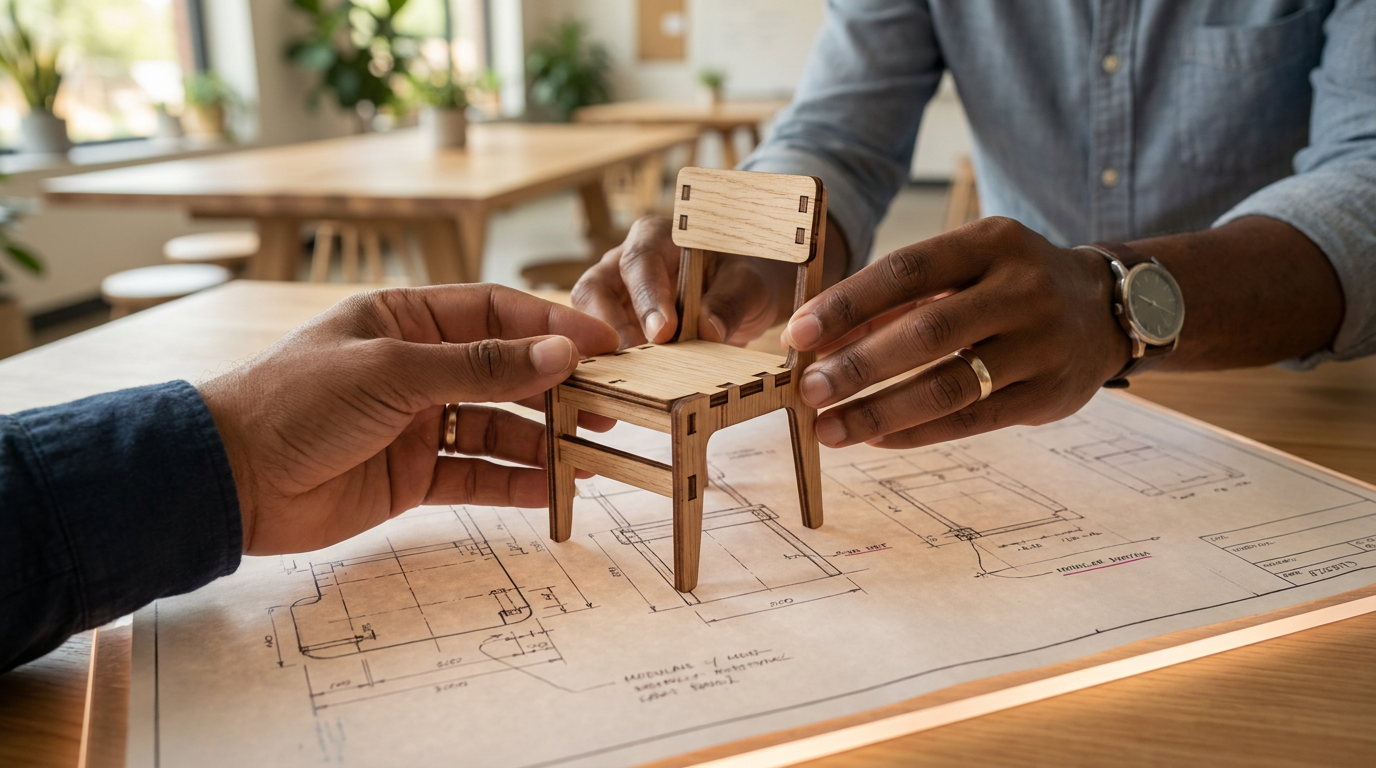
Durability is the cornerstone of sustainable furniture. Products that comply with standards like BS EN 1729 are specifically designed and tested for the rigours of a school environment. This standard covers both ergonomic sizing and the structural strength required for a long service life, directly reducing the frequency of replacement.
Finally, End-of-Life Management closes the loop. This means furniture should be designed for disassembly, allowing components to be easily separated for recycling or reuse. Partnering with suppliers who offer take-back schemes ensures that old furniture doesn’t end up in landfill. This comprehensive view defines the modern standard for sustainable school furniture UK-wide.
Beyond Procurement: Adopting a Whole-Life Costing (WLC) Approach
Adopting a Whole-Life Costing (WLC) approach is a critical strategy for any sustainable school furniture project. Whole-Life Costing, a method for calculating the total cost of an asset over its entire lifetime, shifts the focus of school furniture procurement from the initial purchase price to the total cost of ownership. This includes not only the upfront cost but also all subsequent expenses for maintenance, repairs, and eventual disposal. Our experience shows that furniture with a higher initial price often research suggests more economical over time due to superior durability and repairability.
By properly analysing school furniture budgets with WLC, decision-makers can justify investing in higher-quality items. For example, a cheap, non-repairable chair might need replacing every three years, whereas a more reliable, modular alternative could last for ten years or more with occasional, low-cost repairs. This dramatically lowers the long-term expenditure and reduces waste. The market for office and school furniture in the UK is substantial; data from Statista (2024) projected office furniture market revenue to be US$2.28 billion, highlighting the scale of procurement where smarter, long-term thinking can have a huge financial and environmental impact. Considering the expected school furniture lifespan is therefore essential.
Case Study: A Hypothetical Primary School WLC Scenario
Challenge: A primary school needed to replace 100 classroom chairs. They had a choice between a £25 chair with a 3-year warranty and no available spare parts, and a £40 chair with a 10-year warranty and available replacement seats and backs for £10 each.
Solution: The school applied a WLC model over a 10-year period. They projected that 20% of the cheaper chairs would need full replacement every 3 years, whilst the more expensive chairs would only require 10% of seats to be replaced at the 5-year mark.
Results: The total 10-year cost for the cheap chairs was calculated at over £5,800. The total 10-year cost for the durable chairs, including the projected repairs, was £4,100. This represented a saving of over £1,700 and diverted more than 130 chairs from landfill.
Key Insight: A higher initial investment delivered significant long-term savings and drastically reduced waste, proving the financial and environmental case for quality.
Whole-Life Cost Comparison Over 10 Years (100 Chairs)
| Factor | Option A: Low-Cost Chair (£25) | Option B: Durable Chair (£40) | Source |
|---|---|---|---|
| Initial Purchase Cost | £2,500 | £4,000 | School Quote |
| Projected Replacements | 66 chairs @ £25 each | 0 | Internal Projection |
| Projected Repairs | Not possible | 10 seats @ £10 each = £100 | Supplier Data |
| Disposal Costs | Incurred 3 times | Incurred once | Waste Contractor |
| Total 10-Year Cost | ~£5,830 | ~£4,100 | WLC Analysis |
How to Implement Circular Economy Models for School Furniture
Schools can implement circular economy models for their furniture by strategically prioritising repair, refurbishment, and supplier take-back schemes over simple disposal. A circular economy in education is an approach that aims to eliminate waste by keeping products and materials in use for as long as possible. Instead of the traditional ‘take-make-dispose’ linear model, it creates a closed loop where furniture is reused, repaired, or remanufactured. This not only diverts substantial waste from landfill but also offers significant financial benefits.
The practical application of this for schools can be summarised by three key actions:
- Repair: Establish a ‘repair-first’ policy. For simple issues like loose screws or minor scuffs, in-house maintenance teams can often perform fixes. For more complex problems, partnering with local repair services can be highly cost-effective compared to buying new. This simple shift in mindset is the first step towards a circular economy in education.
- Refurbish: For furniture that is structurally sound but looks tired, refurbishment is an excellent option. Working with specialist companies to reupholster chairs with modern, compliant fabrics or to respray and refinish desk frames can transform an entire classroom for a fraction of the cost of new items. This gives a second life to valuable assets.
- Remanufacture (via Take-Back Schemes): Engage with suppliers who offer reliable take-back schemes. This is a cornerstone of advanced sustainable procurement. At the end of a product’s life, the supplier collects it and uses the components to manufacture new items. When vetting suppliers, ask for clear details on their take-back process. Choosing partners who facilitate this, like we do at Cost Cutters UK, ensures you’re not left with a disposal problem and are actively participating in the circular economy. This is particularly important for items like polypropylene chairs, which are only truly sustainable if a recycling pathway exists.
Integrating Sustainability into Classroom Design and Layout
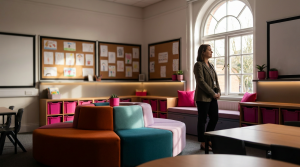
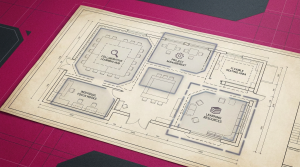
Classroom layout and furniture selection are intrinsically linked and directly impact the sustainability of your learning spaces. Flexible, multi-purpose furniture reduces the total number of items a school needs to purchase and store, immediately saving resources, space, and money. For instance, using modular tables that can be reconfigured for group work, individual study, or presentations may reduce the need for multiple types of specialised desks. This is a core principle of eco-friendly classroom design.
Thoughtful design also extends the life of furniture. By ensuring proper spacing and creating clear pathways, you minimise the daily wear and tear from bumps and scrapes. Incorporating protective elements on walls and corners can further preserve both the building and its contents. This approach aligns with our “Design To Install We Do It All!” philosophy, where we consider the entire lifecycle of the space, not just the individual products. The choice of sustainable furniture has a direct impact on student well-being. Ergonomic furniture that complies with BS EN 1729 supports better posture and reduces the risks of musculoskeletal issues, a concern highlighted by the Health and Safety Executive (HSE) in its guidance on workstation setup. The World Health Organization (WHO) (2020) guidelines on sedentary behaviour also underscore the need for learning environments that encourage movement. Choosing modern classroom furniture that is lightweight and easy to reconfigure can facilitate more active and dynamic teaching styles, contributing to a healthier, more engaging, and ultimately more sustainable sustainable school furniture UK classroom.
Navigating UK Regulations for Furniture Disposal and Refurbishment
UK schools must comply with specific waste disposal regulations when getting rid of old furniture, and understanding these is essential for any sustainable management plan. Under the Environmental Protection Act 1990, all organisations, including schools, have a legal ‘Duty of Care’ for the waste they produce. This means you are responsible for ensuring that old desks, chairs, and cabinets are handled, transported, and disposed of correctly and legally. It’s not just about hiring a skip; it’s about ensuring the entire process is compliant.
The core principle to follow is the Waste Hierarchy. This legal framework mandates that you must apply the following options in order of priority: Prevent, Reuse (e.g., refurbishment), Recycle, Recover, and only as a last resort, Dispose. This makes using refurbished school furniture or donating items the legally and environmentally preferred route. When disposal is unavoidable, you must use a licensed waste carrier and obtain a Waste Transfer Note, keeping a copy of this document for at least two years as proof of compliance.
For refurbishment, the items must still be ‘fit for purpose’ and meet all relevant school furniture safety and compliance standards, particularly fire retardancy for upholstery. The Early Years Foundation Stage (EYFS) statutory framework, published by the Department for Education (DfE), also requires that all equipment in early years settings must be safe and suitable. However, navigating these rules doesn’t have to be a burden; it’s about making reuse and refurbishment your default option, which is a win for your budget and the environment.
The Cost Cutters UK Approach to Sustainable Projects
At Cost Cutters UK, our 35+ years of experience have taught us that a successful sustainable furniture project is about more than just product selection-it’s about partnership and planning. We firmly believe that the most sustainable solution is also the most cost-effective one in the long run. That’s why our “Design To Install We Do It All!” service is built around these advanced principles.
Our approach focuses on helping you develop a strategy that works for your specific budget and goals. We don’t just sell furniture; we provide a comprehensive service that includes:
- Free Space Planning: We help you design flexible, efficient layouts that maximise your space and reduce the total amount of furniture you need to buy.
- Whole-Life Costing Advice: We provide clear data on the durability and repairability of our products, helping you make informed investment decisions.
- Sourcing and Compliance: We ensure our products meet key standards like BS EN 1729 and come from ethical supply chains, giving you peace of mind.
This process is designed for Saving Time & Stress for busy school managers. By offering Bulk Buy Discounts and flexible payment options like Credit Accounts Or Pay Flexibly, we make sustainable choices accessible. Our approach has helped hundreds of schools across the UK create better learning environments, a fact reflected in our status as Rated Excellent On Trustpilot.
Frequently Asked Questions
What are advanced strategies for sustainable school furniture?
Advanced strategies for sustainable school furniture define a holistic approach that prioritises long-term value and environmental impact over initial cost. This goes beyond just buying recycled products to include implementing whole-life costing to assess true value, adopting circular economy principles like repair and refurbishment, and ensuring reliable end-of-life management through supplier take-back schemes. These tactics work together to minimise waste and create lasting value.
How does whole-life costing work for school furniture?
Whole-life costing for furniture calculates the total expense over a product’s entire lifespan, not just its initial purchase price. This includes the upfront cost plus all future expenses for maintenance, repairs, energy use, and eventual disposal. A durable, repairable chair may cost more initially but often has a lower whole-life cost than a cheaper, disposable alternative, providing a truer picture of value for budget holders.
Is refurbished school furniture safe and compliant?
Yes, professionally refurbished school furniture is safe and compliant, provided it comes from a reputable specialist. These items are restored to be ‘fit for purpose’, which includes ensuring they meet all current safety standards for structural integrity (like BS EN 1729) and fire retardancy. We typically recommend you verify the supplier’s refurbishment process and ask about warranties before making a purchase.
What is the most sustainable material for school chairs?
There is no single ‘most sustainable’ material, as an effective choice depends on the product’s full lifecycle and intended use. FSC-certified solid wood is highly durable, repairable, and biodegradable. High-quality, robustly designed polypropylene can also be a good choice if it is lightweight, durable, and part of a supplier’s take-back scheme for recycling. The key is choosing a material known for longevity with a clear end-of-life plan.
What is a furniture take-back scheme?
A take-back scheme is a service where a supplier agrees to collect their products from you at the end of their useful life. The supplier then takes on the responsibility for recycling, remanufacturing, or disposing of the item correctly. Opting for suppliers who offer these schemes is a crucial part of a circular procurement strategy, as it closes the loop and prevents furniture from ending up in landfill.
How can I reduce the carbon footprint of my school’s furniture?
You can significantly reduce your furniture’s carbon footprint by prioritising longevity and circularity over disposability. Favouring locally manufactured furniture reduces transport emissions, while choosing items made from sustainable or recycled materials lowers the initial impact. Most importantly, implementing a ‘repair-first’ policy and using refurbishment to extend the life of existing furniture has a much lower carbon impact than buying new.
What is BS EN 1729 and why is it important for sustainability?
BS EN 1729 is the principal British and European standard covering the ergonomic sizing, strength, and stability of educational furniture. Compliance is vital for sustainability because it certifies that a product is built to withstand the demanding school environment, ensuring a longer functional lifespan. A longer-lasting product reduces the need for frequent replacement, which in turn saves school resources, budget, and environmental impact.
What are the UK’s rules on disposing of old school desks and chairs?
UK schools have a legal ‘Duty of Care’ over their waste, which means you must ensure it is disposed of responsibly. This requires using a licensed waste carrier and keeping records of all waste transfers. Furthermore, you must follow the official Waste Hierarchy, which legally obligates you to prioritise reuse (e.g., refurbishment or donation) and recycling over sending items to landfill.
Can sustainable furniture be more expensive?
Initially, some highly sustainable furniture can have a higher purchase price due to superior materials and reliable construction. However, its whole-life cost is frequently lower because of its enhanced durability, reduced maintenance needs, and better potential for reuse or repair. This upfront investment typically delivers superior long-term value for money and a significantly lower environmental footprint for your school.
How do I find a sustainable school furniture supplier in the UK?
Look for suppliers who demonstrate a clear commitment to sustainability through evidence and transparency. Check for membership in industry bodies like the British Educational Suppliers Association (BESA), which has a code of practice. Ask for proof of their claims, such as FSC certification for wood products, supply chain details, and information on any take-back schemes they offer. A credible sustainable school furniture UK supplier will provide this documentation readily.
Important Considerations
This guide provides strategies based on current UK regulations and best practices as of August 2026. However, the market for sustainable materials and circular economy services is rapidly evolving. Schools should verify the specific certifications and claims of any supplier at the time of procurement, as standards and available technologies can change quickly.
While implementing a full circular economy model is the effective, it may not be feasible for all schools due to budget, location, or the availability of local refurbishment services. Alternative approaches, such as a phased replacement programme focussing on the most durable products available within budget, can still be a significant step forward. Donating usable furniture to local charities is another viable, sustainable option that fulfils the ‘reuse’ mandate of the Waste Hierarchy.
For large-scale procurement or complex refurbishment projects, we recommend consulting with a specialised educational furniture consultant. An expert can help conduct a detailed whole-life cost analysis, navigate tender processes, and ensure all choices fully comply with the latest Department for Education (DfE), Health and Safety Executive (HSE), and environmental regulations. This expert guidance helps maximise your investment and sustainability impact.
Moving Your School Towards a Circular Future
Embracing advanced strategies for sustainable school furniture is a powerful commitment to both environmental stewardship and long-term fiscal responsibility. By shifting focus from initial cost to whole-life value, implementing circular principles like repair and refurbishment, and making informed choices for an eco-friendly classroom design, UK schools can create inspiring, healthy learning environments that don’t cost the earth. This proactive approach builds a powerful legacy of sustainability for future generations.
At Cost Cutters UK, we specialise in helping educational institutions navigate these complexities. Our experienced team provides expert advice on everything from compliant design to developing a cost-effective procurement plan that aligns with your sustainability goals. If you’re ready to start your sustainable furniture project, contact us for a free space plan and quote today.
References
- Health and Safety Executive (HSE) – UK Government Guidance. Provides the legal framework and practical advice for workstation ergonomics to prevent musculoskeletal disorders (MSDs).
- European Agency for Safety and Health at Work (EU-OSHA) – EU Research Body. Highlights poor workstation design as a key risk factor for work-related MSDs across Europe.
- Department for Education (EYFS Framework) – UK Government Statutory Framework. Mandates that all premises, environments, and equipment in early years settings must be safe and suitable for their purpose.
- British Educational Suppliers Association (BESA) – UK Professional Organisation. Its Code of Practice requires members to ensure products are ‘fit for their intended purpose’ in schools.
- World Health Organization (WHO) – Global Health Body Guideline (2020). Recommends limiting sedentary time for all age groups, providing the health basis for active classroom design.
- Statista – Market Research Data (2024). Projects UK office furniture market revenue, providing context for procurement costs and industry scale.
Conclusion
Moving Your School Towards a Circular Future
In summary, advanced strategies for sustainable school furniture represent a powerful commitment to environmental stewardship and fiscal responsibility. By shifting focus from initial cost to whole-life value, implementing circular principles like repair and refurbishment, and making informed design choices, UK schools can create inspiring, healthy learning environments that don’t cost the earth. This