Getting Started with Outdoor Seating for Cafes: A UK Guide
🎯 Key Takeaway
Properly planning the outdoor seating for cafes involves three key steps: securing the correct UK pavement licence, selecting durable, weather-resistant commercial furniture, and designing a safe, accessible, and profitable layout. This guide provides the essential steps and expert insights from our 35+ years of experience to help you create a successful outdoor dining area. By focusing on compliance and quality from the start, you can avoid common pitfalls and build a valuable asset for your business, something we’re proud to help our clients achieve.
Establishing effective outdoor seating for cafes is one of the most significant opportunities for new and growing hospitality venues in the United Kingdom. It not only increases your physical footprint and number of covers but also acts as a powerful marketing tool, enhancing your street-side visibility and creating an inviting atmosphere. However, the path to a thriving al fresco dining area is paved with challenges, from navigating complex local council regulations to selecting furniture that can withstand the unpredictable British weather.
This guide is designed to cut through the complexity. Drawing on our extensive experience, we provide a clear, step-by-step framework for getting started. We’ll cover everything from the legal necessities of pavement licences to the practical science of choosing materials and designing a layout that is both profitable and pleasant for your customers. Our goal is to empower you with the knowledge to make confident, informed decisions, ultimately Saving Time & Stress in the setup process.
Written by: The Cost Cutters UK Content Team | Reviewed by: Commercial Furniture Specialists, 35+ Years Experience; Rated Excellent On Trustpilot
Last updated: 28 May 2024
ℹ️ Transparency Disclosure: This article explores the essentials of setting up outdoor cafe seating based on over 35 years of industry experience and analysis of UK government regulations. For full transparency, some links may connect to our commercial outdoor furniture services. All information is verified by our editorial team for accuracy. Cost Cutters UK is a division of Findel Education Ltd.
Navigating UK Pavement Licences and Regulations
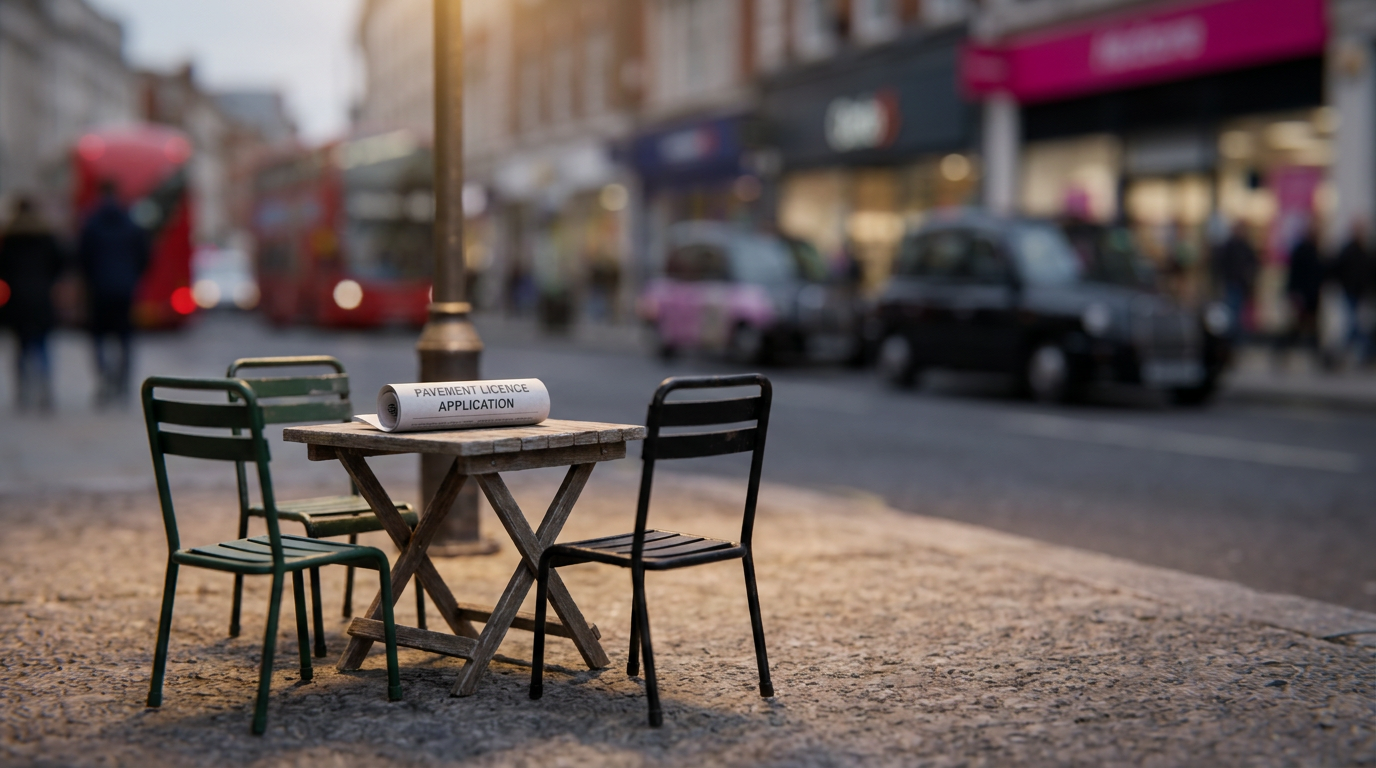
The first and most critical step is securing the legal right to place furniture on the pavement. In the UK, this is managed through a Pavement Licence, which is an official permission from a local council for placing removable furniture, such as tables and chairs, on a public highway. The process was streamlined by the Business and Planning Act 2020, UK legislation that introduced a faster, more cost-effective application system to help businesses adapt.
According to official GOV.UK (2022) guidance, the application is made directly to your local authority, typically via their website. Whilst the 2020 Act provides a national framework, councils have the power to set specific local conditions. Common requirements include:
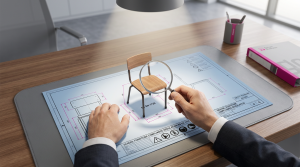
- A Detailed Site Plan: You’ll need to show the proposed area, furniture layout, and crucially, a clear and unobstructed route for pedestrians. Most councils mandate a minimum clear width of 1.8 to 2.0 metres.
- Public Liability Insurance: You must have sufficient insurance (typically £5 million to £10 million) to cover your outdoor operations.
- Furniture Specifications: Details of the proposed furniture are required to ensure it is safe, suitable, and removable. This is a key part of the
pavement licence furniture ukapplication.
These outdoor dining regulations uk are not uniform. For example, a busy central London borough may have stricter rules on trading hours and pedestrian space than a quieter town in the North. Therefore, it’s essential to consult your specific council’s website before making any purchases. We typically advise clients to secure their licence first, as it dictates what is possible for your space.
Choosing the Right Commercial Outdoor Seating for Cafes
Selecting the right furniture is a balance of aesthetics, durability, and practicality. For the UK market, the primary consideration must be weather resistance, as furniture will be exposed to rain, wind, and sun. Our experience shows that investing in contract-grade commercial outdoor seating from the outset is far more cost-effective than using domestic-grade items, which are not built for the rigours of daily public use. Research from the Furniture Industry Research Association (FIRA) underscores this, with standards like BS EN 581 defining the safety and durability requirements for contract furniture.
Here’s a breakdown of materials we recommend for cafe outdoor furniture uk:
| Material | UK Weather Suitability | Maintenance Level | Typical Cost |
|---|---|---|---|
| Powder-Coated Aluminium | Excellent | Low | Mid-Range |
| Treated Hardwood (e.g., Teak) | Very Good | Medium (Oiling) | High-End |
| High-Pressure Laminate (HPL) | Excellent | Low | Mid to High |
| Polypropylene (Contract Grade) | Good | Very Low | Entry-Level |
Powder-coated aluminium is often our top recommendation. It’s lightweight for easy daily setup and storage, naturally rust-proof, and the coating provides excellent protection against scratches and fading. For a more traditional look, treated hardwoods like teak are superb but require annual oiling to maintain their condition.
Beyond materials, consider functionality. Durable cafe chairs that are also stackable outdoor chairs for cafes are invaluable for businesses that must clear their pavement space overnight. Similarly, weatherproof cafe tables with weighted bases are essential to prevent them from tipping in windy conditions, ensuring customer safety and preventing damage.
Designing Your Layout for Profit and Experience
A well-designed layout makes your outdoor area safe, comfortable, and profitable. The starting point is your pavement licence conditions, which will define the total area you can use and the mandatory clear routes for pedestrians. Within that footprint, the goal is to balance maximising your covers with creating a pleasant customer experience. A study by Hospitality UK (2023) on post-pandemic trading patterns found that venues with comfortable and well-spaced outdoor seating saw a revenue uplift of up to 30%.
Here are our key layout principles:
- Define Your Zone Clearly: Use
cafe barrier systemsto demarcate your licensed area. This is often a council requirement underoutdoor dining regulations ukand serves multiple purposes: it keeps pedestrians safely out of your space, protects your customers from foot traffic, and provides a brilliant branding opportunity. - Prioritise Accessibility: Your layout must comply with the Equality Act 2010, UK law requiring businesses to provide accessible services for disabled people. This means ensuring there is enough space between tables for a wheelchair user to navigate comfortably. The Design Council’s inclusive design guides recommend clear circulation paths of at least 1200mm.
- Optimise for Flow: Arrange tables to create clear pathways for both staff and customers. Consider the journey from your cafe entrance to the furthest table. Can staff carry a tray of drinks without navigating an obstacle course? Can customers easily get to their seats? Using a mix of two-seater and four-seater tables provides flexibility.
Stackable outdoor chairs for cafescan be brought out during peak times to add capacity.
Don’t forget ambience. Even in a small space, adding planters, outdoor lighting, or branded parasols can transform a simple seating area into an inviting destination. It’s an extension of your indoor environment, not just an overspill area.
### Case Study: The hypothetical ‘Corner Grind’ Cafe
Challenge: A new urban cafe with a narrow 3-metre wide pavement frontage wanted to add 20 outdoor covers but was constrained by strict council rules requiring a 2-metre clear path for pedestrians.
Solution: We implemented a layout using compact 60cm square two-seater tables and armless, stackable chairs placed in a single row against the building. A branded cafe barrier system was installed exactly 1 metre from the facade to clearly define the zone.
Results: The cafe successfully created 18 compliant outdoor covers, increasing its total capacity by 40%. The defined, professional-looking space boosted street-side appeal, contributing to a 25% increase in footfall within the first three months.
Key Insight: Working within tight constraints forced a focus on highly efficient, small-footprint furniture, proving that even limited space can become a significant revenue driver with smart planning.
The Value of Partnering with a Commercial Furniture Specialist
While it might seem straightforward to buy cafe outdoor furniture uk online, partnering with a commercial specialist offers significant advantages that protect your investment and ensure compliance. The key difference lies in expertise and accountability. Retail furniture is designed for occasional domestic use; commercial outdoor seating is engineered and certified for constant, intensive use in a public environment.
Here’s what a specialist partner like Cost Cutters UK brings to the table:
- Compliance Assurance: With over 35 years of experience supplying schools, offices, and hospitality venues, we have an ingrained understanding of safety and legal standards. We can guide you towards furniture that meets BS EN 581 standards and satisfies council requirements, Saving Time & Stress.
- Expert Space Planning: Maximising a small or awkward space is a common challenge. Our “Design To Install We Do It All!” service includes free space planning consultations. We can create 2D and 3D plans to help you visualise the layout, ensure accessibility, and calculate the maximum number of covers before you spend a penny.
- Durability and Value: We source furniture built for longevity, not just for looks. This means robust materials, stronger welds, and UV-resistant finishes. While the initial cost may be higher than retail alternatives, the total cost of ownership is far lower. You avoid the cycle of replacing worn-out or broken furniture every season. Plus, we offer Bulk Buy Discounts for larger projects.
- Flexible Procurement: We understand the financial pressures on new businesses. That’s why we offer flexible payment options, allowing you to establish Credit Accounts Or Pay Flexibly to manage your cash flow effectively.
Working with a supplier who is trusted by public sector organisations means you are getting products and advice that meet the highest standards. You can view our official accreditations to see our commitment to quality.
Important Considerations
This guide provides a foundational framework for setting up outdoor cafe seating. However, You should remember that local council regulations for pavement licences can vary significantly across the UK. Typically consult your specific local authority’s website for the definitive rules, application forms, and fees applicable to your area before purchasing any furniture. The information provided by your council is the ultimate authority.
While this article focuses on purchasing new commercial-grade furniture as the most reliable long-term investment, other options exist. Some businesses may consider leasing furniture to lower initial capital outlay or purchasing second-hand commercial items. Even so, these alternatives may come with higher long-term costs, a lack of warranty, and no guarantee of compliance with current safety standards, which could be a false economy.
For new cafe owners, navigating regulations and planning a layout can feel overwhelming. We strongly recommend seeking professional guidance to ensure a compliant, safe, and profitable setup. A specialist supplier can provide a free space planning consultation to help you maximise your area and select furniture that meets all legal and practical requirements, a service we are proud to offer.
Frequently Asked Questions
What is an effective outdoor seating for cafes in the UK?
an effective outdoor seating for cafes in the UK combines durability, weather resistance, and compliance. Look for commercial-grade furniture made from powder-coated aluminium or treated hardwoods that can withstand British weather. Prioritise stackable designs for easy storage and ensure your choices meet local council pavement licence requirements. This ensures longevity and a solid return on your investment.
How do I get a pavement licence for my cafe furniture?
You must apply directly to your local council through their website. The process typically involves submitting a site plan showing clear pedestrian access, details of your proposed pavement licence furniture uk, and proof of public liability insurance. The specific requirements and fees vary by council, so typically check their dedicated guidance page first before proceeding with any purchase.
What material is most durable for UK cafe chairs?
Powder-coated aluminium is arguably the most durable and low-maintenance material for UK cafe chairs. It is naturally rust-proof, lightweight for easy movement, and the coating adds an extra layer of protection against scratches and fading. This makes it effective for the damp, unpredictable British climate, offering superior longevity compared to untreated steel or lower-quality woods.
Are cafe barrier systems a legal requirement?
While not a blanket legal requirement, many UK councils mandate cafe barrier systems as a condition of a pavement licence. They are used to clearly demarcate your licensed area, ensuring pedestrians have a clear, unobstructed path and preventing your seating from sprawling. They also enhance customer safety and comfort, making them a highly recommended investment for a professional setup.
How much space do I need to leave for pedestrians?
There is no single national rule, but most UK councils require a clear, unobstructed pavement width of at least 1.8 to 2.0 metres. This is to ensure adequate access for pedestrians, wheelchair users, and people with pushchairs, in line with outdoor dining regulations uk and the Equality Act 2010. Typically confirm the specific minimum width required by your local authority.
Can I leave my outdoor cafe furniture out overnight?
This depends entirely on the conditions of your pavement licence. Most temporary licences issued under the Business and Planning Act 2020 require that all furniture is removable and stored securely off the public highway outside of permitted trading hours. Choosing lightweight, stackable outdoor chairs and tables makes this daily task much more manageable for your staff.
What is the difference between commercial and domestic outdoor furniture?
Commercial outdoor seating is built for high-traffic use and must meet stricter safety and durability standards (e.g., BS EN 581). It uses stronger materials, more robust construction techniques, and often comes with longer warranties. Domestic furniture is designed for occasional home use and will not withstand the constant wear of a cafe, posing a safety risk and leading to higher replacement costs.
How can I make my small outdoor area look good?
For small spaces, choose furniture with a smaller footprint, such as two-seater bistro tables and armless chairs. Use light colours to create a sense of space and consider stackable chairs for flexible layouts. Cafe barrier systems with custom branding can define the area elegantly, while adding planters or outdoor lighting can significantly enhance the ambience without taking up valuable floor space.
Are weatherproof cafe tables completely waterproof?
The term ‘weatherproof’ means the table is designed to resist damage from rain, sun, and temperature changes. Materials like compact laminate, powder-coated aluminium, and treated teak are highly water-resistant. However, no material is entirely immune to extreme conditions forever. Regular cleaning and proper maintenance are still essential to maximise the lifespan of your weatherproof cafe tables.
Is it better to buy or lease outdoor cafe furniture?
Buying is a long-term investment that offers full ownership and control over your assets. Leasing can be a good option for new businesses with limited initial capital, as it requires a lower upfront cost and may include maintenance. However, over time, leasing is almost typically more expensive. We recommend you consider your budget and long-term business plan when making your decision.
Conclusion: Turning Your Outdoor Space into a Key Asset
Successfully establishing the outdoor seating for your cafe is a powerful way to increase your covers, boost revenue, and enhance your street-side presence. By carefully navigating pavement licence regulations, investing in durable, weather-appropriate commercial furniture, and designing a thoughtful layout, you create a valuable asset that will attract customers and pay dividends for years to come. This strategic approach turns a simple pavement space into a core part of your business.
At Costcutters UK, we are Rated Excellent On Trustpilot because we’ve spent over 35 years helping businesses and organisations create exceptional spaces. If you’re ready to plan your outdoor area, our team can provide expert advice and a tailored furniture solution. Book a Free Space Planning Consultation today to get started with confidence.
References
- GOV.UK – Official Government Guidance (2022). Provides the official framework and guidance for local authorities in England on implementing the pavement licensing regime under the Business and Planning Act 2020.
- Equality and Human Rights Commission – Statutory Guidance. Outlines the legal obligations under the Equality Act 2010 for service providers to make reasonable adjustments for disabled people, which includes ensuring physical access to premises.
- Hospitality UK – Industry Trading Report (2023). Analysis of post-pandemic trading patterns, which found that venues with well-managed outdoor seating areas reported significant revenue increases.
- Furniture Industry Research Association (FIRA) – Industry Standards Body. Details on BS EN 581 standards for contract-grade outdoor seating, covering safety, strength, and durability requirements for commercial use.
- Design Council – Inclusive Design Guide. Publishes principles of inclusive design for public spaces, emphasizing clear routes and accessibility for all users, including those with mobility impairments.