Strategic School Procurement: A Decision Guide for Furniture & Equipment
🎯 Key Takeaway
Effective school procurement is a structured process involving planning, compliant supplier vetting, and value-based decision-making to acquire furniture and equipment that meets educational needs and budget constraints. It involves navigating UK-specific frameworks from the Department for Education (DfE) and purchasing organisations like ESPO to ensure compliance. The core principle is to focus on Total Cost of Ownership (TCO) and long-term value rather than just the initial purchase price. Successful procurement requires implementing a rigorous due diligence process for vetting suppliers, including checks for accreditation, safety standards, and installation policies. This guide provides an actionable framework for school business managers to streamline procurement and achieve better outcomes.
School business managers and headteachers are under constant pressure to maximise every pound of their budget. Faced with tight financial constraints, the task of purchasing new furniture and equipment can feel overwhelming. However, strategic school procurement is far more than an administrative chore; it is a vital function that directly shapes the quality of the learning environment for both students and staff. As of April 2026, getting this process right is critical for compliance and for creating spaces that foster achievement.
This guide is designed to translate complex UK government policies into a practical, step-by-step decision-making framework. At Cost Cutters UK, we have over 35 years of experience supplying a comprehensive range of school equipment and furniture, and we understand the challenges you face. We believe that with the right approach, you can procure high-quality, durable assets that deliver exceptional value for years to come.
👤 Written by: Costcutters UK Content Team
Reviewed by: Costcutters UK Editorial Team, Specialists in UK Education Supplies & Furniture
Last updated: 29 April 2026
ℹ️ Transparency Disclosure: This article explores strategic school procurement based on over 35 years of industry experience and our analysis of UK government guidelines. For full transparency, some links may connect to our own services. All information has been verified for accuracy by our editorial team as of the publication date.
Understanding the UK School Procurement Landscape
The regulatory environment for education procurement in the UK is designed to ensure public funds are spent fairly, transparently, and effectively. For state-funded schools, this means adhering to specific rules that govern how you buy goods and services. According to official GOV.UK guidance (2023), governing boards are ultimately responsible for ensuring procurement delivers an effective value. This doesn’t just mean the cheapest price, but the most economically advantageous tender.
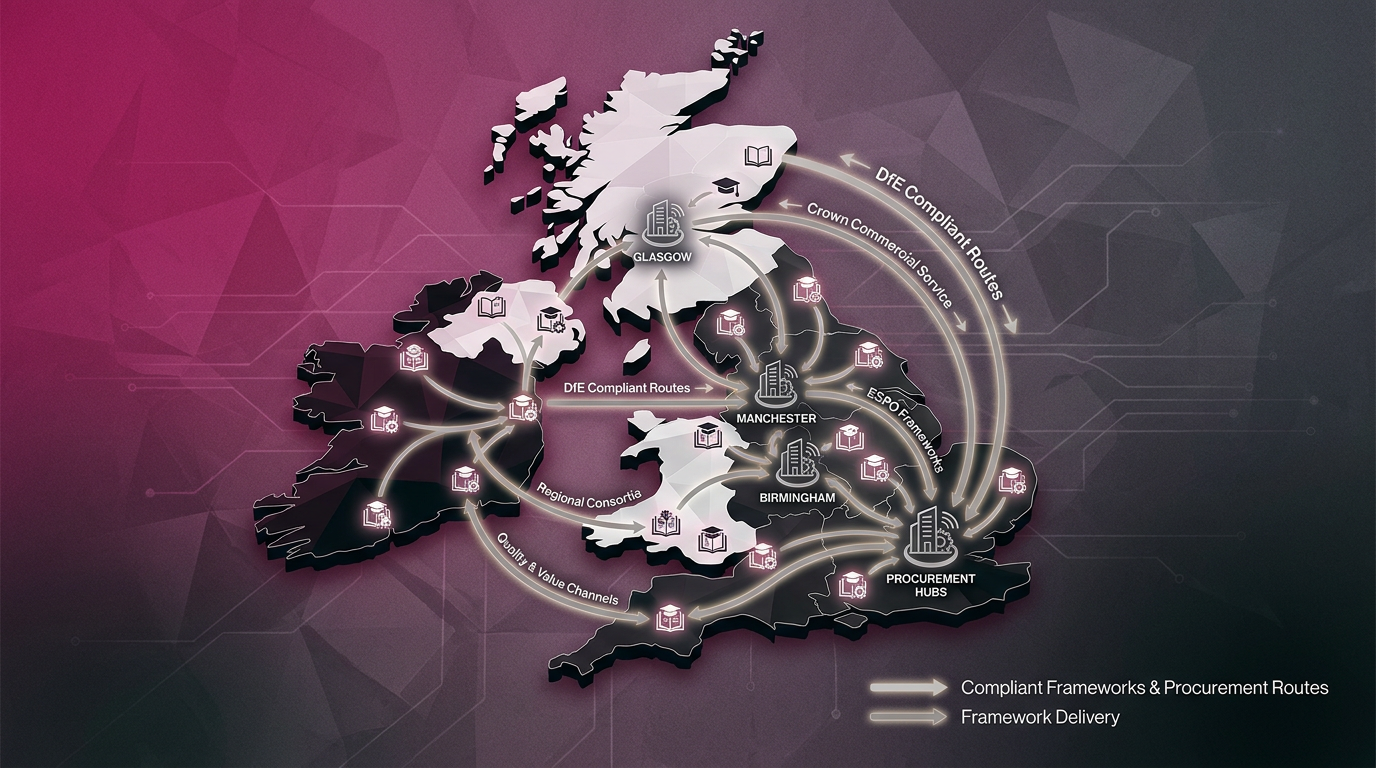
There are several approved routes for procurement:
- DfE-Approved Deals: The Department for Education (DfE), which is the UK government department responsible for education, negotiates national deals for common goods and services which schools can access.
- Public Buying Organisations (PBOs): These are organisations like ESPO (a public sector owned professional buying organisation) or YPO that establish compliant procurement frameworks. Using these frameworks simplifies the buying process because the suppliers have already been vetted for quality and value.
- Direct Procurement: For purchases below certain financial thresholds, schools can approach suppliers directly. However, they must still follow internal financial procedures and demonstrate value, typically by obtaining three written quotes.
A critical component of the school procurement guidelines is adherence to safety standards. One of the most important is BS EN 1729, the British and European standard for dimensions, strength, and stability of furniture for educational institutions. As the National Governance Association (NGA) highlights in its guidance for trusts (2024), ensuring compliance with such standards is a fundamental part of a board’s duty of care. This standard ensures that chairs and desks are ergonomically designed to support pupil health and wellbeing.
Step 1: Strategic Budgeting & Demonstrating Value for Money
Demonstrating ‘value for money’ is the cornerstone of public sector procurement, and it requires moving beyond the initial price tag. The most effective approach is to calculate the Total Cost of Ownership (TCO). TCO refers to the full lifecycle cost of a product, not just its purchase price. This includes delivery, installation, maintenance, potential repair costs, and the product’s expected lifespan. A cheaper chair that needs replacing every three years offers significantly worse value than a more robust, slightly more expensive model that lasts for a decade.
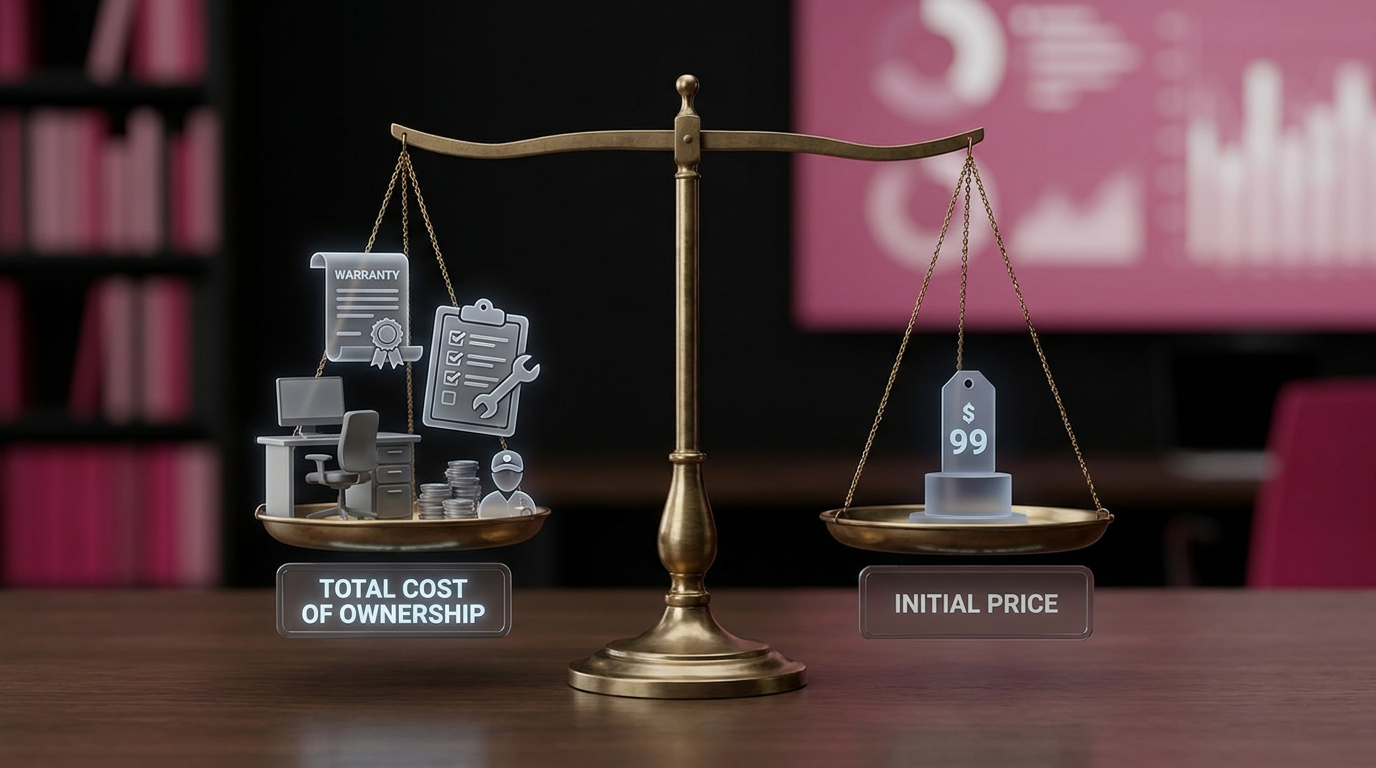
When creating a budget for school furniture procurement, You should build a comprehensive business case for governors or the trust board. This should clearly outline:
- Itemised Costs: The price of the furniture itself.
- Associated Costs: Delivery charges, installation fees, and the cost of removing and ethically disposing of old items.
- Long-Term Value: A projection of the TCO, highlighting how quality and durability will lead to lower replacement costs over time. For example, investing in scratch-resistant tabletops or fully-welded frames can drastically reduce maintenance needs.
- Educational Impact: Linking the investment to improved learning outcomes, such as how flexible furniture can support different teaching styles or how ergonomic seating can improve concentration.
According to a
Your due diligence should cover several key areas. According to analysis by Delta eSourcing (2025), transparency and fair competition are central themes in modern public procurement. A reputable supplier will be open about their credentials and processes. Key checks should include: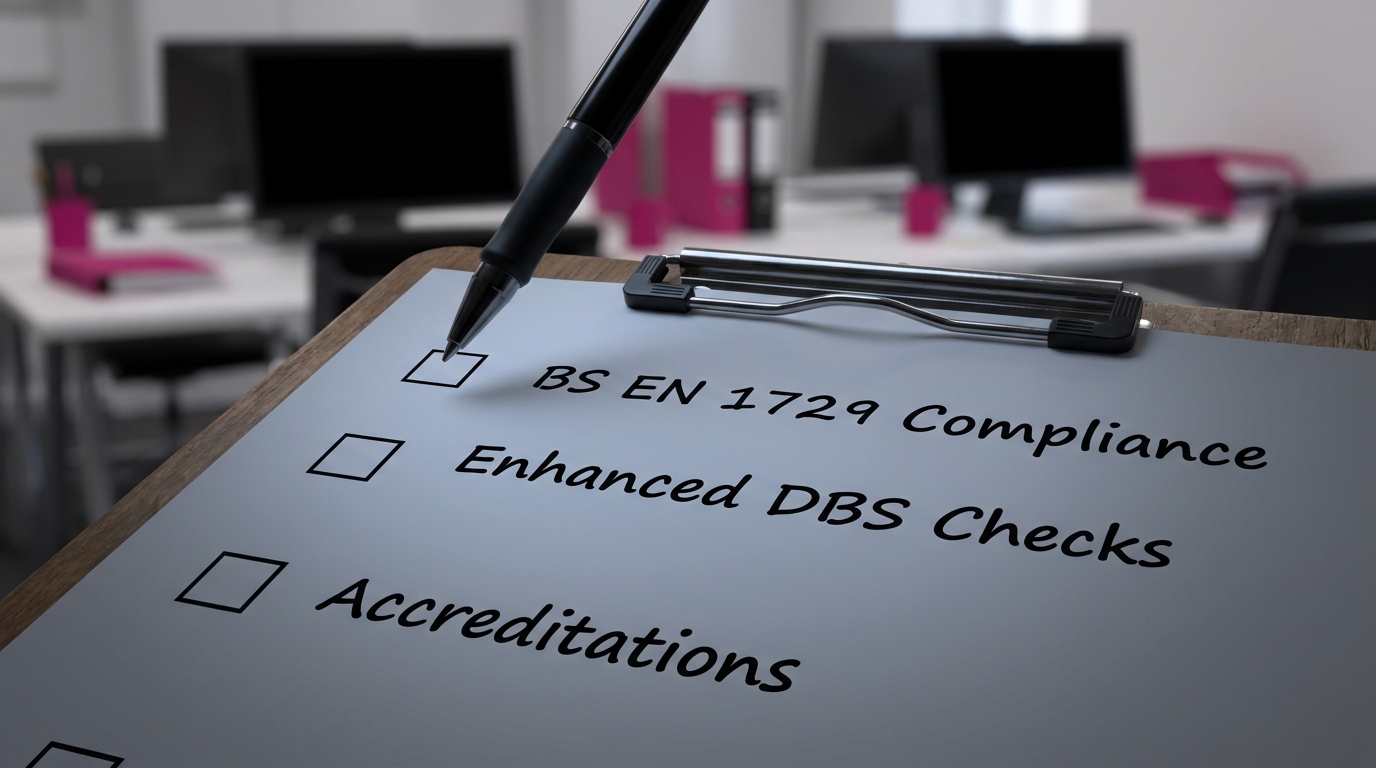
| Vetting Criterion | What to Look For | Why It Matters for Schools | Potential Red Flag |
|---|---|---|---|
| DBS Checks for Staff | A clear, written policy stating all on-site staff are enhanced DBS-checked. | Essential for child safeguarding. Unvetted personnel should not be on school grounds. | Vague answers or an inability to provide a clear policy. |
| BS EN 1729 Compliance | Product specifications explicitly state compliance. Certificates available on request. | Ensures furniture is ergonomically sound, safe, and appropriate for pupils, supporting health. | Products are described as ‘school-style’ but lack official compliance. |
| Public Liability Insurance | A valid insurance certificate with a minimum cover of £5 million. | Protects the school from liability in case of accidents or damage during delivery/installation. | Unwillingness to provide a copy of their insurance certificate. |
| Track Record & Reviews | A portfolio of completed school projects. Positive, verifiable reviews on platforms like Trustpilot. | Demonstrates experience with school-specific challenges like term-time deliveries and site access. | No education-specific case studies or only generic testimonials. |
Step 3: The Furniture & Equipment Decision Guide
Once you have a compliant budget and a shortlist of vetted suppliers, the focus shifts to selecting furniture that enhances the educational experience. Strategic school furniture procurement is an opportunity to create learning environments that are flexible, inclusive, and supportive of modern teaching methods. The right furniture can have a tangible impact on student engagement, collaboration, and wellbeing.
Think about the different zones within your school and the specific activities that take place in each.
- Classrooms: Move beyond traditional rows of desks. Consider trapezoidal or C-shaped tables that can be easily reconfigured for group work, individual study, or whole-class instruction. Height-adjustable tables can cater to students of different ages and those with Special Educational Needs (SEN).
- Libraries and Resource Centres: Create a mix of environments. Include quiet individual study carrels, larger tables for collaborative research, and comfortable soft seating areas for relaxed reading. This variety gives students choice and control over their learning environment.
- Canteens and Dining Halls: Durable, easy-to-clean benches and tables are essential. However, consider using colour and different seating heights to create a more welcoming and less institutional atmosphere. This can improve social interaction and make lunchtime a more positive experience.
- Breakout and Common Areas: These informal spaces are increasingly important for student wellbeing. Investing in modern breakout furniture, such as modular sofas, acoustic pods, and high-back chairs, provides students with places to socialise, de-stress, or work quietly between lessons.
Your furniture choices can also directly support your school’s development plan and even Ofsted criteria. For instance, investing in furniture that promotes independent learning can be used as evidence for the ‘Quality of Education’ judgement. Similarly, creating calm and supportive breakout areas contributes to ‘Personal Development’.
Step 4: Beyond the Purchase: Delivery, Installation & Aftercare
A successful school procurement project doesn’t end when the order is placed. The logistical phases of delivery and installation are where many projects encounter unforeseen challenges. We believe a supplier’s role is to act as a project partner, actively managing these stages to ensure a seamless outcome while Saving Time & Stress for school staff.
From our experience, effective project management involves several key elements:
- Coordinated Delivery Planning: Delivering large quantities of furniture during term time can be disruptive. A good supplier will work with you to schedule deliveries for outside of school hours, during holidays, or in a phased manner that minimises impact on the school day.
- Site Readiness and Access: Before the delivery day, the supplier should conduct a site survey or have a detailed discussion about access points, stairwells, and the final location for the furniture. This prevents delays and ensures the installation team arrives fully prepared.
- Professional Installation: The installation team should be efficient, professional, and fully briefed on the layout plan. They should be responsible for assembling all items, placing them as per the agreed plan, and removing all packaging materials from the site, leaving the space ready for use. According to a guide from EPM (2024), a post-procurement review is a key step, and this should include satisfaction with the installation process.
- Aftercare and Warranties: Value for money is also determined by the long-term support you receive. Before purchasing, clarify the warranty period for all products. A supplier confident in their product quality will offer substantial may help (often 5-10 years on frames). Understand the process for reporting any issues and the expected response time for repairs or replacements.
Frequently Asked Questions About School Procurement
What is school procurement?
School procurement is the official process schools use to acquire goods, works, or services, such as furniture and equipment. It is designed to ensure the process is fair, transparent, and achieves value for money for the public purse, following specific UK regulations. This applies to everything from classroom chairs and IT hardware to catering services and building works, ensuring accountability and responsible spending.
What are the key UK school procurement guidelines?
The key guidelines are set by the Department for Education (DfE) and are aligned with public contract regulations. For high-value purchases over a certain threshold, schools must follow formal tender procedures advertised publicly. For lower-value items, they still need to demonstrate value for money, often by obtaining and documenting at least three quotes. This ensures public funds are spent responsibly and transparently.
How can schools ensure value for money?
Value for money is achieved by looking beyond the lowest initial price. Schools should consider the Total Cost of Ownership (TCO), which includes durability, warranty, delivery, installation, and maintenance costs over the product’s entire lifespan. A cheaper chair that breaks in two years offers far worse value than a slightly more expensive one that is likely to support for ten. This approach justifies quality investments.
What is BS EN 1729 and why is it important for school furniture?
BS EN 1729 is the British and European standard for educational furniture specifying its size, shape, and ergonomic dimensions. Compliance is critical for ensuring chairs and tables support good posture and comfort for pupils, which can impact health and concentration. It also may help strength and stability, making the furniture safe and fit-for-purpose in a busy learning environment.
How do I choose a reliable classroom furniture supplier in the UK?
Look for suppliers with a well-supported by research track record in the education sector and positive independent reviews. Check for relevant accreditations (like ISO 9001), transparent policies on enhanced DBS checks for all installation staff, and clear evidence of compliance with standards like BS EN 1729. A reliable supplier, often Rated Excellent On Trustpilot, will offer comprehensive support and be able to provide references from other schools.
What is a procurement framework?
A procurement framework is a pre-vetted list of suppliers that public bodies, including schools, can use to buy goods and services. Using a framework agreement from an organisation like ESPO or the DfE simplifies the buying process significantly. It ensures compliance with procurement law because the suppliers have already been assessed for quality, financial stability, and value for money.
Can schools buy directly from suppliers?
Yes, schools can and often do buy directly, especially for lower-value purchases below the official tendering thresholds. However, they must still adhere to their own internal financial rules and be able to prove they sought value for money. This is typically achieved by obtaining and comparing several written quotes before making a decision, ensuring a fair and competitive process.
What should be included in a school furniture budget?
A comprehensive budget must include more than just the item price. You should typically factor in VAT, delivery charges, professional installation costs, and the cost of removing and ethically disposing of any old furniture. For a true ‘value for money’ assessment, also consider the product’s warranty and expected lifespan to calculate the long-term cost per year of use.
What are common mistakes to avoid in school procurement?
A common mistake is focusing solely on securing the cheapest initial price. This frequently leads to poor quality products with high long-term costs due to repairs and early replacement. Other pitfalls include failing to verify supplier credentials (like DBS checks for installers), not planning for the logistics of a term-time delivery, and writing a vague specification that results in unsuitable products.
How can furniture choices support student wellbeing?
Strategic furniture choices create supportive, comfortable, and inclusive environments. Ergonomic chairs and desks that comply with the BS EN 1729 standard help prevent physical strain and improve focus. Also, providing varied seating options, such as soft seating in a library or breakout pods in common areas, gives students autonomy and can help reduce anxiety, directly supporting their mental wellbeing.
Important Considerations
This guide provides a general framework for state-funded schools in the UK. Academies, multi-academy trusts (MATs), and independent schools may have slightly different internal governance and financial thresholds. However, the core principles of demonstrating value, ensuring fairness, and conducting thorough due diligence remain constant and represent best practice across the entire education sector. The advice is strategic and should typically be adapted to the specific scale and complexity of your procurement project.
Schools have several procurement routes available. For large, recurring needs, joining a public buying organisation (PBO) like ESPO or using a DfE-approved framework can provide access to heavily discounted, pre-vetted suppliers, ensuring compliance and saving administrative time. Alternatively, for smaller or highly specialised needs, direct purchasing from a trusted supplier after obtaining several quotes can be a more agile and efficient approach. An effective route depends on the project’s value and your school’s available resources.
For large-scale refurbishments or new builds involving significant capital expenditure (e.g., over £100,000), we recommend seeking professional guidance. Engaging a specialist educational space planner or working with a supplier offering a “Design To Install We Do It All!” service can prevent costly mistakes. These experts ensure optimal space utilisation, manage complex logistics, and oversee the entire project, freeing up valuable time for school leadership to focus on educational priorities.
Your Partner in Strategic School Procurement
Successful school procurement goes beyond simply buying products; it’s a strategic process that underpins the quality of your learning environment. By following a structured approach that prioritises UK compliance, long-term value, and thorough supplier vetting, you can maximise your budget and invest confidently in furniture and equipment that will serve your students and staff for years to come. This ensures that every pound spent contributes directly to a better, safer, and more inspiring school.
At Cost Cutters UK, we have over 35 years of experience partnering with schools across the country, turning procurement challenges into successful projects. We are Rated Excellent On Trustpilot because we provide comprehensive support, from navigating frameworks and managing budgets with options like Credit Accounts Or Pay Flexibly, to designing inspiring spaces. If you’re planning a project, Book a Free, No-Obligation Space Planning Consultation to see how our expertise can support your vision.
References
- GOV.UK – Government Guidance (2023). Provides official advice for school governors on achieving best value from non-staff expenditure through effective procurement.
- Buying for Schools Blog (GOV.UK) – Government Blog. Offers ongoing news, updates, and practical advice on approved deals and procurement strategies for schools.
- National Governance Association (NGA) – Guidance Document (2024). Outlines the responsibilities of governing boards in the procurement process, emphasising strategic oversight and accountability.
- EPM – Industry Guide (2024). Presents a step-by-step guide for school leaders on navigating the practical stages of educational procurement.
- Education Buying – Industry Article. Provides tips and best practices for navigating the UK school procurement landscape, viewing it as a strategic function.
- Delta eSourcing – Industry Analysis (2025). Discusses future trends in education procurement, focusing on transparency and fair competition in a digital environment.
Conclusion
Your Partner in Strategic School Procurement
In summary, school procurement is a strategic process that goes beyond simply buying products; it underpins the quality of your learning environment. By following a structured approach that prioritises UK compliance, long-term value, and thorough supplier vetting, you can maximise your budget and invest confidently in furniture and equipment that will serve your students and staff for years to come.
At Costcutters UK, we have over 35 years of experience partnering with schools across the country, turning procurement challenges into successful projects. As leading classroom furniture suppliers in the UK, we excel at everything from navigating frameworks to designing inspiring spaces, and our team is here to help. If you’re planning a project, Book a Free, No-Obligation Space Planning Consultation to see how we can support your vision.