Early Years Setting Design: 5 Costly Mistakes to Avoid in Your UK Nursery
🎯 Key Takeaway
Effective early years setting design involves creating a safe, stimulating, and compliant physical environment that supports the EYFS framework, which is often compromised by common mistakes. These errors include ignoring logical flow and clear zoning, which hinders child-led learning and creates chaos. Also, choosing furniture based on aesthetics over UK safety standards (BS EN 1729) and durability leads to budget waste and safety risks. Finally, failing to plan for adequate, accessible storage results in a cluttered, overstimulating, and inefficient space. By avoiding these pitfalls, you can create an enabling environment that nurtures development and stands the test of time.
Getting the physical environment right in a nursery or preschool is a high-stakes task for any School Business Manager (SBM). An SBM, a professional responsible for the administrative and financial management of a school, knows that mistakes in early years setting design can lead to wasted budgets, compliance failures, and a compromised reputation. As of May 2026, the focus on creating enabling environments eyfs as mandated by the Early Years Foundation Stage (EYFS) framework has rarely been greater. This framework is the UK statutory framework for early childhood education. A poorly planned space not only hinders learning but also creates daily operational stress for staff. This guide outlines the five most common and costly mistakes we see in eyfs classroom design and provides practical, expert advice on how to avoid them, drawing on our 35+ years of experience supplying a comprehensive range of school equipment.
👤 Written by: Content Team
Reviewed by: Editorial Team, 35+ Years Experience; Rated Excellent On Trustpilot
Last updated: 23 May 2026
ℹ️ Transparency Disclosure: This article explores common mistakes in early years setting design based on over 35 years of industry experience and analysis of UK educational standards. Our goal is to provide authoritative, practical guidance. Some links may connect to our services or product pages that align with the solutions discussed. All information is verified for accuracy by our editorial team. Cost Cutters UK is a leading supplier of educational furniture, and we are proud to be Rated Excellent On Trustpilot.
Mistake 1: Ignoring Flow & Zoning for Child-Led Learning
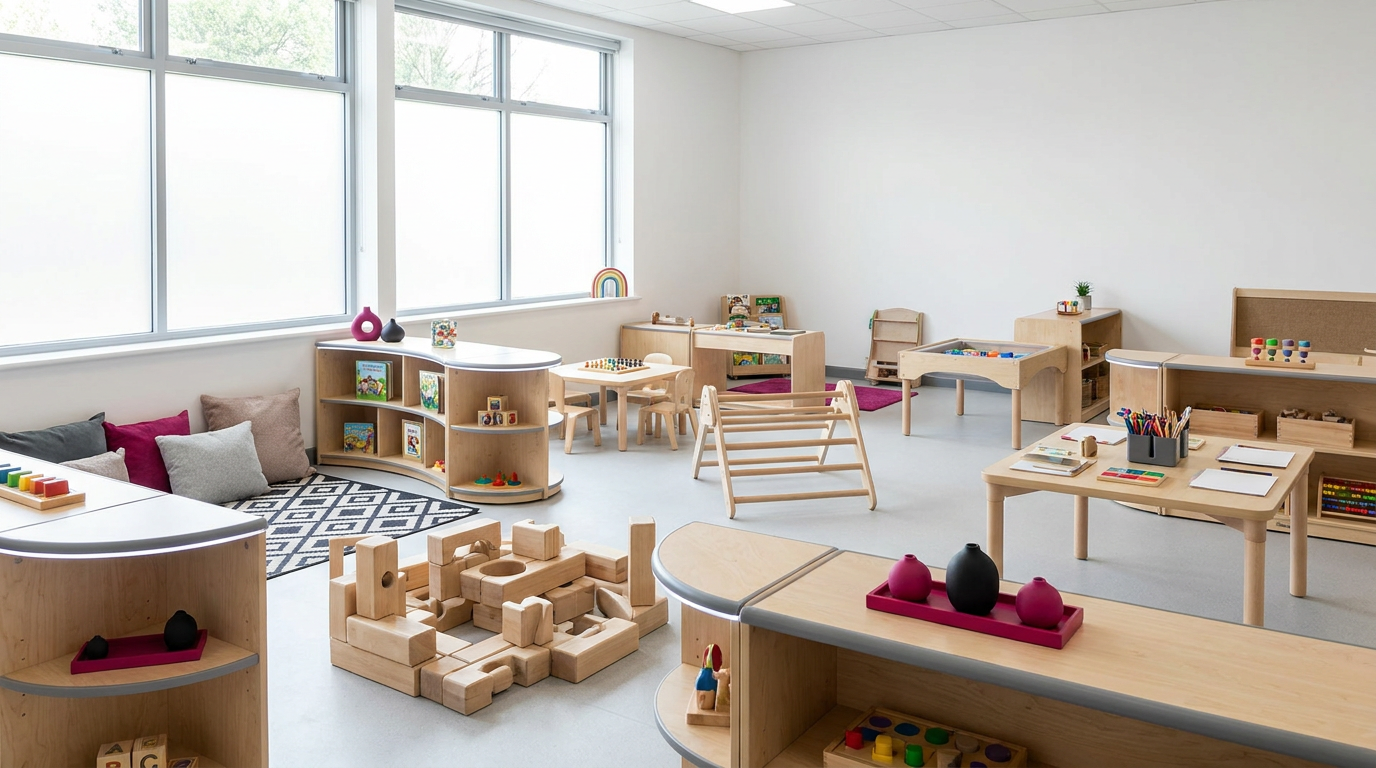
A common error is designing a space without considering how children will actually move through and use it. An early years classroom layout that lacks logical flow and clearly defined zones for different activities inevitably leads to disruption and chaos, undermining the goal of creating enabling environments eyfs. When quiet reading areas are placed next to noisy construction zones, or when pathways are blocked by furniture, it becomes difficult for children to engage in ‘free-flow play’. Free-flow play is a practice where children can move independently and make their own choices about their activities. This lack of structure can overstimulate children and make effective supervision challenging for staff.
Research consistently shows the profound impact of the physical environment on children’s behaviour and ability to self-regulate. A well-organised space with clear classroom zoning early years empowers children, promotes independence, and supports the development goals outlined in the EYFS framework.
How to Fix It: A Zoning Blueprint
We recommend a simple, three-step process to establish effective zoning and flow:
- Map Activities: Begin by listing all planned activities and categorising them. Group ‘wet’ and ‘messy’ activities (like painting or sand play) together, away from ‘dry’ and ‘quiet’ zones (like the book corner or IT station). This logical grouping contains mess and minimises disruption between different types of play.
- Create Pathways: Once zones are mapped, ensure there are clear, wide pathways between them. Children should be able to move freely from one area to another without navigating an obstacle course. This is crucial for safety and for encouraging independent exploration.
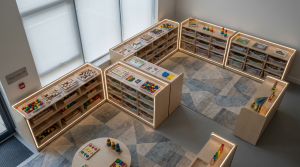
- Use Furniture as Dividers: You don’t need solid walls. Use low-level shelving units, bookcases, or panels to define the boundaries of each zone. This approach creates distinct areas while maintaining clear sightlines for staff supervision, which is a well-suited balance for a successful early years classroom layout.
Mistake 2: Prioritising Aesthetics Over Durability in Your Early Years Setting Design
Choosing furniture based purely on looks or a low price tag is a false economy that introduces significant financial and safety risks. Domestic-grade furniture, while often stylish, is not designed to withstand the intense daily use of a bustling nursery environment. This leads to a frustratingly short replacement cycle, ultimately costing more in the long run. More importantly, it often fails to meet the stringent early years furniture requirements uk.
The key standard to look for is British Standard EN 1729 (BS EN 1729). BS EN 1729 is a safety and ergonomics standard for educational furniture, specifying requirements for strength, stability, and appropriate dimensions for children. Using non-compliant furniture can pose a safety hazard and may not be covered by your insurance. According to the British Standards Institution (BSI) (2024), which publishes the standard, compliance ensures furniture is fit for purpose in an educational context. Our experience shows that contract-grade, durable school furniture can last 5-10 times longer than its domestic equivalent. You can view our numerous certifications and accreditations that demonstrate our commitment to these standards.
| Material | Typical Lifespan (Contract Use) | Average Cost | BS EN 1729 Compliant? | Key Feature |
|---|---|---|---|---|
| Solid Beechwood | 10-15 Years | High | Yes | Superior strength, natural finish |
| 18mm MFC with ABS Edging | 5-10 Years | Medium | Yes | Scratch-resistant, wide colour choice |
| Laminated Plywood | 7-12 Years | High | Yes | Very strong, attractive layered edge |
| Domestic-Grade Particleboard | 1-2 Years | Low | No | Prone to chipping and water damage |
How to Fix It: Focus on Compliance and Longevity
In our view, an effective approach is to typically prioritise safety and long-term value.
- Check for Certification: typically ask suppliers to confirm that their furniture is certified to BS EN 1729. This is your primary assurance of quality and safety.
- Examine Materials: Opt for materials designed for heavy use. Look for solid wood frames or high-quality, thick Melamine Faced Chipboard (MFC) with protective, high-impact ABS edging to prevent chipping and damage.
- Request may help: A reputable supplier of durable school furniture will offer substantial may help on their products, often for 5, 10, or even 25 years. This is a clear indicator of their confidence in the product’s durability and a key part of the early years furniture requirements uk.
Mistake 3: Underestimating Storage and Creating Clutter
An insufficient or poorly planned storage system is a recipe for chaos. When resources are not easily accessible or simple to put away, clutter quickly accumulates. This creates a visually ‘noisy’ and overstimulating environment that can be stressful for both children and staff. Research from the Princeton University Neuroscience Institute (2011) in a study on adults found that a disorganised environment competes for attention, resulting in decreased performance and increased stress; the same principles apply to children’s developing minds.
Also, a lack of accessible storage directly undermines a key goal of the EYFS: fostering independence. If children cannot reach the toys, books, or art supplies they need, they cannot lead their own learning. Effective early years setting design requires a multi-layered storage strategy that empowers children while keeping the space tidy and functional.
How to Fix It: A Multi-Layered Storage Strategy
We recommend implementing a three-tier storage system to balance accessibility with organisation:
- Child-Accessible Storage: Use low, open-fronted shelving units and trays. Label them with clear pictures and words so children can independently find what they need and, crucially, know where to return it.
- Staff-Accessible Storage: For items that require adult supervision or are used less frequently, use higher shelves or cupboards. This keeps them organised but out of the immediate play area.
- Deep Storage: Every setting needs lockable cupboards or a stockroom for bulk supplies, rotational resources, and any hazardous materials like cleaning products. Using vertical space with tall cupboards is an excellent way to maximise storage capacity without sacrificing valuable floor space.
Mistake 4: Overlooking Inclusive & Multi-Sensory Design
A truly effective eyfs classroom design caters for all children, including those with Special Educational Needs (SEN) and neurodiverse profiles. It’s a mistake to think of accessibility as merely providing a ramp. Inclusive design involves creating a space that supports a wide spectrum of physical, sensory, and cognitive needs, aligning with the ‘Unique Child’ principle of the EYFS framework.
This means considering factors beyond the basics. For instance, using a palette of natural, calming colours can help reduce sensory overload for children on the autism spectrum. Providing quiet, cosy ‘cocoon’ spaces gives children a safe place to retreat to when they feel overwhelmed. Integrating a mix of textures through rugs, cushions, and different materials in toys stimulates tactile development. Equipment like adjustable-height sand and water tables or a TickiT Sensory Mood Table ensures that children of all physical abilities can participate together. This approach is fundamental to creating enabling environments eyfs.
How to Fix It: Design for All Children
Here are some practical steps to make your space more inclusive and multi-sensory:
- Control the Atmosphere: Install dimmer switches to adjust lighting levels throughout the day. This helps manage the sensory environment and can signal transitions between active play and quiet time.
- Incorporate Varied Textures: Use a rich mix of materials. Combine soft rugs and cushions in the reading corner with natural wooden blocks in the construction zone and smooth, cool surfaces in creative areas.
- Create a Calm-Down Corner: Designate a specific, quiet corner of the room as a calm-down space. Furnish it with soft cushions, a small tent or canopy, and sensory toys to provide a safe and comforting retreat for any child who needs it.
Mistake 5: Treating Procurement as a Shopping Trip, Not a Strategic Project
The final costly mistake is viewing the procurement of furniture and equipment as a series of individual purchases rather than as one cohesive, strategic project. Going to multiple retail suppliers to buy items piecemeal might seem flexible, but it often results in significant hidden costs and logistical headaches. You’ll face multiple delivery charges, a lack of cohesive design, and items that don’t quite fit or work together.
Plus, there is the huge cost of staff time. The hours your team spends researching products, managing different suppliers, coordinating deliveries, and assembling flat-pack furniture are hours not spent on education. This fragmented approach misses out on the significant benefits of partnering with a specialist supplier who can manage the entire process. A holistic approach ensures you get durable school furniture that fits a well-considered plan. For example, we work with specialised early years brands like Twoey to provide integrated solutions.
How to Fix It: Partner with a Specialist Supplier
In our experience, the most efficient and cost-effective solution is to engage a single, expert partner. Our “Design To Install We Do It All!” service is built to solve this exact problem.
The advantages are clear:
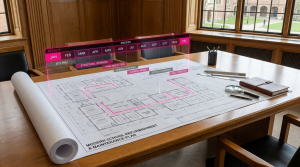
- Expert Planning: We offer free space planning services to create 2D and 3D designs, ensuring every piece of furniture fits perfectly and optimises your space.
- Compliance likely to support: We ensure all recommended products meet UK standards like BS EN 1729, de-risking the project for you.
- Consolidated Logistics: A single delivery and a professional installation team save you invaluable time and stress. No more wrestling with flat-pack instructions.
- Value for Money: By sourcing everything from one place, you can benefit from Bulk Buy Discounts and flexible payment options like Credit Accounts Or Pay Flexibly. This is how you achieve a high-quality, long-lasting environment within your budget.
Frequently Asked Questions About Early Years Design
What is early years setting design?
Professional early years setting design is the strategic process of planning a physical space to support the developmental, educational, and safety needs of children under five. It moves beyond simple decoration to create an ‘enabling environment’ as required by the EYFS framework. The process considers crucial factors like classroom flow, zoning, safety compliance, and inclusivity to ensure the space actively contributes to every aspect of a child’s learning and well-being.
How does the EYFS framework influence classroom layout?
The EYFS framework is central to any UK classroom layout, requiring spaces that promote child-led exploration and learning through play. This means your layout must provide easily accessible resources and create distinct areas for different types of development (e.g., communication, physical, creative). It should also offer opportunities for both independent and group activities. A good design directly facilitates the ‘Characteristics of Effective Learning’ by its very structure.
What is classroom zoning in early years?
Classroom zoning is the practice of dividing a learning space into distinct, purpose-built areas for different activities. For example, you might create a ‘messy play’ zone with water and sand, a quiet ‘reading corner’ with soft furnishings, and a ‘construction zone’ with building blocks. This organisation helps children understand the purpose of each space, manage their behaviour accordingly, and make independent choices about their learning activities.
How can I make my nursery design more inclusive?
To make a design inclusive, you must consider sensory, physical, and emotional needs beyond basic wheelchair access. Use calming, natural colours and provide a quiet ‘calm-down’ area for sensory regulation. Incorporate adjustable-height tables and equipment to cater for different physical abilities. Ensure resources and displays reflect diverse cultures and families. The goal is a welcoming environment where every child feels safe, valued, and able to participate fully.
What are the key safety standards for early years furniture in the UK?
The most critical safety standard for UK educational furniture is BS EN 1729. This British Standard specifies the essential strength, stability, and appropriate ergonomic sizing for tables and chairs used in educational institutions. You should typically look for furniture certified to this standard. Plus, check for features like rounded corners, non-toxic finishes, and anti-trap hinges in storage units to ensure a comprehensively safe environment.
How much should I budget for a nursery classroom refurbishment?
The budget varies significantly, but a basic refresh could cost £2,000-£5,000, while a full refurbishment may range from £10,000 to £25,000+. This depends heavily on room size, the scope of works, and the quality of items selected. For a standard classroom of 25-30 children, a full fit-out with all new furniture, storage, and specialist equipment falls into the higher end of that range. Prioritising durable, compliant furniture provides better long-term value.
What’s the difference between domestic and contract furniture?
The primary difference is durability and safety compliance, making contract furniture the only suitable choice for schools. Contract furniture is specifically designed and rigorously tested for heavy, continuous use in a commercial or educational environment, meeting standards like BS EN 1729. Domestic furniture, designed for home use, cannot withstand the daily rigours of a classroom and will wear out quickly, posing safety risks and lacking necessary may help.
How can I maximise storage in a small early years space?
To maximise storage, you should think vertically and multi-functionally. Use tall, slim shelving units (typically secured to the wall) to draw storage upwards and free up valuable floor space. Choose benches with built-in storage underneath and invest in mobile trolley units that can be moved as needed. Wall-mounted shelves and display boards also help to keep surfaces clear, making the space feel larger and more calming.
What is ‘free-flow’ in an EYFS setting?
Free-flow is a core principle of modern EYFS practice where children can move seamlessly and independently between the indoor classroom and a secure outdoor area. This design allows them to choose their own learning environment and follow their interests, promoting physical activity and deeper engagement with a wider range of learning opportunities. It requires careful planning of access points, weather-proof resources, and consistent supervision across both areas.
Why should I use a professional design service?
A professional service saves time, reduces risk, and ensures a better, compliant outcome. Experts in early years design understand EYFS requirements, safety standards like BS EN 1729, and effective space planning. They can create an optimal layout for your specific room, source the right furniture, and manage the entire project from design to installation. This prevents costly mistakes and frees up your staff to focus on education.
Important Considerations & Professional Guidance
The advice in this article provides a general framework based on best practices and UK standards. However, every early years setting is unique. The specific dimensions of your room, the age range of the children, existing architectural features, and the number of staff will all influence the final design. The solutions presented should be adapted to your specific context and budget.
An alternative to a complete DIY approach is to partner with a single, specialised supplier. While sourcing furniture from multiple non-specialist retailers may seem cheaper initially, it carries risks. This path often leads to compliance issues, mismatched items, and significant staff time lost to project management and assembly. A holistic design-to-installation service ensures compliance, a cohesive result, and better long-term value.
For any significant refurbishment or new build, we strongly recommend consulting with a specialist in educational space planning. An expert can conduct a site survey, produce 2D and 3D plans to help you visualise the space, and ensure your final design is not only inspiring and compliant but also delivers an effective possible value for your investment. This professional guidance is key to Saving Time & Stress and de-risking the entire process.
Design a Future-Proof Setting with an Expert Partner
A successful early years setting design is foundational to achieving outstanding educational outcomes. By avoiding common mistakes like poor flow, non-compliant furniture, and inadequate storage, you create a space that is safe, engaging, and perfectly aligned with EYFS principles. Strategic planning transforms your classroom from a simple room into a powerful tool for learning, independence, and development.
Navigating this process can be complex. At Cost Cutters UK, our team has over 35 years of experience helping schools and nurseries across the UK avoid these pitfalls. We provide a complimentary space planning and design service to help you create the well-suited learning environment, on time and within budget. Our ‘Design To Install We Do It All!’ approach ensures a seamless project from start to finish.
Book a Free Space Planning Consultation today to get started.
References
- Department for Education (DfE) – Statutory Framework. Sets the standards for learning, development, and care for children from birth to five, including requirements for the physical environment.
- British Standards Institution (BSI) (2024) – Standards Body Publication. Publishes BS EN 1729, which outlines the essential ergonomic and safety requirements for chairs and tables in educational institutions.
- Health and Safety Executive (HSE) – Government Guidance. Provides guidance on managing risks and ensuring health and safety in schools, including preventing slips, trips, and falls through good environmental design.
- Princeton University Neuroscience Institute (2011) – Academic Study. Demonstrated that a cluttered and disorganised environment competes for your attention, resulting in decreased performance and increased stress.
- Toast Design Services – Industry Blog. Highlights common design errors, reinforcing the importance of strategic planning over aesthetic whims.
- Fine Design – Agency Guide. Discusses how to fix common design mistakes, aligning with the “How to Fix It” structure used in this article.
- Graphic Design Academy UK – Educational Blog. Outlines frequent errors made by designers, emphasising the need for a foundational understanding of principles before execution.
CONCLUSION
Design a Future-Proof Setting with an Expert Partner
In summary, successful early years setting design is foundational to achieving outstanding educational outcomes. By avoiding common mistakes like poor flow, non-compliant furniture, and inadequate storage, you create a space that is safe, engaging, and perfectly aligned with EYFS principles. Strategic planning transforms your classroom from a simple room into a powerful tool for learning, independence, and development.
Navigating this process can be complex. At Costcutters UK, our team has over 35 years of experience helping schools and nurseries across the UK avoid these pitfalls. We provide a complimentary space planning and design service to help you create the perfect learning environment, on time and within budget. [Book a Free Space Planning Consultation](https://