Classroom Storage Ideas: Optimising Learning Environments for UK Schools
🎯 Key Takeaway
Effective classroom storage ideas involve zoning spaces, using multi-functional furniture, and implementing clear labelling systems to create an organised, accessible, and safe learning environment. Prioritise furniture that meets UK safety standards like BS EN 1729 to ensure compliance and pupil safety. Align storage with curriculum needs, such as continuous provision in the Early Years Foundation Stage (EYFS) or accessible resources for Special Educational Needs (SEN) pupils. Combine mobile and static units to create flexible layouts that can adapt to different activities and class sizes. This guide provides actionable strategies for headteachers and school business managers to invest in storage that delivers long-term value.
A chaotic classroom, with overflowing book corners and cluttered tables, creates a stressful environment for everyone. In contrast, a calm, organised space allows learning to flourish. As of June 2026, the link between physical environment and educational outcomes is clearer than ever. Effective classroom storage ideas are not merely about tidiness; they are a core component of effective educational infrastructure. For UK schools, the challenge is balancing tight budgets with the need for durable, compliant school storage solutions. At Costcutters UK, we understand this. With over 35 years of experience, we know that strategic storage is an investment in pupil progress and teacher wellbeing. This guide offers practical strategies for zoning, furniture selection, and meeting specialised needs, drawing from our full range of school equipment.
Written by: The Cost Cutters UK Content Team | Reviewed by: Editorial Team, 35+ Years Experience; Rated Excellent On Trustpilot
Last updated: 15 June 2026
ℹ️ Transparency Disclosure: This article explores classroom storage ideas based on over 35 years of industry experience and analysis of UK educational standards. Cost Cutters UK, a leading supplier of school equipment in the United Kingdom, is Rated Excellent On Trustpilot. Some links may connect to our services. All information is verified by our editorial team.
Why is Strategic Classroom Organisation Non-Negotiable for UK Schools?
Strategic classroom organisation is critical because it directly impacts pupil concentration, behaviour, and accessibility. An orderly environment minimises distractions and anxiety, creating a setting where pupils feel secure and ready to learn. The Office for Standards in Education, Children’s Services and Skills (Ofsted), the UK body responsible for inspecting schools, consistently links a well-managed, stimulating physical environment to positive educational outcomes. A tidy classroom isn’t just about aesthetics; it’s about function.
Our experience shows that a well-organised space supports effective pedagogy. When resources are logically stored and easily accessible, it encourages independent learning and reduces downtime. Instead of waiting for a teacher to find materials, pupils can retrieve what they need themselves, fostering responsibility and confidence. This is particularly vital for practical, hands-on subjects.
Also, a disorganised classroom can present genuine safety hazards, from trip risks to improperly stored equipment. Good classroom organisation is a fundamental aspect of safeguarding. By investing in high-quality school storage solutions, schools demonstrate a commitment to creating a safe, efficient, and positive learning atmosphere that benefits pupils and staff alike, ultimately contributing to better academic and personal development.
How Can You Use Zoning for Better Classroom Storage Ideas?
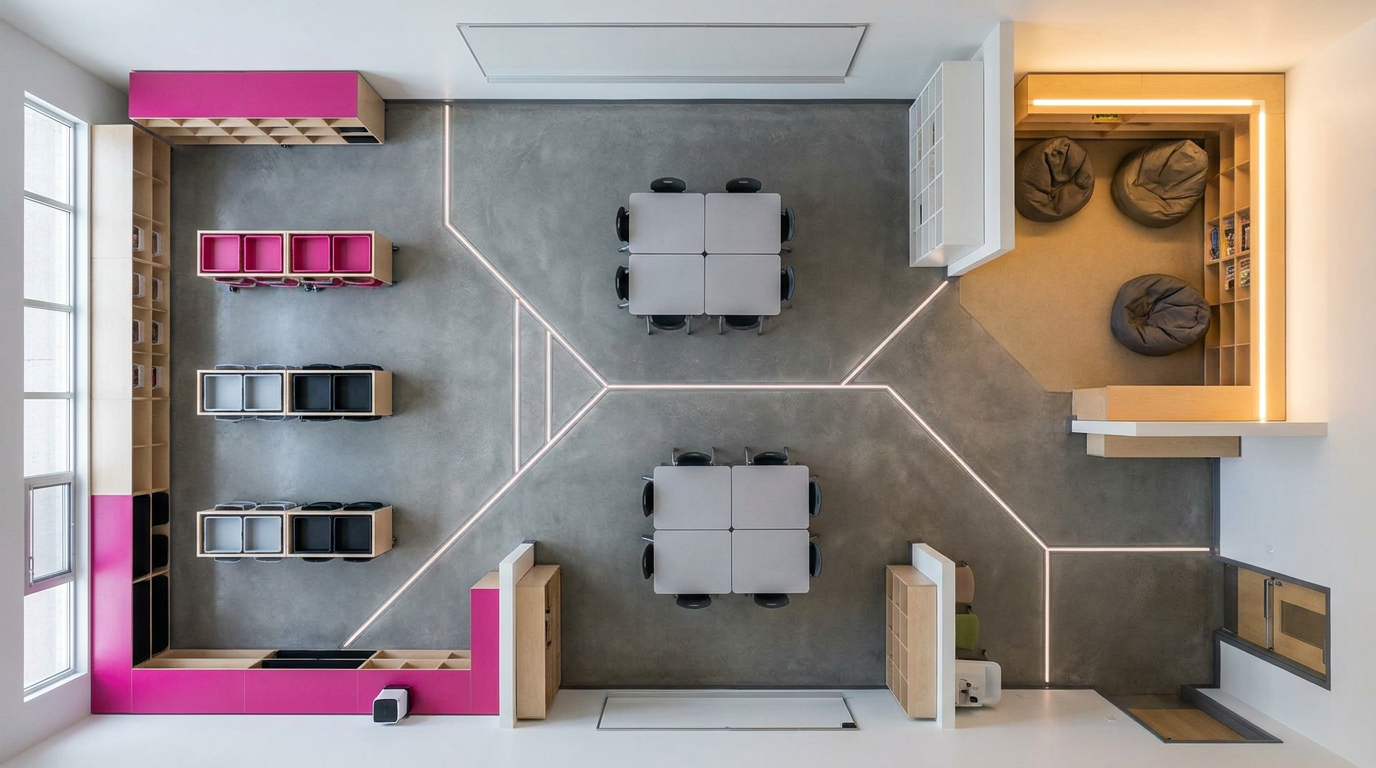
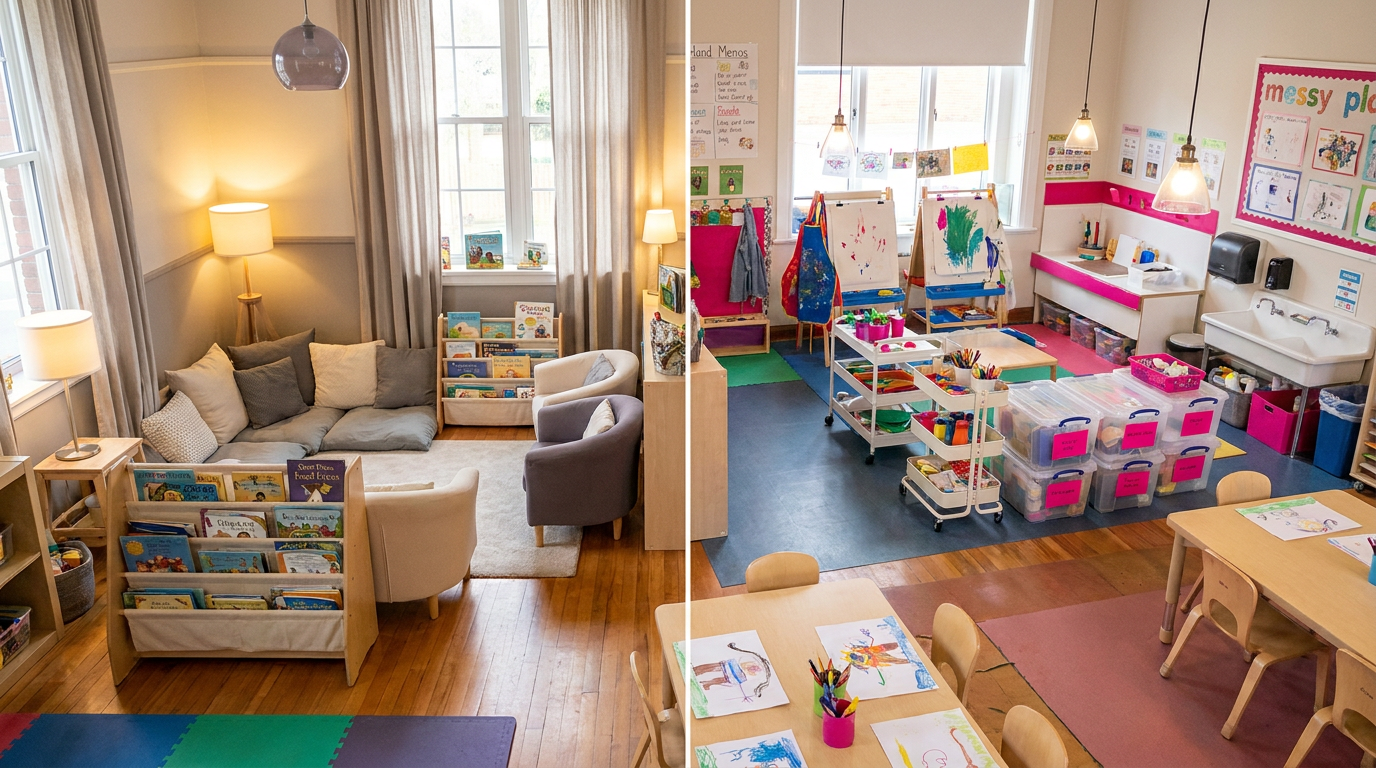
Zoning the classroom into distinct areas for different activities is one of the most effective classroom storage ideas. This approach creates an intuitive flow, helps manage resources, and allows for multiple learning styles to be accommodated simultaneously. By assigning a purpose to each area, you can select storage that is perfectly suited to the task, making materials more accessible for pupils and clean-up far more efficient. This strategy is central to frameworks like the Early Years Foundation Stage (EYFS), the UK’s statutory framework for early childhood education, which champions ‘continuous provision’ through well-defined, resource-rich zones.
The Reading Corner & Quiet Zone
This space should be a calm sanctuary that encourages a love of reading. The key is making books inviting and accessible. We recommend forward-facing book browsers or low-level shelving that displays covers, which are more appealing to young readers than spines. Comfortable seating with built-in storage, like hollow benches or reading nooks with cubbies underneath, maximises space while providing a cosy spot for pupils to settle in with a book.
The Creative & ‘Messy Play’ Area
Organisation is paramount in the creative zone to prevent chaos. Mobile art trolleys with multiple compartments for paints, brushes, and paper are invaluable. They can be moved where needed and stored away easily. We suggest using clear or colour-coded plastic trays that are easy for pupils to handle and simple to wipe clean. These trays can be housed in dedicated units, ensuring every pot of glitter has a home. A well-organised art area makes clean-up a shared, manageable task rather than a teacher’s burden.
The Resource & Curriculum Hub
This is the classroom’s engine room, housing worksheets, textbooks, and core teaching materials. Tall, static cupboards are effective for teacher-only resources or bulk supplies, while open-fronted tray units allow for easy access to daily materials. Wall-mounted shelving is an excellent way to free up valuable floor space. For expensive equipment like tablets or science kits, lockable cabinets or trolleys provide essential security.
Cloakroom & Outdoor Areas
Often overlooked, these areas require robust and weatherproof storage. Individual lockers or named hook-and-bench systems teach personal responsibility and keep corridors clear and safe. For outdoor equipment, secure, weatherproof solutions are a must. We’ve found that heavy-duty options like durable Asgard outdoor storage protect valuable play and sports equipment from both weather and theft, ensuring they are ready for use when needed.
What Should You Look For in Classroom Storage Furniture UK?
In our view, an effective classroom storage furniture UK schools can procure is durable, compliant with UK safety standards, and flexible enough to adapt to changing needs. For a School Business Manager, looking beyond the initial price to the total cost of ownership is paramount. Cheap furniture that needs frequent replacement is a false economy.
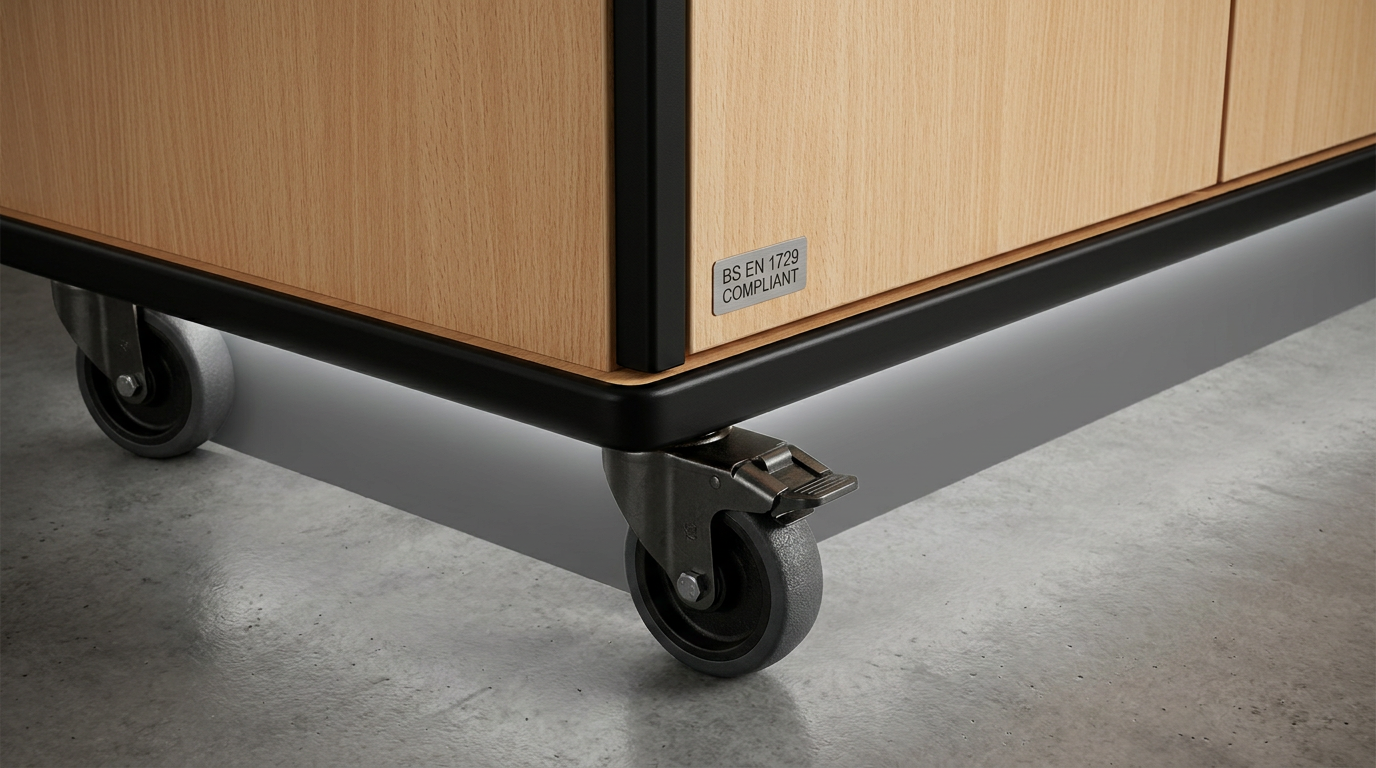
The most critical factor is safety and compliance. All educational furniture should meet BS EN 1729, the British and European safety standard for educational furniture. This standard covers two parts: Part 1 for appropriate size, shape, and ergonomic design, and Part 2 for strength, stability, and durability. Procuring certified furniture is not just best practice; it’s a core part of a school’s duty of care. You can review our UK safety and quality accreditations to see what this looks like in practice.
Material choice also plays a significant role. Solid wood is exceptionally durable but comes at a higher price point. High-quality Melamine Faced Chipboard (MFC) offers a fantastic balance of durability, a wipe-clean finish, and cost-effectiveness, making it a popular choice for modern school environments. Look for items with thick, impact-resistant edging to prevent chipping and ensure a long service life.
| Storage Type | Best For | Key Advantage | UK Compliance Consideration |
|---|---|---|---|
| Mobile Tray Units | Flexible classrooms, group work, resource sharing | Easily moved to point of use, highly versatile for different subjects. | Must have heavy-duty, lockable castors to prevent tipping and unintended movement. |
| Static Tall Cupboards | Staff rooms, stock rooms, secure storage | Maximises vertical space, effective for bulk supplies or teacher-only items. | Must be stable and, if necessary, fixed to a wall to comply with BS EN 1729 stability tests. |
| Low-Level Book Browsers | Reading corners, EYFS settings, libraries | Displays book covers to entice young readers, promotes independent choice. | Rounded corners and edges are essential to prevent injury in high-traffic areas. Height must be appropriate for the target age group. |
| Wall-Mounted Shelving | Small classrooms, corridors, maximising floor space | Frees up floor area for learning activities, keeps resources visible. | Professional installation is crucial to ensure it can support the intended weight safely. |
How Can School Business Managers Maximise Their Budget?
You can strongly get exceptional value without compromising on quality by focusing on total cost of ownership and smart procurement strategies. It’s about making your budget work harder over the long term. A key part of this is shifting the mindset from purchasing items to investing in solutions.
First, use the power of scale. Suppliers like us offer significant Bulk Buy Discounts, which can make a huge difference to your budget on larger projects or school-wide upgrades. It’s typically more cost-effective to plan a whole-year-group or whole-school refresh than to buy piecemeal. We also understand public sector purchasing cycles and offer flexible payment options, including Credit Accounts Or Pay Flexibly, to help manage cash flow.
Second, prioritise multi-functional furniture. A storage bench in a reading corner serves two purposes. A mobile trolley can be a workstation and a storage unit. This approach reduces the total number of items you need to purchase and creates a more flexible, adaptable learning space.
Finally, use the expert services that your supplier offers. Our “Design To Install We Do It All!” service isn’t just a tagline; it’s a value-add that prevents costly mistakes. A free space planning consultation ensures you buy the right size and quantity of furniture for your space, maximising utility and Saving Time & Stress. This expert advice, often provided at no extra charge, is one of the most effective ways to ensure every pound of your budget is well spent.
### Case Study: A Hypothetical Scenario
Challenge: A two-form entry primary school in the North of England faced overcrowded Year 1 classrooms. Existing, mismatched storage was failing, leading to lost teaching time and a chaotic environment that was impacting pupil behaviour. Their budget for a complete overhaul was limited to £8,000 per classroom.
Solution: We provided a free space planning service. The design focused on zoning with multi-functional furniture. We replaced static cupboards with mobile tray units and low-level storage benches. Bulk Buy Discounts were applied across the two-classroom order.
Results: The school created distinct reading, creative, and quiet zones. The new layout freed up 15% more usable floor space. Teachers reported a noticeable improvement in pupil independence and a reduction in time spent managing resources. The project was completed 5% under budget.
Key Insight: Investing in a professional space plan before purchasing prevented costly errors and ensured the budget was used to solve the core problem, not just replace old furniture.
What Specialised Storage is Needed for EYFS and SEN Classrooms?
Yes, Early Years Foundation Stage (EYFS) and Special Educational Needs (SEN) environments require highly specialised storage solutions that are designed to promote independence, ensure safety, and support specific pedagogical goals. Generic storage is rarely sufficient for these unique settings.
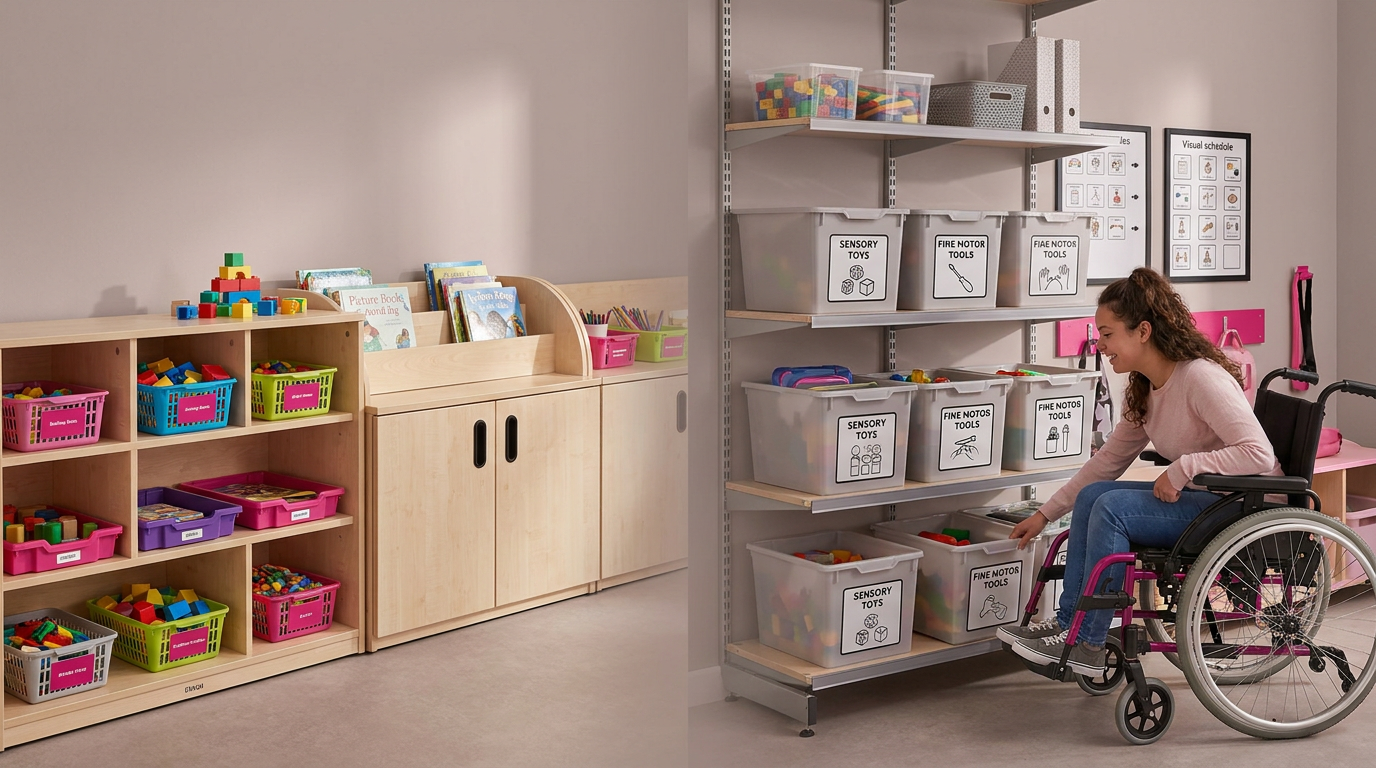
For EYFS, the guiding principle is child-led learning and ‘continuous provision’. This requires storage that is low-level, open-access, and organised to help children make their own choices. According to guidance from the Department for Education (2024), the environment should act as a ‘third teacher’. We recommend using units where resources are visible and within easy reach, such as clear tray systems or low shelving. Themed furniture, like specialised early years furniture from Twoey, can also help define play areas and make learning more engaging. All EYFS furniture must be exceptionally durable with rounded corners to withstand enthusiastic exploration.
For pupils with Special Educational Needs (SEN), a legal term for pupils requiring additional learning support, classroom organisation is a critical component of an inclusive environment. Predictability and logic are key. Research from organisations like the National Association for Special Educational Needs (nasen) (2023) highlights how a well-ordered space can reduce cognitive load and anxiety. This means SEN classroom storage must feature clear, consistent labelling systems, often using pictures or symbols alongside text. Storage should also be positioned to be accessible for pupils with mobility aids, ensuring they can participate as independently as possible. For some, lockable units may be necessary to manage sensory sensitivities or keep specific resources secure.
Important Considerations
This guide provides general classroom storage ideas applicable to many UK schools. However, every classroom’s dimensions, class size, and specific learning needs are unique. The solutions presented should be adapted to your specific context, and a physical assessment of your space is often necessary for optimal results. Therefore, the recommendations here should serve as a starting point for a more detailed plan.
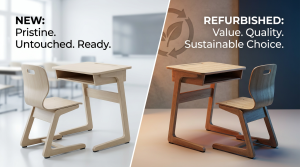
While this article focuses on procuring professional-grade school furniture, some schools may explore DIY solutions or second-hand items. These can be cost-effective initially but often lack the durability, safety certifications (like BS EN 1729), and warranty of commercially supplied products. Our experience suggests this can increase long-term costs through repairs and replacements, and more importantly, may introduce safety risks.
For small-scale updates, this guide offers a solid foundation. However, for larger refurbishments, new builds, or rooms with complex needs (like science labs or SEN hubs), we strongly recommend a professional space planning consultation. An expert can help you maximise your budget, ensure compliance, and create a layout that truly enhances your educational objectives, Saving Time & Stress in the process.
Frequently Asked Questions
What are an effective classroom storage ideas?
an effective classroom storage ideas combine mobile units for flexibility, static tray storage for organisation, and wall-mounted shelves to save space. A key strategy is to create defined zones for different activities, like reading or art, ensuring all resources are clearly labelled and easily accessible for pupils to encourage independence. This approach transforms the classroom into a more efficient and calmer learning environment.
How do you organise a classroom with little storage?
Go vertical with wall-mounted shelving and use multi-functional furniture, such as benches with built-in storage. Utilise the back of doors with hanging organisers and choose mobile trolleys that can be tucked away when not in use. Regularly decluttering and digitising resources where possible also frees up significant physical space in a compact classroom, improving classroom organisation.
What is an effective storage for a primary school classroom?
an effective storage is a mix of low-level, open-access units and durable tray systems. Low units allow young children to access materials independently, supporting the EYFS framework. Coloured trays help with organisation and quick identification of resources. All furniture should be robust, have rounded corners, and meet UK safety standards like BS EN 1729.
How can I find budget-friendly classroom storage?
Focus on long-term value rather than just the initial price tag. Look for suppliers offering Bulk Buy Discounts, price-match promises, and free space planning services to avoid costly mistakes. We believe that investing in durable, multi-purpose furniture may cost more upfront but saves money over time by reducing the need for replacements and repairs.
What are the benefits of good classroom organisation?
Good organisation directly improves pupil focus, reduces behavioural issues, and fosters independence. An uncluttered space minimises distractions and anxiety, while clearly accessible resources empower pupils to take ownership of their learning. For teachers, it saves valuable instruction time that would otherwise be spent managing materials and searching for supplies. It’s a win-win.
How does storage impact learning for SEN pupils?
Predictable and logical SEN classroom storage is crucial for many pupils. A well-organised environment with clear, consistent labelling (including pictures or symbols) reduces cognitive load and anxiety. Accessible storage at the right height allows pupils with physical disabilities to participate more independently, promoting inclusivity and confidence within the classroom setting.
What are EYFS storage requirements?
The EYFS framework requires storage that promotes ‘continuous provision’ and child-led learning. This means using low-level, open-fronted units where children can see and access resources themselves. These early years storage ideas should be organised to help children make connections between areas of learning, be durable, and be safe for exploration by very young pupils.
What safety standards apply to classroom storage furniture in the UK?
The key standard is BS EN 1729, which covers strength, stability, and ergonomic sizing for educational furniture. This ensures that items like cupboards and shelving units are stable and will not tip over easily. It’s vital for schools and academies to procure classroom storage furniture UK from suppliers who can certify compliance with this standard.
Are mobile storage units safe for classrooms?
Yes, provided they are high quality and used correctly. Safe mobile units must have heavy-duty, lockable castors that prevent them from moving unintentionally, especially when in use by pupils. They should also be stable and well-balanced to avoid tipping when being moved. Typically check for these safety features before purchasing.
How do you declutter a classroom effectively?
Adopt a ‘sort, store, and discard’ system at the end of each term. Involve pupils in tidying their own trays and areas to build responsibility. Use a ‘one in, one out’ policy for new resources. Be ruthless about getting rid of broken items or outdated materials that are no longer aligned with the curriculum.
Transform Your Learning Space with Strategic Storage
Implementing effective classroom storage ideas is a powerful investment in your school’s educational environment. By focusing on compliant, durable, and well-organised school storage solutions, you can reduce classroom chaos, empower pupils to learn independently, and support your teaching staff. From specialised early years storage ideas to flexible classroom storage furniture for UK schools, the right choices create a foundation for success.
With over 35 years of experience serving UK schools, we at Cost Cutters UK understand these challenges. We are more than just a supplier; we are a partner in creating exceptional learning environments, Rated Excellent On Trustpilot by schools like yours. Our “Design To Install We Do It All!” approach means we can provide everything from a single book trolley to a fully managed, space-planned classroom refurbishment. To discuss your school’s unique needs, book a free, no-obligation space planning consultation with our experts today.
References
- Department for Education (2024). Statutory framework for the early years foundation stage. This government guidance outlines the standards for learning, development, and care for children from birth to five.
- National Association for Special Educational Needs (nasen) (2023). Best practice guides for inclusive classrooms. This charity provides resources showing that structured environments reduce cognitive load for SEN pupils.
- Costcutters UK – School Equipment & Educational Supplies – Internal Authority Page. Comprehensive range of indoor and outdoor furniture with over 35 years of experience serving UK schools.
- Costcutters UK – Certifications & Accreditations – Internal Trust Page. Details compliance with UK standards, including BS EN 1729, demonstrating a commitment to safety and quality.
- Costcutters UK – Twoey Toys & Furniture – Internal Brand Page. Showcases specialised furniture designed for the Early Years Foundation Stage (EYFS) curriculum.
- Costcutters UK – Quote Cart – Service Page. Offers free space planning consultations and quotes, a key service for school business managers.
- Costcutters UK – Asgard Outdoor Storage – Internal Brand Page. Provides options for secure, weatherproof outdoor storage solutions suitable for school grounds.
Conclusion
Transform Your Learning Space with Strategic Storage
In summary, implementing effective classroom storage ideas is a powerful investment in your school’s educational environment. By focusing on compliant, durable, and well-organised school storage solutions, you can reduce classroom chaos, empower pupils to learn independently, and support your teaching staff. From specialised early years storage ideas to flexible classroom storage furniture for UK schools, the right choices create a foundation for success.
With over 35 years of experience serving UK schools, Costcutters UK understands these challenges. We are more than just a supplier; we are a partner in creating exceptional learning environments. Our “Design To Install We Do It All!” approach means we can provide everything from a single book trolley to a fully managed, space-planned classroom