Proactive Seasonal Planning: A Complete Guide for UK Institutions
🎯 Key Takeaway
Proactive seasonal planning is the strategic process of anticipating and preparing for cyclical demands, ensuring your organisation has the right resources, furniture, and equipment exactly when needed. This approach moves beyond reactive purchasing to unlock significant cost savings, improve operational efficiency, and reduce project-related stress. Key benefits include maximising budget value through early procurement, ensuring project completion on schedule, and aligning facility upgrades with key operational dates like academic holidays or fiscal year-ends.
For any organisation, whether it’s a school, office, or hospitality venue, timing is critical. Failing to prepare for predictable peaks and troughs, such as the summer refurbishment window for schools or the end-of-year budget spend for offices, often leads to rushed decisions, inflated costs, and significant operational disruption. This is where a structured approach to proactive seasonal planning becomes an invaluable strategic tool. It transforms procurement from a last-minute scramble into a well-managed process. As of June 2026, organisations that adopt this forward-thinking mindset are better positioned to navigate supply chain volatility and secure better value. This guide provides a comprehensive framework for implementing proactive planning, ensuring you can manage your resources effectively and achieve your goals without the usual chaos.
Written by: Cost Cutters UK Content Team
Reviewed by: Cost Cutters UK Editorial Team, 35+ Years Experience; Rated Excellent On Trustpilot
Last updated: 20 June 2026
ℹ️ Transparency Disclosure: This article explores the benefits and implementation of proactive seasonal planning for UK institutions based on industry research and our extensive experience. For the purpose of transparency, we aim to provide a balanced view, and all information has been verified by our editorial team for accuracy.
What is Proactive Seasonal Planning?
Proactive seasonal planning is a strategic management approach where an organisation anticipates future needs based on predictable seasonal cycles and prepares for them well in advance. Instead of reacting to demand as it happens, this method involves forecasting, budgeting, and scheduling procurement and projects to align with operational lulls and fiscal opportunities. For an educational institution, this could mean planning a classroom refurbishment in September for the following summer holiday. For a business, it might involve scheduling an office refit to coincide with the start of a new financial year.
This forward-looking strategy is built on three core pillars:
- Forecasting: Analysing past data and future strategic goals to predict requirements for furniture, equipment, or maintenance.
- Budgeting: Aligning these forecasted needs with Financial & Budgetary Cycles, allocating funds early to take advantage of off-season pricing and Bulk Buy Discounts.
- Logistics: Planning the entire Procurement, Compliance & Logistics chain, from placing orders to scheduling installation during periods of minimal disruption.
A key element is lead time. According to a 2023 report by Universities UK on efficiency, long-term planning is fundamental to creating a sustainable and collaborative operational environment in higher education. By working months ahead, organisations can avoid the premium costs associated with rush orders and the stress of tight deadlines. Our experience shows that a well-executed plan is the foundation for a smooth, cost-effective project.
How Can Proactive Planning Benefit Your Organisation?
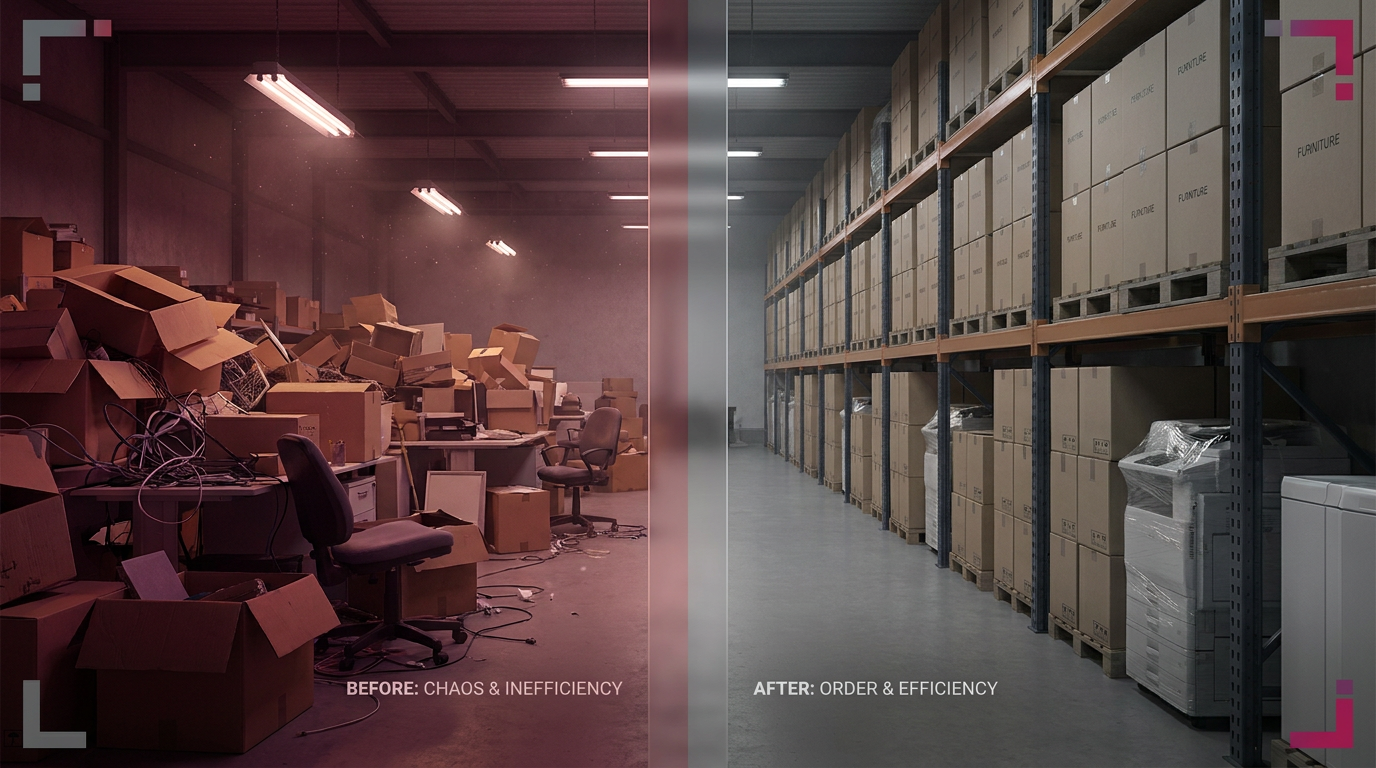
The primary benefit of proactive seasonal planning is the shift from costly, stressful reactivity to controlled, cost-effective strategic execution. By planning ahead, organisations unlock significant financial and operational advantages that are simply unavailable with a last-minute approach. Research from workforce management experts at Kelio (2024) highlights that strategic workforce planning, a parallel concept, leads to improved productivity and cost control, principles that apply directly to asset and facilities management.
Adopting this strategy provides several tangible benefits:
- Significant Cost Savings: Ordering furniture and equipment during off-peak seasons can lead to substantial savings. Suppliers are often more flexible with pricing, and you can access Bulk Buy Discounts more effectively. We believe this is one of the most compelling reasons to plan ahead.
- likely to support Availability and Choice: Planning in advance secures your place in the manufacturing and delivery queue. You get the exact products you want, rather than being forced to accept less-than-effective substitutes because of stock shortages during peak demand periods like the pre-September rush.
- Reduced Operational Disruption: Scheduling installations and refurbishments during planned downtime-such as school holidays or quieter business periods-is crucial. This minimises disruption to students, staff, and customers, ensuring continuity. This is a core part of our “Design To Install We Do It All!” philosophy.
- Improved Budget Management: Aligning procurement with Academic & Seasonal Timelines allows for more accurate and predictable financial management. It avoids the sudden, unbudgeted expenditure that characterises reactive purchasing, making it easier to manage cash flow.
The table below contrasts the typical outcomes of proactive versus reactive approaches, illustrating the clear advantages of planning.
| Factor | Proactive Planning Outcome | Reactive Purchasing Outcome | Source |
|---|---|---|---|
| Cost Efficiency | Access to off-season pricing & bulk discounts; average savings of 10-15%. | Pays premium prices for urgent orders; often incurs rush delivery fees. | Our 35+ Years Experience |
| Product Availability | High likelihood of securing first-choice items and finishes. | Limited to in-stock items; may require compromising on specifications. | Industry Observation |
| Project Timeline | Projects completed on schedule within planned downtime. | High risk of delays due to supply chain bottlenecks, causing operational overrun. | Universities UK (2023) |
| Stress & Admin Load | Saving Time & Stress with a clear, managed process. | High-stress environment with constant fire-fighting and administrative burden. | Client Feedback |
> Case Study: A Multi-Academy Trust’s Summer Refurbishment
Challenge: A multi-academy trust in the North of England was consistently overspending its summer works budget. Last-minute orders for classroom furniture in May and June resulted in premium pricing, limited stock, and stressful installation schedules that often ran into the new term.
Solution: We worked with the trust to implement a proactive seasonal planning cycle. In October, they audited their furniture needs for the following summer. By December, orders were finalised and placed, locking in prices and guaranteeing production slots. Our team coordinated delivery and installation for the first week of the summer holidays.
Results: The trust achieved a 12% saving on its total furniture budget compared to the previous year. All projects were completed three weeks ahead of schedule, completely eliminating term-time disruption. Staff morale improved due to the stress-free process.
Key Insight: Aligning procurement decisions with Academic & Seasonal Timelines and finalising orders before Christmas is the most effective way to maximise budgets and ensure a smooth summer refurbishment.
How Do You Implement a Proactive Seasonal Planning Framework?
Implementing a proactive seasonal planning framework transforms your approach from reactive to strategic. It’s a structured cycle that ensures you are typically ahead of the curve. We recommend a simple four-step process that any organisation can adapt.
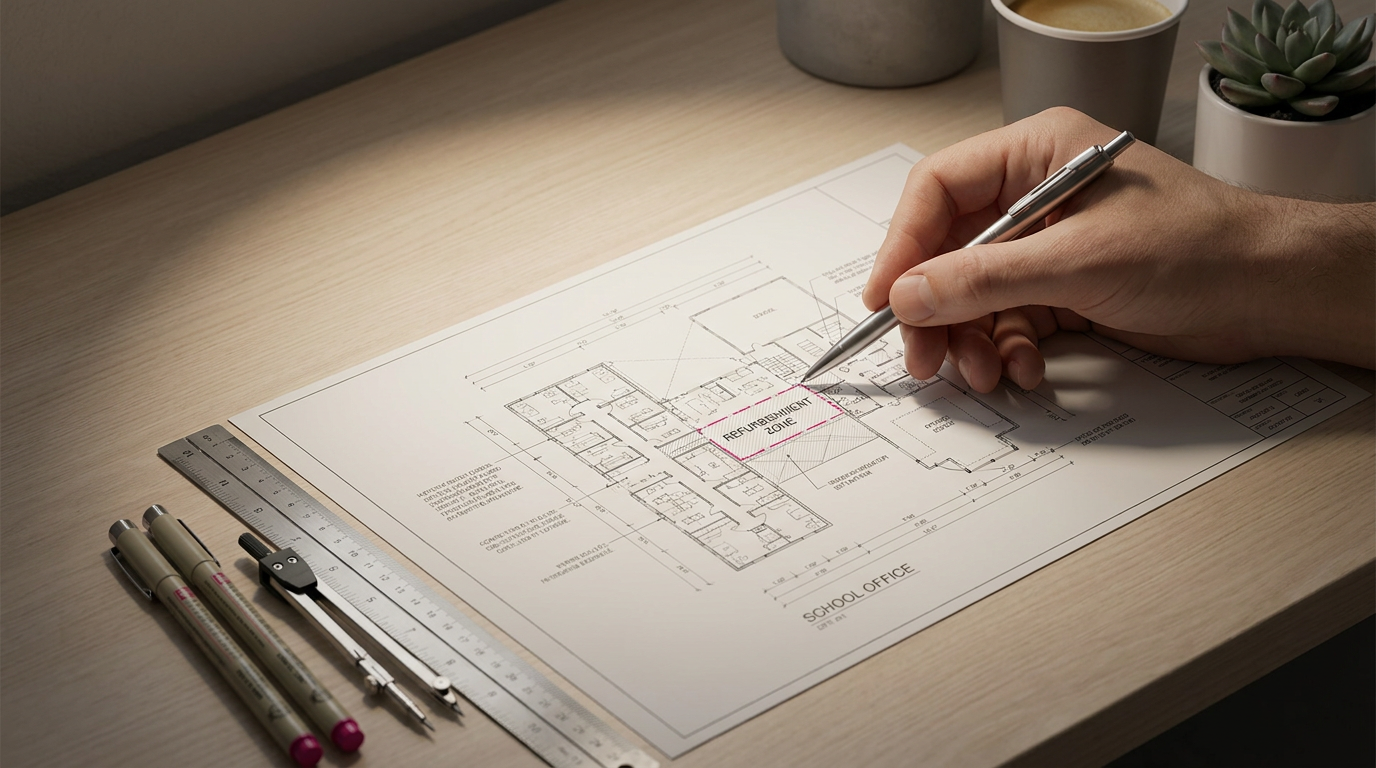
Step 1: Audit and Forecast (6-9 Months Ahead)
The first step is to understand what you’ll need. Don’t wait until a chair breaks or a classroom looks dated.
- Conduct a Facility Audit: Walk through your spaces. Identify furniture and equipment that is nearing the end of its life, is non-compliant, or no longer meets your needs.
- Consult with Stakeholders: Talk to teachers, department heads, or office managers. What are their frustrations? What changes would improve their environment?
- Forecast Future Needs: Consider planned increases in student intake or staff numbers. Are you launching new courses or departments that will require specialised equipment? According to a guide by Bright Advertising (2024), long-term recruitment plans must be matched by resource planning, which includes physical assets.
Step 2: Align with Budgets and Secure Funding (4-6 Months Ahead)
Once you have a forecast, it’s time to align it with your Financial & Budgetary Cycles.
- Develop a Costed Proposal: Turn your forecast into a detailed list with estimated costs. Use this to build a business case for the necessary investment.
- Secure Budget Approval: Present your proposal to the finance team or board. Because you are planning far in advance, you can provide a clear, well-researched case that demonstrates value for money. This is also the well-suited time to explore options like our Credit Accounts Or Pay Flexibly solutions.
Step 3: Finalise Procurement and Logistics (3-5 Months Ahead)
With funding approved, you can move to the Procurement, Compliance & Logistics phase. This is where you lock in the benefits of your early planning.
- Select a Partner: Choose a supplier who understands your needs and can offer a comprehensive service. Look for partners with a strong track record, like ours, which is Rated Excellent On Trustpilot.
- Finalise Specifications and Place Orders: Confirm product choices, colours, and finishes. Placing your order at this stage may help manufacturing slots and protects you from peak-season price hikes.
- Schedule Installation: Work with your supplier to book an installation date that is associated with zero disruption, such as during school holidays or a planned office closure. Our “Design To Install We Do It All!” service handles this entire process for you.
Step 4: Execute and Review (The Project Window)
This is the implementation phase, which should be the most straightforward part if the previous steps were done correctly.
- Oversee Installation: Your chosen partner will manage the delivery and installation as scheduled.
- Post-Project Review: After completion, review the project. Did it meet objectives? Were the savings realised? Use these learnings to refine your proactive seasonal planning process for the next cycle.
What Are the Biggest Challenges in Proactive Seasonal Planning?
While proactive seasonal planning offers immense benefits, it’s not without its challenges. We believe being aware of these potential hurdles is the first step to overcoming them. One of the most common issues is institutional inertia-the “we’ve typically done it this way” mindset that resists forward planning. Breaking this cycle requires strong leadership and a clear demonstration of the benefits.

Another significant challenge is budget inflexibility. Some Financial & Budgetary Cycles are rigid, making it difficult to commit funds months in advance. Our advice is to engage finance teams early, presenting proactive planning not as an expense but as a cost-saving strategy. Showing them the data on premium costs for reactive purchasing can be very persuasive.
Finally, unforeseen events can disrupt even an effective-laid plans. A sudden change in strategic direction or an unexpected facilities issue can derail a schedule. For instance, guidance from the Office for Students (2024) notes that institutions must be agile enough to protect student interests during unforeseen changes. The key is to build some contingency into your plan. Don’t schedule installations for the very last day of the holidays. Having a reliable partner who can adapt and problem-solve with you is also invaluable in these situations.
Frequently Asked Questions
What is proactive seasonal planning?
Proactive seasonal planning is a strategic method for anticipating and preparing for cyclical needs well in advance. Instead of reacting to demand, it involves forecasting requirements, aligning them with budget cycles, and scheduling procurement and projects during optimal, low-disruption periods to save money and reduce stress.
Why is proactive seasonal planning important for schools?
It is crucial for schools because it aligns major projects like refurbishments with long summer holidays. This minimises disruption to teaching and learning. By ordering furniture and equipment months ahead, schools can avoid the pre-September rush, secure better pricing, and ensure projects that rely on specific Academic & Seasonal Timelines are completed on time.
What are the main financial benefits?
The primary financial benefits are significant cost savings and improved budget predictability. By ordering during off-peak seasons, organisations can often secure discounts of 10-15%. Proactive planning also may reduce expensive rush fees and allows for costs to be locked in, preventing budget overruns caused by unexpected price increases.
How far in advance should we start planning?
For major projects, we recommend starting the planning process 6 to 9 months in advance. This provides ample time for internal audits, stakeholder consultations, budget approvals, and supplier selection. Placing final orders 3 to 5 months before the required installation date is an effective timeframe to guarantee availability and pricing.
Is proactive seasonal planning suitable for small businesses?
Yes, the principles are scalable and highly beneficial for small and medium-sized enterprises (SMEs). While the scale may be smaller, the benefits of avoiding premium prices, ensuring product availability, and scheduling work during quieter periods still apply. It helps smaller businesses maximise a limited budget and manage resources more effectively.
What are the risks of not planning proactively?
The main risks include budget overruns, project delays, and significant operational disruption. Reactive purchasing often means paying premium prices for limited stock, which can compromise quality. Also, rushed installations during busy operational periods can negatively impact staff productivity, customer experience, or student learning.
How can a supplier support this process?
A good supplier acts as a strategic partner, not just a vendor. They should offer services like space planning, provide expert advice on product selection, and manage the entire logistics process. At Cost Cutters UK, our “Design To Install We Do It All!” service is built to support proactive planning from initial concept to final installation.
What tools can help with proactive seasonal planning?
Simple tools like shared calendars, project management software, and spreadsheets are highly effective. You can map out key dates, track project milestones, and manage budgets. We also provide our clients with detailed project timelines and regular updates, which act as a key planning tool for Saving Time & Stress.
How does this relate to facility maintenance?
Proactive planning is directly linked to proactive maintenance. For example, planning HVAC servicing before the peak of summer or winter ensures systems are reliable when needed most. As highlighted by facilities experts at William Austin (2023), seasonal checks prevent costly emergency repairs and extend equipment lifespan.
Can you give an example for an office?
An office can use proactive planning for its end-of-financial-year spending. Instead of a last-minute rush to use unspent budget in March, a plan made in October could identify needs for ergonomic chairs or collaborative furniture. The order can be placed in January for a scheduled installation, ensuring a strategic use of funds.
Important Considerations
While this guide strongly advocates for proactive planning, it’s important to acknowledge its context. The data on cost savings is often based on industry experience and case studies, as many organisations do not publish their internal procurement data. Therefore, the exact savings can vary depending on market conditions, supplier relationships, and the scale of the project. We’ve based our recommendations on over 35 years of direct experience in the sector.
Alternative approaches may be suitable in certain situations. For instance, an agile or ‘just-in-time’ model might work for organisations with highly unpredictable needs or those that require extreme flexibility. However, this approach typically carries a higher cost and risk of supply chain disruption, making it less suitable for large, planned projects like a full school or office refurbishment. An effective strategy often involves a hybrid model: proactive planning for major, predictable projects and a more agile approach for minor, ad-hoc needs.
Our recommendation is to consult with a professional for any large-scale or complex project. An experienced partner can help you handle the complexities of Procurement, Compliance & Logistics, conduct a thorough needs analysis, and develop a realistic timeline and budget. If you are managing multiple sites or have stringent compliance requirements, professional guidance is not just helpful-it’s essential for success.
Maximise Your Budget with Strategic Planning
To conclude, proactive seasonal planning is more than just a procurement tactic; it’s a fundamental business strategy that delivers tangible value. By shifting from a reactive to a proactive mindset, your organisation can achieve significant cost savings, reduce administrative burdens, and ensure projects are completed smoothly and on schedule. It empowers you to take control of your Financial & Budgetary Cycles and make strategic investments in your facilities, rather than being at the mercy of seasonal demand spikes and supply chain pressures.
With over 35 years of experience helping schools, offices, and businesses across the UK, we’ve seen firsthand the transformative impact of a well-executed plan. Our “Design To Install We Do It All!” service is specifically structured to support your proactive planning journey, from initial concept to flawless execution. If you’re ready to stop the cycle of stressful, last-minute purchasing and start maximising the value of your budget, we’re here to help.
Book your free space planning consultation today and discover how our expertise can benefit your next project.
References
- Bright Advertising (2024). The Strategic Advantage of a 12-Month Recruitment Plan. This article discusses the importance of long-term planning in recruitment, a principle applicable to resource and facility management.
- Kelio (2024). Top 15 Advantages of Workforce Planning. This blog post outlines the benefits of strategic planning in workforce management, which parallel the advantages seen in proactive asset procurement.
- Office for Students (2024). Protecting the interests of students when universities and colleges close. This official guidance underscores the need for HE institutions to have robust and agile plans to manage unforeseen events.
- Universities UK (2023). Transformation and Efficiency-Towards a new era of collaboration. This report explores how long-term strategic planning and collaboration can improve efficiency in the higher education sector.
- William Austin (2023). Top HVAC Maintenance Tips for Multi-Site Facilities. This industry article provides practical advice on proactive maintenance, reinforcing the value of seasonal planning for facility management.
Conclusion
Key Takeaways and Next Steps
In summary, proactive seasonal planning is not merely a scheduling exercise but a strategic imperative for financial stability and operational excellence. By aligning procurement decisions with academic and budgetary cycles, institutions can move from a reactive, high-stress purchasing model to a forward-thinking approach. This ensures resources are secured at the best value, compliance is met without last-minute scrambles, and facilities are always ready to support student and staff success.
At Costcutters UK, we are experts in helping institutions like yours transition to a strategic procurement model. Our team provides the support and industry knowledge needed to navigate complex purchasing cycles, ensuring you get the most from your budget. By partnering with us, you can build a resilient, efficient, and cost-effective plan