A Practical Guide to Outdoor School Furniture Safety Standards in the UK
🎯 Key Takeaway
Meeting outdoor school furniture safety standards requires a multi-faceted approach, centring on understanding key UK regulations like BS EN 1176 and EN 1729, selecting weather-resistant materials, and implementing rigorous inspection routines to ensure pupil safety. Key standards include BS EN 1176 for playground equipment and EN 1729 for educational furniture dimensions and strength. Material choice is critical; treated timber, recycled plastic, and powder-coated steel offer different levels of durability and maintenance for the UK climate. A robust procurement process, including a supplier compliance checklist, is vital to verify certifications and mitigate long-term risks. This guide provides school business managers with the practical knowledge to make informed, compliant purchasing decisions.
For School Business Managers and Headteachers, creating engaging and safe outdoor spaces is a constant balancing act. You need to provide enriching environments for learning and play whilst meticulously managing budgets and adhering to a stringent duty of care. As of March 2026, with outdoor education becoming more integral, understanding the specific outdoor school furniture safety standards is no longer optional-it’s a critical component of risk management. Familiarising yourself with these regulations is essential for protecting pupils, demonstrating due diligence, and making sound long-term investments. This guide offers a practical roadmap through the key UK standards, material selection, and smart procurement processes for your school.
Written by: Content Team
Reviewed by: Editorial Team, Industry Specialists
Credentials: 35+ Years Experience; Rated Excellent On Trustpilot
ℹ️ Transparency Disclosure: This article explores safety standards for UK school furniture based on official government guidance, industry best practices, and our 35+ years of experience. For transparency, some links may connect to our services, which we believe offer excellent value and compliance. All information is verified by our editorial team. Cost Cutters UK is a leading educational supplier in the United Kingdom, and we are committed to helping schools make safe and informed choices.
What are the Key UK Outdoor School Furniture Safety Standards?
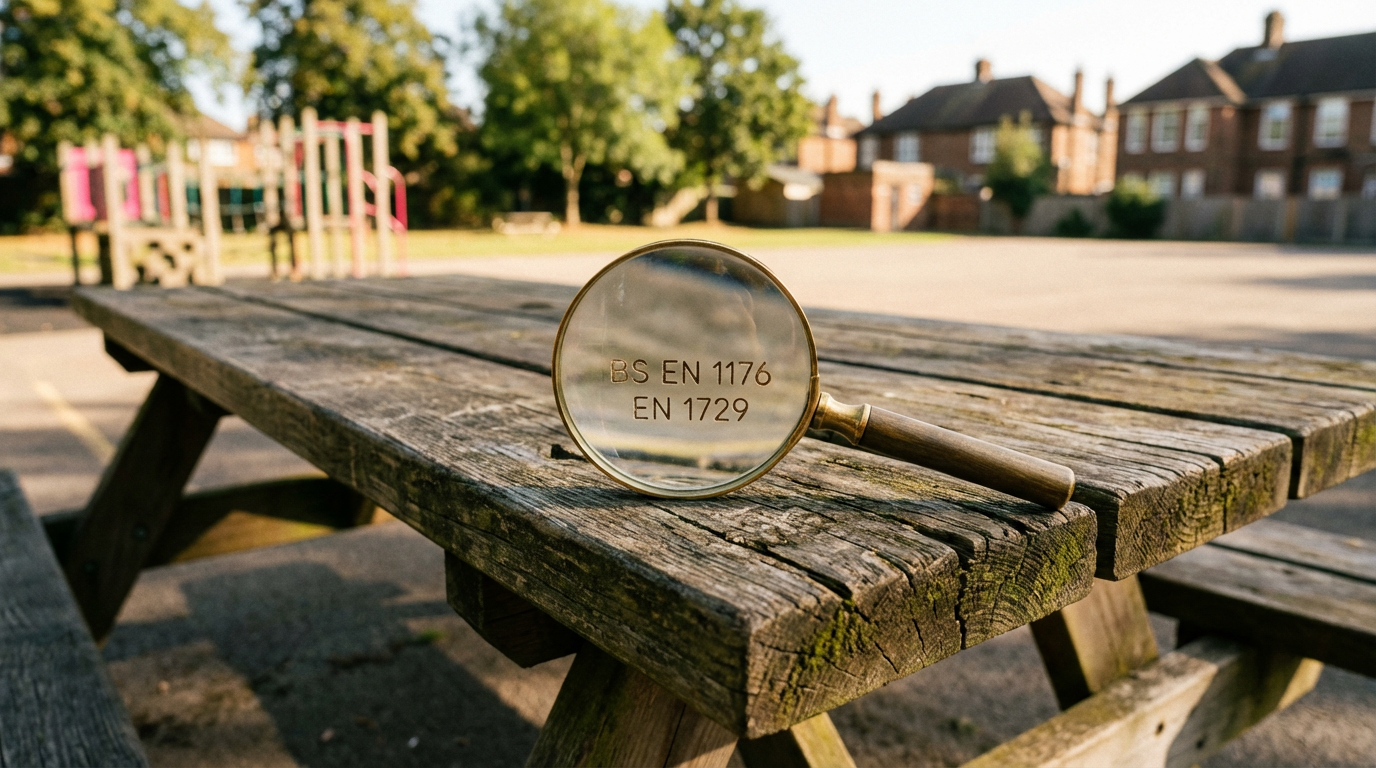
The most effective way to ensure safety is to understand the two primary standards that govern furniture in UK school environments. These are BS EN 1176, the playground equipment standard, and EN 1729, the educational furniture standard. It’s crucial to know which one applies, as this depends entirely on the item’s location and intended use.
BS EN 1176 is a comprehensive playground safety standard that applies to any equipment, including benches and tables, located within a designated play area. Its main purpose is to mitigate risks associated with play, such as falling, entrapment, and structural failure. If a picnic bench is placed inside the boundary of a playground, it must comply with BS EN 1176.
EN 1729 is a European standard that specifies the functional dimensions, strength, and stability for chairs and tables in educational institutions. While originally designed for indoor classrooms, its principles are considered best practice for furniture in designated outdoor learning zones, like an outdoor classroom or quiet area. It ensures furniture is ergonomically suited to children and robust enough for school use.
The Health and Safety Executive (HSE), which is the UK’s national regulator for workplace health and safety, enforces compliance. According to government guidance on educational visits, schools have a legal responsibility to manage risks, and adhering to these standards is a primary way to do so. A report from Pentagon Play, an industry specialist, reinforces that playground owners are both legally and morally responsible for ensuring their equipment meets these safety standards.
Comparing BS EN 1176 and EN 1729
| Aspect | BS EN 1176 (Playground Equipment) | EN 1729 (Educational Furniture) |
|---|---|---|
| Primary Focus | Mitigating risks from play (e.g., falls, entrapment, impact). | Ergonomics, correct sizing, and structural integrity for learning tasks. |
| Typical Application | Benches, tables, and any item within a playground’s active area. | Tables and chairs in a designated outdoor classroom or quiet zone. |
| Key Requirements | Specific free space, fall heights, impact-absorbing surfacing, no head/neck traps. | Correct height/depth/width for pupil age, stability, and durability testing. |
| Certification | Requires independent testing and a certificate of conformity for the specific product. | Suppliers declare conformity based on testing to Parts 1 & 2 of the standard. |
| Enforcement Body | Health and Safety Executive (HSE) inspects in case of an incident. | Trading Standards can enforce, but it’s primarily a procurement benchmark. |
How Does Material Choice Impact Outdoor Furniture Safety?
Selecting the right material is fundamental to meeting outdoor school furniture safety standards, as it directly affects long-term durability, maintenance needs, and pupil safety in the variable UK climate. A poor choice can lead to premature degradation, creating hazards like splinters, rust, or structural instability.
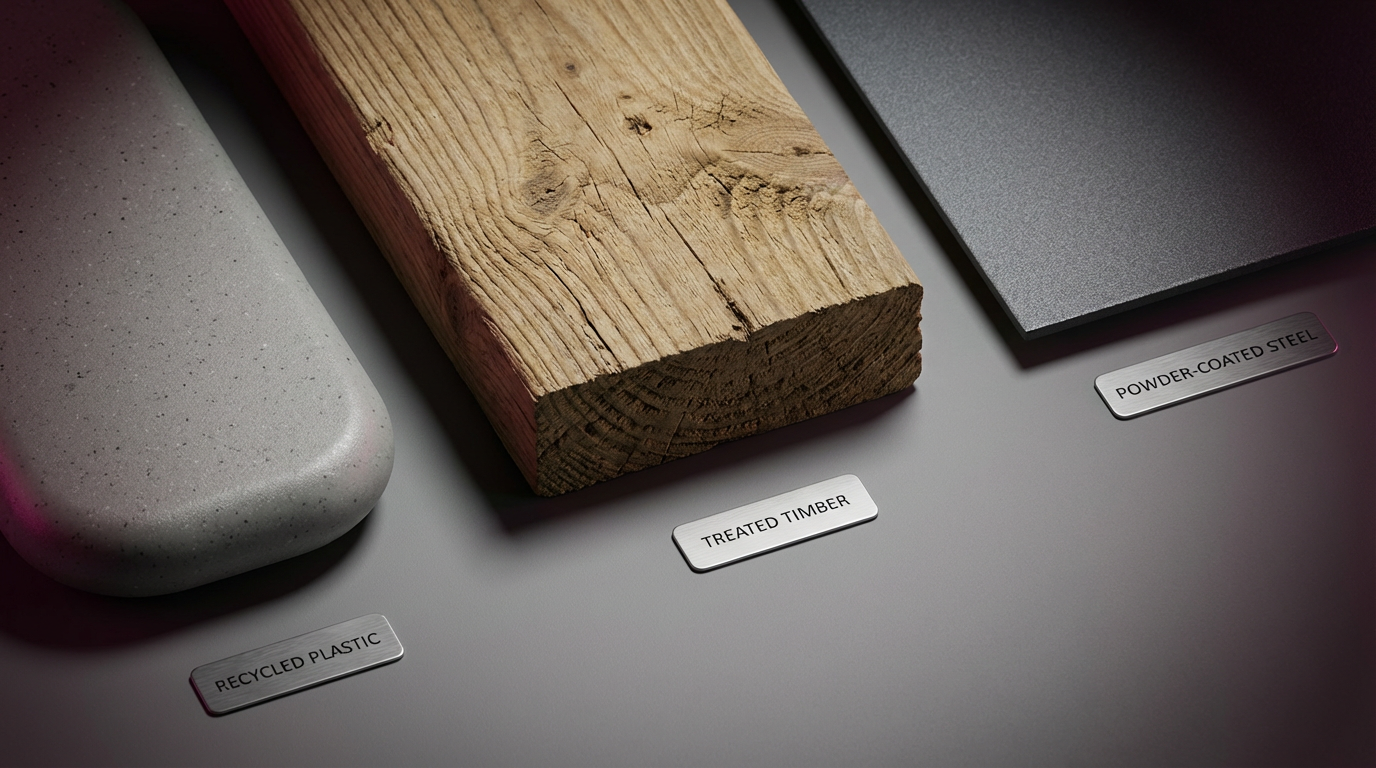
The safest materials are those that combine durability with low maintenance. For instance, high-density polyethylene (HDPE), a type of recycled plastic, is an excellent option. It doesn’t rot, splinter, or corrode, and it is highly resistant to UV degradation. This makes it effective for items like weatherproof school picnic tables that need to endure years of use with minimal upkeep. Powder-coated steel or aluminium is another strong choice, providing excellent structural integrity. However, it’s vital to ensure the coating is robust to prevent rust, which can weaken the furniture and create sharp edges.
Treated timber remains a popular and traditional choice. When sourced sustainably and properly pressure-treated, it can be very durable. Still, it requires a more rigorous inspection routine. According to a health and safety guide from the Education Nature Park, regular checks for potential hazards are a cornerstone of safe outdoor provision. For timber, this means checking for splinters, rot, or warping, especially after wet weather.
Regardless of the material, all outdoor furniture should feature rounded edges and corners to prevent impact injuries. Also, check that there are no gaps between 8mm and 25mm where a child’s finger could become trapped.
How Should Schools Vet Suppliers for Compliant Furniture?
The most direct way to ensure compliance is to establish a rigorous procurement process and partner with reputable suppliers. You can’t just take a catalogue description at face value; you must actively verify claims to fulfil your duty of care. We believe a thorough vetting process is the bridge between knowing the standards and owning compliant, safe furniture. It’s about asking the right questions before you commit your budget.
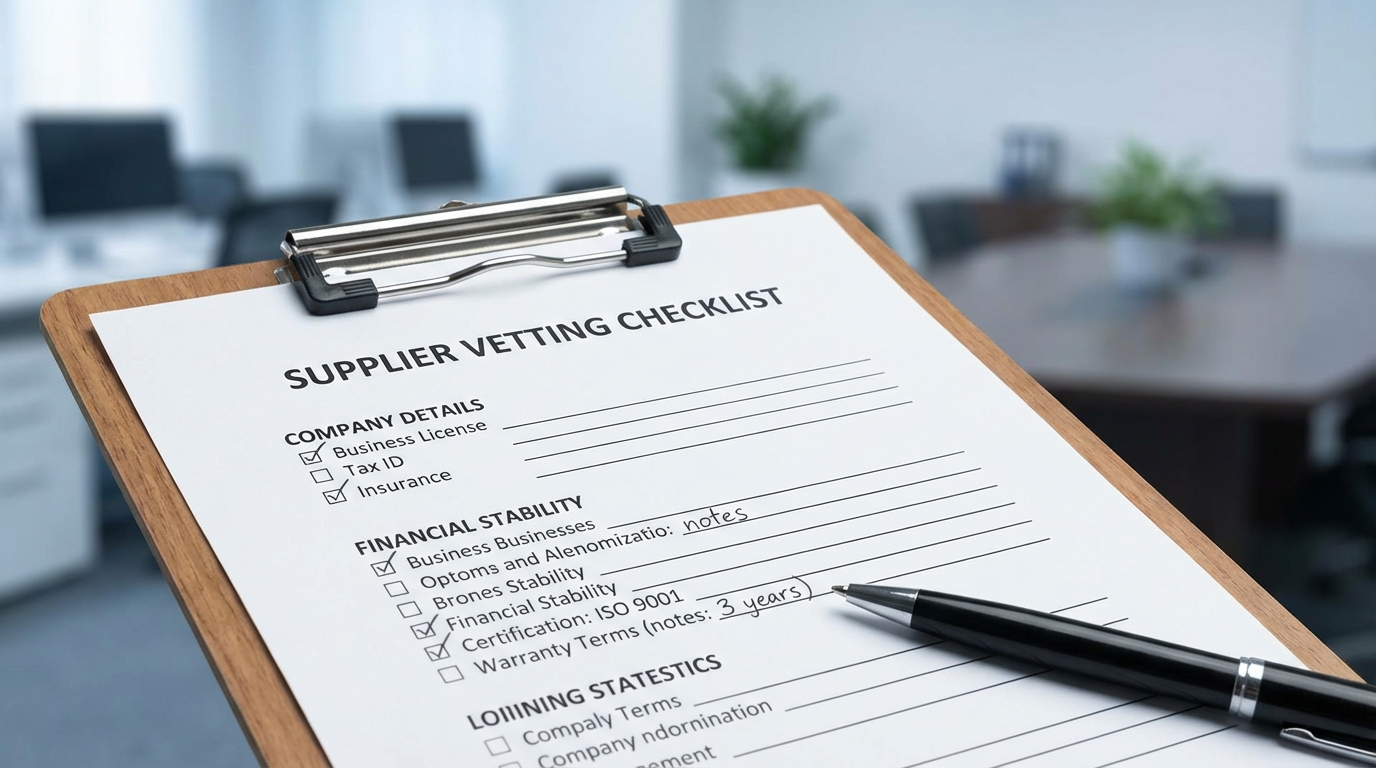
When evaluating a potential supplier, use a school furniture procurement checklist to hold them accountable. This isn’t just about price-it’s about “Saving Time & Stress” in the long run by avoiding non-compliant products.
Supplier Vetting Checklist:
- Certification: “Can you provide a current certificate of conformity showing this product has been tested to BS EN 1176 / EN 1729?”
- Manufacturing Process: “What quality control measures are in place to ensure all edges are rounded and surfaces are free from splinters or sharp points?”
- Material Specification: “What grade of steel/timber/recycled plastic do you use, and what is its expected lifespan in a UK school environment?”
- Warranty: “What warranty do you offer against structural failure, rust, or rot?”
- Track Record: “Can you provide references from other schools that have purchased this product?”
A transparent supplier will welcome these questions. For example, you can view our full list of certifications and accreditations on our website, which demonstrates our commitment to these standards. Working with established suppliers who are part of purchasing consortia (like ESPO or CPC) can also provide an extra layer of confidence, as they have often been pre-vetted.
What Does a Robust Inspection & Maintenance Programme Involve?
Purchasing compliant furniture is only the first step; maintaining its safety over time is an ongoing legal requirement. A robust inspection and maintenance programme is the most effective way to identify developing hazards, prolong the life of your assets, and create a documented record of your school’s due diligence. This is particularly important for items like weatherproof school picnic tables that are exposed to the elements year-round.
We recommend a three-tiered inspection schedule based on guidance from safety bodies:
- Routine Visual Inspection (Daily/Weekly): This is a quick check that can be done by teaching or site staff before pupils use the area. Look for obvious hazards like broken parts, vandalism, litter, or fresh splinters on wooden furniture.
- Operational Inspection (Monthly/Quarterly): This is a more detailed, hands-on check. The site manager should examine the stability of each item, check for loose nuts and bolts, look for signs of wear and tear, and assess the condition of surfaces.
- Annual Main Inspection (Annually): This is an in-depth inspection carried out by a competent person with the relevant training and experience. It assesses structural integrity, wear from a year of use, and overall compliance with standards.
Every inspection should be recorded in a maintenance log. This log is crucial evidence that your school is proactively managing safety. It should detail the date of the inspection, any faults found, the remedial action taken, and who signed it off. This process also helps you manage assets better-for example, by identifying when a bench needs retreating or when a set of tables requires more secure, weatherproof outdoor storage during holidays.
Beyond Furniture: Broader Playground Safety Considerations
While compliant furniture is a cornerstone of safety, it’s one piece of a larger puzzle. To create a truly safe outdoor environment, you must consider the entire space holistically. The Royal Society for the Prevention of Accidents (RoSPA), a UK charity dedicated to safety, provides extensive guidance that complements the legal standards enforced by the HSE.
A key consideration highlighted by both RoSPA and the bs en 1176 standard is surfacing. Any fixed play equipment-and this can include benches if they are intended for play-with a potential fall height requires an appropriate impact-absorbing surface beneath it. This could be rubber mulch, wet pour, or certified grass matting, and its critical fall height must match or exceed that of the equipment.
Playground layout is also vital. Furniture and equipment must be positioned to avoid clashes and unintentional collisions. For example, placing a picnic bench at the bottom of a slide’s run-out zone creates an obvious hazard. According to a resource from Outdoor-learning.org, a managed approach to risk is essential, which includes thoughtful planning of the physical environment. By considering traffic flow, sight lines for supervisors, and appropriate zoning for different types of activity, you can significantly reduce the risk of accidents.
Balancing Budget and Compliance: The Total Cost of Ownership
For many schools, the budget is the deciding factor in procurement. However, For outdoor school furniture safety standards, framing compliance as a cost is a mistake. It is an investment in long-term safety and value. Choosing cheaper, non-compliant furniture almost typically leads to higher total costs over the product’s lifespan.
The initial saving from a non-compliant item is quickly eroded by the need for frequent repairs, early replacement, and the administrative burden of managing a sub-standard asset. More importantly, it exposes the school to significant liability risk. In our experience, investing in compliant, durable school benches UK schools can rely on delivers far better value.
### Hypothetical Scenario: The True Cost of a School Bench
Challenge: A primary school needs a new bench for its quiet area. They have a tight budget and are comparing two options.
Solution: Option A is a fully BS EN 1176 compliant bench from a reputable supplier for £500, with a 15-year structural warranty. Option B is a non-compliant bench from a general retailer for £250, with a 1-year warranty. The school, focused on long-term value, chooses Option A.
Results: The £250 bench would likely need replacing every 4 years due to material degradation and instability, costing £937.50 over 15 years (assuming 3 replacements). The compliant £500 bench lasts the full 15 years with minimal maintenance. The school saves £437.50 and avoids years of safety worries.
Key Insight: Focusing on the total cost of ownership, not just the initial price, leads to better financial and safety outcomes.
This demonstrates that prioritising compliance isn’t an expense; it’s a saving. With flexible payment options available, including Credit Accounts Or Pay Flexibly, investing in safety has rarely been more accessible.
Frequently Asked Questions
What are the main outdoor school furniture safety standards in the UK?
The primary outdoor school furniture safety standards are BS EN 1176 and EN 1729. BS EN 1176 applies to any item sited within a playground, focusing on play-related risks. EN 1729 covers ergonomic and structural requirements for furniture used for educational activities. Adhering to these standards is a key part of a school’s health and safety obligations.
What is the difference between BS EN 1176 and EN 1729?
BS EN 1176 is a playground safety standard, while EN 1729 is an educational furniture standard. The former focuses on mitigating risks like falling and entrapment common in active play. The latter concentrates on ensuring furniture is the correct size, strength, and stability for learning. Which standard applies depends on the item’s specific location and use.
Does outdoor classroom furniture need to meet the same standards as playground equipment?
Not typically, but applying the correct standard is best practice. If the furniture is in a separate, non-play area, the principles of the en 1729 furniture standard are most relevant. However, if that same furniture is located within the boundary of an active playground, it must meet the more stringent requirements of the bs en 1176 standard to be compliant.
How can I check if a supplier’s furniture is compliant?
typically request a certificate of conformity from the supplier. A trustworthy supplier should readily provide documentation proving their products have been independently tested to the relevant standard (BS EN 1176 or EN 1729). You should also check their public liability insurance, quality control processes, and what warranty they offer against defects.
What are the safest materials for outdoor school benches and tables?
Materials like high-density recycled plastic (HDPE) and powder-coated steel are often the safest and most durable. These materials are highly resistant to UK weather, do not rot or splinter, and require very little maintenance. Sustainably sourced, pressure-treated timber is also a good option, provided it is specified to be splinter-free and is inspected regularly.
How often should we inspect our outdoor school furniture?
A three-tiered inspection approach is recommended for comprehensive safety. This involves daily visual checks for obvious damage, monthly operational checks for stability and wear, and a formal, documented annual inspection conducted by a competent and suitably qualified person. This routine is essential for maintaining ongoing compliance and pupil safety.
Who is legally responsible for playground safety in a UK school?
The ’employer’ holds the ultimate legal responsibility for managing health and safety. For most schools, this is the Local Authority, the governing body, or the Academy Trust. They delegate the day-to-day operational responsibility to the headteacher and school business manager, who must ensure all required safety procedures are implemented and followed correctly.
What is RoSPA’s role in school playground safety?
RoSPA provides expert guidance, accredited training, and independent inspection services for play areas. Unlike the HSE, which is a legal enforcement body, RoSPA is a registered charity that promotes best practices to help schools reduce risks. A rospa playground guidance report can be a vital tool in a school’s overall risk management system.
Can we use recycled plastic furniture in our school playground?
Yes, recycled plastic is an excellent and highly recommended choice for school playgrounds. It is extremely durable, completely weatherproof, does not rot or splinter, and is very easy to clean and maintain. When purchasing, you must ensure it comes from a reputable supplier who can certify that it meets the necessary strength and safety standards.
Where can I find a risk assessment template for outdoor furniture?
The Health and Safety Executive (HSE) website is an excellent starting point for guidance. Many local authorities and specialist educational suppliers also provide useful templates and advice. A good template should prompt you to identify potential hazards (e.g., instability, sharp edges), assess the level of risk, and document the control measures you have put in place.
Important Considerations and Next Steps
This guide provides a comprehensive overview, but standards can be updated. It is typically the school’s responsibility to consult the latest official documentation from the British Standards Institution (BSI) and the Health and Safety Executive (HSE) for definitive legal requirements. Our advice is based on the regulations and best practices as of March 2026.
While this article focuses on fixed furniture, a holistic approach to outdoor safety must also consider factors like surfacing, fencing, supervision policies, and the safety of loose-parts play equipment. These elements work together to create a safe environment. A compliant bench on an unsafe surface still presents a significant risk, so it’s vital to see the bigger picture.
For large-scale projects or if you have any doubts about compliance, we strongly recommend seeking professional advice. A consultation with a certified playground inspector or a specialist supplier can provide tailored guidance for your specific site. Our “Design To Install We Do It All!” service is designed to help schools navigate these complexities, ensuring your plans meet all necessary regulations from the outset.
Partnering for a Safe and Engaging Outdoor Space
Ultimately, adhering to outdoor school furniture safety standards is a fundamental aspect of a school’s duty of care. By understanding the key differences between BS EN 1176 and EN 1729, selecting durable, climate-appropriate materials, and implementing a rigorous school furniture procurement checklist and inspection process, you can create outdoor learning and play areas that are not only compliant but also built to last. This is how you achieve genuine long-term value.
This proactive approach protects pupils while also protecting your school’s budget. With over 35 years of experience and being Rated Excellent On Trustpilot, Costcutters UK provides fully compliant furniture and expert advice. If you are planning a new outdoor space, consider our Free Space Planning Consultation to ensure your project is safe, functional, and inspiring from day one. You can also explore our complete range of compliant school furniture online.
References
- GOV.UK – Government Guidance. This document outlines the legal responsibilities of schools under the Health and Safety at Work etc. Act 1974 to manage risks during educational activities, including those on school grounds.
- Pentagon Play – Industry Article. This resource explains that playground owners are legally and morally responsible for ensuring their site meets safety standards like BS EN 1176.
- Outdoor-learning.org – Charity Resource Hub. This hub highlights that a managed approach to risk, which balances safety with beneficial challenges, is a key foundation of quality outdoor learning.
- Health and Safety Executive (HSE) – Regulatory Body Guidance. This example for inflatable play equipment provides a model for how specific equipment safety standards are enforced and what is expected of operators For inspection and maintenance.
- Education Nature Park – Health & Safety Guide. This guide for outdoor nature activities recommends teaching young people to identify and manage risks themselves, supported by regular site checks for hazards.
Conclusion
Partnering for a Safe and Engaging Outdoor Space
In summary, outdoor school furniture safety standards are a fundamental aspect of a school’s duty of care, not a bureaucratic hurdle. By understanding the key differences between BS EN 1176 and EN 1729, using a school furniture procurement checklist to select durable, climate-appropriate materials, and implementing a rigorous inspection process, you can create outdoor learning and play areas that are not only compliant but also built to last.
This proactive approach protects pupils and delivers the best long-term value for your school’s budget. With over 35 years of experience supplying UK schools, Costcutters UK provides fully compliant furniture and expert advice. If you are planning a new outdoor space, consider our [Free