Effective Breakout Area Design: A Practical Guide for UK Schools & Offices
🎯 Key Takeaway
Effective breakout area design involves the strategic planning of a multi-functional space with flexible furniture, good acoustics, and accessible power to encourage collaboration, creativity, and relaxation in a work or educational environment. It’s a core component of modern workplace strategy. This approach moves beyond simple aesthetics to create a functional asset that boosts wellbeing and productivity. For successful implementation, you’ll need to define the space’s primary purpose, select durable furniture, and prioritise technical elements like acoustics and power.
Author Credentials & Transparency
Written by: Cost Cutters UK Content Team | Reviewed by: Cost Cutters UK Editorial Team, 35+ Years Experience; Rated Excellent On Trustpilot
Transparency Disclosure: This article explores breakout area design based on over 35 years of industry experience and analysis of current workplace trends. The information is verified by our editorial team to ensure accuracy for UK organisations. Our goal is to provide practical, actionable guidance. We may reference our own services where relevant, but our primary commitment is to transparent and helpful advice.
The static staff room with its mismatched mugs and decade-old microwave is a familiar sight, but it no longer meets the demands of modern work or education. As of May 2026, organisations are shifting towards dynamic, multi-purpose environments. A key challenge for managers in UK schools and offices is creating these valuable spaces within strict budgets and procurement rules. This is where effective breakout area design becomes crucial. It isn’t about expensive overhauls; it’s about smart, pragmatic planning of an informal meeting space design that fosters collaboration and wellbeing. At Cost Cutters UK, we’ve spent over 35 years helping public and private sector clients navigate these exact constraints. This guide provides the practical, budget-conscious steps to create a high-impact breakout area that delivers real value.
What Exactly is a Breakout Area? A Definition for Planners
A breakout area is a versatile space, intentionally separated from primary workstations or classrooms, designed to support a range of activities beyond focused, individual tasks. Unlike a traditional canteen, its purpose is strategic. A key question we often hear is, ‘so, what is a breakout area exactly?’ It’s an environment engineered to foster informal collaboration, spark creativity, and support employee or student wellbeing. According to an industry guide from Calibre Furniture, the first step in designing these spaces is to clearly define their purpose, whether for quiet reflection, group brainstorming, or socialising.
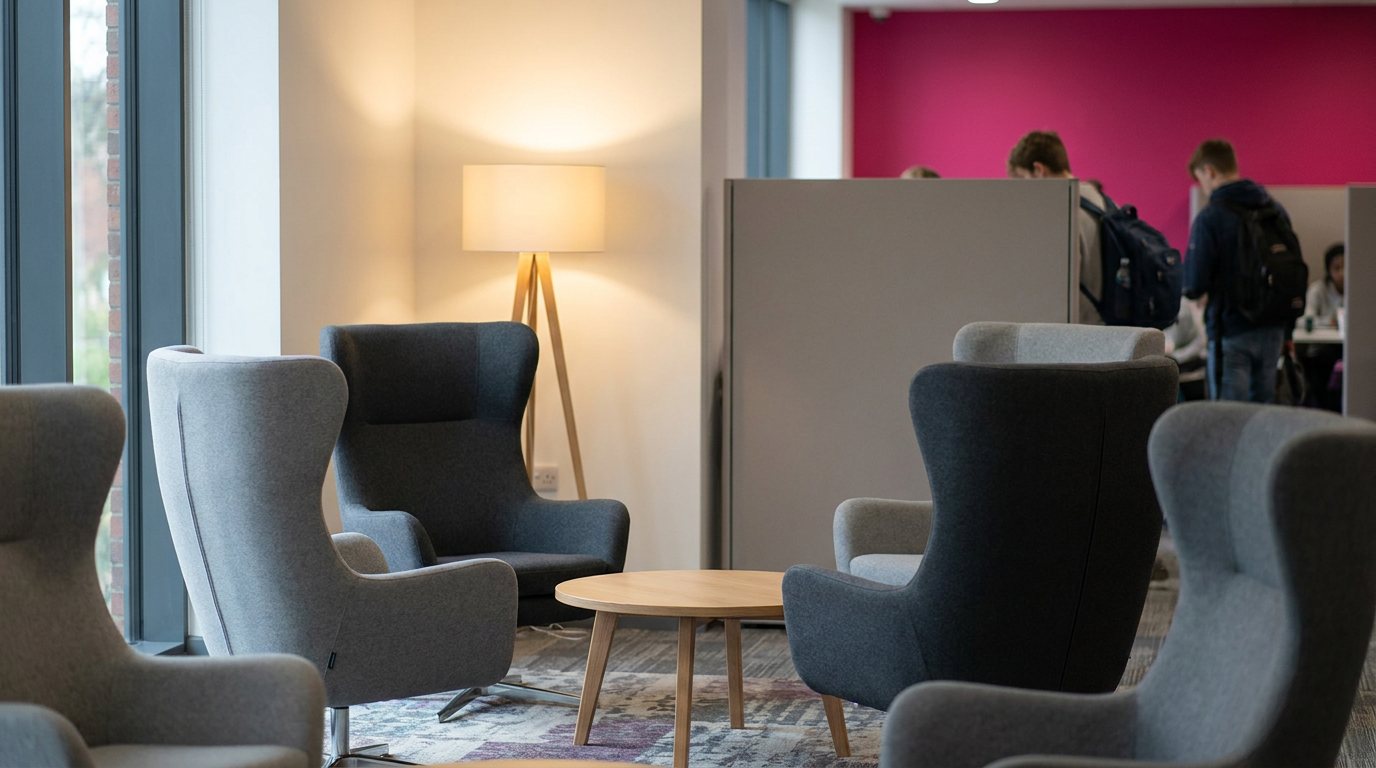
In modern office layouts, these zones act as a crucial ‘third space’ between the formal desk and the home office. For schools, they provide a much-needed area for students to decompress, socialise constructively, or engage in group project work outside the rigid structure of a classroom. As workspace consultants at Tally Workspace note in their analysis, these spaces are particularly vital for building a strong, cohesive culture. They are not just rooms with comfortable chairs; they are functional hubs that enhance the overall experience and productivity of a building’s occupants.
The Tangible Benefits: Why Your Organisation Needs a Modern Breakout Space
A well-executed breakout area delivers a significant return on investment by directly addressing several key organisational challenges. For both offices and educational institutions, the primary benefit is the enhancement of collaboration and communication. A guide by DSP Solutions highlights how these environments break down departmental silos and encourage spontaneous interactions that can lead to innovative ideas. Instead of scheduling formal meetings, teams can convene quickly and naturally.
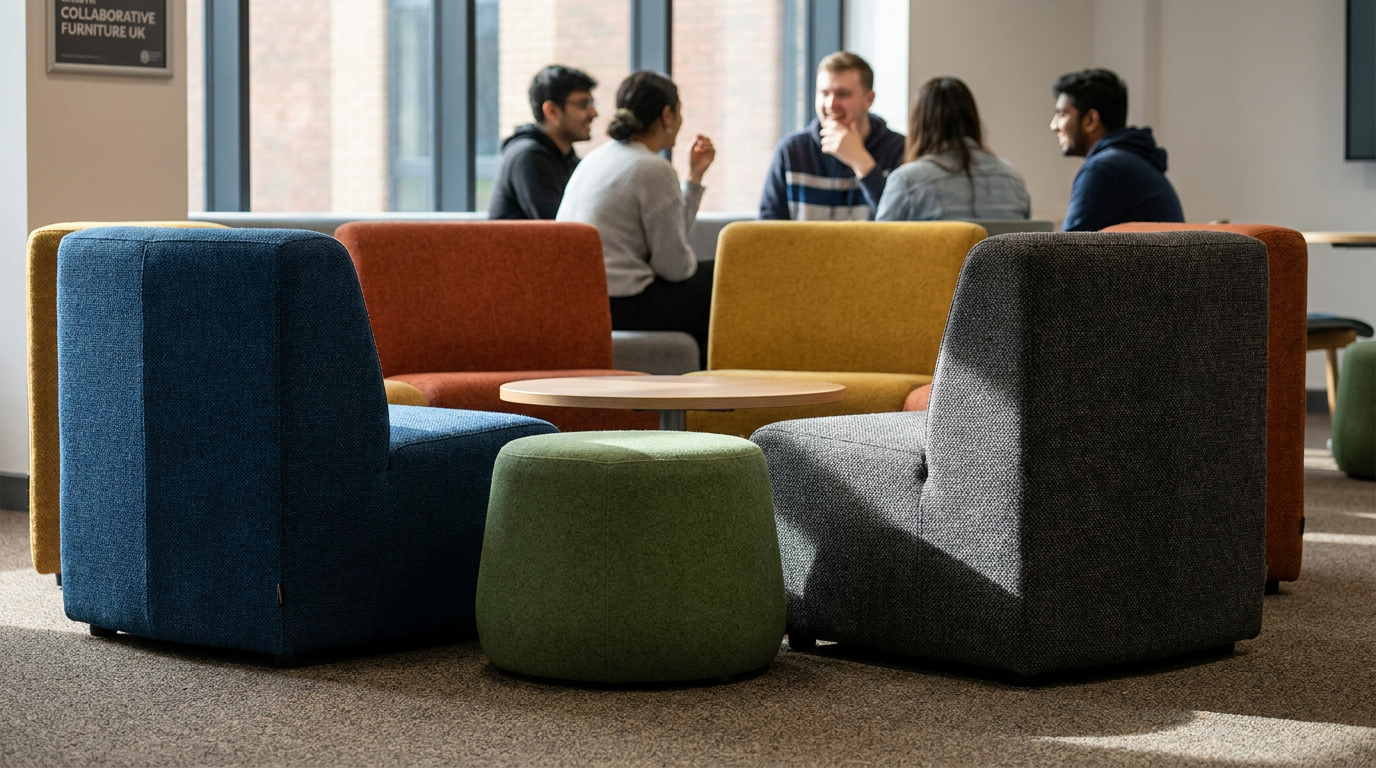
The positive impacts are clear and measurable:
- Improved Collaboration: Provides a neutral ground for cross-departmental or inter-year group discussions, fostering a more integrated community.
- Enhanced Wellbeing: Offers a dedicated space to step away from screens and deadlines, reducing stress and preventing burnout. This is critical for both employee retention and student mental health.
- Increased Productivity: By giving people a choice of work settings, you empower them to select the environment best suited to their current task, whether it’s quiet focus or group brainstorming.
- Stronger Culture: A vibrant breakout area acts as the social heart of an organisation, strengthening relationships and building a sense of community. For a school breakout space, this can be vital for developing social skills.
### Hypothetical Case Study: A Typical Secondary School Scenario
Challenge: A large secondary school faced issues with sixth-form students feeling disconnected, with limited space for independent study or socialising between lessons. The existing common room was cramped and uninspiring, leading to students congregating in busy corridors.
Solution: The school invested in a breakout area design project, converting an underutilised library annexe. They used modular seating, acoustic panels, and poseur tables to create distinct zones for quiet study, group work, and relaxation.
Results: Within six months, the school noted a 40% decrease in corridor congestion during free periods and teachers reported a noticeable improvement in the quality of collaborative project work. Student surveys showed a 65% increase in satisfaction with campus facilities.
Key Insight: Providing a variety of seating styles and zones within a single space empowered students to choose how they spent their non-contact time, catering to different needs simultaneously.
Core Principles of Effective Breakout Area Design
Great breakout area design is built on a foundation of five core principles. It’s not just about picking nice furniture; it’s about creating a cohesive and functional ecosystem. An article from Free Office Finder emphasises that the well-suited space balances comfort, technology, and brand identity. Our experience shows that success hinges on getting the practical details right from the start. We believe that a thoughtful informal meeting space design considers how people will actually use the area throughout their day.
Zoning for Multiple Functions
The most effective breakout areas are multi-functional. To achieve this without creating chaos, you must implement clear zoning. Use different flooring types (e.g., carpet tiles in a quiet zone, vinyl in a high-traffic social area), varied lighting, and furniture arrangements to create distinct ‘neighbourhoods’. For example, position high-back acoustic sofas for semi-private conversations, a large communal table for group lunches, and comfortable armchairs in a quieter corner for reading.
Managing Acoustics for Productivity
Noise is the number one complaint in open-plan environments. A breakout area can become unusable if it’s too loud. We recommend incorporating acoustic management solutions from day one. This includes using acoustic panels on walls or ceilings, specifying high-back furniture that absorbs sound, and using freestanding screens or pods to create pockets of privacy. Soft furnishings like rugs and curtains also play a crucial role in dampening ambient noise and preventing a space from feeling like an echo chamber.
Integrating Power and Technology
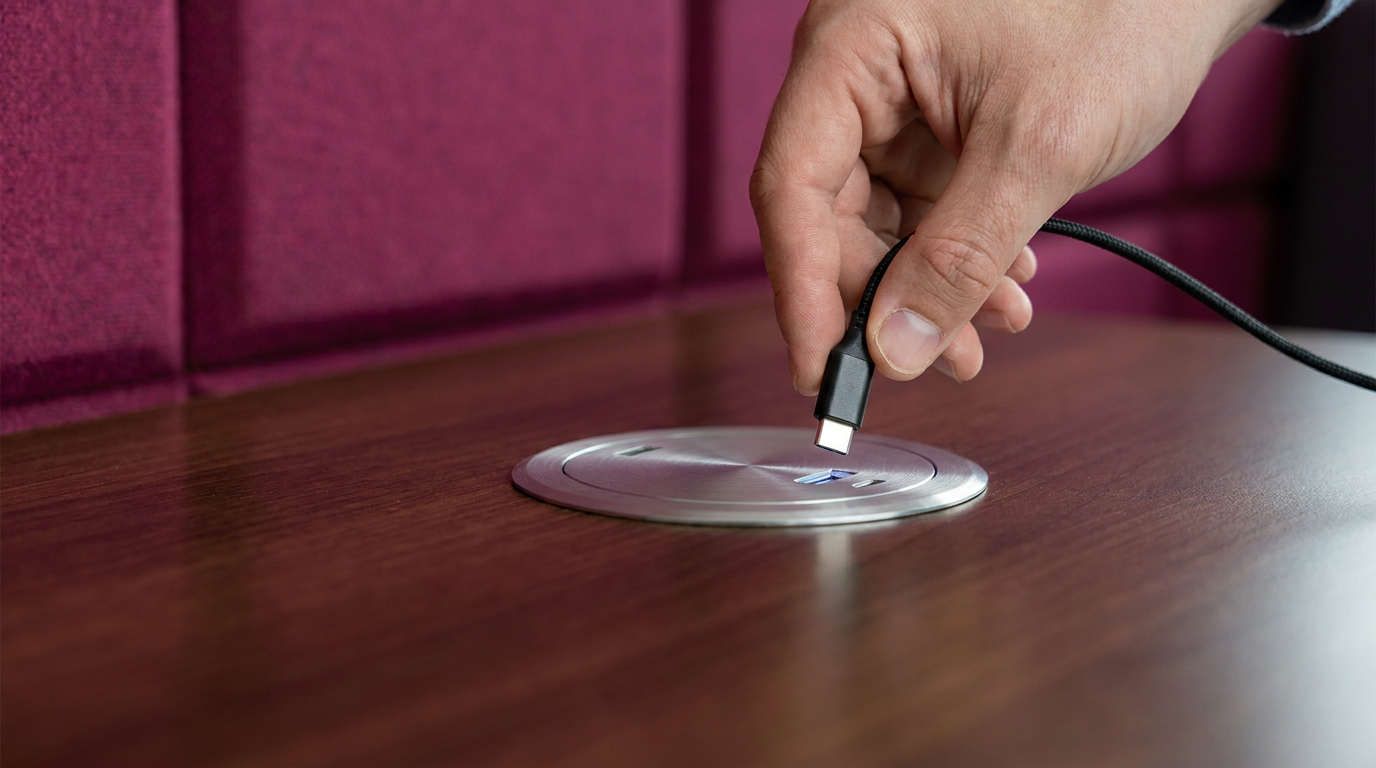
A breakout area without accessible power is a design failure. In 2026, users expect to be able to charge their devices wherever they are. We advise integrating power modules directly into furniture, such as sofas with built-in USB ports or tables with pop-up power sockets. Robust and reliable Wi-Fi coverage is non-negotiable. For collaborative zones, consider adding a mobile digital screen or whiteboard to facilitate impromptu presentations and brainstorming sessions.
Choosing Your Furniture: A Procurement Manager’s Guide to Value and Compliance
Selecting the right furniture is arguably the most critical step in bringing your breakout area to life. For UK procurement managers, the decision goes beyond aesthetics; it’s about ensuring durability, safety compliance, and long-term value. The first rule is to typically choose Contract-Grade Furniture, which refers to items specifically built to withstand the heavy use typical of a commercial or educational environment. This ensures a better return on investment and reduces replacement costs.
A crucial aspect for any UK public space is fire safety. All upholstered items must meet Crib 5 standards. This is a legal requirement for commercial premises and ensures the fabric and foam fillings are combustion-modified to prevent the rapid spread of fire. When you work with reputable breakout furniture suppliers, they will guarantee that all products meet this standard.
We’ve found that consolidating your procurement with a single supplier can massively simplify logistics, ensure consistent quality, and often unlock Bulk Buy Discounts. This approach is key to Saving Time & Stress.
| Furniture Type | Primary Use Case | Key Benefit | Typical UK Lifespan (Contract-Grade) |
|---|---|---|---|
| Modular Soft Seating | Flexible group seating, informal meetings | Adaptable layouts, promotes collaboration | 7-10 years |
| Acoustic Pods/Booths | Private calls, focused work | Excellent sound privacy, space-efficient | 10-15 years |
| Poseur/High Tables | Quick meetings, coffee breaks, laptop use | Encourages active posture, good for short stays | 8-12 years |
| Durable Poly Chairs | Canteen areas, high-traffic zones | Easy to clean, stackable, cost-effective | 10+ years |
From collaborative furniture UK specialists, you can source everything from modular sofas to staff breakout area furniture. Exploring our complete range of breakout furniture shows the variety available, all of which meets all relevant UK safety and quality accreditations.
Practical Office & School Breakout Area Ideas for Every Budget
Creating an inspiring breakout area doesn’t have to drain your finances. With smart planning, you can make a significant impact at any budget level. The key is to allocate resources wisely, focusing on what will provide the most benefit to your users, whether you’re planning a school breakout space or a corporate hub. Here are some tiered office breakout area ideas.
Low-Budget Solutions (£500 – £2,500)
On a tight budget, focus on high-impact, low-cost changes.
- Paint: Use a bold accent wall to visually define the breakout zone. Colour has a powerful psychological effect and is a very affordable way to transform a space.
- Rugs: Demarcate the area and add comfort with a large, durable rug.
- Multi-Purpose Furniture: Invest in a few key pieces like modular cubes that can act as seats or tables, and durable poly chairs in bright colours.
- Plants: Introduce biophilia with low-maintenance potted plants to improve air quality and reduce stress.
Mid-Range Solutions (£2,500 – £10,000)
With a more moderate budget, you can begin to introduce more specialised furniture and features.
- Modular Seating: Invest in a flexible modular sofa system that can be reconfigured for different activities. This is a cornerstone of modern collaborative furniture UK.
- Acoustic Screens: Purchase freestanding acoustic panels or screens to create semi-private zones for meetings or quiet work.
- Varied Table Heights: Introduce a mix of standard-height coffee tables and poseur-height tables to create different dynamics and encourage movement.
Investment-Level Solutions (£10,000+)
At this level, you can create a truly bespoke and technologically integrated environment. This is where you can partner with breakout furniture suppliers for a full fit-out.
- Acoustic Pods: Install one or two-person acoustic pods for confidential calls and focused work. They are a major asset in open-plan offices.
- Integrated Technology: Choose furniture with built-in power and data ports. Install a large interactive screen for presentations and collaboration.
- Bespoke Joinery: Commission custom-built features like tiered seating (bleachers), built-in shelving, or a kitchenette to perfectly suit your space and needs.
Frequently Asked Questions About Breakout Area Design
What is breakout area design?
Breakout area design is the strategic process of planning and furnishing a space to support activities beyond focused desk work, such as collaboration, socialising, and relaxation. Good design balances aesthetics with functionality, durability, and the specific needs of the organisation’s users, whether they are employees or students. It’s about creating a destination, not just filling an empty room.
What is a breakout area in an office?
An office breakout area is a dedicated space away from formal workstations for non-task-specific activities and informal work. It functions as a central hub for impromptu meetings, social interaction, and taking restorative breaks, which helps to reduce stress and build a stronger, more connected company culture. It answers the question, ‘what is a breakout area‘ in a corporate context.
What tasks would you perform in a breakout area?
You can perform a wide variety of tasks, from collaborative brainstorming with colleagues to taking a private phone call or simply relaxing with a coffee. Other common uses include holding informal team catch-ups, eating lunch away from your desk, and engaging in one-on-one mentoring. The versatility of the space is its greatest strength.
How do you create a breakout area on a small budget?
You can create an effective breakout area by focusing on high-impact, low-cost solutions like paint, rugs, and multi-purpose furniture. Use a bright accent wall and a large rug to define the zone visually. Then, select a few key pieces of durable, versatile furniture like modular cubes or colourful poly chairs. Clever planning is far more important than a large budget.
What is the purpose of a breakout room?
The primary purpose of a breakout room is to provide an alternative environment to the main workspace or classroom. This supports wellbeing by offering a place to de-stress, fosters innovation through spontaneous collaboration, and improves space utilisation by providing a flexible area for various activities throughout the day. It’s a strategic tool for modern organisations.
What is the etiquette for breakout rooms?
General etiquette includes keeping the space tidy for the next person, being mindful of noise levels, and not monopolising the area for long periods. It’s also important to respect the different zones; for example, avoiding loud conversations in an area designated for quiet work. This shared understanding ensures the space remains a positive asset for everyone.
How do you make a breakout area collaborative?
To make a breakout area collaborative, use lightweight, movable furniture that users can easily reconfigure to suit their group size. We also recommend including shared resources like mobile whiteboards or digital screens. Arranging seating in clusters rather than rows naturally encourages conversation. Finally, ensure the space is centrally located and inviting to promote spontaneous interactions.
Does a school breakout space need to be different from an office one?
Yes, while the core principles are similar, a school breakout space requires a greater focus on extreme durability, safety, and ease of cleaning. Furniture must be robust enough to handle heavy use by students. The design for a school breakout space should also aim to support social development and informal learning, often using more vibrant and stimulating colours.
What does ‘breakout’ mean in a workplace context?
In a workplace or school context, ‘breakout’ refers to the act of moving away from a formal, structured environment like a desk or classroom. A breakout space is therefore a physical area specifically designed to facilitate this ‘break’. It provides a setting for different, more informal types of activity, ranging from socialising to creative group work.
What is a breakout strategy?
A breakout strategy is an organisation’s overarching plan for using non-traditional spaces to achieve specific business or educational goals. This involves defining the purpose of each breakout area (e.g., to increase innovation or improve student wellbeing), planning the design and location to support that purpose, and communicating its intended use to maximise impact.
Important Considerations
While this guide provides a comprehensive overview, the effective breakout area solution is highly dependent on your specific building layout, organisational culture, and user needs. The budget ideas presented are illustrative; actual costs will vary based on supplier and material choices. Also, research on the direct productivity impact of these spaces often relies on self-reported data, which can be subjective.
If a dedicated breakout area is not feasible due to space or budget constraints, consider alternative approaches. This could involve creating ‘breakout zones’ within a larger open-plan area using screens and flexible furniture. Another alternative is upgrading existing canteen or staff room facilities with more comfortable, versatile furniture to encourage dual-purpose use. A phased approach, starting with one small area, can also be effective.
For complex projects, listed buildings, or large-scale refurbishments, we recommend seeking professional guidance. A space planning consultation can help you optimise your floor plan, ensure compliance with all UK building and safety regulations, and develop a detailed plan that maximises your return on investment. This expert advice is crucial for avoiding costly mistakes. Our “Design To Install We Do It All!” service is built for this.
Start Planning Your High-Impact Breakout Area Today
Successful breakout area design is a powerful tool for enhancing collaboration, wellbeing, and culture in any UK organisation. By moving beyond the traditional staff room and focusing on flexibility, durability, and user-centric principles, you can create a valuable asset that pays dividends in productivity and satisfaction. The key is to balance ambitious ideas with the practical realities of budget and procurement, whether you’re sourcing staff breakout area furniture or planning a full refurbishment.
With over 35 years of experience helping schools, colleges, and offices create functional and affordable spaces, Cost Cutters UK understands these challenges. As one of the UK’s leading breakout furniture suppliers, we provide everything from individual pieces of collaborative furniture UK to a complete design-to-installation service. We are Rated Excellent On Trustpilot because we deliver on our promises. To translate these ideas into a concrete plan for your organisation, book your free, no-obligation space planning consultation today.
References
- Calibre Furniture – Industry Guide. Outlines a step-by-step process for designing breakout spaces, emphasizing purpose definition and furniture selection.
- Tally Workspace – Article. Discusses the importance of breakout spaces for start-ups and modern companies, focusing on benefits for collaboration and culture.
- Free Office Finder – Article. Provides tips on creating an effective breakout space, highlighting elements like comfort, technology, and branding.
- DSP Solutions – Industry Guide. Connects breakout area design directly to improvements in employee collaboration and overall wellbeing.
Frequently Asked Questions About Breakout Area Design
What is breakout area design?
Breakout area design is the strategic process of planning and furnishing a space to support activities beyond focused desk work, such as collaboration, socialising, and relaxation. Good design balances aesthetics with functionality, durability, and the specific needs of an organisation’s users, whether they are employees or students. It involves careful consideration of furniture, acoustics, lighting, and technology to create a versatile and valuable asset for the workplace or school.
What is a breakout area in an office?
An office breakout area is a dedicated space away from individual workstations, designed for non-task-specific activities. It serves as a multi-purpose hub for informal meetings, social interaction between colleagues, and taking restorative
breaks, helping to reduce stress and build a stronger company culture. This answer should clarify its multi-purpose nature.
What tasks would you perform in a breakout area?
A wide range of tasks can be performed in a breakout area, from collaborative brainstorming with colleagues to taking a private phone call or eating lunch. The space is designed for versatility, accommodating informal team catch-ups, focused work away from a noisy desk, or simply relaxing with a coffee. This flexibility supports both productive group activities and essential restorative moments that are difficult to achieve in a formal workstation environment.
How do you create a breakout area on a small budget?
To create a breakout area on a small budget, focus on high-impact, low-cost solutions. Use a bold paint colour to visually define the zone without building walls, and use large rugs to add comfort and demarcate the space. Select a few key pieces of durable, multi-purpose furniture like modular cubes or stackable soft seating. Remember that clever planning and a clear purpose are more critical to success than a large budget.
What is the purpose of a breakout room?
The primary purpose of a breakout room is to provide a valuable alternative environment to the main workspace or classroom. This supports employee and student wellbeing by offering a place to de-stress and recharge. It also fosters innovation by encouraging spontaneous collaboration and creative thinking. Furthermore, it improves overall space utilisation by providing a flexible, multi-purpose area for various activities throughout the day.
What is the etiquette for breakout rooms?
Basic etiquette for breakout rooms includes keeping the space tidy for the next user and being mindful of noise levels. If others are using the area for quiet work, avoid loud conversations. It’s also important not to monopolise the space for long, scheduled meetings, ensuring it remains available for its intended informal use. Following these simple rules helps ensure the space remains a positive and accessible asset for everyone.
How do you make a breakout area collaborative?
To make a breakout area collaborative, use moveable, lightweight furniture that users can easily reconfigure for group work. Include shared resources like mobile whiteboards or digital screens to facilitate brainstorming. Arranging seating in clusters rather than rows encourages conversation and interaction. Finally, ensure the space is centrally located and has an open, inviting feel to promote the spontaneous connections that drive innovation.
Does a school breakout space need to be different from an office one?
Yes, while the core principles are similar, the execution must be different for a school breakout space. Furniture and finishes in a school environment must prioritise extreme durability, enhanced safety features, and materials that are easy to clean and maintain. The design should support social development and informal learning, often using more vibrant colours and robust materials than a typical corporate setting would require.
What does ‘breakout’ mean in a workplace context?
In a workplace or school context, ‘breakout’ refers to the act of moving away from the formal, structured environment of a desk or classroom. A breakout space is therefore the physical area designed to facilitate this ‘break’. It enables different, more informal types of activity, from socialising with colleagues to engaging in creative work or simply taking a moment to relax and recharge.
What is a breakout strategy?
A breakout strategy is an organisation’s overarching plan for how it will use non-traditional spaces to achieve specific business or educational goals. This goes beyond just furniture selection; it involves defining the primary purpose of each breakout area (e.g., to increase innovation or improve student wellbeing), planning their design and location for maximum impact, and communicating their intended use to staff or students.
Limitations, Alternatives, and Professional Guidance
While this guide provides a comprehensive overview, the ideal breakout area solution is highly dependent on your specific building layout, organisational culture, and user needs. The budget ideas presented are illustrative; actual costs will vary based on supplier and material choices. Furthermore, research on the direct productivity impact of these spaces often relies on self-reported data, which can be subjective.
If a dedicated breakout area is not feasible due to space or budget constraints, consider alternative approaches. This could involve creating ‘breakout zones’ within a larger open-plan area using acoustic screens and flexible furniture. Another alternative is upgrading existing canteen or staff room facilities with more comfortable, versatile furniture to encourage dual-purpose use. A phased approach, starting with one small area and measuring its impact, can also be an effective strategy.
For complex projects, listed buildings, or large-scale refurbishments, we recommend seeking professional guidance. A space planning consultation can help you optimise your floor plan, ensure compliance with all UK building and safety regulations (including DDA), and develop a detailed plan that maximises your return on investment. This expert advice is crucial for avoiding costly mistakes and creating a truly effective space.
Start Planning Your High-Impact Breakout Area Today
In summary, breakout area design is a powerful tool for enhancing collaboration, wellbeing, and culture in any UK organisation. By moving beyond the traditional staff room and focusing on flexibility, durability, and user-centric principles, you can create a valuable asset that pays dividends in productivity and satisfaction. The key is to balance ambitious ideas with the practical realities of budget, compliance, and procurement.
With over 35 years of experience helping schools, NHS trusts, and offices create functional and affordable spaces, Costcutters UK is one of the most trusted breakout furniture suppliers in the country. Our team provides everything from individual pieces of collaborative furniture UK businesses need to a complete design-to-installation service. To translate these ideas into a concr