
Avoiding Maintenance Mistakes: A Complete Guide for UK Facilities
🎯 Key Takeaway
Avoiding maintenance mistakes is a strategic imperative that directly protects your assets, ensures operational continuity, and controls long-term costs. By shifting from a reactive “fix-it-when-it-breaks” mindset to a proactive, planned approach, organisations can significantly reduce downtime, improve safety, and maximise the lifespan of their commercial furniture and equipment. This guide outlines the most common pitfalls and provides a clear framework for establishing a robust maintenance strategy, ultimately Saving Time & Stress for your entire team.
For organisations across the UK, from schools and offices to hospitality venues, the upkeep of facilities and equipment is a constant operational demand. Poorly managed maintenance doesn’t just lead to inconvenient breakdowns; it can result in spiralling costs, safety hazards, and significant disruption. The challenge of avoiding maintenance mistakes is therefore not just an operational task but a critical business function. As of June 2026, the focus on asset longevity and cost efficiency has rarely been greater, making a structured approach essential. At Cost Cutters UK, with our 35+ years of experience, we’ve seen firsthand how simple oversights can escalate into major problems. This guide is designed to help you handle the complexities and build a resilient maintenance programme.
Written by: The Cost Cutters UK Content Team | Reviewed by: Our Commercial Furniture and Equipment Specialists, 35+ Years Experience; Rated Excellent On Trustpilot
ℹ️ Transparency Disclosure
This article provides expert guidance on avoiding maintenance mistakes in UK facilities management. Our recommendations are based on extensive industry research, data from authoritative sources like the Health and Safety Executive (HSE), and our own decades of experience. The purpose of this disclosure is to maintain transparency with our readers.
What Are the Consequences of Poor Maintenance Planning?
The most significant consequence of poor maintenance planning is the inevitable shift into a constant state of reactive crisis management. This approach, often termed ‘breakdown maintenance’, seems cheaper in the short term but consistently research suggests more expensive. A report from COEL, a commercial design firm, highlights that unforeseen repairs are not just costly For parts and labour but also introduce significant operational downtime, which can damage productivity and customer satisfaction [1].
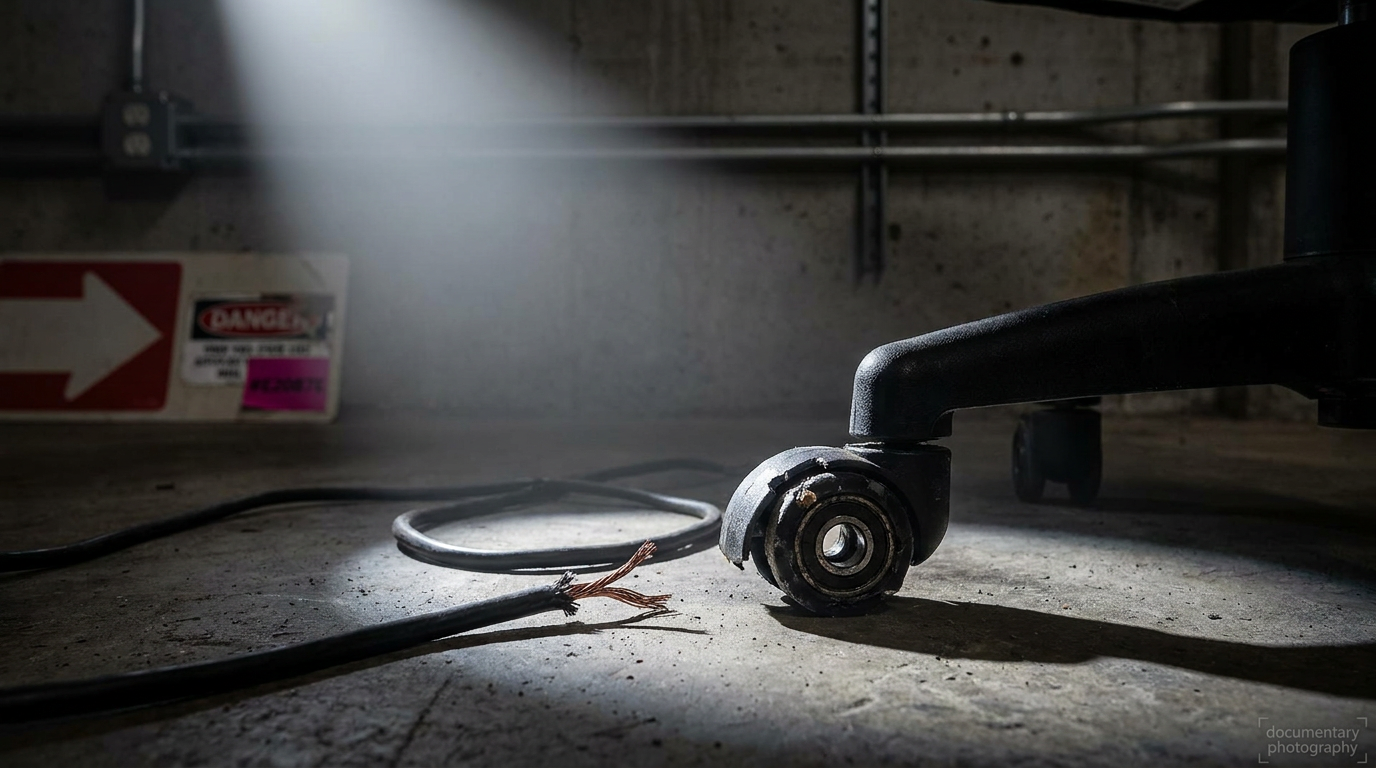
Also, neglecting regular upkeep accelerates the depreciation of your assets. Commercial furniture, kitchen equipment, and office machinery all have expected lifespans that are drastically shortened by a lack of care. This leads to premature replacement cycles, straining capital expenditure budgets. Research from the UK’s Health and Safety Executive (HSE) indicates that maintenance errors are a direct cause of many workplace accidents, making robust planning a cornerstone of Compliance and Safety [2]. In our experience, organisations that fail to plan for maintenance face a cascade of issues:
- Increased Costs: Emergency repairs can cost three to four times more than planned maintenance.
- Reduced Asset Lifespan: Equipment that isn’t properly maintained fails sooner, forcing costly replacements.
- Safety Hazards: Worn or faulty equipment poses a significant risk to employees and customers.
- Operational Downtime: A broken-down key piece of equipment can bring an entire operation to a halt.
A proactive approach to maintenance isn’t just about fixing things; it’s about strategic asset management that underpins the financial health and safety of your entire organisation.
How Can a Proactive Strategy Help in Avoiding Maintenance Mistakes?
A proactive maintenance strategy fundamentally helps in avoiding maintenance mistakes by shifting focus from reaction to prevention. Preventative Maintenance (PM), a core component of this strategy, involves scheduled inspections and servicing of equipment to detect and correct issues before they cause failure. This structured approach allows for better Budgeting and Procurement, as work can be planned and resources allocated efficiently, rather than spent on expensive emergency call-outs.
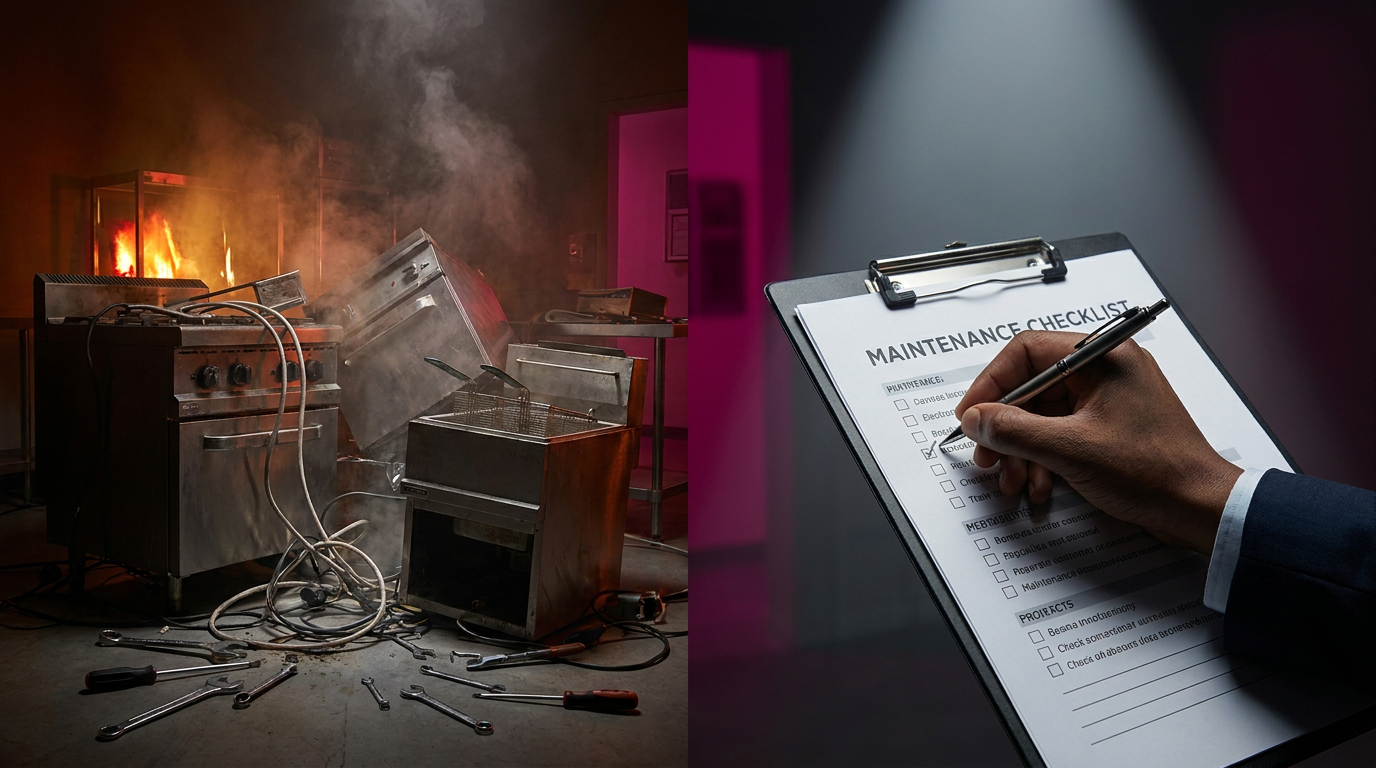
The benefits are quantifiable. Studies consistently show that a well-implemented PM programme can yield significant savings. For instance, a planned approach allows you to take advantage of Bulk Buy Discounts on spare parts and schedule work during off-peak hours to minimise disruption. This stands in stark contrast to the Proactive vs. Reactive Maintenance debate, where the latter is almost typically a losing proposition financially.
The table below illustrates the financial impact of reactive versus proactive maintenance approaches.
| Maintenance Factor | Reactive Approach (Breakdown) | Proactive Approach (Planned) | Source Insight |
|---|---|---|---|
| Repair Cost | High (Emergency rates, rush shipping) | Low (Standard rates, planned parts) | [COEL][1] |
| Asset Lifespan | Reduced by up to 50% | Extended by 25-40% | Industry Data |
| Downtime | Unplanned & Significant | Planned & Minimal | [HSE][2] |
| Budget Control | Poor (Unpredictable spending) | Excellent (Foreseeable costs) | Our Experience |
Ultimately, a proactive strategy provides control. It transforms maintenance from an unpredictable expense into a managed operational cost, Saving Time & Stress and ensuring your facilities remain safe, compliant, and fully functional.
Case Study: A Hypothetical Academy Trust Scenario
Challenge: A multi-academy trust was experiencing frequent classroom furniture failures and rising repair costs. Their reactive approach meant budgets were unpredictable, and classroom disruption was common, leading to a poor learning environment.
Solution: We worked with the trust to implement a proactive asset management plan. This involved an initial audit of all furniture across their schools, creating a scheduled maintenance and replacement cycle. Our “Design To Install We Do It All!” service managed the entire process.
Results: Within the first 18 months, the trust reported a 40% reduction in emergency repair requests and a 25% decrease in their annual maintenance budget. They were able to redirect these savings towards new educational resources.
Key Insight: Moving to a planned procurement model allowed the trust to use our Bulk Buy Discounts and Credit Accounts Or Pay Flexibly options, giving them far greater control over their long-term financial planning.
What Are the Most Common Maintenance Errors to Avoid?
Based on our 35+ years of experience and industry analysis, several recurring errors consistently undermine facility management efforts. Avoiding these common pitfalls is the first step towards a more effective and cost-efficient maintenance programme.
1. Neglecting Documentation
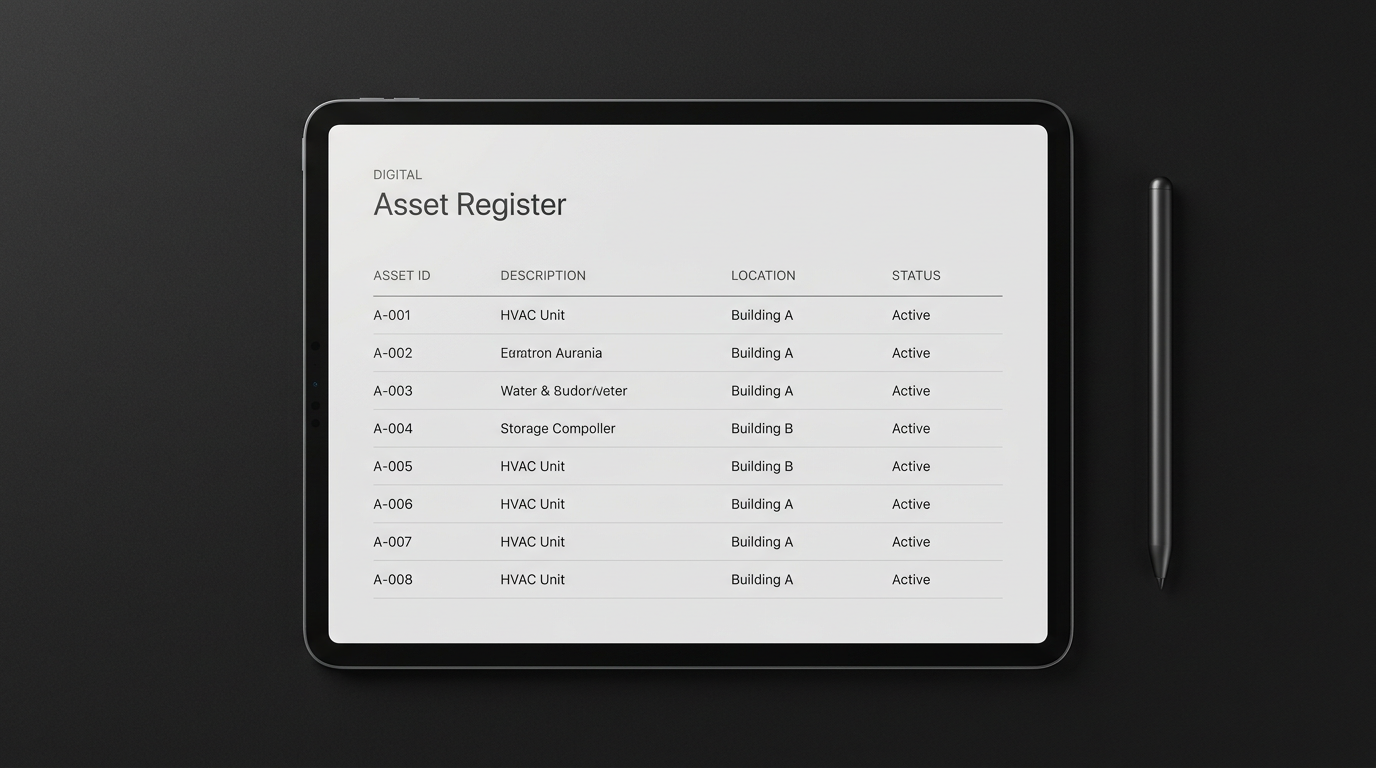
One of the most frequent mistakes is the failure to maintain accurate records. Without a detailed history of repairs, servicing, and inspections for each asset, it’s impossible to identify recurring problems, track warranty information, or plan for future needs. A simple asset register or a more advanced Computerised Maintenance Management System (CMMS) is crucial. A CMMS is a software solution that centralises maintenance information, making processes more efficient.
2. Deferring Minor Repairs
It’s tempting to ignore a slightly wobbly chair leg or a dripping tap, but these minor issues often escalate into major, more expensive problems. A culture that prioritises prompt attention to small faults can prevent significant damage and cost down the line. As a LinkedIn analysis of property maintenance points out, deferred issues almost typically cost more to fix later [3].
3. Inadequate Staff Training
Your maintenance team or designated staff members must be properly trained to not only perform repairs but also to identify early warning signs of equipment failure. A lack of training can lead to incorrect repairs, further damage, and serious Compliance and Safety breaches. The HSE stresses that human error, often stemming from insufficient training, is a major factor in maintenance-related accidents [2].
4. Poor Budgeting and Procurement
Failing to allocate a realistic budget for maintenance is setting your programme up for failure. Effective Budgeting and Procurement involves forecasting needs based on asset age and condition, not just reacting to the previous year’s spend. This is where a proactive approach allows you to plan purchases and secure better pricing.
By addressing these common errors, you can build a solid foundation for a maintenance strategy that protects your investments and supports your organisation’s goals.
Important Considerations
Before implementing a new maintenance strategy, it’s essential to weigh some practical limitations. The research and recommendations in this guide are based on broad industry best practices. However, every organisation is unique, and the data from sources like Forbes or COEL may represent averages that don’t perfectly align with your specific sector, whether it’s education, hospitality, or office management [1, 4]. Your operational intensity, equipment type, and existing infrastructure will all influence the outcome.
An alternative to a fully in-house proactive maintenance programme is a hybrid model or complete outsourcing. For many Small and Medium-sized Enterprises (SMEs), outsourcing to a specialised facilities management company can be more cost-effective than hiring and training a dedicated team. This approach provides access to expertise and resources without the overheads. However, it may offer less direct control over scheduling and priorities. We believe a balanced approach, where routine checks are done in-house and major works are outsourced, can offer an effective of both worlds.
If you are managing a large-scale facility, dealing with specialised equipment (e.g., commercial kitchens, science labs), or have complex Compliance and Safety requirements, we strongly recommend consulting with professionals. Experts can conduct a thorough site audit, help you select the right CMMS, and design a bespoke maintenance schedule. Our team at Cost Cutters UK offers this level of support through our “Design To Install We Do It All!” service, ensuring your plan is both practical and effective from day one.
A Strategic Approach to Avoiding Maintenance Mistakes
Ultimately, avoiding maintenance mistakes is not about performing flawless repairs every time; it’s about adopting a strategic framework that minimises failures in the first place. The key is to move away from a reactive, costly cycle and embrace a proactive, planned approach that prioritises documentation, training, and intelligent budgeting. This shift protects the value of your physical assets and, more importantly, ensures a safe and productive environment for your staff and customers. It’s a long-term investment in operational stability.
Ready to transform your facility management? With over 35 years of experience and a service Rated Excellent On Trustpilot, we’re here to help. From initial planning to full implementation, our comprehensive service simplifies the process. Explore our range of commercial furniture or learn more about our space planning services. For tailored advice, book a free consultation with our expert team today and discover how we can help you save time, reduce stress, and optimise your maintenance budget.
Frequently Asked Questions (FAQ)
What is the biggest mistake in facility maintenance?
The single biggest mistake is operating in a purely reactive mode, only fixing equipment when it breaks. This “run-to-fail” approach leads to higher costs, unexpected downtime, and increased safety risks. A proactive strategy is almost typically more cost-effective in the long run.
How can avoiding maintenance mistakes improve safety?
Avoiding maintenance mistakes directly enhances safety by ensuring equipment is in good working order and meets regulatory standards. Proactive checks identify potential hazards like worn electrical cords or unstable furniture before they can cause an accident, ensuring full Compliance and Safety as mandated by bodies like the HSE.
What is the difference between reactive and preventative maintenance?
Reactive maintenance addresses failures after they occur, while preventative maintenance aims to stop them from happening. The Proactive vs. Reactive Maintenance choice is clear: reactive is unplanned and disruptive, whereas preventative involves scheduled inspections and servicing to maintain equipment reliability and prevent unexpected breakdowns.
How much should a business budget for maintenance?
A common guideline is to budget 1-3% of a building’s total replacement value for annual maintenance. However, this can vary significantly based on the age and condition of the facility and the type of equipment within it. A detailed asset audit will provide a more accurate figure for your specific needs.
Is it better to have an in-house team or outsource maintenance?
This depends on the scale and complexity of your operations; many businesses find a hybrid model most effective. An in-house team can handle daily checks and minor repairs, while specialised tasks or larger projects are outsourced to experts. This balances cost-effectiveness with access to specialised skills when needed.
What is a Computerised Maintenance Management System (CMMS)?
A CMMS is software designed to centralise and automate maintenance management, tracking work orders, assets, and inventory. It provides the data needed for effective planning, scheduling, and budgeting, moving you away from unreliable paper-based systems and spreadsheets. It’s a powerful tool for any serious maintenance programme.
How does poor maintenance affect asset lifespan?
Poor maintenance significantly shortens the useful life of an asset, sometimes by as much as 50%. Neglecting simple tasks like cleaning, lubrication, and adjustments is associated with components to wear out faster, leading to premature failure and forcing you to bear the cost of early replacement.
What are key performance indicators (KPIs) for maintenance?
Key KPIs include Mean Time Between Failures (MTBF), planned maintenance percentage, and schedule compliance. These metrics help you measure the effectiveness of your maintenance programme, identify areas for improvement, and demonstrate the Return on Investment (ROI) of your proactive efforts.
How can we ensure Compliance and Safety in our maintenance plan?
Ensuring compliance involves regular risk assessments, adherence to HSE guidelines, and comprehensive documentation of all maintenance activities. Staff must be trained on safety protocols, and all work should be performed to recognised standards. Using certified professionals for specialised equipment is also crucial.
What are the first steps to creating a proactive maintenance strategy?
The first step is to conduct a complete inventory and condition assessment of all your key assets. From there, you can prioritise equipment based on criticality, review manufacturer-recommended service intervals, and start building a schedule for regular inspections. This forms the foundation of your entire proactive plan.
References
- COEL (2023), Analysis of commercial maintenance costs, highlights that reactive repairs introduce significant operational downtime.
- Health and Safety Executive (HSE) (Ongoing), Guidance on maintenance error, indicates that human factors and poor planning are major contributors to workplace accidents.
- LinkedIn (2024), A professional article on property maintenance, notes that deferring minor repairs consistently leads to higher long-term costs for UK landlords and property managers.
- Forbes (2023), A review of common maintenance errors, provides insights into preventative tasks that can avoid costly future repairs.
- Precision FM (2022), A guide on grounds maintenance, outlines common oversights such as improper tool use and inconsistent scheduling that degrade asset value.
Conclusion
Key Takeaways and Next Steps
In summary, avoiding maintenance mistakes is not merely about fixing what’s broken; it’s a strategic imperative that safeguards assets, ensures safety, and optimises budgets. By shifting from a reactive to a proactive mindset, documenting processes thoroughly, and investing in regular training, organisations can prevent minor issues from escalating into costly failures. Embracing a culture of preventative care protects your bottom line and enhances operational resilience.
Ready to build a robust maintenance strategy for your facility? The experts at Costcutters UK can help. We provide high-quality commercial furniture and equipment designed for longevity, alongside expert advice to help you implement a maintenance plan that saves you money in the long run. Contact us today to learn how we can support your operational goals.