Weatherproof vs. All-Weather Furniture: A Procurement Guide for UK Organisations
🎯 Key Takeaway
The core distinction in the weatherproof vs all-weather furniture debate is that ‘weatherproof’ furniture resists specific elements like rain, whereas ‘all-weather’ furniture is engineered to withstand the entire spectrum of UK climate challenges year-round, from frost and UV rays to persistent damp.
• Weatherproof often implies water resistance but may still require covering or winter storage to prevent degradation from frost and UV.
• All-weather materials like HDPE lumber or marine-grade polymer offer superior longevity, minimal maintenance, and a lower total cost of ownership.
• For high-traffic UK public and commercial spaces, ‘all-weather’ is the recommended investment for durability, safety compliance, and long-term value.This guide provides the critical information for procurement managers to make a smart, budget-conscious decision.
Making the wrong choice in outdoor furniture isn’t just an inconvenience; it’s a significant financial drain for UK organisations. As of June 2026, the unpredictable UK Climate, with its average of 156 rainy days a year according to the Met Office, demands more than just a ‘weather-resistant’ label. The decision between weatherproof vs all-weather furniture is a critical procurement choice that directly impacts your budget, user safety, and your organisation’s public image. Choosing poorly leads to warped wood, rusted metal, and cracked plastic, resulting in annual replacement cycles and wasted resources. This guide is designed to provide B2B buyers – from school business managers to office procurement teams – with the clarity needed to invest wisely in durable outdoor furniture for UK weather.
Written by: Content Team | Reviewed by: Editorial Team, Industry Specialists with 35+ Years Experience; Rated Excellent On Trustpilot
ℹ️ Transparency Disclosure: This article explores outdoor furniture suitability for UK commercial use based on our 35 years of industry experience and material science research. Some links may connect to our services. All information is verified by our editorial team to ensure accuracy and relevance for procurement professionals.
Defining the Terms: The Real Difference in Weatherproof vs All-Weather Furniture
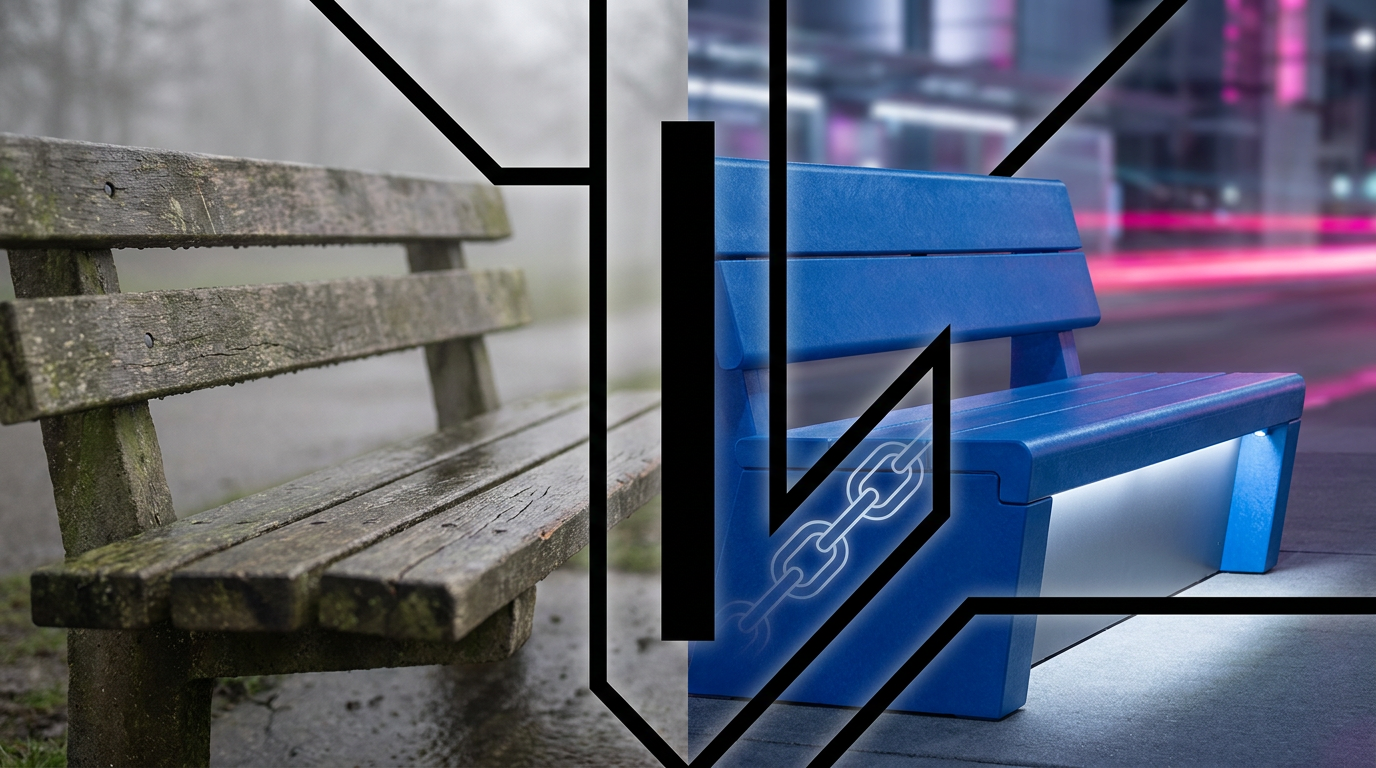
The most important thing to understand is that ‘weatherproof’ and ‘all-weather’ are not interchangeable terms in a commercial procurement context. The difference in the weatherproof vs all-weather furniture discussion is one of resistance versus endurance. Weatherproof furniture is designed to resist specific elements, much like a showerproof jacket keeps you dry in a light drizzle. It can handle some rain but may still be vulnerable to the UK’s harsh freeze-thaw cycles or the degrading effects of UV radiation. This often means it requires covering or winter storage, adding to staff workload.
All-weather furniture, in contrast, is engineered to endure the full spectrum of climatic conditions, 365 days a year. Think of it less like a jacket and more like a submarine; it’s built from the material level up to be impervious to the elements it lives in. This brings us to another key distinction: waterproof vs weatherproof. Waterproof means a material is completely impervious to water penetration. All-weather furniture often uses fundamentally waterproof materials, like High-Density Polyethylene (HDPE), which is a solid, non-porous recycled plastic. Weatherproof items, however, might just have a surface coating that can wear off, get scratched, or fail over time, exposing the vulnerable material beneath.
For any UK organisation looking at a 5-10 year asset lifecycle, ‘all-weather’ is the only term that may help performance without mandating costly maintenance or storage programmes.
Material Science for the UK Climate: Which Materials Truly Endure?
Choosing the right material is the single most important factor for longevity. Generic advice often fails because it doesn’t account for the unique challenges of the UK: persistent damp, freeze-thaw cycles that can shatter brittle materials, and surprisingly strong UV rays.
High-Density Polyethylene (HDPE), a robust and heavy recycled plastic, is a standout choice. Technical data from the British Plastics Federation shows that HDPE has exceptionally low water absorption and is stabilised against UV light. This means it won’t rot, splinter, or fade, making it the best material for outdoor furniture in rain and damp conditions. It’s why we see it used so often for durable garden furniture for schools.
Powder-coated aluminium is another excellent option. Unlike steel, aluminium does not rust, a critical advantage in our climate. Data from material science databases like Azom.com indicates its superior corrosion resistance. It’s lightweight yet strong, making it effective for moveable seating.
In contrast, materials that seem like a good deal can become a liability. Powder-coated steel is strong, but once that coating is scratched – a near certainty in a public or school setting – rust will quickly set in and compromise the structure. Likewise, hardwoods like teak, while beautiful, require a significant maintenance commitment of annual sanding and oiling to prevent them from turning grey and weathering poorly in UK damp.
Here’s how the materials stack up for commercial use:
| Material | Suitability for UK Climate | Typical Lifespan (Commercial Use) | Maintenance Level | Total Cost of Ownership (TCO) Index |
|---|---|---|---|---|
| HDPE Recycled Plastic | Excellent | 20+ years | Very Low (occasional wash) | Low |
| Powder-Coated Aluminium | Excellent | 15+ years | Very Low (check for scratches) | Low-Medium |
| Hardwood (e.g., Teak) | Fair to Good | 10-15 years | High (annual oiling/sanding) | High |
| Powder-Coated Steel | Poor to Fair | 3-7 years | Medium (constant checks for rust) | Very High |
| Softwood (Pressure Treated) | Poor | 2-5 years | High (annual sealing/staining) | Very High |
Sector-Specific Needs: Choosing for Schools, Offices, and Public Spaces
The right choice of furniture doesn’t just depend on the weather; it depends on the user. Different sectors have vastly different requirements for their commercial outdoor furniture UK.
For education, particularly primary schools and nurseries, the focus must be on safety and durability. This is where school outdoor seating made from HDPE plastic excels. It doesn’t splinter like wood, has rounded edges, and can be supplied in bright, engaging colours. Crucially, reputable suppliers ensure their products meet BS EN 581, the European standard for contract-grade outdoor furniture that certifies its strength and stability. This isn’t just a recommendation; it’s a key part of your duty of care. Investing in durable garden furniture for schools from the outset prevents accidents and future replacement costs.
Office environments have a different goal: creating functional and inviting durable outdoor breakout furniture. These spaces are an extension of the company’s brand and a crucial part of employee wellbeing. Here, aesthetics and comfort join durability on the list of priorities. Aluminium-framed furniture with all-weather fabric cushions provides a professional look that can withstand a sudden downpour. It communicates that the company invests in quality and cares for its staff.
Public spaces – parks, town centres, and transport hubs – face the unique challenge of potential vandalism and theft. Furniture for these areas must be incredibly robust and secure. This means specifying heavy materials like recycled plastic or concrete, and ensuring products have options for secure ground-fixing. Ease of cleaning is also paramount, with non-porous surfaces being easier to wipe clean of graffiti.
The Procurement Perspective: Total Cost of Ownership vs. Upfront Price
For any procurement manager or school business manager, the budget is king. However, focusing solely on the initial purchase price is a common and costly mistake. The smarter metric is Total Cost of Ownership (TCO), a concept that evaluates the entire lifecycle cost of an asset. Total Cost of Ownership (TCO) is a financial estimate intended to help buyers determine the direct and indirect costs of a product or system.
The formula is simple:
TCO = Initial Price + (Annual Maintenance Costs x Lifespan) + Replacement Costs
Consider this typical scenario: a school needs ten outdoor benches.
- Option A (Weatherproof Softwood): £200 per bench. Initial Cost: £2,000.
- Annual maintenance (sanding, staining, repairs): £500.
- Expected lifespan in a school environment: 4 years.
- 10-Year TCO = £2,000 (initial) + £4,000 (replacements after years 4 & 8) + £5,000 (maintenance) = £11,000
- Option B (All-Weather HDPE): £600 per bench. Initial Cost: £6,000.
- Annual maintenance (jet wash): £50.
- Expected lifespan: 20+ years.
- 10-Year TCO = £6,000 (initial) + £0 (replacements) + £500 (maintenance) = £6,500
In this example, the “cheaper” option ends up costing almost twice as much over a decade. This doesn’t even factor in the staff time spent on maintenance or the safety risks of splintering wood. Opting for genuine low maintenance commercial outdoor furniture frees up thousands of pounds and valuable staff hours. It’s a core principle behind our “Design To Install We Do It All!” service – we focus on providing long-term value, not just a short-term sale.
Case Study: A Hypothetical School Scenario
- Challenge: A multi-academy trust in the North of England was spending over £15,000 annually across its 8 schools to replace and repair wooden picnic benches that were rotting and splintering after just two seasons. This presented both a budget drain and a safety hazard for pupils.
- Solution: We worked with the trust to implement a phased replacement programme. They invested in all-weather picnic tables made from 100% recycled HDPE plastic, chosen for its durability and zero maintenance requirements. Our “Design To Install We Do It All!” service managed the entire process.
- Results: The trust eliminated its £15,000 annual replacement and repair budget line. Over the first three years, the trust reported a net saving of over £25,000 after accounting for the initial investment. Staff also reported zero hours spent on furniture maintenance.
- Key Insight: By shifting focus from upfront price to Total Cost of Ownership, the trust converted a recurring expense into a one-time capital investment with a clear long-term return.
Frequently Asked Questions About Commercial Outdoor Furniture
What is the difference between weatherproof vs all-weather furniture?
The essential difference in the weatherproof vs all-weather furniture debate is endurance versus resistance. ‘Weatherproof’ products may resist rain but often fail under UV and frost exposure, requiring storage. ‘All-weather’ furniture is constructed from materials that are fundamentally impervious to the entire range of UK weather, allowing it to be left outside year-round without damage or significant maintenance, representing a much better long-term investment.
What is an effective material for outdoor furniture in the UK rain?
For persistent rain and damp, non-porous materials like HDPE recycled plastic and powder-coated aluminium are superior. These materials do not absorb water, meaning they are immune to the rot, mould, and rust that plague wood and steel in the UK. This makes them the top choices for true low-maintenance outdoor furniture that needs to perform day in, day out.
Can you leave all-weather furniture outside all year in the UK?
Yes, you can and should be able to leave genuine all-weather furniture outside all year. It is specifically designed and constructed with materials that withstand the full cycle of UK seasons, from summer UV radiation and heavy rain to winter frosts and snow. This ‘leave and forget’ quality is what defines true all-weather performance and delivers the lowest total cost of ownership.
How do I maintain commercial outdoor furniture?
Maintenance is almost entirely dependent on the material you choose. True all-weather furniture made from HDPE plastic or aluminium typically requires nothing more than an occasional wash with soap and water to remove surface dirt. In contrast, wooden furniture demands annual sanding and oiling, while steel may require frequent paint touch-ups to prevent rust, creating significant ongoing labour costs.
Is weatherproof furniture good enough for a school playground?
While it seems like a budget-friendly option, ‘weatherproof’ furniture is rarely sufficient for a high-use school environment. These products often fail to meet the durability and safety demands of a playground, leading to splinters, breakages, and frequent replacement. All-weather options are a safer, more robust, and ultimately more cost-effective long-term solution for school outdoor seating.
What does BS EN 581 mean for outdoor furniture?
BS EN 581 is the European standard that certifies the safety, strength, and durability of outdoor seating and tables for commercial use. It is a critical benchmark for procurement professionals, as it indicates the product has passed rigorous testing for stability and load-bearing capacity. Seeing this certification provides peace of mind that the furniture is fit for purpose in a public or business setting, and we ensure our products meet our commitment to UK and EU safety standards.
How can I protect outdoor furniture from theft or vandalism?
an effective strategies are choosing heavy items and securing them properly. All-weather furniture made from solid recycled plastic is naturally very heavy and difficult to move. For added security, we recommend choosing products that have pre-drilled holes for ground fixing bolts, allowing them to be permanently anchored to concrete or paving slabs. Durable materials also inherently resist casual vandalism better than flimsy alternatives.
What is HDPE lumber and why is it good for outdoor furniture?
High-Density Polyethylene (HDPE) lumber is a solid, heavy-duty recycled plastic material that is coloured all the way through. It’s an effective material for the UK climate because it’s completely impervious to water, meaning it will rarely rot, swell, or splinter. Because the colour is integral to the material, it rarely needs painting or staining and won’t show scratches, making it exceptionally low-maintenance.
Is aluminium or steel better for commercial outdoor furniture in the UK?
Powder-coated aluminium is almost typically the superior choice for the damp UK climate. Its key advantage is that it does not rust, even if the surface is scratched. Steel, although very strong, is highly susceptible to corrosion. Once its protective powder coating is breached, rust will form quickly, compromising both the appearance and structural integrity of the furniture.
What is the difference between waterproof and weatherproof?
‘Waterproof’ is an absolute term, while ‘weatherproof’ is a relative one. A material that is waterproof, like a plastic bag or HDPE, will not allow water to penetrate it at all. A weatherproof item can resist water penetration to a certain degree, like a treated fabric, but may become saturated after prolonged exposure and offers little protection against other elements like frost or UV rays.
Important Considerations
This guide is based on material properties and performance in typical UK commercial settings. Extreme conditions, specific local microclimates (such as coastal areas with high salt content in the air), or exposure to harsh chemicals may alter performance. Lifespan estimates assume correct installation and adherence to manufacturer guidelines. Typically check the specific warranty offered for commercial use.
While this article focuses on the weatherproof vs. All-weather distinction, other factors like ergonomics, aesthetic design, modularity, and supplier support are also crucial. Some organisations may prioritise these other factors or choose a hybrid approach, using all-weather frames with replaceable, easy-to-store cushions. For cushions and other fabric items, consider using secure Asgard outdoor storage solutions.
For large-scale projects, or those with complex safety and accessibility requirements (e.g., Special Educational Needs schools, public parks), we strongly recommend a professional site assessment. An expert can help you specify the correct fixings, ensure compliance with all relevant standards, and optimise the layout for your specific needs, “Saving Time & Stress” in the long run.
Making the Smart Long-Term Investment for Your UK Space
Ultimately, the weatherproof vs all-weather furniture decision is a strategic one about long-term value. While ‘weatherproof’ options may entice with a lower initial cost, our experience and the data clearly show that true ‘all-weather’ furniture offers a significantly lower total cost of ownership, superior durability, and enhanced safety for UK schools, businesses, and public organisations. Opting for low maintenance commercial outdoor furniture is an investment that pays dividends for years by freeing up valuable budget and staff time. This is why we offer Bulk Buy Discounts and flexible payment options like Credit Accounts Or Pay Flexibly.
With over 35 years of experience and being Rated Excellent On Trustpilot, we’ve seen which materials last and which ones fail. If you’re planning an outdoor project for your organisation, our specialists can provide tailored advice for your specific environment, user needs, and budget. To ensure your investment stands the test of time, Book a Free Space Planning Consultation today.
References
- Met Office – UK Climate – Governmental Data Portal. Provides baseline data on UK average rainfall, sunshine hours, and temperature extremes used to inform material suitability.
- British Plastics Federation – Polymer Properties – Industry Association Publication. Technical data on the properties of HDPE, including its resistance to water absorption and UV degradation.
- Azom.com – Material Comparison – Material Science Database. Comparative data on corrosion rates and tensile strength of aluminium, steel, and other metals in various environments.
- BSI Group – Standards Publication – Standards Body Documentation. Official documentation for BS EN 581 parts 1, 2, and 3, outlining testing procedures for safety, strength, and durability.
- Facilities Management Journal – TCO in Procurement – Trade Publication Article. Articles discussing the principles of Total Cost of Ownership (TCO) For public and commercial asset procurement.
Conclusion
Making the Smart Long-Term Investment for Your UK Space
In summary, the weatherproof vs all-weather furniture decision is a strategic one that hinges on long-term value over short-term savings. Our analysis shows that while ‘weatherproof’ items may seem like a bargain, true ‘all-weather’ commercial outdoor furniture uk offers a demonstrably lower total cost of ownership. For any UK organisation grappling with budget constraints and high standards for safety and appearance, the choice is clear. An investment in materials engineered to endure the full spectrum of the UK climate is an investment in operational efficiency, brand integrity, and peace of mind.
At Costcutters UK, our 35 years of experience have shown us which materials last and which ones fail under the pressures of commercial use