Ergonomic Furniture and Wellbeing: A UK Manager’s Guide to Designing Healthy Spaces
🎯 Key Takeaway
Investing in ergonomic furniture and wellbeing is a strategic decision that directly reduces physical strain, absenteeism, and long-term health risks while boosting productivity and focus in both office and educational settings. This guide provides UK managers with a practical framework for selecting, procuring, and implementing the right ergonomic solutions. Ergonomic furniture is scientifically designed to support the human body, reducing musculoskeletal disorders (MSDs), and in offices, it is key to meeting legal duties of care under UK DSE regulations. For schools, ergonomic classroom furniture can improve student concentration, behaviour, and academic engagement.
As of May 2026, UK organisations are increasingly recognising that furniture is not just a capital expense but a strategic asset. For managers in both corporate offices and educational institutions, a focus on ergonomic furniture and wellbeing is a direct investment in the performance and health of their people. This isn’t just about comfort; it’s about creating environments that actively support focus, reduce health risks, and fulfil legal obligations. The procurement process, however, can be complex. That’s why, with over 35 years of experience providing complete furniture solutions for education and business, we’ve created this guide to demystify the process, covering the science, practical applications, and a procurement playbook to help you make an effective choices for your team or students.
Written by: Cost Cutters UK Content Team | Reviewed by: Cost Cutters UK Editorial Team, 35+ Years Experience; Rated Excellent On Trustpilot
Last updated: 23 May 2026
ℹ️ Transparency Disclosure: This article explores the connection between ergonomic furniture and organisational wellbeing based on industry research and our 35+ years of experience in furniture procurement for UK businesses and schools. This content is for informational purposes. For specific medical or complex legal advice, please consult a qualified professional. A full Transparency and Disclosure of our accreditations is available on our site.
What is the Science Behind Ergonomic Furniture and Wellbeing?
Yes, there is a clear scientific link between ergonomics and performance. Ergonomics, which is the science of designing environments and products to fit the user, directly impacts physical health, cognitive focus, and productivity. When furniture is not aligned with the user’s body, it forces unnatural postures, leading to physical stress and distraction.

The primary physical benefit is the reduction of Musculoskeletal Disorders (MSDs). Data from the Health and Safety Executive (HSE) (2023) shows that work-related MSDs are a leading cause of lost working days in Great Britain, accounting for millions of hours of lost productivity. Properly designed ergonomic furniture supports a neutral posture, which minimises strain on the spine, neck, and joints.
Cognitively, the benefits of ergonomic furniture are equally significant. When a person is not fighting physical discomfort, they have more mental resources available for their tasks. Research from sources like Open Access Government (2024) highlights that comfortable employees are more engaged and less prone to fatigue-related errors. This improved focus is a cornerstone of workplace wellbeing furniture and translates directly into better quality work and higher output. In short, investing in ergonomics isn’t a perk; it’s a data-backed strategy for a healthier, more productive organisation.
How Can Managers Provide Ergonomic Furniture and Wellbeing in the UK Office?
The most effective way for managers to provide ergonomic furniture and wellbeing in the office is by creating a compliant, user-centric workstation for every employee. This involves providing adjustable furniture that meets the legal requirements of the UK’s Health and Safety (Display Screen Equipment) Regulations 1992 (DSE Regulations). These regulations are not optional; they are a legal duty of care for any employee who uses DSE (like computers) for a significant part of their day.
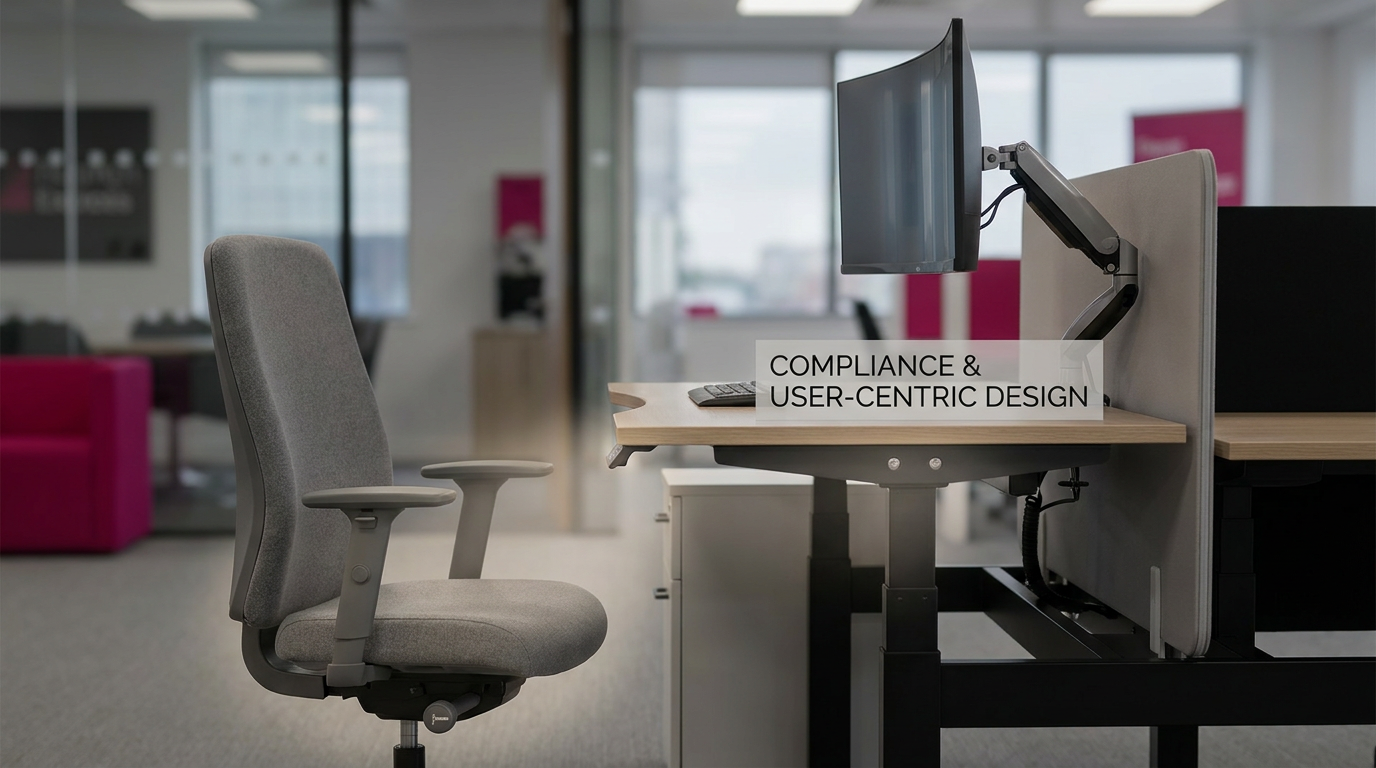
A compliant workstation typically includes:
- A fully adjustable chair: This is the cornerstone of an ergonomic setup. Look for features like adjustable seat height, backrest angle and height, and armrest positioning.
- A suitable desk: The desk must be large enough for all equipment and allow the user to sit with a comfortable posture. Sit-stand desks are an excellent option for encouraging movement throughout the day.
- Adjustable monitor arms: These allow the screen to be positioned at the correct height and distance, preventing neck and eye strain.
- Accessories: Items like footrests and ergonomic mice can provide additional support where needed.
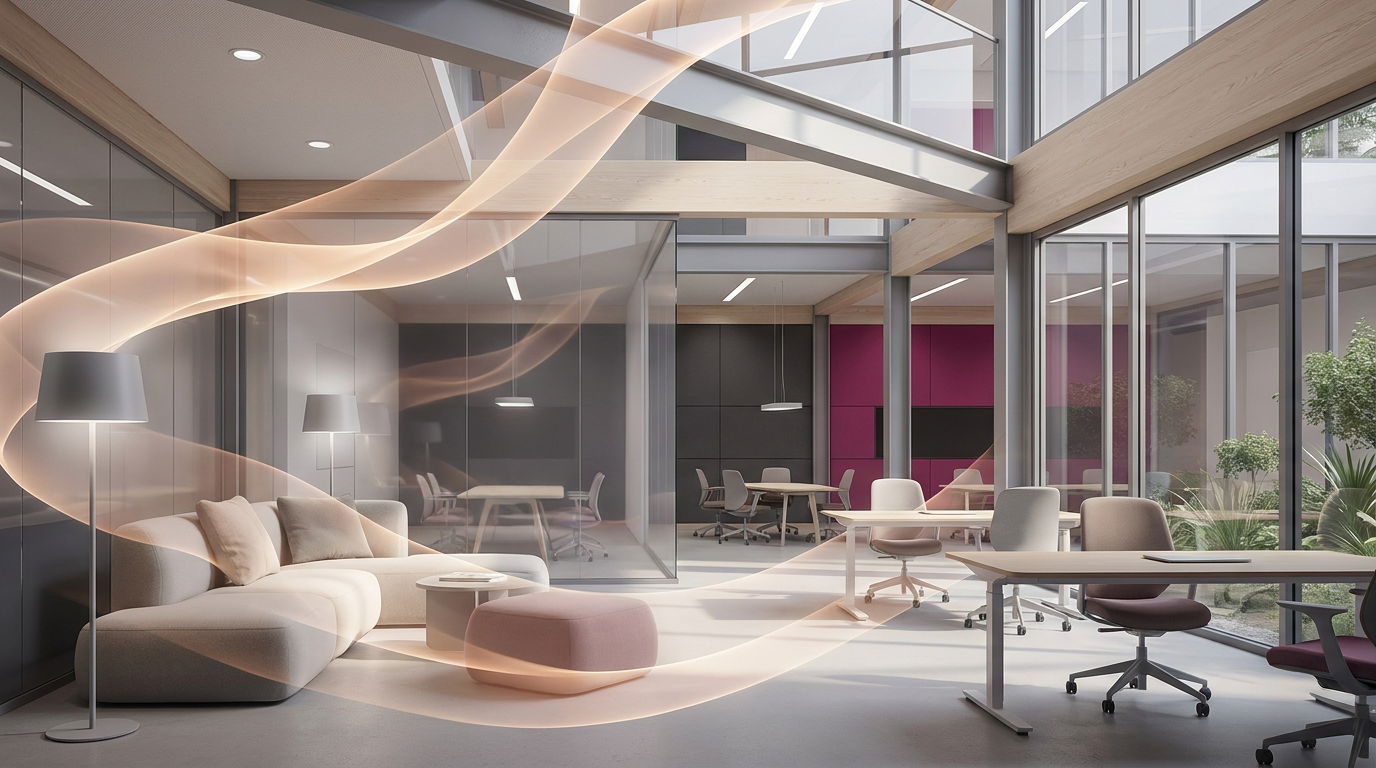
Beyond the individual desk, the modern office requires a holistic approach. This includes providing well-designed breakout areas with comfortable ergonomic breakout furniture that allows staff to relax, collaborate informally, and move away from their desks. This variety contributes significantly to overall workplace wellbeing furniture strategy and employee satisfaction. Our “Design To Install We Do It All!” service helps organisations plan these dynamic spaces from start to finish, Saving Time & Stress.
### Case Study: A Typical SME Scenario
Challenge: A Midlands-based tech firm with 75 employees noticed a 15% increase in short-term sick leave over 12 months, with many complaints citing back and neck pain. Their existing one-size-fits-all furniture was over eight years old.
Solution: The firm partnered with us to conduct a workplace assessment. They invested in fully adjustable ergonomic office furniture UK-compliant chairs for all staff and 20 sit-stand desks for a hot-desking area, based on our recommendations.
Results: Within a year, reported MSD-related absences fell by 60%. An internal survey showed an 85% improvement in self-reported daily comfort and a 25% perceived increase in personal productivity.
Key Insight: The initial outlay for ergonomic furniture was offset within 18 months by the reduction in absenteeism and the associated productivity gains.
How Can Schools Implement Ergonomic Furniture and Wellbeing in the Classroom?
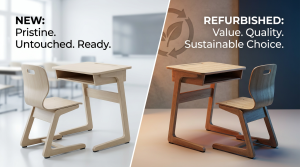
Yes, schools can significantly boost student focus and wellbeing by implementing furniture designed for children’s bodies. Unlike adults, students are constantly growing, making correctly sized furniture even more critical. The key is to move away from the ‘one-size-fits-all’ mentality and adopt furniture that adheres to BS EN 1729, the European standard specifying dimensions for chairs and tables for educational institutions. This standard ensures furniture is the correct height and size for different age groups, promoting good posture from a young age.
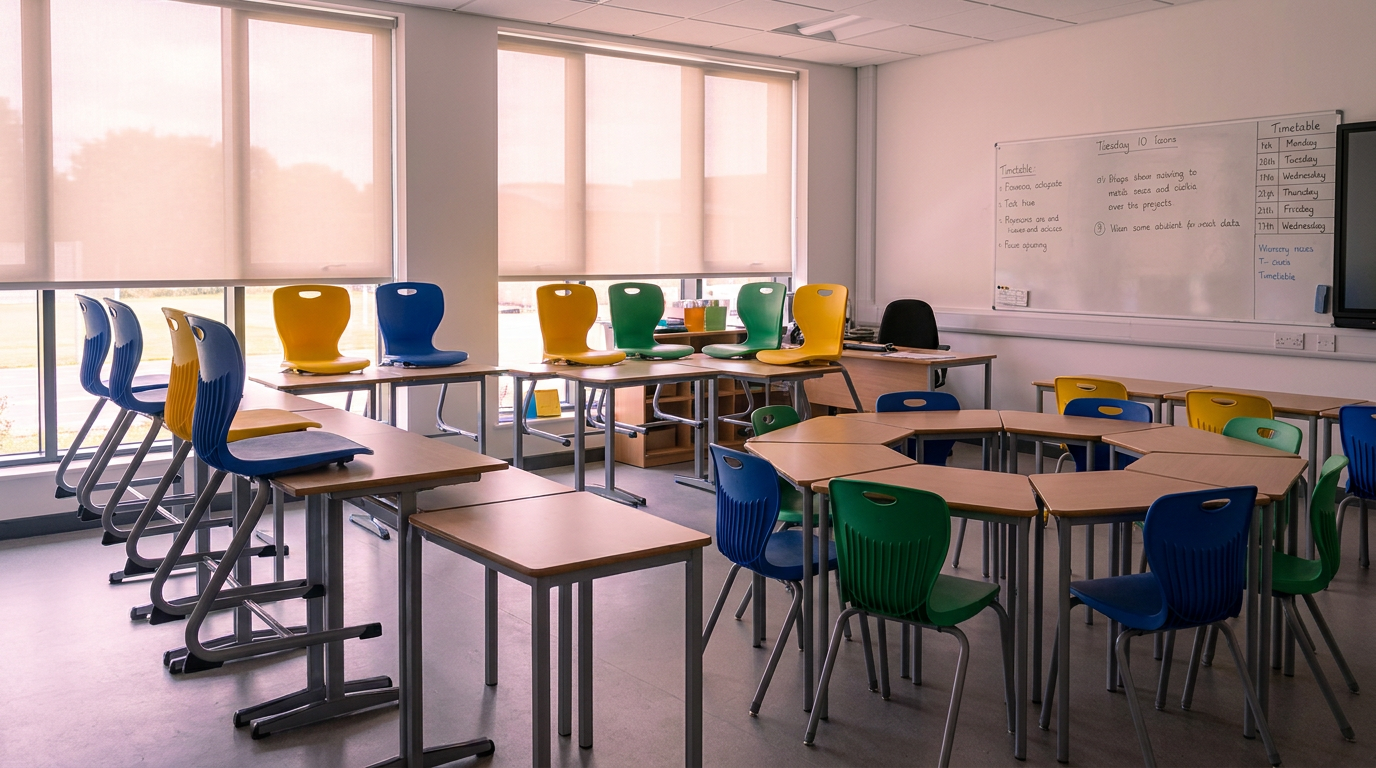
When a child is comfortable, they fidget less and can concentrate more effectively on the lesson. This is a core principle of designing healthy learning spaces. Flexible ergonomic classroom furniture, such as height-adjustable tables and chairs on castors, allows teachers to quickly reconfigure a room for different activities, supporting modern pedagogical approaches like group work and individual study.
Also, showing a clear commitment to student welfare can be a positive factor in assessments from Ofsted (The Office for Standards in Education, Children’s Services and Skills), which considers the overall wellbeing and personal development of pupils. Investing in appropriate furniture is a tangible way to demonstrate this commitment, creating an environment where students feel supported and can learn effectively.
Beyond the Desk: Ergonomics in Libraries and Common Areas
Creating healthy learning spaces doesn’t stop at the classroom door. Libraries, common rooms, and sixth-form study areas are crucial parts of the student experience. In these spaces, a variety of seating options can support different types of learning and relaxation. Think soft seating for reading, collaborative booths for group projects, and individual study carrels for focused work.
For students with Special Educational Needs (SEN), carefully chosen furniture can be transformative. This might include chairs that provide extra postural support, weighted lap pads, or wobble cushions. By applying ergonomic principles throughout the entire campus, schools can create a truly inclusive and supportive environment that caters to the diverse physical and neurological needs of all students. It’s about providing the right tools for every learner, in every space.
What is The Procurement Playbook for Ergonomic Furniture and Wellbeing?
Procuring the right furniture requires a strategic approach, not just a focus on the lowest initial price. In our experience, managers who successfully implement ergonomic furniture and wellbeing programmes follow a clear process. This ensures they get an effective long-term value and meet all compliance needs.
Our advice is to follow these four key steps:
- Build the Business Case: Don’t start with a product catalogue. Start with the ‘why’. Use data on absenteeism, productivity, and employee/student feedback to justify the investment. Frame it as a solution to a business problem (e.g., reducing sick days) or a strategic goal (e.g., improving student attainment). The analysis from sources like Quills Interiors (2023) can provide useful data points on productivity boosts to include in your case.
- Budget for Value, Not Just Cost: A £99 chair that fails in 18 months and is associated with back pain is more expensive than a £200 chair that lasts 10 years and keeps your staff healthy. Budget on a ‘cost-per-year’ basis and factor in the return on investment from improved productivity and reduced absence. We offer Bulk Buy Discounts and flexible payment options, including Credit Accounts Or Pay Flexibly, to help make quality furniture more accessible.
- Insist on Compliance: This is non-negotiable. For offices, ensure all relevant ergonomic office furniture UK meets DSE standards. For schools, all ergonomic classroom furniture must conform to BS EN 1729. Also, all contract furniture must meet UK Fire Safety regulations. A reputable supplier will provide certification for all these standards. Checking our UK safety and quality accreditations is a good step.
- Specify Your Needs Clearly: When going to tender or getting quotes, be specific. Don’t just ask for ’50 chairs’. Specify ’50 task chairs compliant with DSE Regulations, with adjustable height, back tilt, and armrests, suitable for 8-hour use’. The more specific you are, the better the outcome.
| Furniture Type | Key Ergonomic Feature | Typical Price Range (£) | Primary Environment |
|---|---|---|---|
| Ergonomic Task Chair | Multi-point adjustability (seat, back, arms) | £150 – £450 | Office / Staff Room |
| Sit-Stand Desk | Electric or manual height adjustment | £300 – £800 | Office / Classroom |
| BS EN 1729 Chair | Size-marked for specific age groups | £25 – £60 | School Classroom |
| Monitor Arm | Gas-spring or manual height/depth adjustment | £50 – £150 | Office / IT Suite |
| Collaborative Booth | High back for acoustic and visual privacy | £800 – £2,500 | Breakout / Library |
Important Considerations
Ergonomic furniture is a powerful tool, but it isn’t a magic bullet. Its effectiveness is maximised when it’s part of a broader wellbeing strategy. This must include proper user training on how to adjust their chair, desk, and screen to fit their body. Simply providing the equipment without the knowledge is only doing half the job. Encouraging regular movement and breaks away from the desk is also vital.
You should also consider complementary approaches to create a truly healthy environment. This includes assessing and improving workplace or classroom layouts, optimising lighting to reduce eye strain, managing acoustics to aid concentration, and implementing wellbeing programmes that encourage healthy behaviours. These elements work in concert with good furniture to create a holistic system of support.
For complex cases, such as employees with pre-existing medical conditions or students with specialised SEN requirements, professional consultation is often an effective path. We recommend involving a qualified ergonomist or occupational health professional. Our team is experienced in working alongside these experts to ensure the specified furniture solution meets their precise clinical recommendations.
Frequently Asked Questions about Ergonomic Furniture and Wellbeing
What is ergonomic furniture and wellbeing?
Ergonomic furniture and wellbeing refers to designing workspaces and learning environments with furniture that supports the user’s physical and mental health. This approach reduces strain and discomfort, which in turn boosts focus, productivity, and overall job or school satisfaction. It’s about creating a supportive environment, not just filling a room with desks and chairs.
How does ergonomic furniture work?
It works by adapting to the individual user’s body, rather than forcing the user to adapt to the furniture. Through adjustable features like seat height, back support, and desk height, ergonomic furniture allows a person to maintain a neutral, healthy posture. This minimises physical stress on muscles and joints, reducing fatigue and the risk of long-term injury.
What are the main benefits of ergonomic furniture?
The primary benefits are improved health, increased productivity, and enhanced morale. By reducing physical strain, it lowers the risk of costly musculoskeletal disorders. With discomfort minimised, employees and students can focus better for longer periods. Finally, investing in quality furniture shows people they are valued, which can significantly improve satisfaction and retention.
How much does ergonomic furniture and wellbeing typically cost?
The cost varies widely, but it should be viewed as a long-term investment. A compliant, durable ergonomic office chair might start around £150, while a sit-stand desk could be £300 or more. While the upfront cost is higher than standard furniture, the return on investment through reduced absenteeism and increased productivity often provides a payback period of less than two years.
Is ergonomic furniture and wellbeing suitable for small businesses?
Yes, it is arguably even more critical for small and medium-sized enterprises (SMEs). In a smaller team, the impact of even one employee being off sick is felt much more keenly. Investing in the health of your team from the outset is a cost-effective way to protect your most valuable asset – your people. Scalable solutions and flexible payment options make it accessible for most budgets.
What are the risks or limitations?
The main limitation is that the furniture is only effective if used correctly. A highly adjustable chair provides no benefit if the user doesn’t know how to set it up for their body. This is why any ergonomic rollout should be accompanied by simple training guides or brief workshops to ensure everyone gets the full benefit from the investment.
How do you choose ergonomic office furniture?
Focus on three key criteria: adjustability, durability, and compliance. The chair should adjust to fit the user, not the other way around. Look for products with a long warranty that are certified for contract use. Most importantly, for DSE users, the furniture must allow you to meet your legal obligations under UK regulations.
What should I look for when choosing ergonomic classroom furniture?
The most important factor is ensuring the furniture is the correct size for the age group using it. Look for products that clearly state their compliance with BS EN 1729 and specify the relevant size mark. Also, consider durability and ease of cleaning. For older students, some level of adjustability can also be beneficial.
Can ergonomic furniture integrate with existing spaces?
Yes, a phased approach is very common and effective. You don’t have to replace everything at once. You can start with a group of users who have the greatest need, or focus on one area like a new breakout space. A good supplier can help you select finishes and styles that complement your existing environment while improving its ergonomic quality.
What are the alternatives to a full ergonomic furniture rollout?
If a full replacement isn’t feasible, start with ergonomic accessories. Items like monitor arms, footrests, lumbar support cushions, and ergonomic mice can significantly improve a standard workstation at a lower initial cost. These accessories can be a great first step towards improving workplace wellbeing and can be deployed on a case-by-case basis.
Conclusion: A Strategic Investment in Your People
Ultimately, the link between ergonomic furniture and wellbeing is undeniable, translating into tangible performance gains and a healthier, more positive culture for any organisation. By shifting the perspective from furniture as a simple cost to a strategic investment in your people, you create an environment where staff and students can truly thrive. This proactive approach not only fulfils your duty of care but also sends a powerful message that you value their contribution and health.
With over 35 years of experience and being Rated Excellent On Trustpilot, Cost Cutters UK understands the challenges and opportunities involved in creating these spaces. Our comprehensive ‘Design To Install We Do It All!’ service is designed for Saving Time & Stress for busy managers in schools, businesses, and public sector organisations across the UK. To discuss your project and discover the right solutions for your budget and needs, you can get a no-obligation quote for your project or book a free space planning consultation with our expert team today.
References
- Health and Safety Executive (HSE) (2023). Work-related musculoskeletal disorders in Great Britain. Government Data. This annual report provides key statistics on the prevalence and impact of MSDs in the UK workforce.
- Open Access Government (2024). The benefits of ergonomic furniture. Industry Publication. This article provides an overview of how ergonomic design impacts both physical health and mental focus in the workplace.
- Quills Interiors (2023). How Ergonomic Office Furniture Boosts Productivity and Wellbeing. Industry Analysis. This report analyses the connection between ergonomic interventions and measurable productivity outcomes in office environments.
- Wellbeing & Ergonomics Ltd (2024). Ergonomic Solutions for the Modern Workplace. Commercial Guide. This guide outlines the key types of ergonomic products available and their intended benefits for corporate users.
- Furniture Industry Research Association (FIRA). UK Furniture Standards. Industry Body Resource. FIRA is the recognised body for setting standards and testing for the UK furniture industry, including BS EN 1729 for schools.