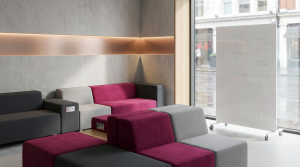
Sustainable Office Furniture: A UK Buyer’s Guide for 2026
🎯 Key Takeaway
Choosing sustainable office furniture involves selecting products made from recycled or responsibly sourced materials, designed for longevity and end-of-life recyclability to reduce environmental impact. This approach not only supports corporate responsibility goals but also delivers long-term financial value. Prioritise UK-recognised certifications like FSC for wood and FIRA for quality to verify sustainability claims and ensure compliance. We believe that analysing the whole-life cost, including durability and lower replacement needs, often makes sustainable options more economical over time. Partnering with a full-service supplier simplifies procurement, manages compliance, and ensures seamless installation, “Saving Time & Stress”.
For UK procurement managers, balancing tight budgets with increasing demands for Corporate Social Responsibility (CSR) is a core challenge. As of early 2026, the pressure to make environmentally sound choices is no longer just an ethical consideration; it’s a strategic business decision. Choosing the right sustainable office furniture presents a significant opportunity for UK businesses to enhance their brand, improve employee well-being, and achieve long-term financial savings. However, navigating the claims, certifications, and costs can be complex. With over 35 years of experience, we’ve seen this landscape evolve. This guide moves beyond buzzwords to provide a practical, no-nonsense framework for procuring sustainable office furniture in the UK, turning your sustainability goals into tangible assets. We are a leading UK supplier of school and office furniture, consistently “Rated Excellent On Trustpilot”.
Written by: Content Team | Reviewed by: Editorial Team, 35+ Years Experience; Rated Excellent On Trustpilot
Last updated: 15 March 2026
ℹ️ Transparency Disclosure: This article explores sustainable office furniture procurement based on industry analysis and our 35 years of experience. Some links may connect to our services. We believe in complete transparency; all information has been verified by our editorial team to ensure accuracy and impartiality. Costcutters UK is a leading UK supplier of school and office furniture.
What Defines Sustainable Office Furniture in the UK?
Sustainable office furniture is defined by its entire lifecycle, from raw material sourcing through to its end-of-life potential. It’s not just about one feature but a combination of responsible practices across three key pillars. This comprehensive approach is central to a modern, responsible procurement strategy.
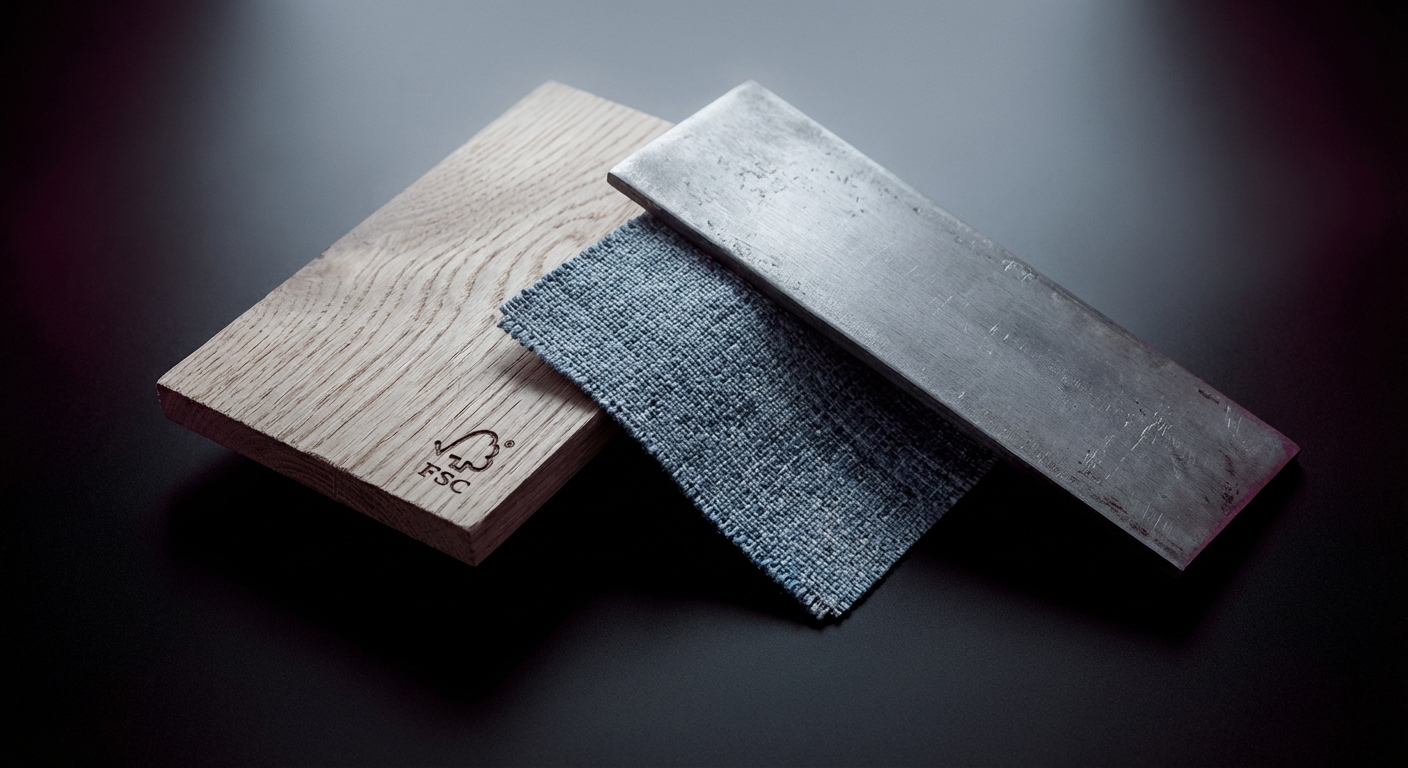
First, Materials are the foundation. This means prioritising renewable resources like bamboo or wood from responsibly managed forests. A key term here is the Forest Stewardship Council (FSC), a non-profit organisation that certifies wood products to ensure they come from environmentally and socially responsible sources. It also includes using a high percentage of recycled content, such as in metals and plastics, which significantly lowers the carbon footprint. For example, much of the high-quality recycled office furniture on the market uses recycled steel frames.
Second, the Manufacturing Process itself must be low-impact. This involves factories that minimise energy consumption, reduce water usage, and limit waste. A critical factor is the reduction of Volatile Organic Compounds (VOCs), chemicals released from paints, adhesives, and finishes that can harm indoor air quality. Opting for low-VOC products creates a healthier environment for employees.
Finally, the Product Lifecycle is what truly sets sustainable items apart. This encompasses:
- Durability: Built to last, reducing the need for frequent replacement.
- Repairability: Designed for easy repair, with spare parts available.
- End-of-Life: Engineered for disassembly, so materials can be easily separated and recycled. This concept is the heart of the furniture circular economy, an economic model focused on eliminating waste and reusing resources.
Data from WRAP UK (2022) in their case study analysis highlights that thousands of tonnes of office furniture end up in UK landfills annually. Choosing sustainable, circular options is a direct and effective way to combat this waste. It’s about investing in a system, not just a product, making it a cornerstone of modern eco friendly office furniture uk procurement.
The Business Case: Why Eco-Friendly Furniture is a Smart Investment
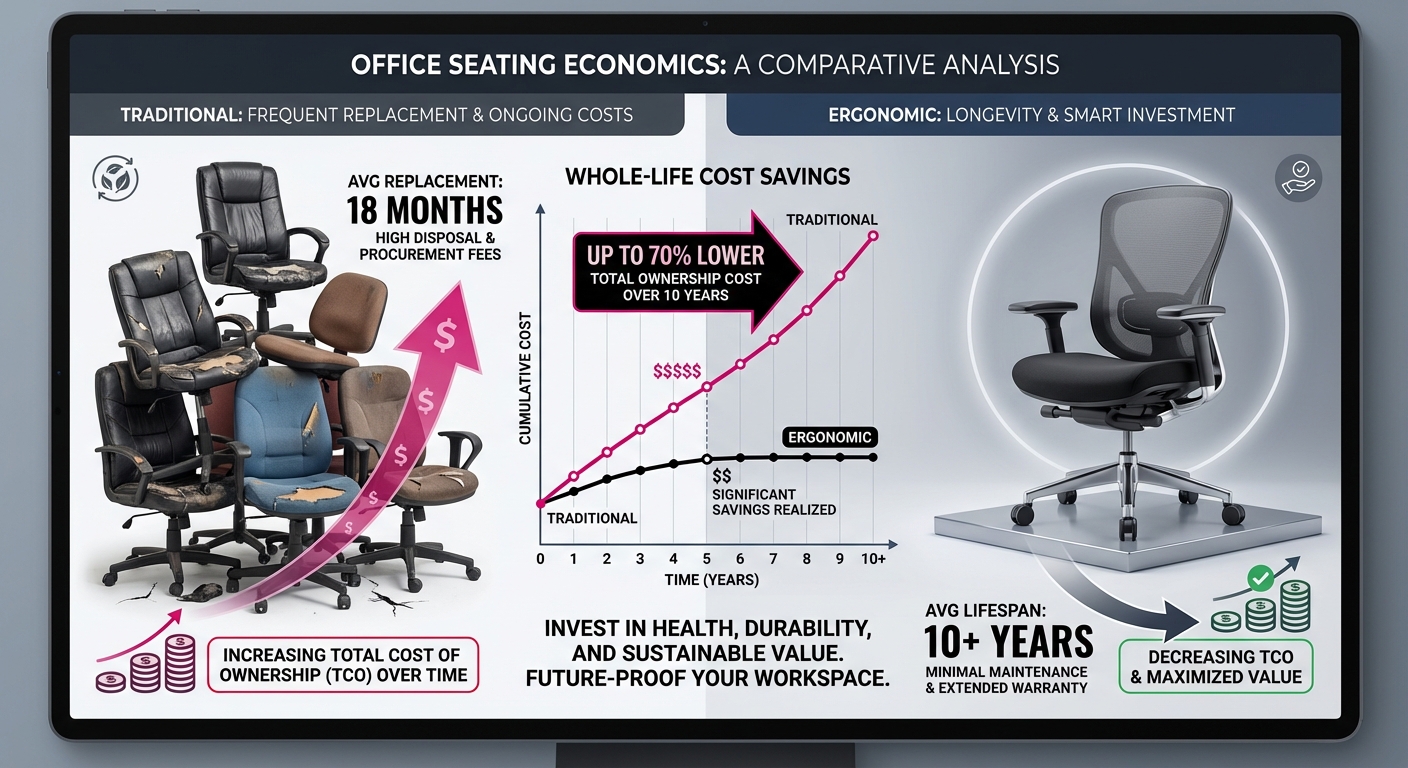
Investing in environmentally friendly office furniture is a strategic financial decision that delivers long-term value, not an unnecessary expense. While some sustainable products may have a slightly higher initial price tag, their superior durability and lower maintenance needs result in a significantly lower total cost of ownership. This shift in perspective from short-term cost to long-term value is crucial for smart procurement.
The tangible benefits for your business are compelling and multi-faceted:
- Enhanced Brand Reputation: A commitment to sustainability is a powerful differentiator. A global survey by Nielsen (2018) found that a significant majority of consumers are more loyal to brands that demonstrate environmental responsibility. This enhances your Corporate Social Responsibility (CSR) profile, attracting clients, partners, and top talent.
- Improved Employee Well-being and Productivity: High-quality, ergonomic, and non-toxic furniture contributes directly to a healthier workplace. Research from the Leesman Index (2023), which surveys global workplace effectiveness, consistently links physical environment quality to employee satisfaction and self-reported productivity. Incorporating elements like sustainable breakout furniture creates spaces that support mental and physical health.
- Long-Term Financial Savings: This is where the business case becomes undeniable. Durable construction and timeless design mean sustainable pieces outlast cheaper alternatives, reducing replacement cycles and associated costs.
The following table illustrates the whole-life cost difference over a typical five-year period.
| Cost Factor | Traditional Furniture (5-Year View) | Sustainable Furniture (5-Year View) | Key Consideration |
|---|---|---|---|
| Initial Purchase | £15,000 | £18,000 | Sustainable items may have a 15-20% higher upfront cost. |
| Repair & Maintenance | £2,500 | £500 | Higher quality materials and construction lead to fewer repairs. |
| Replacement (due to damage) | £3,000 (20% replacement rate) | £900 (5% replacement rate) | FIRA-certified durability reduces wear and breakage significantly. |
| Disposal / End-of-Life | £1,000 (Landfill fees) | £200 (Recycling/Take-back scheme) | Circular design minimises expensive and unsustainable landfill use. |
| Total 5-Year Cost | £21,500 | £19,600 | The sustainable option delivers ~9% savings over five years. |
Note: Figures are illustrative estimates based on a 20-person office. Sources adapted from WRAP UK cost-benefit analysis and FIRA International durability studies.
#### Hypothetical Case Study: A UK Tech Start-Up
Challenge: A fast-growing 50-person tech firm needed to furnish a new office on a controlled budget but wanted its physical space to reflect its innovative and responsible company values.
Solution: They partnered with us to implement a phased fit-out. They invested in high-quality, certified sustainable workstations and ergonomic chairs for all staff, while opting for stylish, refurbished pieces for their breakout and meeting areas.
Results: The company saved an estimated 15% on its total furniture budget compared to buying all-new traditional items. They successfully achieved BREEAM points for their fit-out and reported a 25% increase in positive feedback on the workplace environment in employee surveys.
Key Insight: A blended approach, combining new sustainable pieces with high-quality refurbished items, allows organisations to meet both budget and sustainability goals without compromise.
Key Materials and Certifications to Look For
To confidently procure genuinely sustainable furniture, focus on verified materials and recognised certifications. These independent marks of quality cut through marketing jargon and provide tangible proof of a product’s environmental credentials. Demanding certified products is the single most effective way to avoid ‘greenwashing’.
Here are the key sustainable materials to specify:
- FSC-Certified Wood: The Forest Stewardship Council (FSC) is an international body ensuring that wood products come from responsibly managed forests. Specifying FSC certified wood furniture may help that the timber is harvested sustainably, protecting biodiversity and local communities.
- Recycled Metals: Look for high percentages of recycled steel and aluminium. These materials can be recycled infinitely without losing quality, and using recycled content dramatically reduces the energy required for production compared to virgin ore.
- Recycled Plastics and Polymers: Innovative suppliers now offer chairs, acoustic panels, and tabletops made from post-consumer recycled plastics, such as bottles and packaging. This diverts waste from landfill and creates a market for recycled materials.
- Low-VOC Finishes: Prioritise water-based lacquers, low-VOC (Volatile Organic Compound) paints, and natural fabrics like wool or linen. This minimises indoor air pollution, creating a healthier environment for your team. This is particularly important for low VOC office furniture.
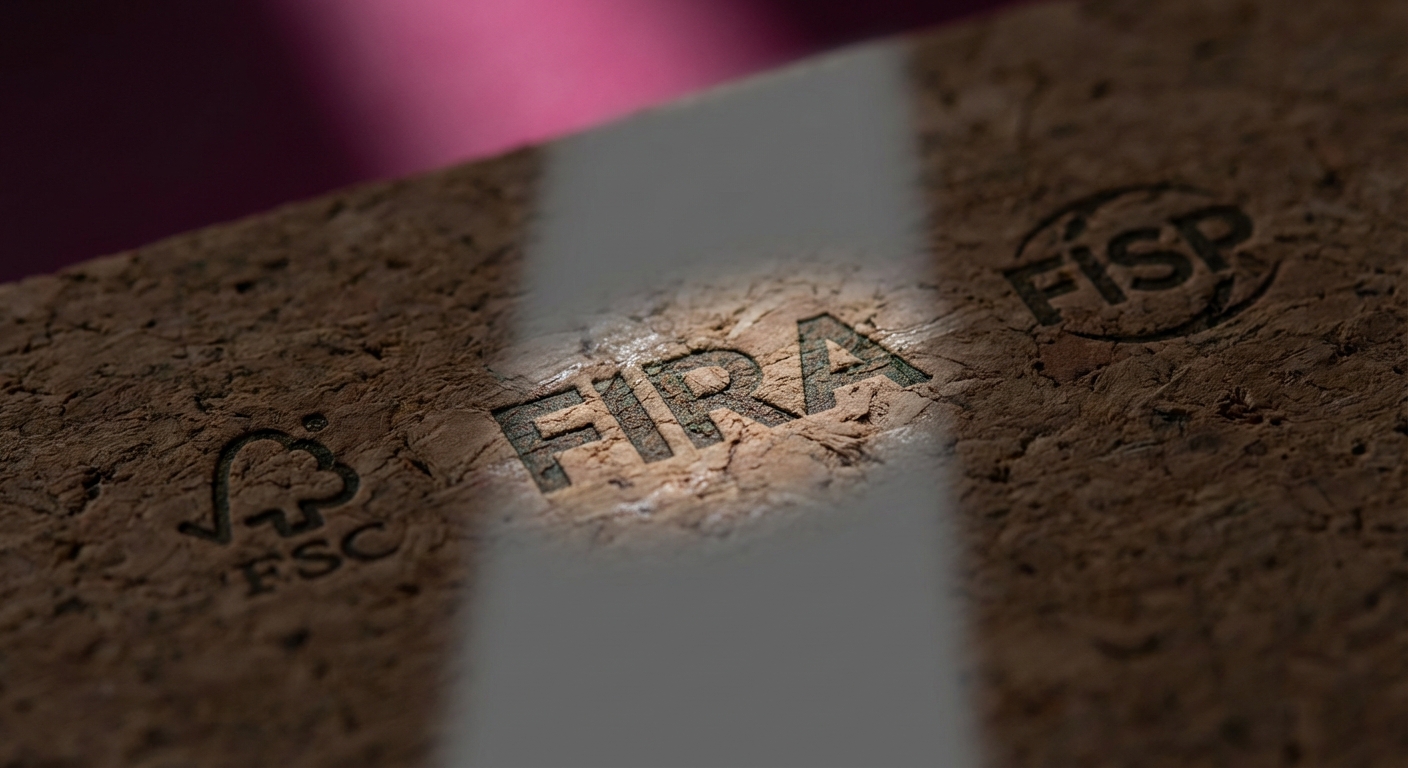
While material choice is important, certifications provide the ultimate assurance. In the UK, these are the three most important labels to look for:
- FSC (Forest Stewardship Council): As mentioned, this is the gold standard for wood and paper products. According to FSC UK (2024), their mission is to promote environmentally appropriate, socially beneficial, and economically viable management of the world’s forests.
- FIRA (Furniture Industry Research Association): The Furniture Industry Research Association is a UK-based authority on furniture safety and quality. FIRA certified furniture has undergone rigorous testing for durability, stability, and structural integrity. A FIRA Gold award signifies the highest standard, ensuring the product is built to last.
- FISP (Furniture Industry Sustainability Programme): This is a self-declaration scheme managed by FIRA, created to improve the furniture industry’s sustainability performance. Members are audited against criteria covering waste, energy, transport, and social responsibility, making it a good indicator of a supplier’s overall commitment.
A Procurement Checklist for Sustainable Office Furniture in the UK
A structured procurement process is essential for successfully sourcing sustainable office furniture uk. This checklist provides a clear, actionable framework to guide you from policy to installation, ensuring you make choices that are both responsible and practical. At Cost Cutters UK, our “Design To Install We Do It All!” service is built to handle these steps for you, saving you time and stress.
1. Define Your Sustainable Procurement Policy
Before you even look at a catalogue, establish clear criteria. What does “sustainable” mean for your organisation? Decide on your non-negotiables. For instance, you might mandate that all wood-based products must be FSC-certified or that all task chairs must contain at least 50% recycled content. This policy will become the foundation for all your purchasing decisions. This is also a key requirement for public sector bodies under the UK Government’s Social Value Model detailed in Crown Commercial Service guidance (2020).
2. Vet Your Suppliers Thoroughly
Not all sustainable office furniture companies are created equal. Your partner’s credibility is as important as the product’s. We recommend you ask potential suppliers direct questions:
- Can you provide documentation for your certifications (FSC, FIRA, ISO 14001)?
- What is your company’s waste management and recycling policy?
- Do you have a transparent supply chain? Can you trace your materials?
- What are your end-of-life options, such as take-back or refurbishment schemes?
Check their website for a dedicated section on sustainability and look at our full list of certifications and accreditations as a benchmark.
3. Specify Products Based on Whole-Life Value
Shift your focus from initial price to long-term cost. Request whole-life cost data from suppliers, factoring in durability, warranty length, and repairability. Specify products with recognised certifications. A FIRA Gold certification, for example, is a testament to a product’s longevity, meaning you’ll spend less on replacements over time. This is where options like our “Credit Accounts Or Pay Flexibly” can help manage the initial investment.
4. Plan for Logistics and End-of-Life
Sustainability extends to delivery and disposal. Choose a supplier who can consolidate deliveries to minimise transport emissions. Crucially, confirm their end-of-life plan. A truly sustainable partner will offer a take-back programme to refurbish or recycle your old furniture when you no longer need it, closing the loop and preventing landfill waste. This comprehensive service is key to making your sustainable procurement policy a reality.
Frequently Asked Questions About Sustainable Office Furniture
What is sustainable office furniture?
Sustainable office furniture refers to products designed, manufactured, and supplied to minimise negative environmental impact across their entire lifecycle. This includes the responsible sourcing of materials, low-impact production processes, and designing for durability, repair, and eventual recycling. It is a key investment in a modern, responsible, and healthy workplace.
Is sustainable furniture more expensive?
While the initial purchase price can sometimes be higher, the total cost of ownership is often lower. High-quality, durable sustainable furniture requires less frequent replacement and repair, offering better long-term value for money. We typically recommend analysing the whole-life cost, which includes maintenance and disposal, before making a final decision.
What are the main benefits for my business?
The primary benefits are an enhanced brand reputation, improved employee well-being, and long-term cost savings. Adopting sustainable practices strengthens your Corporate Social Responsibility (CSR) profile, which is attractive to clients and talent. Also, healthier, non-toxic materials and ergonomic design can boost productivity and satisfaction amongst your staff.
How can I verify a product is truly eco-friendly?
Look for independent, third-party certifications, which are the most reliable proof of a product’s claims. In the UK, key labels to trust include FSC for wood, FIRA for quality and safety, and FISP for a supplier’s overall sustainability practices. We advise you to typically ask suppliers for documentation to support their eco friendly office furniture uk claims.
What is the difference between recycled and recyclable furniture?
Recycled furniture is made from post-consumer or post-industrial waste, while recyclable furniture is designed for easy disassembly at its end of life. For instance, a desk made from recycled steel is a great start. If that same desk is also recyclable, its components can be easily separated and re-processed into new materials, preventing landfill waste. Ideally, you should look for furniture that is both.
Where can I find sustainable office furniture companies in the UK?
You can find reputable suppliers through industry directories, trade shows, and by searching for companies with clear sustainability policies and accreditations online. Established full-service providers like Costcutters UK are a reliable choice. We offer curated ranges of certified sustainable furniture and can manage the entire procurement and installation process for you.
Does using sustainable furniture help with BREEAM certification?
Yes, specifying sustainable furniture can contribute valuable points towards a BREEAM (Building Research Establishment Environmental Assessment Method) rating. Credits are awarded for using products with recognised environmental certifications (like FSC), low VOC emissions, and responsible sourcing policies. This makes it a key consideration for any green building project in the UK.
What is a furniture circular economy?
A furniture circular economy is a system designed to eliminate waste by keeping products and materials in use for as long as possible. This is achieved through durable design, repair, refurbishment, and remanufacturing. At the end of its life, the furniture is easily disassembled so its components can be recycled into new products.
Are there UK fire safety regulations I need to worry about?
Yes, all office furniture sold in the UK must comply with the Furniture and Furnishings (Fire) (Safety) Regulations 1988. Reputable suppliers will ensure all their products, including sustainable ones, meet these critical standards for both domestic and commercial use. Typically confirm compliance before purchasing to mitigate risk and ensure safety.
Can I get a sustainable fit-out on a tight budget?
Yes, it is generally possible with a strategic approach. You can achieve this by prioritising key items like task chairs, considering high-quality refurbished pieces for less critical areas, and working with a supplier who offers Bulk Buy Discounts. A phased approach, focusing on high-use items first, can also help manage costs effectively.
Important Considerations
While the benefits are clear, it’s important to acknowledge some limitations. Verifying the entire supply chain of every component can be complex, and the risk of ‘greenwashing’ (misleading environmental claims) from less reputable sources persists. Although the whole-life cost is lower, the initial capital outlay can be a barrier for some organisations, and the range of available styles or colours might sometimes be more limited compared to the vast conventional furniture market.
Beyond purchasing new sustainable items, other eco-friendly approaches exist. High-quality furniture refurbishment can extend the life of your existing assets, offering significant environmental and cost savings without compromising on aesthetics or function. Plus, some companies offer furniture leasing programmes. These operate on a circular model where the supplier retains ownership and responsibility for the product’s end-of-life, making it a flexible, low-capital alternative.
For large-scale projects or if you are new to sustainable procurement, seeking professional guidance is highly recommended. An experienced furniture supplier can help you handle the complexities of certification, ensure compliance with all UK regulations (including fire safety), and develop a procurement plan that aligns perfectly with your budget and CSR objectives. Our experience suggests this partnership is key to success.
Plan Your Sustainable Workspace with Costcutters UK
Ultimately, making the switch to sustainable office furniture is a strategic decision that delivers value far beyond environmental compliance. By focusing on whole-life cost, verified certifications, and a circular mindset, UK organisations can create healthier, more inspiring workspaces that strengthen their brand and make sound financial sense. This pragmatic approach transforms sustainability from an abstract goal into a tangible, achievable asset for your business.
With over 35 years of experience supplying furniture to UK businesses, schools, and public sector bodies, Costcutters UK understands the balance between budget, compliance, and responsibility. We’ve helped countless organisations navigate this process. To discuss your project and discover our range of environmentally friendly office furniture options, Book a free, no-obligation space planning consultation with our experts today.
References
- WRAP UK – Case Study Analysis (2022). Highlights the significant volume of office furniture sent to landfill and the potential for reuse and recycling schemes.
- UK Environment Agency – Government Data Report. Provides statistics on commercial and industrial waste streams in the UK, including furniture.
- Nielsen Global – Consumer Survey (2018). Data from a global survey shows a significant percentage of consumers are willing to pay more for products from sustainable brands.
- Leesman Index – Global Workplace Study (2023). Correlates physical workplace design elements, including furniture and air quality, with employee satisfaction and self-reported productivity across millions of data points.
- Forest Stewardship Council (FSC) UK – Certification Standard (2024). Defines the principles of responsible forest management and the chain of custody certification process.
- FIRA International – Industry Standard Documentation. Outlines testing procedures for furniture durability, stability, and safety for the UK market.
- Crown Commercial Service – Procurement Policy Note 06/20. Details the mandatory inclusion of social value and sustainability criteria in public sector procurement.
Conclusion
Plan Your Sustainable Workspace with Costcutters UK
In summary, choosing sustainable office furniture is a strategic decision that delivers value far beyond environmental compliance. By focusing on whole-life cost, verified certifications, and a circular mindset, UK organisations can create healthier, more inspiring workspaces that strengthen their brand and make sound financial sense. This pragmatic approach transforms sustainability from an abstract goal into a tangible, achievable asset for your business.
With over 35 years of experience supplying furniture to UK businesses, schools, and public sector bodies, Costcutters UK understands the balance between budget, compliance, and responsibility. Our team helps c