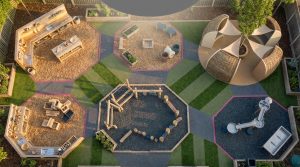
Inspiring Outdoor Learning UK: Real Case Studies from Schools
🎯 Key Takeaway
Successful outdoor learning UK programmes are achieved through strategic planning, durable, UK-compliant equipment, and clear links to curriculum goals. Real-world case studies show that even schools with tight budgets can create transformative outdoor spaces using a phased approach. Choosing furniture compliant with UK safety standards (like BS EN 1176) and suited for the climate is non-negotiable. Effective outdoor learning directly supports curriculum objectives from the Early Years Foundation Stage (EYFS) to Key Stage 2, boosting engagement and attainment.
The drive towards embracing the outdoors as a vital educational resource is gaining significant momentum across the UK. As of March 2026, more schools are recognising the profound benefits of outdoor learning, not just for physical health but for pupil engagement, mental well-being, and academic achievement. However, transforming a bare playground or an underused field into a dynamic learning environment can seem daunting. This article moves beyond theory to showcase practical, real-world examples. We’ll explore how UK schools, facing different challenges of space and budget, have successfully created inspiring spaces for outdoor learning UK. As an experienced partner in these transformations, Cost Cutters UK is an experienced partner that understands how to turn vision into reality.
Written by: The Cost Cutters UK Content Team | Reviewed by: Editorial Team, 35+ Years Experience; Rated Excellent On Trustpilot
Last updated: 27 March 2026
ℹ️ Transparency Disclosure: This article explores successful outdoor learning projects in UK schools, drawing upon our direct project experience and client partnerships. Some links connect to our specialised services and products. All information is verified by our editorial team for accuracy. Cost Cutters UK is a trusted supplier with over 35 years of experience in the education sector, committed to providing reliable solutions.
What is the Educational Case for Outdoor Learning in the UK?
Yes, there is a powerful and evidence-backed educational case for outdoor learning in the UK. The approach directly addresses key educational and developmental goals by moving learning beyond the four walls of a classroom. Research from organisations like the Council for Learning Outside the Classroom (2024), based on extensive reviews of educational practice, indicates that it significantly boosts pupil engagement and can lead to improved academic outcomes. This isn’t just about play; it’s about structured, curriculum-linked experiences that bring subjects to life.
The benefits of outdoor learning are multi-faceted. For the Early Years Foundation Stage (EYFS), which is the statutory educational framework for children aged 0-5 in England, outdoor provision is critical. Reports from Ofsted, the Office for Standards in Education, Children’s Services and Skills, consistently highlight that high-quality outdoor environments are a feature of outstanding settings. For instance, an Ofsted ‘Good practice in early years’ report (2023) noted that such spaces promote curiosity, physical development, and risk-management skills.
For Key Stage 1 and 2 pupils, the advantages continue. A study can connect directly to the curriculum:
- Science: Studying ecosystems in a pond or wildlife area.
- Maths: Using natural objects for counting or measuring the playground for area and perimeter.
- English: Using the natural environment as inspiration for descriptive writing or poetry.
- Art & Design: Creating sculptures from natural materials.
This hands-on approach caters to diverse learning styles and has a notable impact on pupils’ well-being, helping to reduce stress and improve concentration back in the classroom.
Case Study: An Urban Primary School’s Versatile Learning Zone
- Challenge: A primary school in a dense London borough faced a common urban problem: its only outdoor space was a large, uninspiring tarmac playground. With high pupil numbers and limited green space, they needed a solution that could create distinct zones for learning, play, and quiet reflection without major construction.
- Solution: Our team at Cost Cutters UK implemented a ‘zoning’ strategy. We used a series of large, colourful, and heavy-duty recycled plastic planters to create natural divisions. Within these zones, we installed modular breakout furniture that could be easily reconfigured for group work or individual study. To provide all-weather capability, a vibrant sail shade was installed over a section designated as the main teaching area. For interactive learning, we fitted wall-mounted activity boards, including a large chalkboard and a whiteboard, to the main school building. This provided excellent outdoor classroom ideas UK that worked within the existing footprint.
- Results: The transformation was immediate. The previously chaotic space became a structured and versatile learning environment. The Headteacher noted a marked improvement in pupil behaviour during break times and a newfound enthusiasm for outdoor lessons. “The space is now a genuine asset,” she stated. “Teachers are actively planning lessons outside because they have the resources to do it effectively. It’s one of an effective school playground design ideas we’ve implemented, completely changing the atmosphere.”
Case Study: A Rural Welsh School’s Forest School Transformation
- Challenge: A rural school in Wales was fortunate to have a large field, but a significant portion was underutilised and often boggy, making it unusable for much of the year. With a very tight budget, they wanted to establish a dedicated Forest School area but were unsure how to start. Forest School, a specific long-term programme of child-led learning in a natural setting, required durable and safe equipment.
- Solution: We proposed a phased approach, allowing the school to build its provision over time. The initial phase focussed on creating a core Forest School hub. This involved installing a storytelling circle made from highly durable, maintenance-free recycled plastic logs. We also supplied a robust wooden mud kitchen, a key piece of outdoor learning furniture for encouraging imaginative play. For tool and equipment storage, a secure, weatherproof Asgard storage unit was installed, ensuring everything was safe when not in use. This phased plan meant the school could get started immediately while planning for future additions like a timber shelter.
- Results: The School Business Manager was thrilled. “Cost Cutters UK helped us realise our vision was possible, even with our limited funds. By acting as our trusted forest school equipment suppliers, they guided us to the most impactful purchases first.” The pupils have embraced the new area, and parent feedback has been overwhelmingly positive. The project demonstrates that even challenging spaces can be transformed into valuable learning assets through smart planning and by partnering with experienced suppliers who offer flexible solutions like our Credit Accounts Or Pay Flexibly options.
Planning Your Outdoor Learning UK Project: A 5-Step Guide
Embarking on an outdoor learning UK project requires more than just buying a few benches. A strategic approach ensures the investment delivers real educational value and longevity. In our experience, following a clear process is key to Saving Time & Stress.
Here is our recommended 5-step guide for School Business Managers and Headteachers:
- Define Your Curriculum Goals: Before looking at any catalogues, ask: what do you want pupils to learn outside? Link your vision directly to curriculum objectives. Do you need a space for science observation, a stage for drama, or a quiet area for reading? This focus ensures your project has a clear educational purpose.
- Audit Your Space & Resources: Analyse your existing grounds. What are the assets (e.g., a mature tree, a sheltered wall) and challenges (e.g., poor drainage, lack of shade)? Involving staff and pupils in this audit can generate fantastic, practical school playground design ideas and fosters a sense of ownership.
- Set a Realistic Budget & Explore Funding: Be clear about your budget from the start. Remember to factor in installation and any necessary groundwork. We advise researching funding opportunities, from PTA events to grants from organisations like the National Lottery. Our team can also advise on making the most of your budget with our Bulk Buy Discounts.
- Design a Phased Plan: You don’t have to do everything at once. A phased plan allows you to make immediate improvements while working towards a larger vision. Start with a core area – perhaps a sheltered teaching space and some storage – and add elements over subsequent terms or years.
- Select a Compliant & Experienced Partner: This is the most crucial step. Choose a supplier who understands the education sector, offers a “Design To Install We Do It All!” service, and may help all products meet UK safety standards. A good partner will work with you to refine your plan and ensure you get an effective value.
Choosing the Right Equipment for UK Weather and Safety Standards
Selecting the correct outdoor learning furniture is critical for ensuring safety, durability, and long-term value for money in the UK’s demanding climate. The right choice hinges on understanding materials and compliance standards. For instance, all playground equipment must conform to BS EN 1176, which is the primary British and European safety standard covering the design, installation, and maintenance of public play equipment. Adherence isn’t just best practice; it’s a core part of a school’s duty of care.

When choosing materials, you must balance aesthetics, budget, and maintenance commitments. Treated timber offers a natural look but requires regular inspection and treatment to prevent rot and splintering. In contrast, furniture made from high-density recycled plastic is virtually maintenance-free, impervious to frost and rain, and often comes with a much longer guarantee. This makes it an excellent long-term investment.
At Cost Cutters UK, we ensure that our recommended products are not only engaging and educational but also fully compliant and built to last. We are proud of our UK safety and quality accreditations, which give schools peace of mind. Our expertise helps you select equipment that withstands everything the British weather can throw at it, from weatherproof school storage to robust seating.
| Material Type | Typical Lifespan (UK Climate) | Maintenance Level | Key Benefit |
|---|---|---|---|
| Pressure-Treated Timber | 10-15 years | Moderate (annual treatment recommended) | Natural aesthetic, lower initial cost. |
| Recycled Plastic | 25+ years | Very Low (occasional cleaning) | Extremely durable, weather-proof, eco-friendly. |
| Powder-Coated Steel | 15-20 years | Low (check for chips/scratches) | High strength, modern look, vibrant colours. |
| Compact Grade Laminate (CGL) | 20+ years | Very Low (wipe clean) | Vandal-resistant, non-porous, wide colour range. |
Frequently Asked Questions About Outdoor Learning in the UK
What is outdoor learning UK?
Outdoor learning UK is a pedagogical approach where learning activities are conducted outside the traditional classroom, using the natural and built environment as a teaching resource. It encompasses everything from curriculum-based lessons in the school grounds to Forest School programmes and educational visits. The core aim is to provide hands-on, real-world experiences for pupils that connect directly to their formal education, making learning more memorable and engaging.
What are the main benefits of outdoor learning for pupils?
The primary benefits include improved mental and physical health, higher levels of engagement, and the development of social skills like teamwork and problem-solving. Research shows it can also lead to better academic attainment as pupils connect theoretical concepts with practical, memorable experiences. This approach caters to various learning styles, particularly benefiting kinaesthetic learners who thrive on active, hands-on tasks.
How can outdoor learning link to the National Curriculum?
Outdoor learning can be linked to almost every subject in the National Curriculum, from science and maths to art and English. For example, science concepts like habitats can be studied first-hand, maths can be taught through measuring and data collection outside, and history can be brought to life by exploring local landmarks. Effective planning ensures activities have clear learning objectives that map directly to curriculum requirements for any key stage.
What are some simple outdoor classroom ideas for a small budget?
For a small budget, focus on multi-purpose, low-cost items that maximise impact. Simple ideas include creating a storytelling circle with log seats, setting up a ‘mud kitchen’ with old pots and pans, using painted tyres as planters, or installing a large outdoor chalkboard. A simple parachute or tarpaulin can serve as a temporary shelter, maximising the usability of your space without significant investment.
How much does an outdoor classroom cost in the UK?
The cost varies dramatically, from a few hundred pounds for basic resources to over £20,000 for a large, permanent timber canopy structure. A well-equipped, medium-sized space with durable furniture, storage, and some shelter typically costs between £5,000 and £15,000. A phased approach, starting with essentials, is a common and highly effective strategy for managing costs and aligning spending with school budgets.
What safety standards apply to outdoor school equipment?
The key safety standard for playground and outdoor equipment in the UK is BS EN 1176, which covers everything from design to installation and maintenance. This standard is designed to minimise risk and is essential for demonstrating due diligence. Schools should typically purchase compliant equipment from reputable suppliers and consider regular inspections by a certified body like RoSPA to ensure ongoing safety.
How do you manage outdoor learning in bad weather?
Successful management relies on the right attitude, appropriate clothing, and smart infrastructure. As the saying goes, ‘there’s no such thing as bad weather, only unsuitable clothing’. A clear school policy on outdoor gear is essential. Plus, investing in even a small canopy, shelter, or covered area provides a crucial base for activities during wet weather, ensuring learning can continue year-round.
What is the difference between outdoor learning and Forest School?
Outdoor learning is a broad term for any learning outside, while Forest School is a specific, long-term educational ethos with a distinct methodology. Forest School involves regular sessions in a natural environment, led by a qualified practitioner. It has a strong focus on child-led learning, holistic development, and building self-esteem and resilience, whereas general outdoor learning is often more curriculum-directed and teacher-led.
Where can schools find funding for outdoor learning spaces?
Schools can access funding through various channels, including PTA fundraising, government grants like the Condition Improvement Fund (CIF) for academies, and numerous charitable trusts. Many organisations, such as the National Lottery Community Fund, offer grants for projects that improve community spaces and well-being. Diligent research into local and national grant-awarding bodies is a crucial step in the planning process.
What should I look for in forest school equipment suppliers?
Look for suppliers with a well-supported by research track record in the UK education sector who are rated ‘Excellent’ on Trustpilot. Key factors include a wide range of durable, weather-resistant products, clear adherence to safety standards like BS EN 1176, and the ability to provide expert advice on space planning. A good supplier acts as a partner, understanding school budgets, procurement processes, and offering a comprehensive service.
Important Considerations and Practicalities
While the benefits are significant, You should acknowledge the practical challenges. The unpredictable UK weather requires a robust plan, including appropriate all-weather clothing for pupils and staff, and sheltered areas for continuous provision. Also, some materials, particularly natural timber, require ongoing maintenance to ensure their safety and longevity. This is a factor that must be included in long-term school budgeting to protect the initial investment.
If a full-scale outdoor classroom isn’t feasible due to space or budget constraints, schools can explore valuable alternatives. This includes bringing nature indoors through biophilic design, creating indoor sensory rooms, establishing a gardening club with raised beds, or regularly using local parks and nature reserves for planned educational outings. The core principle of connecting with nature and providing hands-on learning can be adapted to almost any context.
To handle the complexities of design, safety compliance, and procurement, we strongly advise consulting a specialist. An experienced partner like Cost Cutters UK can provide a free space planning consultation to maximise your area’s potential. Our experts ensure all equipment meets BS EN 1176 standards and can help you create a phased plan that aligns with your budget, preventing costly errors and ensuring a successful, long-lasting investment.
Begin Your School’s Outdoor Transformation
These case studies demonstrate that creating an inspiring outdoor learning UK space is an achievable goal for schools of every type and budget. The key to success lies in aligning the project with clear curriculum goals, choosing durable and compliant equipment suited to the UK climate, and implementing smart, phased planning. The transformative impact on pupil engagement, behaviour, and well-being makes it one of the most rewarding investments a school can make.
With over 35 years of experience partnering with UK schools, Cost Cutters UK understands the challenges you face. From initial design to full installation, our team provides the expertise to bring your vision to life, on time and on budget. As expert forest school equipment suppliers, we are ready to assist. To explore the potential of your school’s grounds, book a free, no-obligation space planning consultation with our specialists today.
References
- Department for Education (DfE) (https://www.gov.uk/government/organisations/department-for-education) – Government Guidance. Provides statutory frameworks and guidance supporting the use of outdoor spaces for education and physical activity in UK schools.
- Ofsted (https://www.gov.uk/government/collections/ofsted-good-practice-early-years) – Inspection Body Report. Ofsted’s 2023 ‘Good practice in early years’ report highlights that high-quality outdoor provision is a key feature of outstanding Early Years settings, promoting curiosity and physical development.
- Council for Learning Outside the Classroom (https://www.lotc.org.uk/) – Charity Organisation. This organisation’s 2024 research review advocates for and provides evidence on the benefits of learning outside the classroom for improving academic achievement and personal development.
Frequently Asked Questions About Outdoor Learning in the UK
What is outdoor learning UK?
Outdoor learning UK is a pedagogical approach where learning activities are conducted outside the traditional classroom, using the natural and built environment as a teaching resource. It encompasses everything from curriculum-based lessons in the school grounds to Forest School programmes and educational visits, aiming to provide hands-on, real-world experiences for pupils of all ages.
What are the main benefits of outdoor learning for pupils?
The primary benefits include improved mental and physical health, higher levels of engagement, and the development of social skills like teamwork and problem-solving. Research shows it can also lead to better academic attainment as pupils connect theoretical concepts with practical, memorable experiences. This approach caters to various learning styles,
particularly benefiting kinaesthetic learners.
How can outdoor learning link to the National Curriculum?
Outdoor learning can be linked to almost every subject in the National Curriculum. For example, science concepts like habitats can be studied first-hand, maths can be taught through measuring and data collection outside, and history can be brought to life by exploring local landmarks. Effective planning ensures activities have clear learning objectives that map directly to curriculum requirements.
What are some simple outdoor classroom ideas for a small budget?
For a small budget, focus on multi-purpose, low-cost items. Simple ideas include creating a storytelling circle with log seats, setting up a ‘mud kitchen’ with old pots and pans, using painted tyres as planters, or installing a large outdoor chalkboard. A simple parachute or tarpaulin can serve as a temporary shelter, maximising the usability of your space without significant investment.
How much does an outdoor classroom cost in the UK?
The cost varies dramatically, from a few hundred pounds for basic resources to over £20,000 for a large, permanent timber canopy structure. A well-equipped, medium-sized space with durable furniture, storage, and some shelter typically costs between £5,000 and £15,000. A phased approach, starting with essentials, is a common strategy for managing costs effectively.
What safety standards apply to outdoor school equipment?
The key safety standard for playground and outdoor equipment in the UK is BS EN 1176. This standard covers design, installation, and maintenance to minimise risk. Schools should always purchase compliant equipment from reputable suppliers and consider regular inspections by a certified body like RoSPA to ensure ongoing safety and demonstrate due diligence.
How do you manage outdoor learning in bad weather?
Successful management relies on the right attitude, clothing, and infrastructure. As the saying goes, ‘there’s no such thing as bad weather, only unsuitable clothing’. A clear school policy on appropriate outdoor gear is essential. Additionally, investing in even a small canopy, shelter, or covered area provides a base for activities during wet weather, ensuring learning can continue year-round.
What is the difference between outdoor learning and Forest School?
Outdoor learning is a broad term for any learning outside, while Forest School is a specific, long-term educational ethos. Forest School involves regular sessions in a natural environment, led by a qualified practitioner. It has a strong focus on child-led learning, holistic development, and building self-esteem and resilience, whereas general outdoor learning is often more curriculum-directed.
Where can schools find funding for outdoor learning spaces?
Schools can access funding through various channels, including PTA fundraising, government grants like the Condition Improvement Fund (CIF), and charitable trusts. Many organisations, such as the National Lottery Community Fund, offer grants for projects that improve community spaces and well-being. Researching local and national grant-awarding bodies is a crucial step in the planning process.
What should I look for in forest school equipment suppliers?
Look for suppliers with a proven track record in the UK education sector. Key factors include a wide range of durable, weather-resistant products, clear adherence to safety standards like BS EN 1176, and the ability to provide expert advice on space planning. A good supplier acts as a partner, understanding school budgets and procurement processes.
Important Considerations and Practicalities
While the benefits are significant, it is important to acknowledge the practical challenges. The unpredictable UK weather requires a robust plan, including appropriate all-weather clothing for pupils and staff, and sheltered areas for continuous provision. Furthermore, natural materials require ongoing maintenance to ensure their safety and longevity, a factor that must be included in long-term school budgeting.
If a full-scale outdoor classroom is not feasible due to space or budget constraints, schools can explore valuable alternatives. This includes bringing nature indoors through biophilic design, creating indoor sensory rooms, establishing a gardening club with raised beds, or regularly utilising local parks and nature reserves for planned educational outings. The principle of connecting with nature can be adapted to any context.
To navigate the complexities of design, safety compliance, and procurement, we advise consulting a specialist. An experienced partner like Costcutters UK can provide a free space planning consultation to maximise your area’s potential, ensure all equipment meets BS EN 1176 standards, and help you create a phased plan that aligns with your budget, preventing costly errors and ensuring a successful, long-lasting investment.
Conclusion
Begin Your School’s Outdoor Transformation
In summary, outdoor learning UK is an achievable goal for schools of every type and budget. The key to success lies in aligning the project with clear curriculum goals, choosing durable and compliant equipment suited to the UK climate, and smart, phased planning. The transformative impact on pupil engagement, behaviour, and well-being makes it a worthwhile investment.
With over 35 years of experience partnering with UK schools, Costcutters UK understands the challenges you face. From initial design to full installation, our team provides the expertise to bring your vision to life, on time and on budget. As one of the UK’s trusted forest school equipment suppliers, we can help you explore the potential of your school’s grounds. To get started, book a free, no-obligation space planning consultation with our specialists today.