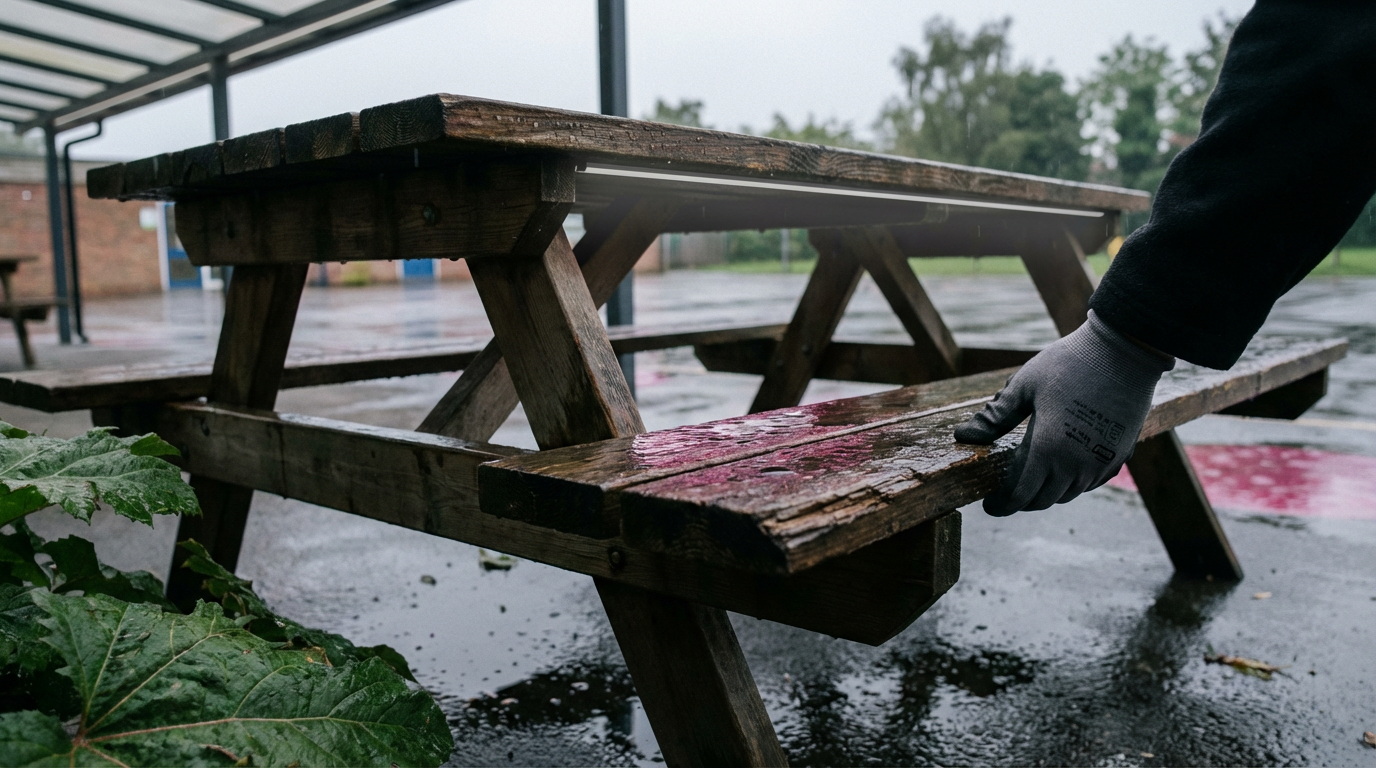
Maintaining Your Outdoor Educational Furniture: A Long-Term Guide
🎯 Key Takeaway
Properly maintaining your outdoor educational furniture requires a year-round schedule of cleaning, inspecting, and treating materials to protect against the UK climate and ensure pupil safety. A proactive approach extends asset life and reduces long-term costs. This guide provides the detailed checklists and expert advice needed to protect your school’s valuable assets. We’ll cover a termly schedule for inspections and treatments, how to choose the right finish for your materials, and the mandatory safety checks you need to perform.
Investing in outdoor learning spaces is a significant commitment for any school. Protecting that investment means treating the maintenance of your outdoor educational furniture not as a chore, but as a critical task for ensuring safety, maximising budgets, and supporting educational outcomes. The UK’s unique climate, with its cycle of rain, frost, and UV exposure, presents a constant challenge. However, a structured approach to care can make all the difference. In our 35+ years of experience, we’ve seen how proactive maintenance prevents costly replacements. This guide offers a practical, year-round schedule, material-specific advice, and a clear guide to safety compliance, ensuring your outdoor assets remain safe and functional for years to come. Explore our full range of educational supplies to see how quality materials form the foundation of longevity.
👤 Written by: The Cost Cutters UK Content Team | Reviewed by: Editorial Team, Commercial Furniture Specialists with 35+ Years Experience; Rated Excellent On Trustpilot
Last updated: 14 March 2026
ℹ️ Transparency Disclosure: This article explores best practices for maintaining school furniture based on our deep industry experience and analysis of safety standards. This transparency is key to our process. Some links may connect to our services or product pages. This disclosure indicates that all information is verified by our editorial team to ensure accuracy and relevance for UK educational institutions.
Your Year-Round Maintenance Schedule for Outdoor Educational Furniture
The most effective way to manage school outdoor furniture maintenance is to follow a consistent, year-round schedule aligned with the academic calendar. Breaking tasks down by term prevents work from building up and addresses specific seasonal threats before they cause lasting damage. This approach is not just best practice; it’s a core principle of asset management that saves time and stress.
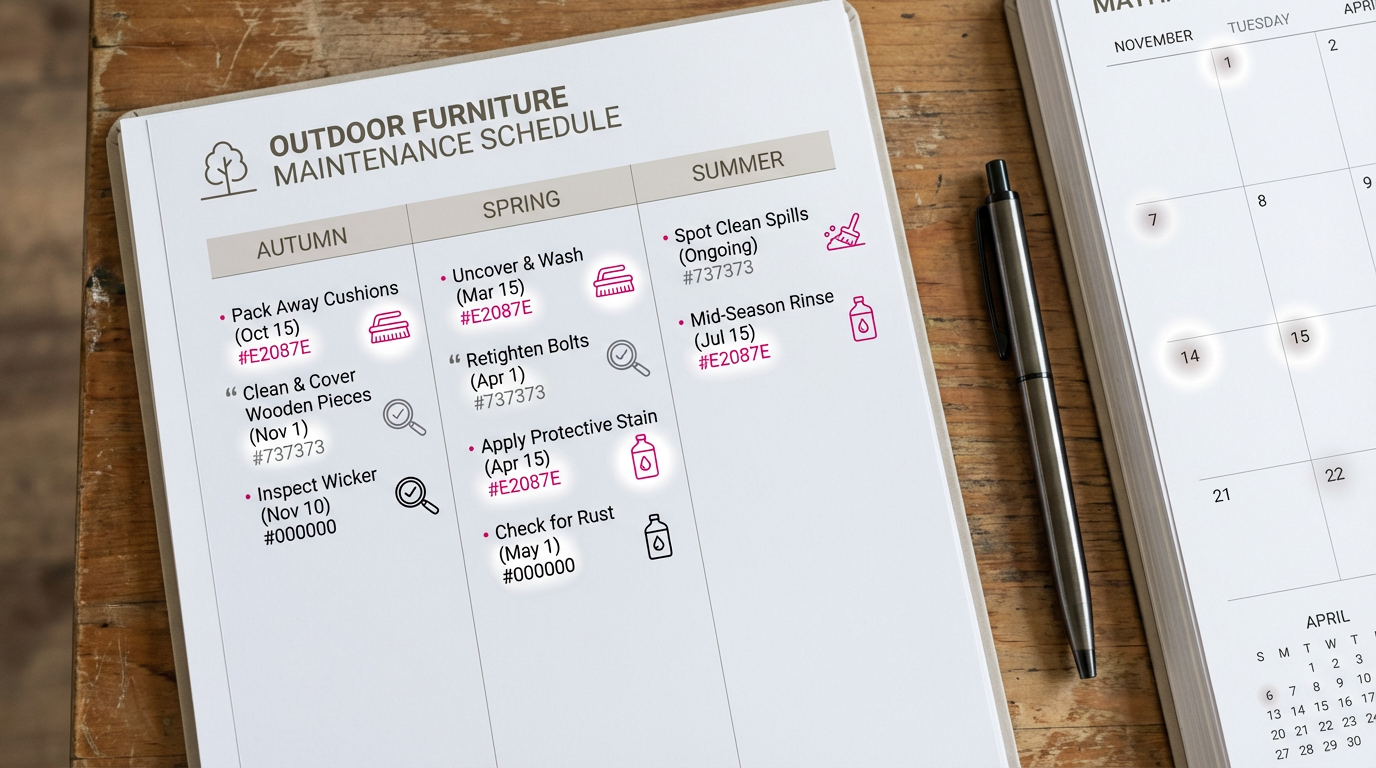
A key first step is to create an asset register. This simple document lists every piece of furniture, its material, purchase date, and a log of maintenance activities. It transforms maintenance from a reactive task into a managed process. Industry guides, such as one from BE Furniture Sales, confirm that preparation before winter is essential for longevity. This proactive seasonal furniture care UK schools can adopt makes financial sense.
Autumn Term Checklist (September – December)
This period is about cleaning up after summer and preparing for the harsh winter months. As noted by experts at Gaze Burvill, autumn is a critical time for this preparation.
- Deep Clean: Remove all dirt, leaves, and bird droppings.
- Inspect for Damage: Check for any cracks, loose joints, or instability that developed over the summer holidays.
- Treat Wood: Apply a final protective coat of oil or varnish to clean, dry wood. This acts as a barrier against winter damp.
- Check Drainage: Ensure furniture isn’t sitting in areas where water pools, as this accelerates rot and rust.
Spring Term Checklist (January – April)
As the weather improves, the focus shifts to assessing winter damage and preparing for the high-use summer term.
- Inspect for Winter Damage: Check wooden furniture for new cracks caused by frost and metal items for signs of rust.
- Clean Algae and Mould: Green algae is a common sight after a damp UK winter. Scrub it off with a stiff brush and an appropriate cleaner.
- Light Sanding: Winter moisture can raise the grain on wooden surfaces. A light sand will smooth it down, preventing splinters. This is a crucial step in learning how to maintain outdoor furniture properly.
Summer Term Checklist (May – July)
Maintenance during this term is about managing high traffic and planning for the future.
- Regular Cleaning: Wipe down surfaces regularly to remove dirt, pollen, and spills.
- Safety Checks: With increased use, stability is paramount. Regularly check for wobbles, new splinters, or loose fittings. An industry blog from Landscapes for Learning reinforces that regular safety inspections are vital for compliance.
- Plan Refurbishment: Identify items that need major repairs or replacement. The long summer holiday is the well-suited time for this work. For items not in use, consider moving them to secure outdoor storage solutions.
Material Deep Dive: Caring for Your Outdoor Educational Furniture
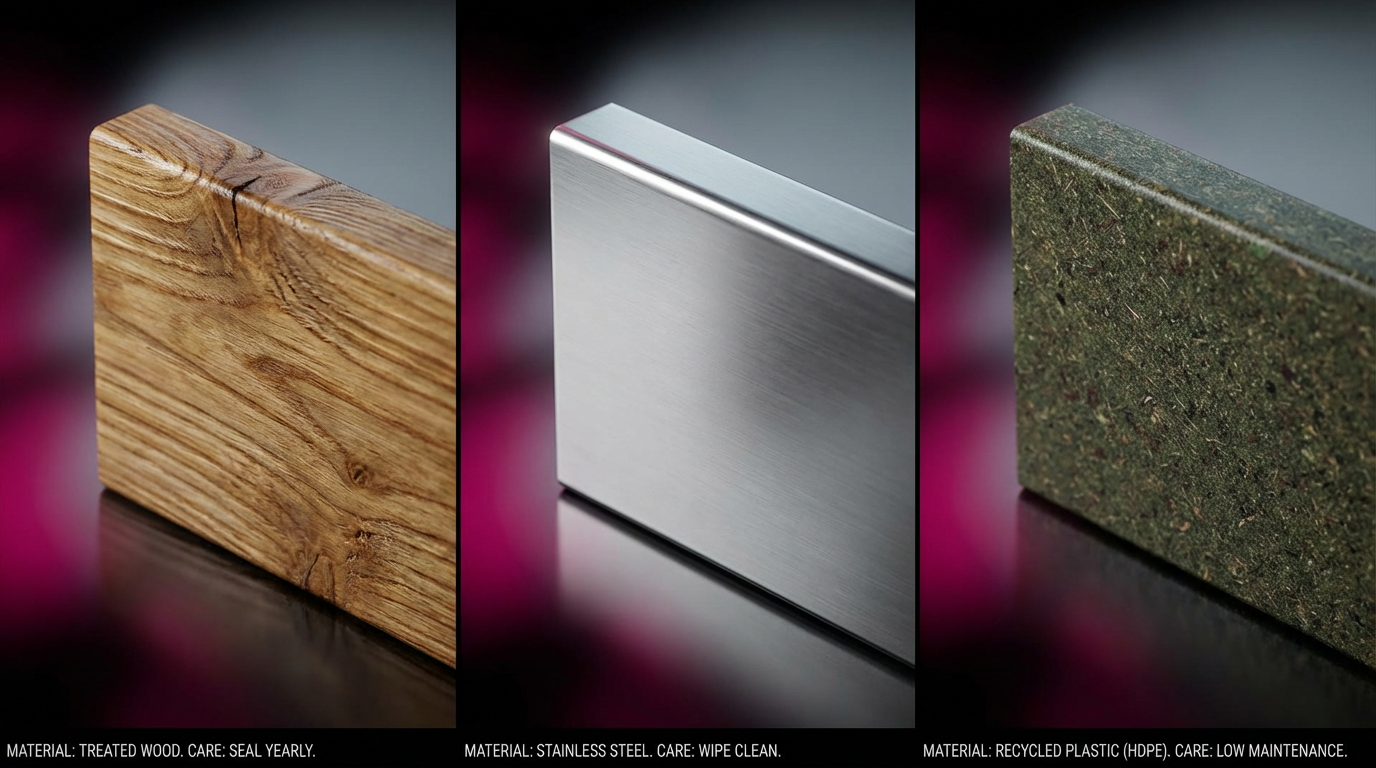
Effective maintenance starts with understanding the material you’re working with. Each type of outdoor educational furniture has different vulnerabilities and requires a specific care routine. Choosing the wrong product or method can be ineffective or even cause damage. Our approach is to tailor maintenance to the material, ensuring an effective protection and longest life for every asset.
Wood Furniture Care (Pine, Teak, Oak)
Wood is a classic choice, but it’s susceptible to rot, algae, and splintering if neglected. The key is cleaning before treating. Applying oil over dirt and algae traps moisture and microbes against the wood. A YouTube tutorial from a furniture restorer demonstrates that thorough sanding and cleaning are non-negotiable first steps for a lasting finish (YouTube, 2021).
For the common UK problem of green algae, a stiff-bristled brush (rarely wire, which damages wood fibres) and a dedicated outdoor cleaning solution are your best tools. To prevent splinters, a light sanding with fine-grit sandpaper after cleaning and before treating is essential. For treatment, the best oil for outdoor wood furniture is often a specialised Teak, Tung, or Danish oil that nourishes the wood and contains UV inhibitors.
Metal Furniture Care (Steel and Aluminium)
Metal furniture offers durability, but steel is vulnerable to rust. The key is to catch rust spots early. If you see a small patch of rust on a powder-coated steel frame, sand it back to bare metal, apply a rust-inhibiting metal primer, and then touch it up with a matching exterior metal paint. This prevents the spot from spreading. For general cleaning, a simple solution of soap and water is sufficient to maintain the protective powder coating. Aluminium is naturally resistant to rust, making it a lower-maintenance option, though it still requires regular cleaning.
Recycled Plastic (HDPE) Furniture Care
Recycled plastic, often High-Density Polyethylene (HDPE), is an increasingly popular choice for its low-maintenance properties. HDPE is a durable thermoplastic polymer known for its resistance to moisture, rot, and insects. Its primary maintenance needs are simple: regular cleaning with soap and water to remove surface dirt and periodic checks of all structural fixings, like bolts and screws, to ensure they remain tight. While it won’t rot, prolonged exposure to intense UV light over many years can make any plastic brittle, so a visual inspection for cracks remains a sensible precaution.
Case Study: A Proactive Maintenance Scenario
- Challenge: A typical UK primary school with wooden picnic benches and play tables was spending approximately £3,500 every three years to replace items that had become unsafe due to rot and splintering. Their maintenance was reactive, only addressing issues once they became hazardous.
- Solution: The school implemented a termly maintenance schedule as outlined in this guide. They created an asset register, assigned a staff member to lead checks, and invested £500 in quality cleaning supplies, sandpaper, and penetrating wood oil.
- Results: After the first year, no items required replacement. The annual maintenance cost was just £500, compared to the previous average of over £1,100 per year for replacements. The furniture’s lifespan was projected to double, saving the school over £4,000 in a five-year period.
- Key Insight: A small, consistent investment in proactive maintenance delivers a substantial return by dramatically reducing the need for costly capital expenditure on replacement furniture.
Treatment Showdown: Choosing Between Oil, Varnish, and Paint
Deciding whether to oil or varnish outdoor furniture is a common question for school maintenance teams. An effective choice depends on the wood type, the level of use, and your desired maintenance schedule. Oil penetrates the wood to nourish it from within, while varnish and paint create a hard, protective film on the surface.
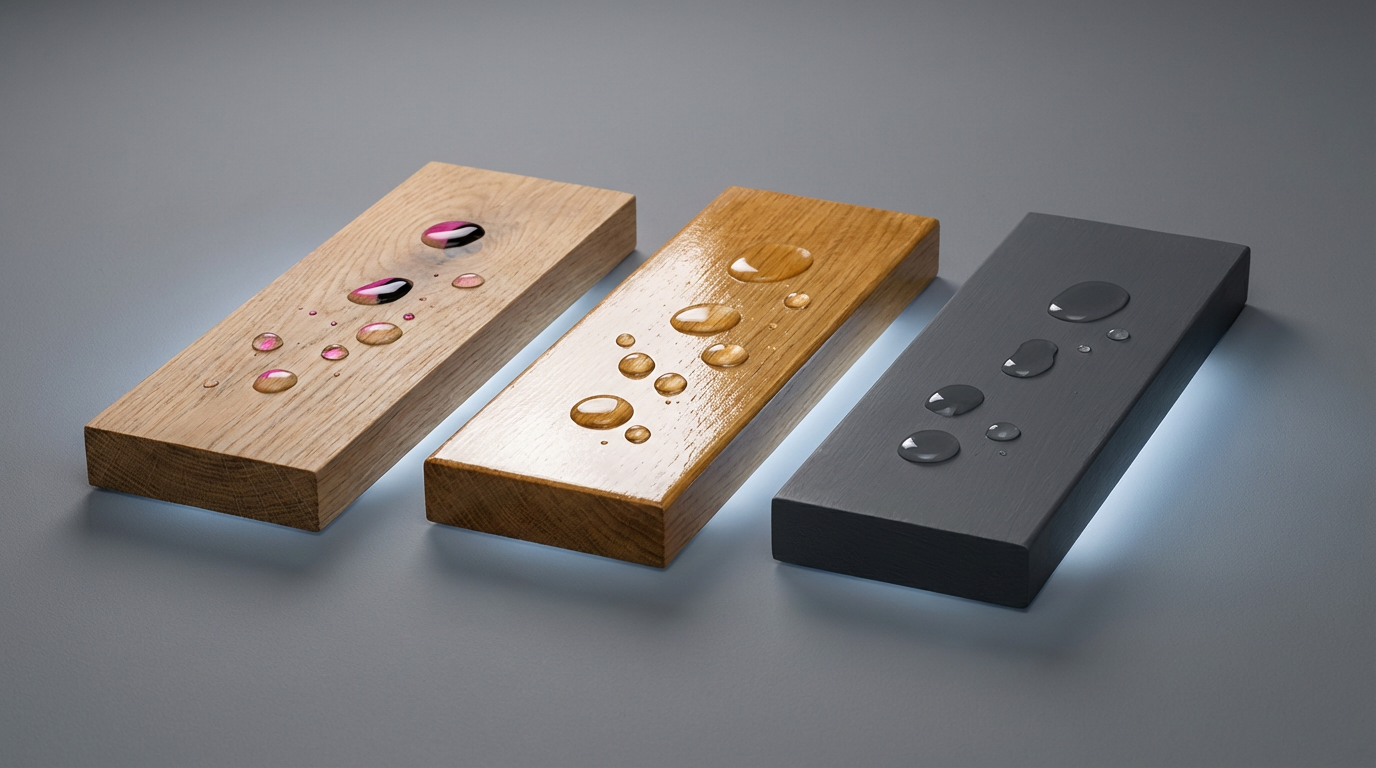
In our experience, oil is often superior for hardwoods like oak or teak used in educational settings. It maintains the natural texture of the wood (reducing slipperiness), is easier to patch-repair, and doesn’t crack or peel, which can create sharp edges and trap water. Varnish can offer tougher initial protection but requires complete sanding before re-application. According to timber specialists MG Timber Products Ltd, annual treatment is recommended to protect wood from both sun and rain. The best oil for outdoor wood furniture will contain UV filters and fungicides for comprehensive protection.
| Treatment Type | Protection Level | Appearance | Re-application Frequency | Best For |
|---|---|---|---|---|
| Penetrating Oil | Good (Nourishes wood) | Natural, matte finish | Annually | Hardwoods (Oak, Teak); maintaining natural feel. |
| Exterior Varnish | Very Good (Surface film) | Gloss or satin sheen | Every 2-3 years (requires full sanding) | Softwoods (Pine); high-wear surfaces like tabletops. |
| Exterior Paint | Excellent (Opaque film) | Solid colour, hides wood grain | Every 3-5 years (can chip/peel) | Older furniture; achieving a specific colour scheme. |
| Water Sealant | Basic (Repels water) | Clear, minimal change | Every 6-12 months | A temporary measure or for very low-use items. |
Safety First: A Compliance & Inspection Guide for Outdoor Educational Furniture
Maintaining your outdoor educational furniture is not just about appearance; it’s a fundamental health and safety requirement. The Health and Safety Executive (HSE) requires schools to ensure all equipment is safe for use. A documented inspection schedule is an effective way to demonstrate compliance. For commercial outdoor furniture, the relevant standard is often BS EN 581, which covers safety, strength, and durability requirements.
Your school outdoor furniture maintenance plan should therefore include a simple, repeatable inspection checklist. This task can be carried out by a site manager or a designated staff member. Any item that fails an inspection must be immediately removed from use until it is repaired or replaced. This diligence is non-negotiable for pupil safety. At Cost Cutters UK, all our recommended furniture meets stringent safety standards, a fact you can verify via our official certifications and accreditations.
Key Inspection Points for Pupil Safety
- Stability: Push and pull on tables and benches. They should not wobble or rock. Check that all legs are firmly on the ground.
- Structural Integrity: Visually inspect for deep cracks in wooden legs, significant rust on metal frames, or broken welds. Pay close attention to joints.
- Surface Finish: Run a hand (carefully, or with a cloth) over all accessible wooden surfaces to check for splinters. Look for peeling paint or varnish that could create sharp edges.
- Fixings and Entrapment: Check that all bolts, screws, and nuts are tight. Inspect for any gaps between 5mm and 25mm that could present a finger entrapment hazard for young children.
Frequently Asked Questions About Outdoor Furniture Maintenance
What is outdoor educational furniture?
Outdoor educational furniture refers to durable, weather-resistant tables, benches, and play equipment specifically designed for use in school playgrounds, forest school areas, and outdoor classrooms. It’s built to withstand heavy use and comply with safety standards for educational environments, supporting both learning and recreational activities outside.
How do you maintain outdoor educational furniture?
Maintaining outdoor educational furniture involves a three-step process: regular cleaning, seasonal inspections for safety, and applying protective treatments like oil or varnish. This combination prevents weather damage from the UK climate and ensures longevity. We recommend this process is documented in a maintenance log for compliance purposes.
Should I oil or varnish my outdoor furniture?
Oil is generally better for maintaining the natural look and feel of hardwoods, while varnish provides a more durable, sealed surface effective for softwoods or high-wear items. The choice depends on the wood type, the desired maintenance level, and your aesthetic preference. Varnish requires more prep work (full sanding) when re-coating.
How often should I oil my outdoor furniture?
For the UK climate, you should aim to oil your outdoor wooden furniture at least once a year, typically in the autumn to prepare for winter. Furniture in very exposed locations or subject to heavy use may benefit from a second light coat in the spring. Typically ensure you apply oil to clean, dry wood.
What type of oil is best for outdoor wood furniture?
an effective oils for outdoor wood furniture are typically teak, tung, or Danish oil, as they penetrate deeply and offer UV protection. Teak oil is excellent for hardwoods like teak and oak, while Danish oil provides a slightly harder satin finish. You should avoid using cooking oils like vegetable or olive oil as they can encourage mould growth.
How do you remove green algae from school benches?
To remove green algae, use a stiff-bristled brush (not wire) and a solution of warm water with a specialised outdoor cleaner or a mild detergent. After scrubbing the affected areas, you must rinse the surface thoroughly with clean water and allow it to dry completely before any pupils use it or before applying a protective treatment.
What are the main disadvantages of using varnish?
The main disadvantages of varnish are that it can crack or peel over time, trapping moisture underneath which can cause the wood to blacken and rot. Re-application is also more labour-intensive than oiling, as the old, failed layer must be completely sanded away for a smooth, effective new finish.
Is it necessary to cover outdoor furniture in winter?
Yes, using breathable, waterproof covers is highly recommended in the UK to protect outdoor furniture from frost, snow, and persistent damp. This simple step significantly reduces winter weathering and minimises the amount of cleaning and repair work needed in the spring. Avoid non-breathable plastic tarps which can trap moisture.
Can you use a pressure washer on outdoor furniture?
Using a pressure washer is not recommended for wooden furniture, as the high-pressure jet can damage the wood fibres and raise the grain, causing splinters. It can be used cautiously on a low-pressure setting for robust metal or solid plastic furniture, but a bucket, brush, and hose is typically the safer and more controlled option.
How do you check if furniture is safe for school use?
To check for safety, perform a stability test by pushing on the item, inspect all surfaces for splinters or sharp edges, and check that all bolts and screws are tight. Also, ensure there are no gaps that could present an entrapment hazard, in line with guidance from the Health and Safety Executive (HSE).
Important Considerations
This guide provides general best practices based on our experience with common materials used in UK schools. However, specific furniture from different manufacturers may have unique care instructions or warranties that you should consult first. The effectiveness of treatments can also vary based on local microclimates, such as coastal areas with salt spray or heavily shaded, damp areas prone to algae.
Whilst this guide focuses on proactive maintenance as the most cost-effective strategy, alternative approaches exist. Some schools opt for zero-maintenance materials like 100% recycled plastic, accepting a higher initial cost for lower lifetime upkeep. Others may choose to replace items on a fixed cycle rather than performing deep refurbishments, a decision that depends on available budgets and staffing for maintenance tasks.
If your inspections uncover significant structural damage-such as deep cracks in legs, widespread rot, or bent metal frames-You should remove the item from service immediately. For complex repairs or if you are unsure whether an item is safe, we recommend you consult a professional. Our team can help assess the furniture and advise on the viability of repair versus replacement.
Protecting Your Investment and Ensuring Pupil Safety
a structured approach to maintaining your outdoor educational furniture pays significant dividends. By implementing a year-round schedule for cleaning, inspection, and treatment, you not only extend the lifespan of these valuable assets but also uphold your duty of care by ensuring a safe environment for pupils. Proactive seasonal furniture care uk schools can adopt is the most cost-effective strategy. From our “Design To Install We Do It All!” philosophy to ongoing support, we’re your trusted partner.
If your inspections reveal furniture that is beyond economical repair, or you’re looking to upgrade your outdoor learning spaces, Cost Cutters UK can help. With our 35+ years of experience, we provide durable, compliant, and cost-effective solutions, often with Bulk Buy Discounts available. For expert advice on assessing your current inventory or planning a new layout, book a free, no-obligation space planning consultation with our specialists today and ask about our flexible payment options.
References
- MG Timber Products Ltd – Knowledge Base Article. Recommends annual treatment for wooden outdoor furniture to protect against sun and rain damage.
- Landscapes for Learning – Industry Blog. Emphasises the importance of regular inspection schedules for outdoor play equipment to ensure safety and compliance.
- BE Furniture Sales – Commercial Guide. Suggests cleaning and covering furniture before winter storage is essential for longevity.
- Gaze Burvill – Industry Blog. Highlights autumn as the critical time for cleaning and treating outdoor furniture after summer use and before winter.
- YouTube – A Beginner’s Guide (2021) – Video Tutorial. Demonstrates the process of sanding, cleaning, and oiling to restore weathered outdoor furniture.
- Classroom Direct – Commercial Guide. Provides cleaning tips relevant to a school environment, focusing on different types of stains and surfaces.
Conclusion
Protecting Your Investment and Ensuring Pupil Safety
In summary, a structured approach to maintaining your outdoor educational furniture pays significant dividends. By implementing a year-round schedule for cleaning, inspection, and treatment, you not only extend the lifespan of these valuable assets but also uphold your duty of care by ensuring a safe environment for pupils. Proactive seasonal furniture care in the UK is the most cost-effective strategy for any school.