The Ultimate Checklist for Early Years Setting Furniture: A UK Procurement Guide
🎯 Key Takeaway
Selecting the right early years setting furniture requires a strategic approach that balances budget, UK safety compliance, durability, and the specific needs of the Early Years Foundation Stage (EYFS) curriculum. This guide provides the expert checklists and procurement advice needed to furnish your setting with confidence and long-term value in mind. Prioritise compliance with UK safety standards like BS EN 1729 to ensure child safety and meet regulatory obligations. Also, plan your space using ‘learning zones’ to select multi-functional furniture that supports varied activities. Finally, vet suppliers based on their UK public sector experience, product may help, and ability to provide transparent quotes for budget approval.
For any School Business Manager (SBM) or Headteacher, the task of furnishing a new or refurbished early years space is significant. It’s not just about filling a room; it’s about creating an inspiring, safe, and compliant learning environment, often within tight budgetary constraints. When procuring early years setting furniture, you must balance aesthetics with robust safety standards and direct curriculum support. This is where a strategic approach to nursery furniture procurement in the UK becomes essential. This guide moves beyond a simple shopping list, providing a comprehensive framework for your project. We’ll cover the crucial initial steps of planning and compliance, provide a detailed zone-by-zone checklist, and offer expert advice on vetting suppliers to ensure you receive an effective long-term value from your investment in our comprehensive range of school and educational equipment.
Written by: Cost Cutters UK Content Team | Reviewed by: Cost Cutters UK Editorial Team, 35+ Years Experience; Rated Excellent On Trustpilot
Last updated: 11 March 2026
ℹ️ Transparency Disclosure
This article explores the procurement of early years furniture based on our 35+ years of industry experience and analysis of UK regulatory standards. For full transparency, some links may connect to our services and product pages. All information is verified by our editorial team to ensure accuracy and relevance for UK educational settings. Cost Cutters UK is a leading national supplier of educational and commercial furniture, and we are proud to be Rated Excellent On Trustpilot.
How Do You Plan for Procurement, Budgeting, and UK Compliance for Early Years Setting Furniture?
The most effective procurement process begins with thorough planning that anchors your decisions in compliance and long-term value. Before you even look at a catalogue, you must conduct a space audit and establish a clear budget. This involves measuring your room and mapping out your desired early years classroom layout. This plan must be directly informed by UK-specific regulations, most importantly the eyfs furniture requirements. The key standard to understand is BS EN 1729, which is the British and European standard for educational furniture. It has two parts: Part 1 covers functional requirements and dimensions (ensuring furniture is the right size for the age group), while Part 2 covers safety, strength, and stability requirements.
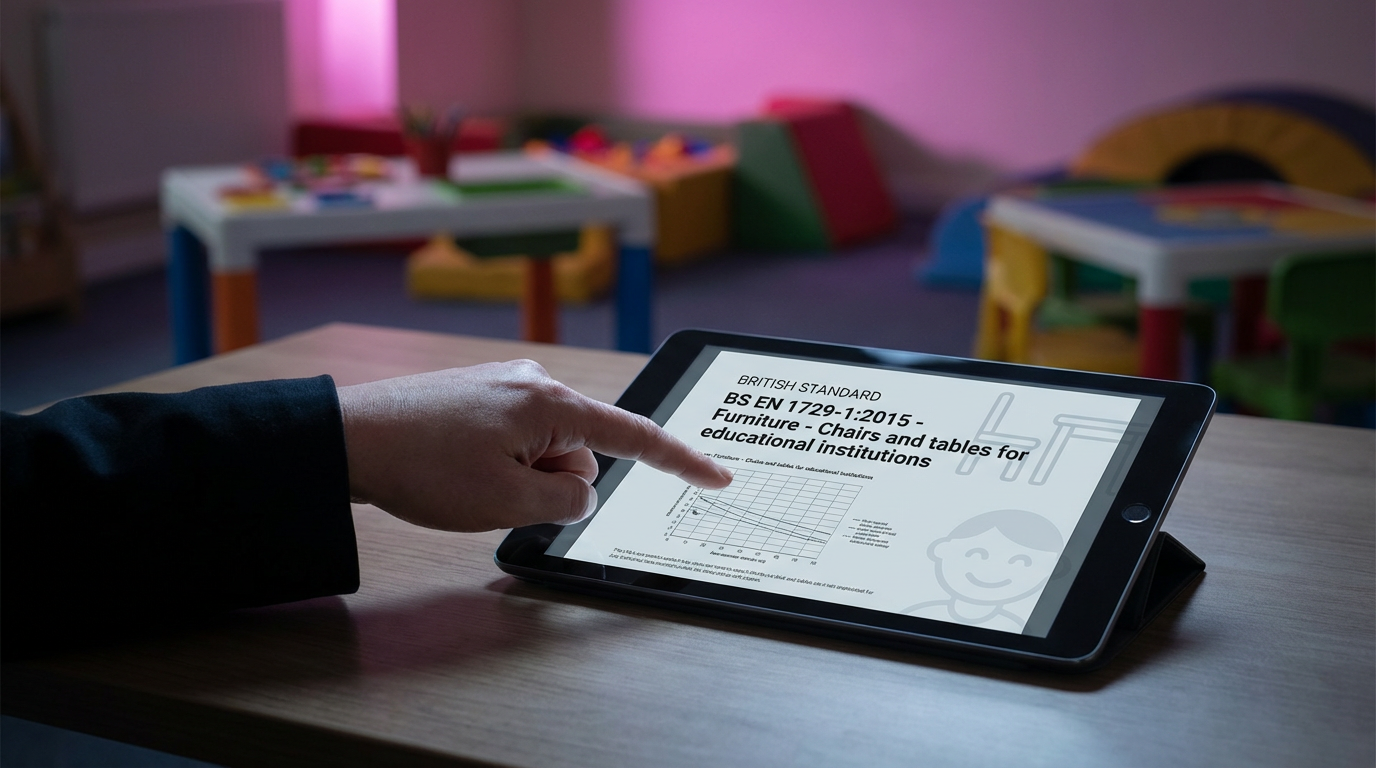
Compliance isn’t just a box-ticking exercise; it’s fundamental to child safety and a key aspect of Ofsted inspections. When seeking budget approval, presenting a plan that prioritises compliant, durable furniture demonstrates foresight. You can justify a higher initial spend by showing how it translates into lower total cost of ownership, fewer replacements, and a safer environment for children. This strategic approach transforms the purchase from an expense into a long-term investment in your setting’s quality.
Understanding Key UK Safety Standards
BS EN 1729 is the cornerstone of school furniture safety standards in the UK. This standard ensures that tables, chairs, and other items are ergonomically designed for children and are robust enough to withstand the rigours of a classroom environment. For instance, it specifies that there should be no sharp edges or points and that items must be stable to prevent tipping. According to data from the Health and Safety Executive (HSE) (2023) on education sector injuries, slips, trips, and falls are a leading cause of non-fatal injury, a risk that stable, well-designed furniture helps mitigate. Also, any upholstered items, such as soft seating or beanbags, must meet UK fire retardancy (FR) regulations. Reputable suppliers will typically provide certificates of conformity for their products, giving you documented proof of compliance.
Budgeting for Long-Term Value
Choosing cost-effective nursery furniture is not about finding the lowest price tag. We firmly believe that true value lies in durability and longevity. A cheap table that needs replacing in two years is far more expensive than a high-quality one that lasts for ten. This concept is known as Total Cost of Ownership (TCO), which factors in the initial price plus maintenance and replacement costs over the item’s lifespan. Research from industry bodies like the British Educational Suppliers Association (BESA) (2024) consistently shows that quality, compliant furniture has a significantly longer lifespan, often exceeding 10-15 years compared to just 2-3 years for budget alternatives. When presenting your budget, highlight the TCO. Showcasing long-term savings and enhanced safety makes for a much more compelling business case than simply requesting funds based on the cheapest initial quote.
The Ultimate Early Years Furniture Checklist by Learning Zone
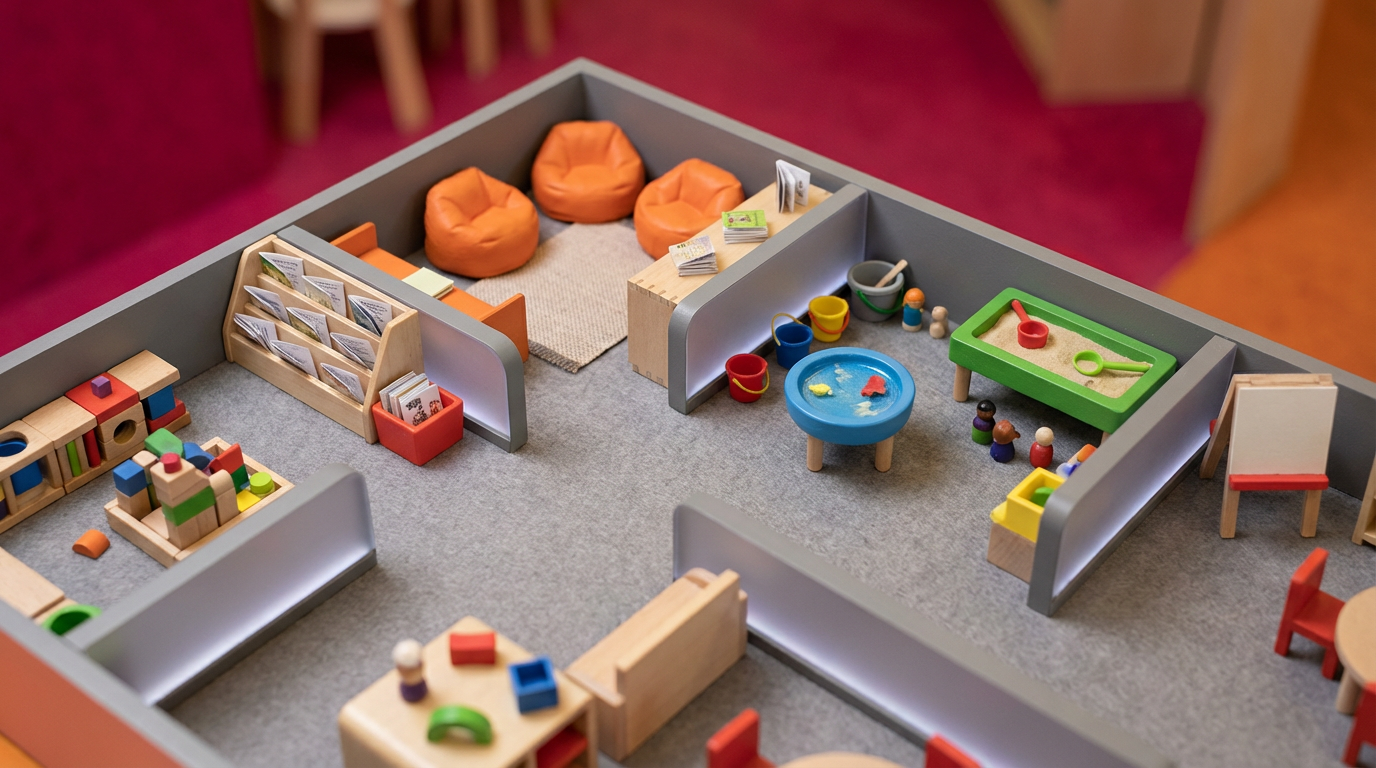
A successful early years classroom layout is built around distinct ‘learning zones’ that encourage different types of play and development. Structuring your early years furniture checklist this way ensures that every piece has a purpose and contributes to a cohesive, stimulating environment. This method helps you select multi-functional classroom furniture for early years that supports the curriculum and optimises your space. By grouping furniture, you create intuitive areas for activities ranging from messy play to quiet reading, promoting both independent exploration and structured learning. This zone-based approach is endorsed by educational bodies like the Early Years Alliance (2025), which highlights the importance of an enabling environment. Below is our practical checklist to guide your selection process for each critical zone.
| Learning Zone | Essential Furniture Item | Key Feature to Look For | Cost Cutters UK Recommendation |
|---|---|---|---|
| Welcome & Circle Time | Storage Tray Units | Low-level, accessible to children | Monarch Bubblegum Range |
| Creative & Messy Play | Sand & Water Table | Includes a lid for versatility | TickiT Sensory Mood Sand and Water Table |
| Reading & Quiet Corner | Book Browser | Forward-facing to display covers | Mobile Kinderbox on Castors |
| Role Play & Construction | Room Dividers / Storage | Multi-functional, creates defined space | Specialised furniture from brands like Twoey |
| Table-Based Activities | Tables & Chairs | BS EN 1729 compliant, correct size mark | Postura+ Chairs & Crush Bent Tables |
Zone 1: Welcome & Circle Time Area
This zone sets the tone for the day, so it needs to be inviting and organised. Key items include a large, colourful rug to define the gathering space, low-level storage units for children to store their bags and belongings independently, and a comfortable, appropriately sized teacher’s chair. The goal is to create a warm, welcoming first impression that helps children transition smoothly into the school day.
Zone 2: Creative & Messy Play
Functionality is paramount here. Look for adjustable-height easels that can grow with the children, robust sand and water tables (ideally with lids to double as a workspace), and wipe-clean tables and chairs that can withstand paint, glue, and clay. Materials should be non-porous and easy to sanitise. It’s a space designed for exploration, so the furniture must be tough enough to handle it.
Zone 3: Reading & Quiet Corner
To foster a love of reading, this corner should feel calm and cosy. We recommend using soft seating like durable beanbags, floor cushions, or a small sofa. Crucially, include forward-facing book browsers that display the vibrant covers, as research from organisations like Community Playthings (2024) shows this is more engaging for young children than spine-out shelving. A small canopy or den structure can also make the space feel more secluded and special, well-suited for finding a moment of quiet in a busy room. Our range of Breakout Furniture offers many suitable options.
What’s an effective Way to Choose a Supplier for Your Furniture?
Selecting the right supplier is as important as selecting the furniture itself, especially for nursery furniture procurement in the UK. An effective supplier acts as a partner, offering expertise and support that goes far beyond a simple transaction. Your goal should be to find a company with demonstrable experience in the UK public sector, a deep understanding of educational compliance, and a commitment to long-term customer satisfaction. A thorough vetting process is essential to mitigate risks and ensure you receive both compliant products and reliable service. This is about Saving Time & Stress in the long run.

A key part of this is creating a supplier vetting checklist. What may help do they offer on their durable school furniture? Can they provide formal, detailed quotes suitable for purchase order systems and budget approval meetings? Do they offer flexible payment options, such as Credit Accounts Or Pay Flexibly? Their ability to answer these questions confidently will reveal their suitability as a long-term partner for your school or nursery.
### Case Study: A Hypothetical Nursery Refurbishment
Challenge: A community nursery in Manchester needed to refurbish its 2-3-year-old room on a tight budget of £8,000. Their existing furniture was old, mismatched, and not fully compliant with current safety standards, posing a risk during Ofsted inspections.
Solution: The nursery manager partnered with a specialist supplier who provided a free space planning service. They developed a layout based on learning zones and selected multi-functional, durable school furniture that met BS EN 1729. By choosing a supplier offering Bulk Buy Discounts, they were able to afford a complete room set.
Results: The nursery successfully procured a full room of compliant, high-quality furniture for £7,850. The new layout improved classroom flow and engagement. At their next Ofsted visit, the inspector positively commented on the safe and enabling environment.
Key Insight: Partnering with a specialist supplier who offers a complete ‘Design To Install’ service can maximise a limited budget and ensure compliance, preventing costly mistakes.
Key Vetting Questions for Suppliers
When evaluating potential suppliers, having a structured list of questions is crucial. We recommend asking the following:
- Can you provide certificates of conformity for BS EN 1729 for your products?
- What is your experience working with UK schools, nurseries, and local authorities?
- Are you listed on any public sector procurement frameworks?
- What are the warranty periods for your furniture ranges?
- Do you offer a design and space planning service?
- Can you manage the entire process from delivery to installation? Our “Design To Install We Do It All!” service is a key differentiator.
- What is your process for handling after-sales issues or replacements?
According to analysis from the Crown Commercial Service (2025), public sector bodies increasingly prioritise supplier experience and compliance assurance over initial cost alone, recognising the long-term value it provides.
Leveraging Public Sector Frameworks
Procurement frameworks are pre-vetted lists of suppliers that public sector bodies, including schools, can use to purchase goods and services. Using a framework simplifies the nursery furniture procurement UK process immensely. It provides assurance that the suppliers have already been assessed for their financial stability, compliance, and value for money. This saves you the time and effort of conducting extensive due diligence yourself. When a supplier is on a framework like ESPO or YPO, you can be confident that their pricing is competitive and their processes are compliant with public procurement regulations. At Cost Cutters UK, we are proud to be featured on several major frameworks, and you can view our official certifications and accreditations on our website.
How Can You Ensure Durability and Long-Term Value?
Ensuring durability comes down to understanding materials and construction quality. While a piece of furniture might look good in a photo, its ability to withstand the daily demands of an early years setting depends entirely on what it’s made of and how it’s put together. This is where expert knowledge can help you procure genuine cost-effective nursery furniture rather than just cheap items. High-quality materials and robust construction are the cornerstones of durable school furniture.
Solid wood, for example, is incredibly strong but often comes with a higher price point. High-quality birch plywood offers excellent durability and a premium look. However, for most settings, a great balance of durability, cleanability, and cost is found in high-pressure laminate or modern Melamine Faced Chipboard (MFC). According to technical data from bodies like FIRA International (2024), the key is the quality of the board and its edging. Look for classroom furniture for early years with thick, impact-resistant PVC or ABS edging that is fully sealed. This prevents moisture from getting into the core and protects against bumps and scrapes, which are inevitable in a busy classroom. Plus, choosing multi-functional pieces, like a storage bench that provides both seating and a place for toys, maximises your investment and makes the most of your floor space.
Frequently Asked Questions
What is early years setting furniture?
Essential early years setting furniture includes specialised items designed to support the safety, development, and learning of children aged 0-5. This typically comprises child-sized tables and chairs, accessible low-level storage units, book displays, and dedicated stations for creative or messy play. The most important qualities are compliance with UK safety standards like BS EN 1729, durability to withstand heavy use, and designs that support the Early Years Foundation Stage (EYFS) curriculum.
What are the UK safety standards for school furniture?
The primary safety standard for UK school furniture is BS EN 1729, which covers both ergonomic sizing and structural safety. This standard ensures furniture is the correct size for the children using it and is strong and stable enough to prevent accidents. Plus, any upholstered items like beanbags or sofas must comply with UK Fire Regulations (FR). Reputable suppliers should typically be able to provide documentation proving their products meet these critical school furniture safety standards UK.
How can I make my early years furniture budget go further?
To maximise your budget, focus on multi-functional pieces and long-term value over low initial cost. For example, choose storage units that can also function as room dividers. Opting for high-quality, durable school furniture with a long warranty means you won’t face replacement costs in a few years. Also, look for suppliers that offer Bulk Buy Discounts or have a price match promise, as this can lead to significant savings on larger orders.
What is the difference between nursery and primary school furniture?
The main differences are size, ergonomic design, and pedagogical purpose, as guided by BS EN 1729 size marks. Nursery furniture is smaller and specifically designed to support play-based learning, featuring more items for creative and role-play activities. As children move into primary school, the classroom furniture for early years transitions towards more structured, desk-based work, with furniture sizes increasing to accommodate their growth and changing learning styles.
How do I create different learning zones with furniture?
You can create distinct learning zones by strategically using furniture to visually and physically partition a room. Use low-level storage units, shelving, or even large rugs to define areas. For example, group soft seating and book browsers in one corner to create a quiet reading zone, and place easels and sand-and-water tables in another for creative play. This simple grouping naturally signals the intended activity for each part of the classroom.
What materials are best for durable school furniture?
Solid wood and high-quality birch plywood offer maximum durability, but modern MFC provides an effective balance of cost and resilience for most settings. Melamine Faced Chipboard (MFC) or high-pressure laminate is easy to clean and very robust, especially when it features thick, impact-resistant PVC edging. This sealed edging is crucial as it protects the core material from moisture and damage, significantly extending the furniture’s lifespan in a busy classroom.
How often should early years furniture be replaced?
There is no fixed replacement timeline; it should be based on condition and safety rather than age. High-quality, compliant furniture that is well-maintained can easily last 10-15 years or even longer. You should conduct regular safety checks for stability, splinters, sharp edges, or signs of breakage. Furniture should be replaced immediately if it is deemed unsafe, regardless of how old it is.
Is it safe to use second-hand furniture in my nursery?
We advise extreme caution, as it is very difficult to verify if second-hand items meet current safety standards. While potentially cheaper, used furniture may not comply with BS EN 1729, and its history of wear and tear is unknown. For the safety of the children and to protect your setting from liability, our recommendation is to typically purchase new, compliant furniture from a reputable, specialist supplier.
How does the EYFS framework influence furniture choice?
The EYFS framework directly influences furniture choices by requiring an environment that supports a mix of child-led and adult-led activities. Your furniture must facilitate this. This means providing accessible, low-level storage to promote independence, offering varied surfaces for different types of play (messy, construction, quiet), and creating comfortable spaces for group activities. The right furniture is a key component of an “enabling environment” as defined by the eyfs furniture requirements.
Why use a specialist supplier for early years furniture?
A specialist supplier understands the unique demands, safety regulations, and curriculum needs of an educational setting. Unlike general retailers, they ensure products are fully compliant with school furniture safety standards UK, such as BS EN 1729. They can also offer expert advice on creating an effective early years classroom layout, recommend the most durable materials for your budget, and provide services like space planning, which ultimately delivers better long-term value.
Important Considerations
This guide provides a comprehensive early years furniture checklist, but every setting is unique. The effective furniture configuration will depend on your specific room dimensions, cohort size, and any specialised educational needs (e.g., Special Educational Needs – SEN). The recommendations here should be used as a robust starting point for your planning process, not as a rigid, universal prescription.
An alternative approach to a complete overhaul is a phased refurbishment. You could focus on upgrading one learning zone per academic year to spread the cost and minimise disruption. Whilst sourcing items from multiple non-specialist retailers might seem cheaper initially, this can lead to significant issues with mismatched quality, non-compliance with safety standards, and complex, uncoordinated delivery logistics, ultimately causing more stress and potential expense.
For complex spaces, new builds, or large-scale refurbishments, we strongly recommend a professional consultation. An expert can create a detailed 2D or 3D space plan that optimises workflow, ensures full compliance, and maximises your budget. This professional guidance is an invaluable part of the ‘Design To Install’ process and can prevent costly purchasing mistakes, helping you create a more effective and inspiring learning environment from day one.
Start Planning Your effective Learning Space Today
Ultimately, choosing the right early years setting furniture is a critical investment in the safety, development, and engagement of your children. By following a structured approach that prioritises UK compliance, zone-based planning, and careful supplier vetting, you can create a durable, inspiring, and cost-effective learning environment that stands the test of time and supports your educational goals.
With over 35 years of experience serving UK schools and nurseries, Cost Cutters UK is more than just a supplier; we are your procurement partner. If you need help translating your vision into a practical, budget-friendly reality, our specialists are here to assist. Book a free, no-obligation space planning consultation to get started.
References
- Health and Safety Executive (HSE) Education Statistics – Governmental Report (2023). Provides data on accidents and injuries in educational settings, underlining the importance of safe equipment and environments.
- British Educational Suppliers Association (BESA) – Industry Body Guidance (2024). Advocates for total cost of ownership over initial price, highlighting the longer lifespan and better safety of quality, compliant furniture.
- Early Years Alliance – Enabling Environments – Charity Guidance (2025). Details the importance of a well-resourced environment with distinct learning areas for supporting child development under the EYFS framework.
- Community Playthings – The Case for Play – Manufacturer Research (2024). Presents research on how specific furniture designs (e.g., room dividers, block play areas) facilitate different types of essential play.
- Crown Commercial Service – Public Sector Procurement – Government Framework Analysis (2025). Outlines the benefits for public bodies using procurement frameworks, including due diligence, value for money, and compliance.
- FIRA International – Furniture Material Standards – Research Association Technical Data (2024). Provides technical specifications and testing standards for furniture materials like MFC, detailing their durability and appropriate use cases.
CONCLUSION
Start Planning Your Ideal Learning Space Today
In summary, choosing the right early years setting furniture is a critical investment in the safety, development, and engagement of your children. By following a structured approach that prioritises UK compliance, zone-based planning, and careful supplier vetting, you can create a durable, inspiring, and cost-effective learning environment that stands the test of time.