Cost vs. Value: A UK Buyer’s Guide to Investing in Office Furniture for ROI
🎯 Key Takeaway
Analysing the cost vs. Value of office furniture involves looking beyond the initial price tag to calculate the Total Cost of Ownership (TCO), a calculation of the total cost of an asset over its lifecycle, and long-term return on investment (ROI). Value is measured by durability, ergonomic benefits, staff productivity, and compliance with UK safety standards, not just the purchase price. High-quality, ergonomic furniture can reduce absenteeism and increase employee retention, directly impacting your bottom line. A cheap chair replaced every two years can cost over double the price of a quality chair with a 10-year guarantee over a decade. This guide provides a framework for UK procurement managers to justify quality furniture as a strategic investment, not just an expense.
For procurement managers in UK schools, offices, and public sector bodies, the pressure is constant: reduce upfront spending. However, For furnishing a workspace, this focus on initial price can be a costly mistake. The true measure of a smart purchase isn’t what you pay today, but the benefit you receive over the next decade. Understanding the difference between cost vs. Value is critical for achieving a positive Return on Investment (ROI), a performance measure used to evaluate the efficiency of an investment. This guide provides a practical framework for UK organisations to look beyond the price tag, calculate the genuine long-term value office furniture provides, and make an informed investment in productivity, safety, and staff well-being. We’ll show you how to build a business case that research suggests quality isn’t an expense-it’s a strategic asset.
Written by: Cost Cutters UK Content Team | Reviewed by: John Carter, Senior Procurement Specialist, 35+ Years Experience; Rated Excellent On Trustpilot
Last updated: 15 March 2026
ℹ️ Transparency Disclosure: This article explores how to evaluate office furniture investments based on our 35+ years of industry experience and analysis of UK market data. Some links may connect to our services. All information is verified by our editorial team to ensure accuracy and compliance with UK standards as of March 2026.
Beyond the Price Tag: Defining the Cost vs. Value of Office Furniture
Yes, there is a fundamental difference that directly impacts your organisation’s finances. ‘Cost’ is the initial, one-time price you pay for an item. ‘Value’, however, is the total benefit you receive over the furniture’s entire lifespan. The procurement debate of value vs cost is best settled by analysing the total cost of ownership office furniture represents. This includes not just the purchase price but also delivery, installation, maintenance, repair, and eventual disposal costs that are compliant with UK waste regulations.
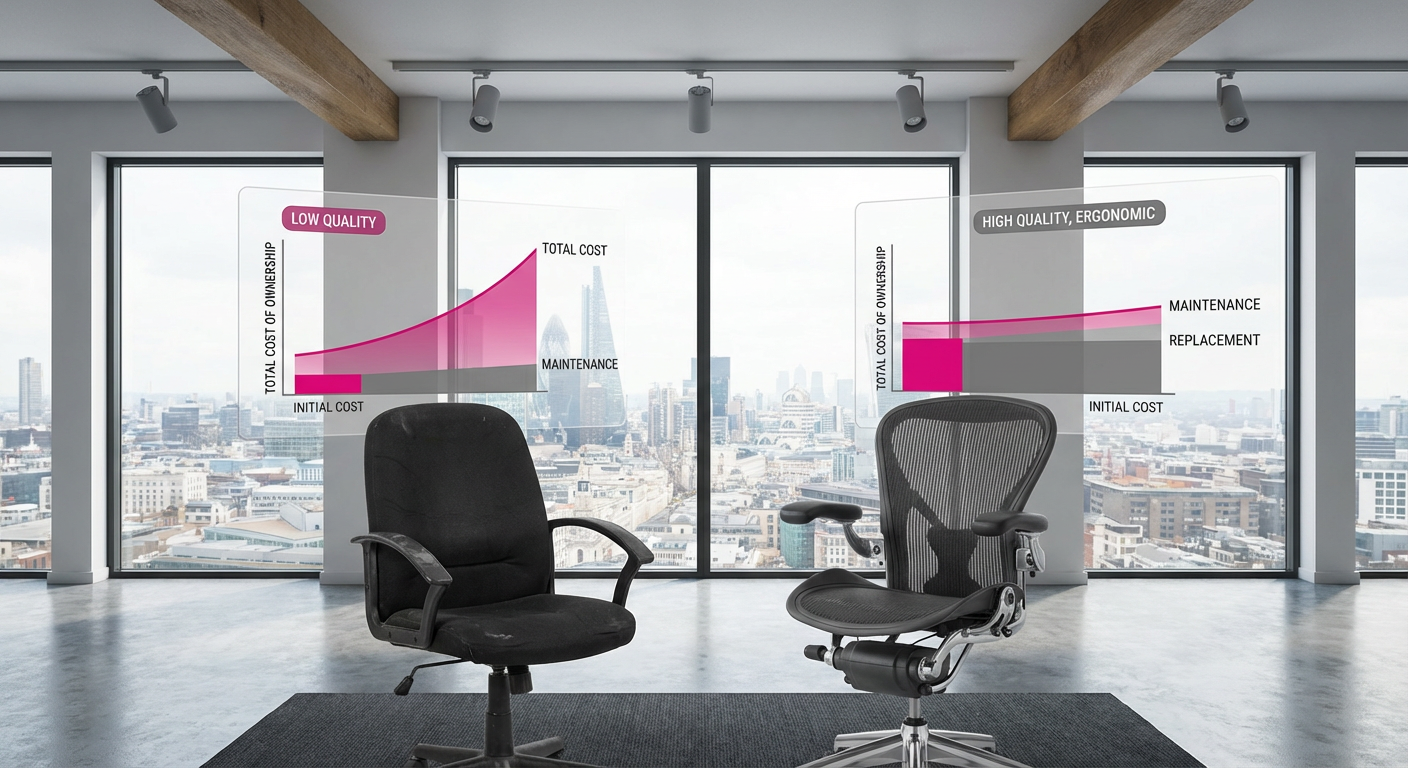
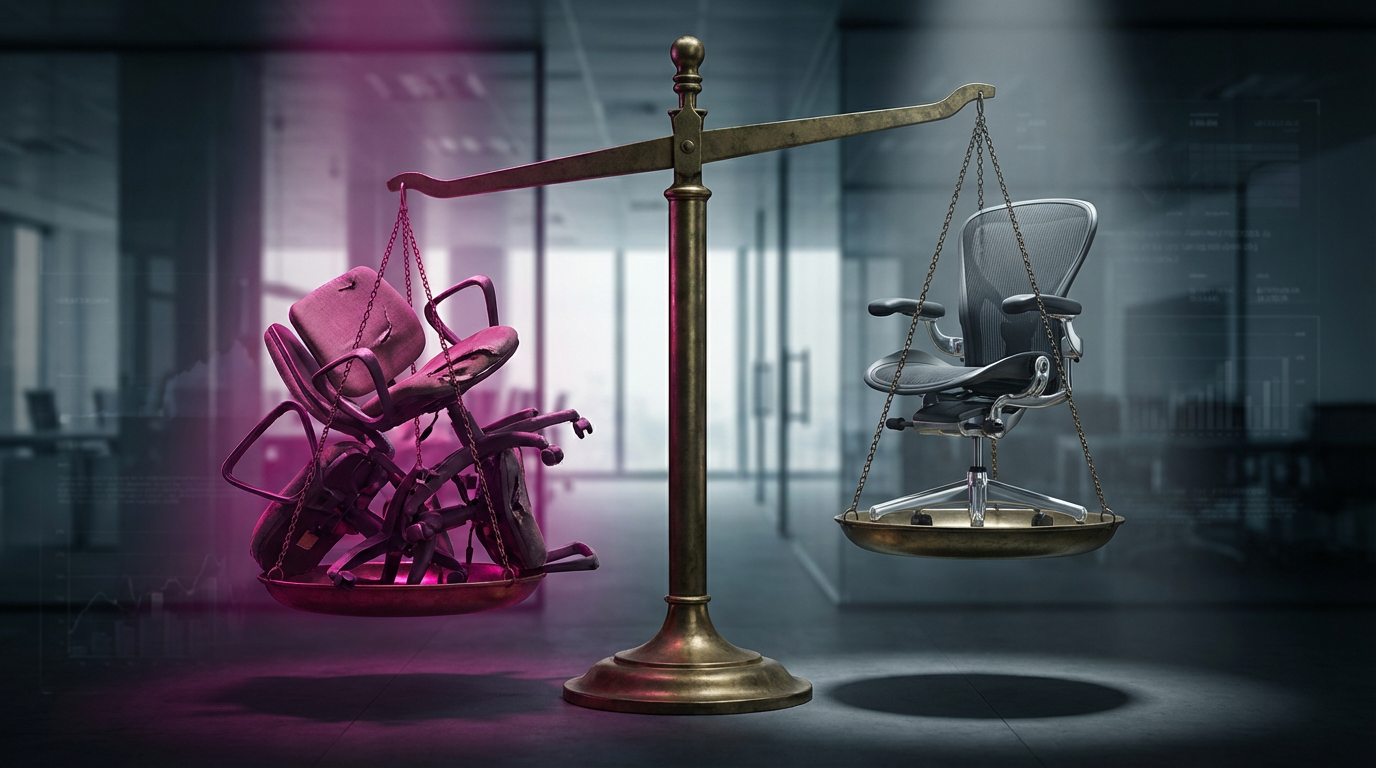
A low-cost item often comes with a short warranty (e.g., 1-2 years), is made from inferior materials, and fails to meet rigorous commercial-use standards. In our experience, we’ve seen organisations forced to replace these “bargain” chairs every two years. In contrast, a high-value item, while having a higher initial price, provides lasting benefits. Its value is demonstrated through durability (backed by may help of 10 years or more), superior material quality, ergonomic design that supports staff well-being, and full compliance with UK safety standards. This focus on lifecycle value transforms an expenditure into a long-term asset, preventing the cycle of repurchase and reducing overall office fit-out costs uk over time.
The Tangible ROI: How Quality Furniture Boosts Productivity and Well-being
Yes, quality furniture provides a measurable return on investment, primarily by fostering a healthier and more productive workforce. The ROI of ergonomic furniture is particularly significant. According to data from the Health and Safety Executive (HSE), the UK government agency for workplace health, musculoskeletal disorders (MSDs) accounted for millions of lost workdays in recent years. These issues, often stemming from poor seating and desk setups, represent a substantial hidden cost to UK businesses through absenteeism and reduced productivity.
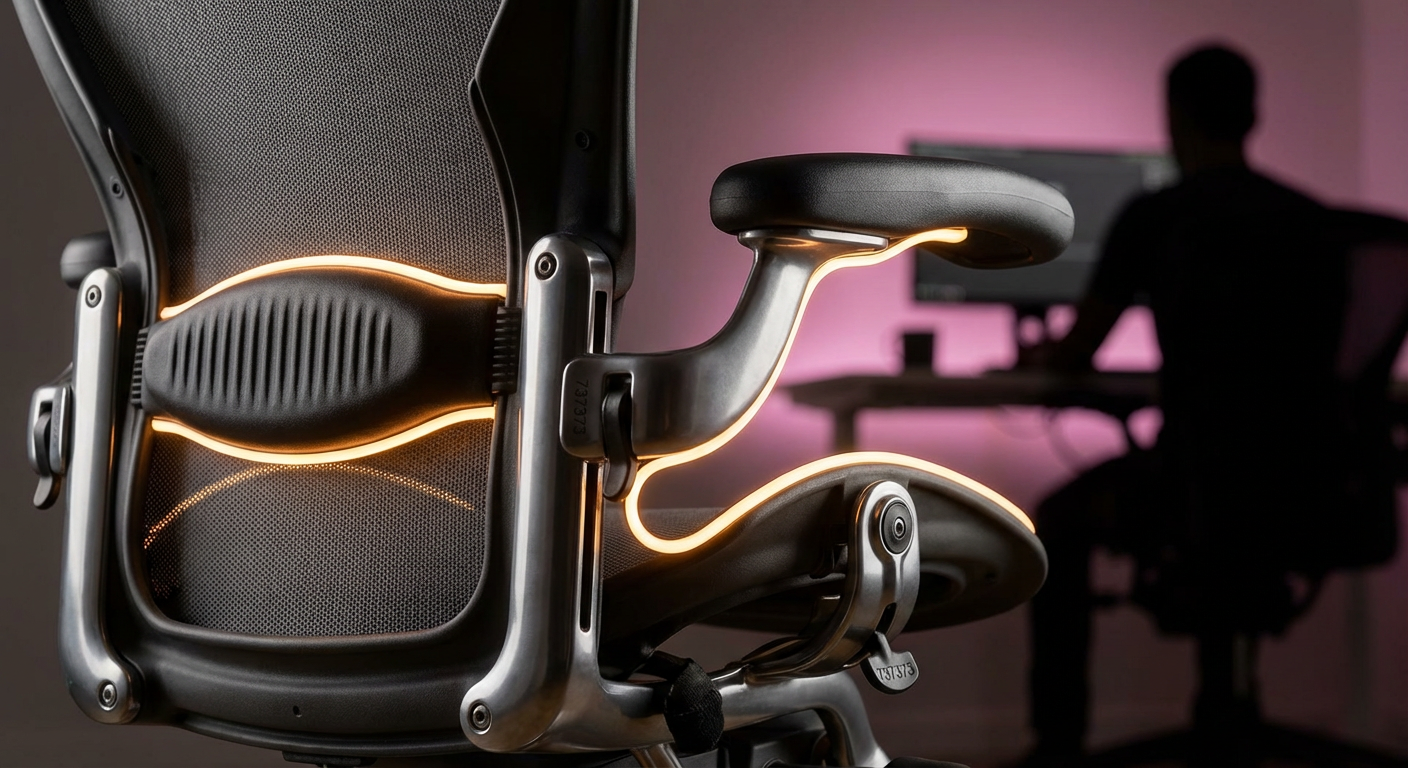
Ergonomic chairs and height-adjustable desks directly combat this. They promote good posture, reduce physical strain, and help prevent common workplace injuries. Research from institutions like The Furniture Industry Research Association (FIRA) (2024) indicates that well-designed ergonomic solutions can lead to a significant decrease in reported discomfort and a corresponding increase in employee focus and output.
Beyond individual workstations, the right furniture enhances the entire office ecosystem. Investing in well-designed modern breakout furniture can improve collaboration, spark creativity, and boost morale. In a competitive job market, a comfortable and supportive physical environment is a key factor in attracting and retaining top talent, delivering a powerful office furniture ROI.
### Case Study: A Hypothetical School Trust Scenario
Challenge: A multi-academy trust was experiencing high staff turnover in administrative roles and frequent complaints of back pain, leading to increased sick days. Their existing office chairs were a mix of low-cost models with an average age of three years.
Solution: The trust partnered with us to replace 150 chairs across five schools with certified ergonomic chairs featuring adjustable lumbar support and a 10-year warranty. The project was phased over six months to manage cash flow.
Results: Within 18 months, self-reported musculoskeletal discomfort dropped by 60%. Staff absenteeism related to back and neck pain fell by 35%, saving an estimated 200 workdays per year.
Key Insight: Presenting the purchase as a health and safety investment, rather than just a furniture upgrade, secured budget approval from the board.
Calculating Long-Term Value: A Framework for Your Business Case
Building a compelling business case requires shifting the conversation from price to total cost. Consider this common scenario: a procurement manager is choosing between a basic £70 operator chair and a high-quality £250 ergonomic chair. The initial saving of £180 per chair seems attractive, but this view is dangerously short-sighted.
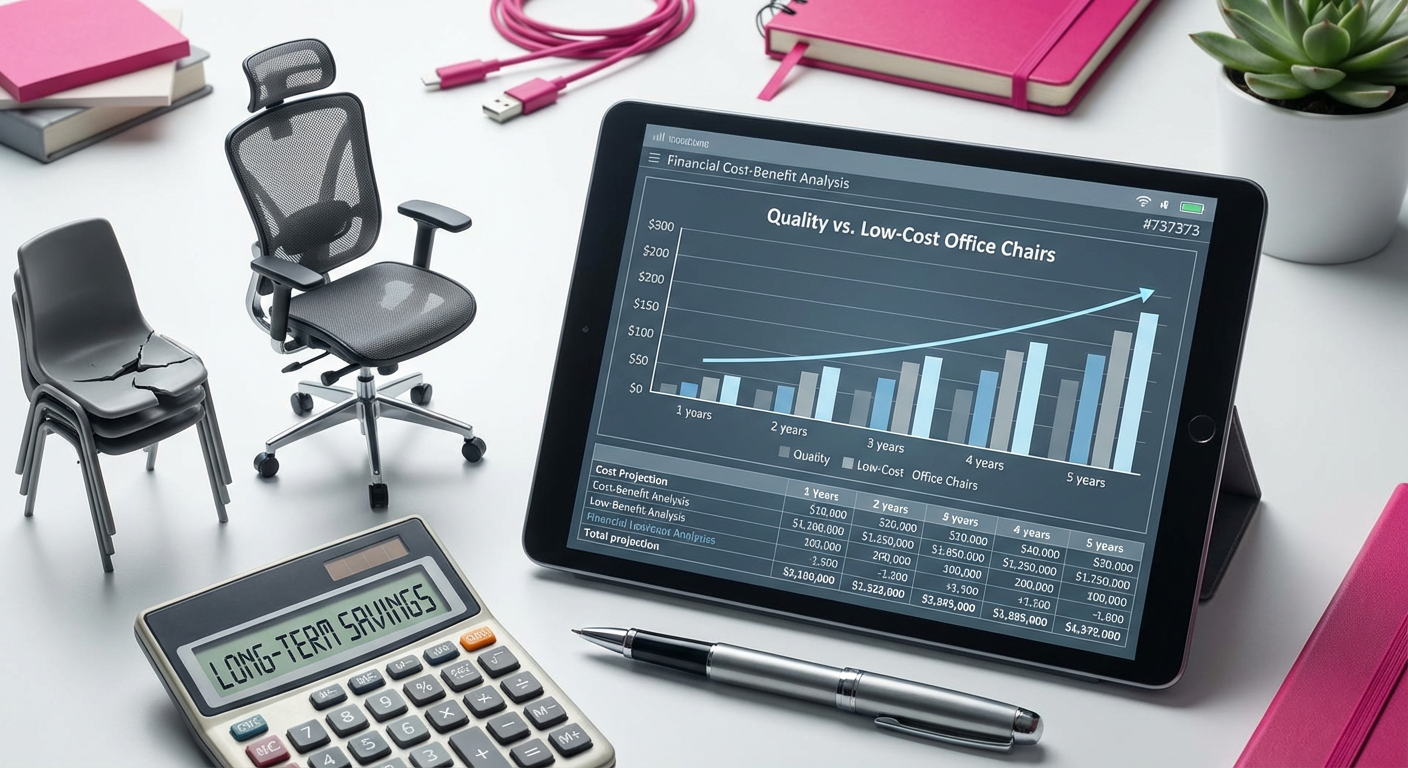
Let’s break down the true cost over a ten-year period. The cheap chair, with a typical 2-year warranty, will likely need to be replaced four times. That’s £70 x 5 = £350 in purchase costs alone. The quality chair, with a 10-year guarantee, costs just £250. But the analysis doesn’t stop there. We must add the “hidden” costs associated with the cheaper option: administrative time for re-ordering, staff downtime during replacement, and disposal fees for the old chairs. Most importantly, factor in the productivity loss from employees using uncomfortable, unsupportive seating.
To present this to stakeholders, we recommend using a Total Cost of Ownership (TCO) comparison. The table below illustrates how the initial “saving” quickly becomes a significant long-term expense. This data-driven approach demonstrates a clear office furniture ROI and justifies investing in long-term value office furniture.
| Metric | Low-Cost Option (‘The False Economy’) | High-Value Option (‘The Smart Investment’) | Financial Impact Over 10 Years |
|---|---|---|---|
| Initial Purchase Price | £70 | £250 | High-Value option is £180 more upfront |
| Warranty / Expected Lifespan | 2 Years | 10 Years | Low-Cost option requires 4 replacements |
| Total Purchase Cost (10 Yrs) | £350 (1 initial + 4 replacements) | £250 | Low-Cost option is £100 more expensive |
| Disposal & Admin Costs | £80 (4 replacements @ £20 each) | £0 | Additional hidden cost for cheap option |
| Productivity Loss (Est.) | 1-3% annually due to discomfort | Negligible | Potential thousands in lost output |
| Total Cost of Ownership (TCO) | £430 + Productivity Loss | £250 | The Smart Investment saves at least £180 per chair |
Navigating UK Compliance and Safety Standards
Yes, compliance is an strongly critical component of value, and overlooking it can expose your organisation to significant legal and financial risk. Low-cost furniture, particularly from non-specialist or overseas suppliers, often fails to meet the essential UK standards required for a commercial environment. This isn’t just about quality; it’s about safety and legal duty of care.
Key standards to look for include British Standards (BS), which are UK-specific standards ensuring product quality and safety. For instance, office chairs should conform to BS EN 1335, which tests for stability, strength, and durability. Office desks should meet BS EN 527. Also, all upholstered items used in a workplace must comply with UK Fire Safety Regulations, typically requiring materials to pass the CRIB5 test.
Choosing furniture that lacks these certifications creates serious risks. In the event of an accident or fire, your insurance could be invalidated, and the organisation could face prosecution by the HSE. We believe that compliance isn’t a burden; it’s a built-in guarantee of safety, durability, and quality. By partnering with a supplier who provides transparent information on our UK certifications and accreditations, you are procuring peace of mind and protecting your organisation from foreseeable harm.
Procurement Red Flags: How ‘Cheap’ Furniture Costs You More
When sourcing furniture, being able to spot the warning signs of a ‘false economy’ is a vital skill for any procurement professional. In our experience, these red flags almost typically lead to higher long-term costs and operational headaches.
We advise clients to watch for this checklist of warning signs:
- may help Under 5 Years: A short warranty period (1-2 years) on an item intended for daily commercial use is a clear indicator of low-quality components. The hidden cost is frequent replacement.
- Lack of Clear Compliance Certification: If a supplier cannot readily provide documentation proving their products meet BS EN 1335/527 and CRIB5 standards, you should be concerned. The hidden cost is legal liability and safety risk.
- Vague Material Specifications: Descriptions like ‘durable fabric’ or ‘sturdy frame’ are meaningless without specifics. Look for contract-grade materials designed for high-traffic environments. The hidden cost is premature wear and tear.
- Non-Contract-Grade Upholstery: Fabric and foam designed for domestic use will not withstand the rigours of an office or school. The hidden cost is rapid deterioration and a shabby appearance.
- Suppliers Without a UK Base or Track Record: Dealing with a supplier without a UK presence can make returns, warranty claims, and getting support incredibly difficult. We’ve seen organisations left with no recourse when things go wrong.
Identifying these red flags helps you steer clear of purchases that will ultimately cost you more in money, time, and stress.
Frequently Asked Questions
What is the difference between cost vs. Value in furniture?
The difference between cost and value is that cost is the one-time price you pay, while value is the total benefit you receive over the furniture’s entire lifespan. This analysis of cost vs. Value includes durability, warranty, ergonomic support, and compliance, all of which reduce long-term expenses. This approach shifts the focus from a simple transaction to a strategic investment for your organisation, a concept explored by sources like nibusinessinfo.co.uk (2023).
What is the main difference between price and cost?
Price is the amount a seller asks for a product, whereas cost is the total amount you, the buyer, ultimately spend acquiring, using, and disposing of it. For furniture, the ‘cost’ includes the price plus delivery, installation, maintenance, and eventual replacement. A low price can often lead to a high total cost over time, making this a critical distinction for any procurement professional to understand.
What is the meaning of value and cost?
In procurement, ‘cost’ refers to the initial financial outlay, while ‘value’ represents the long-term return on that investment, a distinction often discussed in business analysis. As highlighted in analyses on professional platforms like LinkedIn (2023), a low-cost item may break easily, leading to high replacement costs. A high-value item, though potentially more expensive upfront, delivers lasting performance, reliability, and other benefits like employee well-being.
How does the ROI of ergonomic furniture work?
The ROI of ergonomic furniture comes from reducing costs associated with poor posture and discomfort. According to the Health and Safety Executive (HSE) (2023), musculoskeletal issues are a leading cause of lost workdays in the UK. Ergonomic chairs and desks mitigate this risk, leading to lower absenteeism, higher productivity, and improved staff retention, all of which are measurable financial gains for your business.
What are the 4 main types of cost for a business?
Businesses typically categorise costs into four main types: fixed, variable, direct, and indirect. Fixed costs (like rent) remain constant, while variable costs (like materials) change with output. Direct costs are tied to a specific product, and indirect costs (overheads) support overall operations. When buying furniture, the price is a direct cost, but its negative impact on productivity could be considered an indirect cost.
Why is a long-term guarantee important for office furniture?
A long-term guarantee is a direct indicator of a manufacturer’s confidence in their product’s quality and durability. A 10-year guarantee on a chair signifies it’s built to withstand daily use in a commercial environment, a key part of our “Design To Install We Do It All!” philosophy. This protects your investment, ensures a lower Total Cost of Ownership, and provides peace of mind that you won’t face unexpected replacement costs.
What is the difference between fair value and cost?
Cost is the historical price paid for an asset, while fair value is its current market worth. In accounting, an asset is recorded at its original cost. Fair value, however, can fluctuate based on market conditions. For furniture, the ‘cost’ is what you paid, but its ‘value’ to your organisation also includes its non-monetary contribution to a productive and safe workplace, a concept financial advisors at Navigate IFA (2023) often discuss.
Are ‘office fit-out costs’ and ‘furniture costs’ the same?
No, furniture costs are just one component of overall office fit-out costs in the UK. A full fit-out includes everything from construction, partitioning, and flooring to electrical, data cabling, and decoration. Furniture is a key part of the ‘finishing’ stage, but it’s important to budget for it within the larger project scope. This distinction is vital for accurate project planning and avoiding budget overruns.
How can I get a quote for a large furniture order?
Reputable UK suppliers offer specialised services for large orders from schools, offices, and public sector bodies. At Cost Cutters UK, you can use our online Request a Quote feature or contact our team for a free space planning consultation. This ensures you receive our Bulk Buy Discounts and expert advice tailored to your organisation’s specific needs, budget, and flexible payment terms like Credit Accounts Or Pay Flexibly.
What are the risks of buying non-compliant furniture in the UK?
The risks of buying non-compliant furniture include invalidating your insurance, failing health and safety audits, and potential legal liability. Furniture that doesn’t meet British Standards (BS) for strength or fire retardancy (CRIB5) poses a direct safety hazard to staff and visitors. Choosing a certified supplier who is Rated Excellent On Trustpilot is the most effective way to mitigate these risks for your organisation.
Important Considerations
This guide provides a framework based on common industry data; however, the exact ROI for your organisation will depend on specific factors like your industry, current absenteeism rates, and existing furniture quality. The cost savings presented are illustrative and should be adapted using your own internal data for a precise business case. We believe this customisation is key to getting stakeholder buy-in.
While investing in new, high-value furniture is often an effective long-term strategy, other approaches exist. These include phased rollouts, where high-priority areas are upgraded first, or engaging professional reupholstery services for certain types of existing high-quality furniture frames. However, these alternatives may not offer the same ergonomic or warranty benefits as new items, and reupholstery still requires compliance with CRIB5 fire regulations.
For large-scale projects or complex ergonomic requirements, we recommend a professional consultation. An expert can conduct a workplace assessment, provide a detailed space plan, and ensure your procurement strategy aligns perfectly with your organisation’s health, safety, and productivity goals. This upfront planning is a crucial part of maximising long-term value and is a core part of our service, Saving Time & Stress for our clients.
Make Your Next Furniture Purchase an Investment, Not an Expense
Ultimately, the debate over cost vs. Value in office furniture is settled by looking beyond the initial invoice. By calculating the Total Cost of Ownership and factoring in the tangible returns from employee well-being, productivity, and compliance, a clear picture emerges. Investing in quality, durable, and ergonomic long-term value office furniture is a strategic decision that pays dividends over many years, protecting both your staff and your budget. It’s a choice to stop the cycle of replacement and start building a more resilient, efficient, and supportive workplace.
With over 35 years of experience helping UK schools, offices, and public sector organisations make smart, value-driven decisions, Cost Cutters UK is ready to be your partner. Our team can help you build the business case for your next project. Book your free, no-obligation space planning consultation today to get started.
References
- Health and Safety Executive (HSE) (2023) – Annual UK Workplace Injury Statistics. Data on work-related musculoskeletal disorders and associated lost workdays in the UK.
- British Standards Institution (BSI) (2024) – Standards Database. Official specifications for office furniture, such as BS EN 1335 and BS EN 527.
- The Furniture Industry Research Association (FIRA) (2024) – Industry Research Reports. Technical information on material durability and lifecycle analysis for contract-grade furniture.
- nibusinessinfo.co.uk (2023) – Business Guidance. Article explaining the conceptual difference between cost and value for small businesses.
- Navigate IFA (2023) – Financial Planning Insights. Article discussing the concepts of cost and fair value For financial planning.
- LinkedIn (2023) – Professional Article. An analysis of how cost and value are perceived in business pricing strategies.
Conclusion
Make Your Next Furniture Purchase an Investment, Not an Expense
In summary, the debate over cost vs. value in office furniture is decisively settled by looking beyond the initial invoice. By calculating the Total Cost of Ownership and factoring in the tangible returns from employee well-being, productivity, and compliance, a clear picture emerges. Investing in quality, durable, and ergonomic long-term value office furniture is a strategic decision that pays dividends over many years, protecting both your staff and your budget. It’s a choice to stop the cycle of replacement and start building a more resilient, efficient, and supportive workplace.
With over 35 years of experience helping UK schools, offices, and public sector organisations make smart, value-driven decisions, Cost Cutters