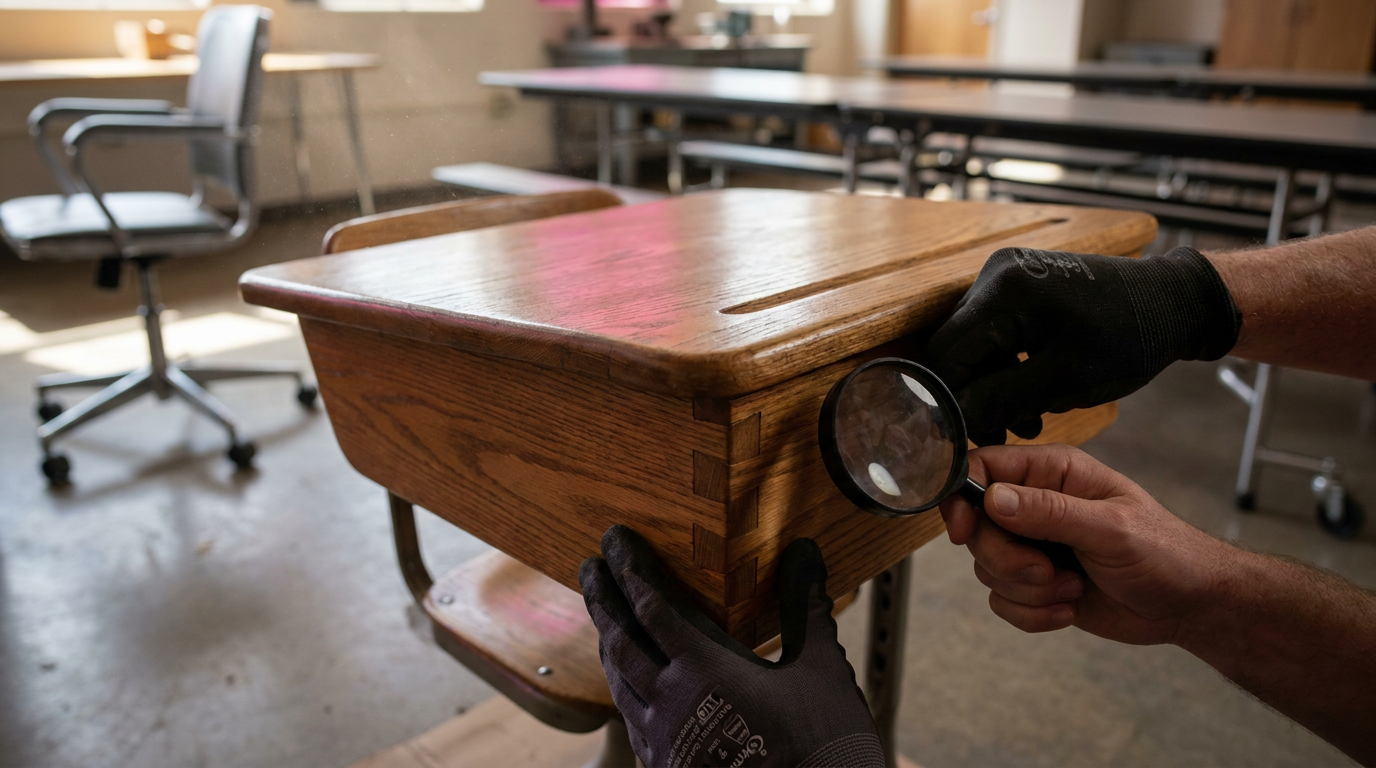
Maximising Furniture Longevity: A Cost-Effective Furniture Maintenance Guide for UK Businesses
🎯 Key Takeaway
A furniture maintenance guide for UK businesses is a strategic document that outlines procedures to prolong asset life, ensure regulatory compliance, and reduce long-term costs. It’s a critical tool for maximising return on investment. This guide provides a complete framework for protecting your furniture assets and optimising your organisation’s budget. By following a proactive schedule with daily, monthly, and annual checks, you can prevent minor issues from becoming costly failures. Use material-specific cleaning methods to maintain appearance and adhere to UK standards like CRIB 5 for fire safety, and implement a clear ‘repair vs. Replace’ framework to make cost-effective decisions.
For facilities managers and budget holders across the UK, balancing tight budgets with the need for safe, presentable, and long-lasting furniture is a constant challenge. As of June 2026, rising material costs and supply chain pressures make every pound spent on furniture more significant than ever. Proactive maintenance, therefore, isn’t just a chore; it’s a strategic financial tool. At Cost Cutters UK, a leading UK supplier of school and office equipment with over 35 years of experience, we’ve seen first-hand how a structured approach can deliver substantial savings. This article provides a comprehensive furniture maintenance guide, covering everything from daily checks to strategic decisions about extending the life of classroom furniture and office assets.
Written by: Cost Cutters UK Content Team | Reviewed by: Cost Cutters UK Editorial Team, 35+ Years in Educational and Commercial Furnishings
ℹ️ Transparency Disclosure: This article explores best practices for commercial furniture maintenance based on our 35 years of industry experience and analysis of UK regulatory standards. The content is for informational purposes. For full transparency, some links may connect to our services or product pages. All information is verified by our editorial team to ensure accuracy and relevance for UK organisations.
What is the Business Case for Proactive Maintenance?
Proactive maintenance is an asset management strategy that delivers a powerful return on investment (ROI). Instead of reacting to breakages, a planned approach systematically extends the life of your furniture, directly deferring major capital expenditure. For instance, analysis from the Facilities Management Journal (FMJ) (2025) suggests that a scheduled maintenance programme can extend the usable life of commercial furniture by up to 40%, significantly lowering the total cost of ownership.

Beyond the budget, there are critical safety and legal imperatives. The Health and Safety Executive (HSE), Britain’s national regulator for workplace health and safety, mandates that all workplace equipment must be maintained in a safe condition. A documented maintenance log provides clear evidence of due diligence under the Health and Safety at Work etc. Act 1974. Also, well-maintained furniture contributes to a positive environment, improving morale for staff and creating a welcoming impression for students and visitors. Effective commercial furniture care isn’t an expense; it’s an investment in safety, compliance, and your organisation’s financial health.
How Do You Develop a Proactive Furniture Maintenance Checklist?
Developing an effective furniture maintenance checklist starts with a simple inventory of your assets, followed by scheduling tasks based on frequency. We recommend a tiered approach that is easy to implement and track. This method ensures that small issues are caught before they escalate into expensive failures, Saving Time & Stress for your facilities team. A robust office furniture maintenance checklist is the foundation of any successful programme.
Daily & Weekly Checks
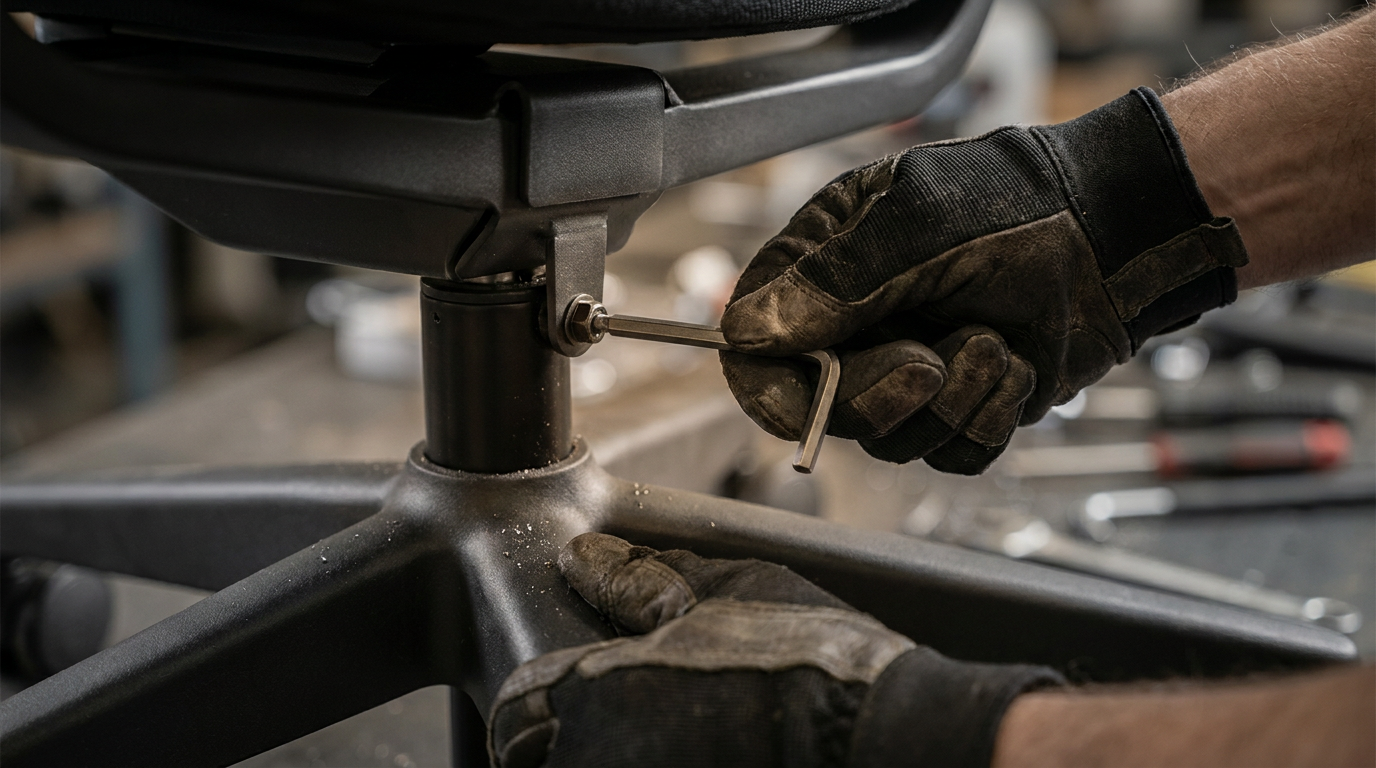
Our experience suggests these quick checks make the biggest difference. They should take only a few minutes per area.
- Visual Inspection: Quickly scan for obvious hazards like splintered wood, sharp metal edges, or loose screws.
- Spill & Stain Removal: Wipe down surfaces immediately to prevent staining, especially in canteens and breakout areas.
- Stability Check: Give tables and chairs a gentle nudge to check for wobbles. Note any unstable items for later attention.
- Upholstery Scan: Look for new rips, tears, or unravelling seams on fabric chairs.
Monthly Reviews
These checks are more hands-on and focus on preventing wear and tear.
- Hardware Tightening: Systematically check and tighten all accessible screws, nuts, and bolts on chairs, desks, and storage units.
- Mechanism Test: For adjustable-height desks and office chairs, test that all levers and mechanisms function smoothly.
- Upholstery Seam Inspection: Look closely at seams and joints in fabric for signs of stress or separation.
- Frame Integrity: Inspect the joints and welds on metal-framed furniture for any signs of stress fractures or rust.
Annual Deep Audit
The annual audit is a comprehensive review of your entire furniture inventory.
- Full Inventory & Condition Report: Document every item, its location, and its condition (e.g., excellent, good, fair, poor).
- Structural Integrity Assessment: Perform a thorough examination of all load-bearing components. This is critical for items like library shelving and high-density storage.
- Deep Cleaning: Arrange for professional deep cleaning of all upholstered items and carpets.
- Compliance Review: Cross-reference your inventory against current standards (e.g., BS EN 1729 for schools) to identify non-compliant items that need replacing.
What Does a Material-by-Material Furniture Care Guide Include?
Using the correct cleaning and maintenance methods for each material is essential for preserving appearance and ensuring longevity. Incorrect techniques can cause permanent damage or, in some cases, compromise safety features. This material-specific furniture care guide provides the do’s and don’ts for the most common commercial furniture surfaces.
Performance Fabrics (CRIB 5)
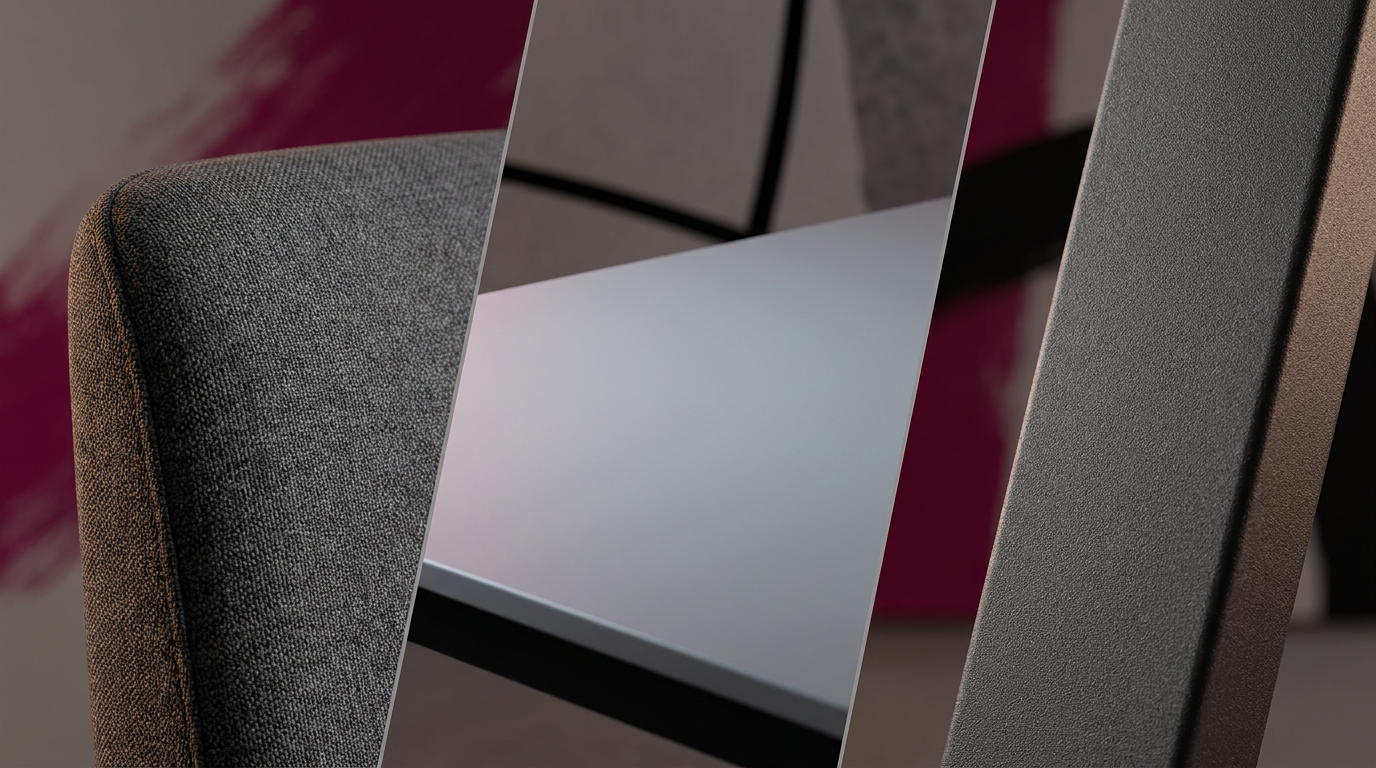
CRIB 5, a fire safety standard for UK contract upholstery, refers to fabric treated to resist ignition. Improper cleaning can negate this critical safety feature.
- Do: Vacuum regularly with an upholstery attachment. Check the manufacturer’s cleaning code before applying any liquid. For spot cleaning, use a specialised low-moisture upholstery cleaner approved for contract fabrics.
- Don’t: Use excessive water, steam cleaners, or solvent-based products unless explicitly approved. These can strip the fire-retardant treatment. This is a crucial point when considering how to clean office chairs uk.
Wood & Laminates
- Do: For solid wood, dust regularly and use a polish sparingly. For laminates, a damp microfibre cloth is usually sufficient. Clean spills immediately to prevent moisture from penetrating joints.
- Don’t: Use abrasive scourers or harsh chemical cleaners like bleach, which can strip the finish and damage the surface. Avoid leaving wet items on wood surfaces.
Metals (Powder-Coated & Chrome)
- Do: Wipe down with a soft, damp cloth and a mild detergent for general cleaning. For chrome, a glass cleaner can restore shine. Check for and touch up any chips in powder-coating to prevent rust.
- Don’t: Use abrasive creams or wire wool, which will scratch the finish permanently. Avoid harsh acidic or alkaline cleaners.
How Should You Approach High-Traffic Furniture Care?
High-traffic areas like classrooms, canteens, and reception areas require a more intensive maintenance strategy because furniture here endures constant and often harsh use. The key to extending the life of classroom furniture, for example, is to focus on common failure points and implement targeted, preventative solutions. A proactive approach is typically more cost-effective than reactive school furniture repair.
Common wear patterns include scuff marks on polypropylene chair shells, graffiti on laminate desks, food stains on canteen benches, and compression of foam in soft seating. Here are our practical solutions:
- Scuff Marks: For plastic or polypropylene chairs, a simple pencil eraser or a melamine foam ‘magic’ eraser can often remove black scuff marks without damaging the surface.
- Graffiti: On modern laminate surfaces, isopropyl alcohol on a soft cloth can often remove permanent marker. Typically test on an inconspicuous area first.
- Stains: For fabric seating, choosing a vinyl or treated, bleach-cleanable fabric from the outset is an effective defence. For existing stains, act quickly using an approved upholstery spot cleaner.
- Structural Wear: Regularly tighten the fixings on chair and table legs, as constant movement can loosen them. For heavily worn items, consider durable replacement options like our robust durable breakout furniture.
Hypothetical Case Study: Northwood Academy
Challenge: The academy faced recurring costs and safety concerns from classroom chairs with cracked shells and bent legs, leading to three minor student incidents in one term.
Solution: We helped them implement a monthly maintenance checklist and replaced 40 irreparable chairs with a more durable, fully-welded frame model designed for high-use educational settings.
Results: The academy reported a 75% reduction in furniture-related repair requests and zero safety incidents in the following year. They projected the new chairs would have a 30% longer lifespan.
Key Insight: Investing in slightly more durable furniture upfront, combined with a simple maintenance schedule, generated significant long-term savings and improved student safety.
How Do You Make the Repair vs. Replace Decision?
Making the right call between repair and replacement is a critical part of any furniture maintenance framework. This decision should be based on a clear-headed assessment of cost, safety, and long-term value, not just the immediate expense. A useful concept here is Total Cost of Ownership (TCO), a calculation of the total cost of an asset over its life, including purchase price, maintenance, and disposal.
Our advice is to use a simple framework based on four key factors:
- Cost: If the repair cost exceeds 50% of the replacement cost, replacement is almost typically the more sensible financial choice.
- Safety & Compliance: If damage affects the structural integrity (e.g., a cracked chair base) or the item no longer meets current standards like BS EN 1729 (the European standard for educational furniture), it must be replaced. A repair in this case could create a serious liability. Check that any new furniture meets all our UK safety and quality accreditations.
- Availability of Parts: For older or discontinued models, sourcing correct replacement parts can be difficult and expensive. If parts aren’t available, replacement is the only option.
- Aesthetics & Function: If an item is visually worn to the point it detracts from your environment, or no longer serves its functional purpose, replacement is justified even if it’s technically repairable.
The table below provides a guide for common scenarios.
| Furniture Item | Common Fault | Average Repair Cost | Average Replacement Cost | Recommended Action |
|---|---|---|---|---|
| Task Office Chair | Failing gas lift | £30-£50 | £150-£250 | Repair (if chair is otherwise in good condition) |
| Classroom Chair | Cracked plastic shell | £25 (if shell available) | £40-£60 | Replace (Repair is often not viable or safe) |
| Office Desk | Damaged laminate edge | £40-£60 (re-lipping) | £200-£400 | Repair (for minor damage) |
| Canteen Table | Unstable/wobbly leg | £10 (tightening) | £180-£300 | Repair (if tightening solves it, otherwise inspect frame) |
| Breakout Sofa | Torn upholstery | £150-£300 (re-upholstery) | £600-£1,200 | Consider Replacement (If repair >50% of new cost) |
Frequently Asked Questions
What is a furniture maintenance guide?
A furniture maintenance guide is a documented strategy for proactively caring for your organisation’s furniture assets. It moves you away from costly reactive repairs by outlining scheduled checks, cleaning protocols, and a clear decision-making framework. This plan helps extend furniture lifespan, ensures a safe environment, and provides better control over long-term budgets. It is an essential tool for professional asset management in any office or school.
How often should office furniture be inspected?
We recommend a tiered inspection schedule for office furniture. Quick, daily visual checks for obvious hazards are best practice, especially in high-use areas. These should be followed by more thorough monthly inspections to tighten loose fittings and check mechanisms. Finally, a full, documented audit of all furniture should be conducted annually to assess overall condition and plan for future replacements.
What is an effective way to clean CRIB 5 fabric chairs?
The primary goal is to clean effectively without compromising the fire-retardant treatment. typically check the manufacturer’s cleaning code first. We advise regular vacuuming and using a specialised, approved low-moisture upholstery cleaner for spot treatments. You should not use large amounts of water, steam cleaners, or general-purpose solvent-based products unless the fabric manufacturer has explicitly approved them, as this can void safety certifications.
Can you repair a broken school chair leg?
For safety and compliance reasons, we strongly advise against repairing structural components like chair legs. Ad-hoc fixes like welding or bolting can compromise the chair’s integrity and will likely void its BS EN 1729 certification for strength and stability. This creates a significant liability risk. In almost all cases of structural leg damage, replacing the entire chair is the only safe and compliant option.
How do I create an office furniture maintenance checklist?
To create an office furniture maintenance checklist, start by making a complete inventory of your furniture. Group required tasks by frequency: daily visual checks, monthly hands-on reviews, and an in-depth annual audit. Create a simple log with columns for the item, task description, completion date, and notes on its condition. You can use the structure in our guide as a template to customise for your workplace.
What UK regulations apply to office and school furniture?
Several key UK regulations are crucial for contract furniture. For schools, BS EN 1729 is the standard for ergonomics, strength, and stability. For all commercial settings, The Furniture and Furnishings (Fire) (Safety) Regulations 1988 are mandatory, with fabrics often needing to meet the CRIB 5 test standard. Overarching all of this is the Health and Safety at Work etc. Act 1974, which requires all workplace equipment to be safe.
When is it more cost-effective to replace furniture than repair it?
As a rule of thumb, if a repair costs more than 50-60% of a new replacement, it is more cost-effective to replace. However, you should typically replace an item, regardless of repair cost, if the damage compromises user safety, if the item no longer meets current compliance standards, or if official replacement parts are no longer available from the manufacturer.
How can I remove scuff marks from classroom chairs and tables?
For common polypropylene chairs, a simple pencil eraser or a melamine foam sponge often removes scuffs effectively. On laminate tabletops, a non-abrasive cleaning fluid or a small amount of isopropyl alcohol on a soft cloth can lift marks. It’s crucial to typically test any cleaning method on a small, inconspicuous area first to ensure it doesn’t damage the finish.
What are the signs that furniture needs replacing immediately?
Any sign of structural failure means the item should be removed from use immediately. This includes visible cracks in the frame, legs, or base of a chair; severe instability or wobbling that cannot be fixed by tightening screws; exposed sharp edges from broken plastic or metal; or failing height-adjustment and tilt mechanisms on task chairs. These issues present a direct safety risk.
Does using the wrong cleaning products void a furniture warranty?
Yes, in almost all cases, using unapproved cleaning products will void your furniture’s warranty. Manufacturers provide specific care instructions for their products’ materials and finishes. Using harsh chemicals, abrasive pads, or incorrect cleaning methods is considered misuse and any resulting damage, such as discoloration or material degradation, will not be covered by the manufacturer’s guarantee.
Important Considerations
This guide provides general best practices for common contract furniture. However, typically consult and prioritise the specific maintenance instructions provided by the original furniture manufacturer, as failure to do so may void your warranty. The information here is not a substitute for manufacturer-specific documentation.
While in-house maintenance is cost-effective for many tasks, an alternative is to partner with a specialised facilities management company. These services can be beneficial for large organisations without a dedicated maintenance team, offering scheduled servicing and repairs, though this comes at a higher operational cost than a DIY approach.
For large-scale refurbishment projects, significant structural damage, or when assessing the compliance of an entire building’s furniture inventory, we strongly recommend consulting a professional. Expert advice is crucial for ensuring safety, compliance, and making an effective long-term financial decisions for your organisation. Our “Design To Install We Do It All!” service is built for exactly these scenarios.
Conclusion: Partnering with Costcutters UK for Long-Term Value
Implementing a structured furniture maintenance guide is one of the most effective strategies for protecting your investment and maximising your budget. This approach transforms commercial furniture care from a reactive chore into a proactive strategy, ensuring safety, compliance, and a welcoming environment for everyone. By following the checklists and frameworks we’ve outlined, you can significantly extend the life of your furniture, reduce lifecycle costs, and make smarter purchasing decisions in the future.
With over 35 years of experience supplying UK schools, offices, and public sector organisations, Costcutters UK understands the challenges of maintaining high-use environments. We are Rated Excellent On Trustpilot because we partner with our clients to find durable, cost-effective solutions. If you need advice on furnishing a space for longevity, we offer Bulk Buy Discounts and flexible payment options like Credit Accounts Or Pay Flexibly. You can request a no-obligation quote online or browse our full catalogue of contract-grade furniture today.
References
- Health and Safety Executive (HSE) – Regulatory Guidance. Provides the legal framework for ensuring workplace equipment, including furniture, is safe and suitable for use under UK law.
- British Standards Institution (BSI) – Standards Body. The BSI publishes key standards like BS EN 1729, which define the essential safety and dimensional requirements for educational furniture in the UK market.
- The Furniture Industry Research Association (FIRA) – Industry Body. FIRA offers independent expertise and testing for furniture safety, performance, and flammability, developing standards like CRIB 5 for contract upholstery.
- Facilities Management Journal (FMJ) – Trade Publication. Publishes articles and industry analysis on the lifecycle costs of commercial assets, highlighting the financial benefits of proactive maintenance strategies.
- Work Design Magazine – Industry Publication. A 2024 analysis of workplace trends highlighted that furniture durability and maintenance are becoming key considerations in post-pandemic office design to maximise long-term value.