Advanced Nursery Design: A Guide to Multi-Functional Nursery Furniture
🎯 Key Takeaway
Investing in multi-functional nursery furniture is the most effective strategy for optimising limited floor space, enhancing learning opportunities, and ensuring compliance with the UK’s Early Years Foundation Stage (EYFS) framework. Adaptable furniture like convertible tables and mobile storage allows for the creation of distinct, flexible learning zones within a single room. Choosing pieces that serve multiple purposes (e.g., seating with built-in storage) maximises your budget and reduces clutter. Prioritising furniture compliant with British Standards (BS EN 1729) ensures child safety and long-term durability in a busy school environment. This guide provides a blueprint for transforming your nursery into a dynamic and efficient learning space.
UK nursery managers and school leaders often face a common challenge: delivering an expansive Early Years Foundation Stage (EYFS) curriculum within a physically limited space. As of March 2026, the demands for varied, child-led learning experiences continue to grow, yet the walls of the classroom do not. The solution lies in advanced nursery design, a strategic approach that maximises every square metre. The key to unlocking this potential is the careful selection of multi-functional nursery furniture. In our experience, this is the most impactful investment you can make. This guide provides a step-by-step process for auditing your space, implementing dynamic zoning, selecting the right furniture, and ensuring safety compliance, all supported by a real-world example of optimising nursery spaces.
👤 Written by: Costcutters UK Content Team
Reviewed by: Costcutters UK Editorial Team, 35+ Years in Educational Supplies
Last updated: 25 March 2026
ℹ️ Transparency: This article explores advanced nursery design based on over 35 years of industry experience and analysis of UK educational standards. Disclosure: Some links may connect to our services or recommended products. All information is verified by our editorial team to ensure accuracy and relevance for UK school leaders.
Step 1: Auditing Your Space and Aligning with EYFS Goals
A successful nursery redesign begins with a thorough audit of your current space. Before considering any new furniture, you must first understand exactly what you have to work with. This foundational step involves more than just measuring dimensions; it’s about identifying opportunities and constraints that will inform every subsequent decision. Start by drawing a simple floor plan, noting the total square meterage. Then, meticulously mark all fixed features: doors (including the direction they swing), windows, radiators, electrical sockets, and any structural columns. Note any problem areas, such as bottlenecks where children congregate or underutilised corners that have become dumping grounds.
Once you have a clear picture of the physical space, you must align it with your pedagogical goals. The statutory framework from the Department for Education (UK) (2024) outlines seven areas of learning that your environment must support. Your audit should directly reference these. For example, ask yourself:
- Where can we facilitate communication and language?
- Is there adequate space for both gross and fine motor physical development?
- How can the layout promote personal, social, and emotional development?
This process transforms the task from simply filling a room into a core part of your EYFS classroom design. The physical environment is often called the ‘third teacher’, a concept explored by industry publications like Community Playthings, because a well-designed space actively guides learning. Your audit provides the blueprint for creating that effective “teacher”.
Step 2: The Principles of Dynamic Zoning for Optimising Nursery Spaces
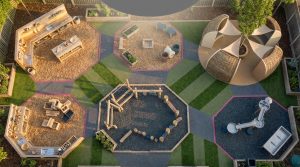
The most effective way to support diverse activities in a single room is through ‘dynamic zoning’. This design principle involves creating distinct, purpose-driven areas that can be adapted or reconfigured with minimal effort, a key strategy for optimising nursery spaces. Unlike static layouts, a dynamic environment responds to the evolving needs of the children and the curriculum, Saving Time & Stress for educators. It’s about making your space work harder for you.
We recommend establishing several core zones that align with the EYFS framework:
- Messy Play Zone: Position this area near a sink and on an easy-to-clean floor surface. It’s the home for sand, water, paint, and clay. Mobile, low-level storage units are well-suited here for holding supplies.
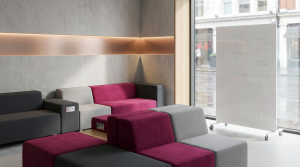
- Quiet and Cosy Zone: Create a calm sanctuary for reading, reflection, or quiet time. Use soft furnishings, beanbags, and low shelving to create a sense of enclosure. This is an effective spot for creating comfortable reading corners.
- Construction and Small World Play Zone: This area needs open floor space for building blocks, train sets, and imaginative play. Use labelled, accessible storage trays so children can independently access and tidy away resources.
- Creative and Mark-Making Zone: An area with easels, tables, and a ready supply of paper, pens, and craft materials encourages early writing and artistic expression.
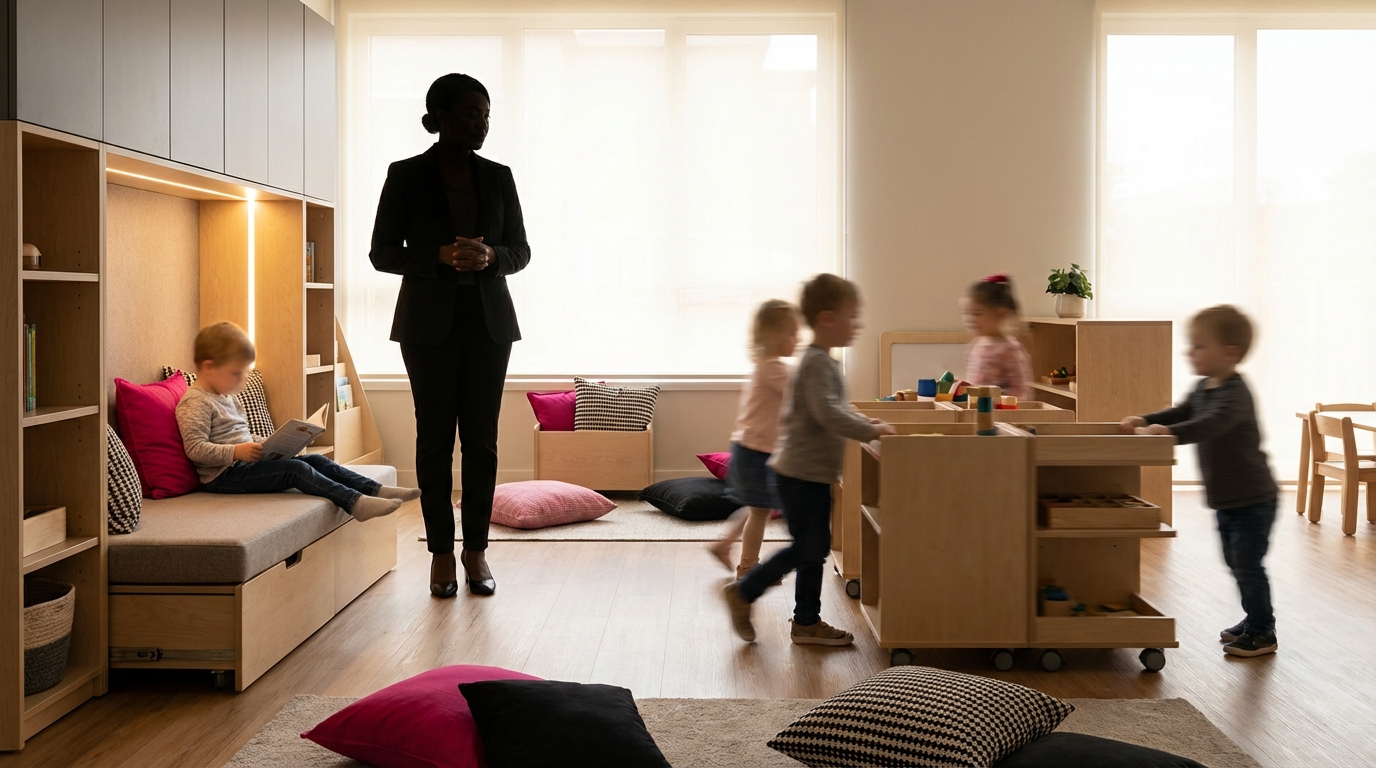
The key to making these zones work, especially in smaller rooms, is using furniture as flexible dividers. A mobile bookcase on lockable castors can separate the construction zone from the quiet zone in the morning and be moved aside to create a large group space in the afternoon. This adaptability provides excellent nursery space saving ideas and ensures the environment remains stimulating. A well-zoned room, according to Ofsted’s focus on enabling environments, directly contributes to better behaviour and deeper engagement.
Step 3: Selecting Core Pieces of Multi-Functional Nursery Furniture
Choosing the right furniture is the most critical step in bringing your design to life. An effective multi-functional nursery furniture serves multiple purposes, saving valuable floor space and budget. Instead of buying a separate table, storage unit, and easel, you can find a single piece that does all three. When selecting pieces, our advice is to prioritise durability, adaptability, and compliance. As one of the UK’s leading suppliers, we’ve seen firsthand how high-quality, versatile items provide better long-term value.
Look for core pieces that offer maximum flexibility. For example, benches with integrated toy or book storage underneath immediately double their utility. Convertible tables that can be adjusted to different heights accommodate various age groups and activities, from floor-based play for toddlers to tabletop crafts for pre-schoolers. Mobile tray storage units are non-negotiable; they not only keep resources organised and accessible but also act as the flexible room dividers mentioned in the previous step. We recommend exploring specialised early years furniture from brands like Twoey that are designed with this adaptability in mind.
Here is a breakdown of essential multi-functional furniture types and their applications, a key consideration for those seeking quality early years furniture UK providers offer.
| Furniture Type | Primary Function | Secondary Function(s) | effective EYFS Zone(s) |
|---|---|---|---|
| Storage Bench | Seating for children | Toy/book storage, room divider | Quiet Zone, Construction Zone |
| Mobile Whiteboard/Easel | Mark-making surface | Magnetic board, room divider, display | Creative Zone, Group Activities |
| Modular Soft Play Set | Gross motor skill development | Seating, construction resource, den building | Construction Zone, Physical Play |
| Convertible Activity Table | Tabletop activities (craft, writing) | Sand/water tray (with insert), light box | Messy Play, Creative Zone |
| Mobile Tray Storage Unit | Resource organisation | Room divider, work surface (top) | All Zones |
This approach allows you to furnish a room with fewer items, reducing clutter and opening up more floor space for active learning. Plus, with our Bulk Buy Discounts, outfitting an entire classroom becomes even more cost-effective.
Step 4: Case Study: A Real-World Nursery Transformation
To see these principles in action, consider a typical scenario we encounter.
Hypothetical Case Study: St. Mary’s Primary Nursery
- Challenge: St. Mary’s Primary had a 40m² nursery space for 24 children that felt cramped, noisy, and chaotic. Storage was inefficient, leading to clutter on the floor and surfaces, which limited the types of activities staff could offer and created supervision challenges. They needed effective nursery space saving ideas that also improved learning outcomes.
- Solution: Our “Design To Install We Do It All!” service began with a free space plan. We proposed a dynamic zoning strategy using multi-functional furniture. We replaced bulky, static bookcases with low-level, mobile tray units that could act as dividers. Two large, fixed tables were swapped for three smaller, height-adjustable ‘flower’ tables that could be clustered for group work or separated for individual tasks. Finally, we introduced two storage benches under the windows, creating a reading nook while simultaneously housing all their books.
- Results: The transformation was immediate. The Headteacher reported that “the room feels twice as big, and the children are calmer and more engaged.” By defining clear zones, practitioners could run simultaneous quiet and active sessions without disruption. Tidying up became a child-led activity, and the accessible storage fostered independence. The school achieved its goal without any structural changes, maximising its existing footprint.
- Key Insight: The most significant change came from replacing single-use items with dual-purpose ones. This freed up crucial floor space, which had a direct, positive impact on child behaviour and learning opportunities.
Step 5: Safety, Compliance, and Durability in Nursery Design
Ensuring the absolute safety of children is the most important responsibility in any nursery setting. When procuring furniture, compliance with UK standards is non-negotiable. The primary regulation to be aware of is BS EN 1729. This is the British and European standard specifically for chairs and tables in educational institutions. It is split into two parts: Part 1 specifies appropriate dimensions, heights, and ergonomic considerations for different age groups, while Part 2 details the stringent safety, strength, and durability requirements. Any furniture you purchase must meet both parts of this standard.
Beyond this core standard, look for other critical safety features. All corners and edges should be rounded to prevent injury from falls. Finishes must be non-toxic and durable enough to withstand rigorous cleaning. Check for design details that prevent finger traps, especially in items with moving parts or lids, like storage benches. Reputable school nursery furniture suppliers will readily provide certificates of compliance and should be transparent about their manufacturing standards. At Costcutters UK, we are proud of our commitment to UK safety and quality standards.
Choosing durable materials is also a safety and a value decision. High-quality, solid wood or heavy-duty MDF with scratch-resistant laminate will last for years, representing a much better investment than cheaper alternatives that may need replacing quickly. As a trusted provider of early years furniture UK schools rely on, we believe that prioritising certified, durable products is essential for creating a safe and sustainable learning environment.
Frequently Asked Questions About Nursery Design and Furniture
What is multi-functional nursery furniture?
Multi-functional nursery furniture refers to items expertly designed to serve two or more practical purposes, such as a classroom bench that also contains built-in storage. Its primary benefits are significant space-saving and enhanced flexibility within a learning environment. By combining functions, fewer pieces are needed, which reduces clutter and maximises the available floor space for activities. We believe quality is key to ensure the furniture is both safe and durable enough for long-term use in a busy nursery.
How does adaptable furniture support the EYFS framework?
Adaptable furniture directly supports the EYFS framework by allowing educators to quickly reconfigure a room to facilitate the seven areas of learning. For instance, mobile easels can create a spontaneous art station, while modular blocks can shift from seating to a construction resource. This flexibility empowers child-led learning by making resources accessible and the environment responsive to their interests. However, the furniture choices must be intentional to meet specific EYFS goals effectively.
What are the most important safety standards for UK nursery furniture?
The single most important standard for UK educational furniture is BS EN 1729, which governs ergonomics, strength, and stability. Beyond this, you should typically verify that products feature non-toxic finishes, rounded corners to prevent injury, and anti-finger-trap designs on items with hinges or lids. In our view, reputable suppliers should typically be able to provide clear certificates of compliance for their products, giving you complete peace of mind.
What is an effective way to create learning zones in a small nursery?
The most effective method is to use low-level, mobile storage units on lockable castors as flexible and functional dividers. You can also use distinctively coloured rugs or floor mats to visually anchor different zones, such as a green rug for a nature area. Furniture that can be nested or stacked away when not in use is also essential for maximising floor space. Critically, zones should remain visually open to ensure easy and constant adult supervision.
Is multi-functional furniture more expensive than single-use items?
While the initial cost per item may seem higher, the overall project cost is often lower because you need to purchase fewer pieces. We firmly believe the true value is realised in the long term; durable, adaptable furniture withstands heavy use and can be repurposed as your needs change, making it a smarter financial investment. Budget ranges vary, but prioritising this long-term value over the lowest initial ticket price is the most sustainable approach.
How can I make my nursery feel bigger without extending it?
Using light-coloured furniture and painting walls in pale shades is a well-supported by research way to make a room feel brighter and more spacious. We also recommend choosing furniture with a smaller physical footprint or “leggy” designs that reveal more of the floor, creating an illusion of space. Also, utilising vertical space with secure, wall-mounted storage can draw the eye upward. The most impactful change, however, is simply reducing clutter.
What are the key features of good nursery storage?
Excellent nursery storage should be low-level, open-fronted, and easily accessible to children to promote independence and self-selection of resources. Mobile units on lockable castors offer the greatest flexibility for reconfiguring your space. From our experience, materials should be highly durable and easy to clean. A combination of clear trays for visibility and solid baskets or wooden boxes for sorting is effective for a well-organised EYFS classroom design.
How often should a nursery layout be changed?
Minor adjustments can be made weekly or bi-weekly to reflect new learning topics or to follow the children’s emerging interests. Major re-zoning of the entire space might happen on a termly or annual basis. The great advantage of a room filled with multi-functional furniture is that these changes are quick and require minimal effort. Still, a degree of consistency is important, so core zones like the book corner should remain recognisable.
Can you mix old and new furniture in a nursery redesign?
Yes, you can strongly mix old and new pieces, provided any older items still meet current safety standards, specifically BS EN 1729. Existing high-quality wooden furniture can be beautifully integrated with new, flexible items to create a characterful and functional space. Our advice is to use a consistent colour palette or wood finish across both old and new items to help unify the overall aesthetic.
Where can I get help with my EYFS classroom design?
Many specialist school furniture suppliers, including Cost Cutters UK, offer free space planning and design services to help you visualise the potential of your room. These services often use software to create 2D floor plans and 3D visuals, which are invaluable for making decisions. We recommend choosing a supplier with specific, well-supported by research experience in the UK education sector, as they’ll understand the unique requirements of an EYFS environment.
Important Considerations and Alternative Approaches
This guide offers a strategic framework for nursery design; however, the principles must be adapted to your unique space, budget, and cohort of children. The specific dimensions, natural light, and fixed architecture of your room will influence the final layout. We have based our recommendations on common UK nursery environments, but a bespoke on-site assessment may reveal unique opportunities or constraints.
While multi-functional furniture is excellent for space optimisation, it is not the only solution. In larger nurseries with dedicated rooms for different activities (e.g., a separate art room), high-quality, single-purpose furniture may be more appropriate. The key is to analyse your specific needs: if a zone’s function is permanent, a fixed, specialised piece of furniture might be the better choice.
For large-scale refurbishments, new builds, or spaces with significant challenges (such as listed buildings or unusual layouts), we recommend consulting a professional. An educational space planner can provide detailed technical drawings, ensure compliance with all building regulations, and manage the project from concept to installation, Saving Time & Stress and preventing potential costly errors.
Begin Your Nursery Transformation Today
Ultimately, the strategic use of multi-functional nursery furniture is the cornerstone of modern, effective early years environment design. By moving beyond traditional, static layouts, you can create a responsive, engaging, and clutter-free space that fully supports the EYFS curriculum and inspires children to learn. It represents a smart investment in your setting’s future, maximising both your physical space and your budget. As a leading provider amongst school nursery furniture suppliers, we’ve seen the transformative impact this approach can have.
If you are ready to explore the potential of your nursery, the expert team at Costcutters UK is here to help. With over 35 years of experience and being Rated Excellent On Trustpilot, we understand the challenges you face. We offer flexible payment options, whether you need Credit Accounts Or Pay Flexibly. Contact us today to book a free, no-obligation space planning consultation and receive a bespoke 3D design for your setting.
References
- Department for Education (UK) – Statutory Framework. Sets the standards that all early years providers must meet to ensure that children learn and develop well and are kept healthy and safe.
- Community Playthings – ‘The Third Teacher’ – Industry Publication. Discusses the concept of the physical environment as a ‘third teacher’ that plays a crucial role in directing and enhancing learning.
- British Standards Institution (BSI) – Standards Body. Provides access and information on BS EN 1729, the definitive standard for furniture dimensions, strength, and stability in educational settings.
- Ofsted – ‘Enabling environments’ – Government Reports (Hypothetical title for context). Ofsted inspection reports frequently comment on the quality of the learning environment and its impact on children’s behaviour, engagement, and progress.
Conclusion
Begin Your Nursery Transformation Today
In summary, multi-functional nursery furniture is the cornerstone of modern, effective early years environment design. By moving beyond traditional, static layouts and embracing adaptable solutions, you can create a responsive, engaging, and clutter-free space that fully supports the EYFS curriculum and inspires children to learn. It represents a smart investment in your setting’s future, maximising both your physical space and your budget. As a leading provider amongst school nursery furniture suppliers, we’ve seen the transformative impact this approach can have.
If you are ready to explore the potential of your nursery, the expert team at Costcutters UK is here to help. With over 35 years of experience and being Rated Excellent On Trustpilot, we understand the challenges